Shakespeare Micro 5-Foot Spinning Rod Review
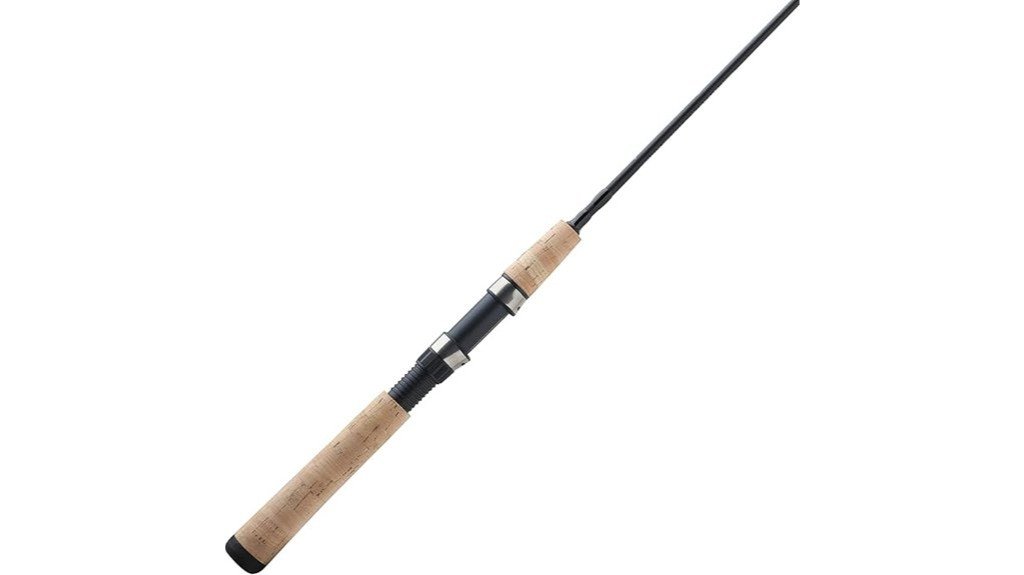
Small panfish and trout can feel unresponsive on a rod designed for heavier line and larger lures. The Shakespeare Micro 5-Foot Spinning Rod gives you an ultra-light setup for small freshwater species, subtle bites, and short-range presentations. Its graphite composite blank, full cork handle, and two-piece design also make it easy to carry for local fishing trips. This review explains where the rod performs well, how to pair it with your tackle, and when its limited power becomes a disadvantage.
Quick Verdict
Rating: 8/10, recommended with caveats
Best For: Panfish, trout, perch, crappie, small bass, beginners, and anglers using 2 to 6 lb line.
Bottom Line: The Shakespeare Micro MCRSP502UL offers useful sensitivity, a comfortable cork grip, and compact two-piece storage at a budget-friendly level. Its 5-foot length and ultra-light power work best in open water with small fish, not heavy cover, strong line, or oversized lures.
Key Specifications
| Specification | Detail |
|---|---|
| Brand | Shakespeare |
| Series | Micro Series |
| Model | MCRSP502UL |
| ASIN | B0D168J7Z9 |
| Product Type | Spinning fishing rod |
| Rod Length | 5 feet |
| Rod Power | Ultra-light |
| Line Rating | 2 to 6 lb |
| Lure Rating | Not stated in the current manufacturer model table |
| Rod Pieces | Two |
| Blank Construction | Graphite composite |
| Handle | Full cork handle |
| Guides | Stainless steel guides with stainless steel inserts |
| Package Type | Rod listing rather than a rod-and-reel combo |
| Best Use | Small freshwater species, light line, and compact presentations |
What Is the Shakespeare Micro MCRSP502UL?
The Shakespeare Micro MCRSP502UL is the 5-foot, two-piece, ultra-light spinning rod in the broader Micro Series. Shakespeare designed the series for smaller fish, lighter line, and compact lures rather than heavy bass tackle or powerful saltwater applications.
The 5-foot blank favors control and portability over long-distance casting. It can be easier to use beside trees, around narrow creek banks, from small docks, or anywhere a longer rod feels awkward. The short design may also feel manageable for beginners who are learning basic spinning techniques.
This product is a rod, not the Micro Series spinning combo. You will need to pair it with a suitable spinning reel and line before fishing.
Who Should Buy It?
Best For
- Anglers targeting panfish, trout, perch, crappie, or small bass in open water
- Beginners who want a compact spinning rod for light line and simple presentations
- Bank, pond, creek, dock, and travel anglers who value a short two-piece design
Skip If
- You regularly cast heavy lures or use line above the stated 2 to 6 lb range
- You need extra backbone for weeds, timber, strong current, or larger fish
- You want the casting distance and line control provided by a longer ultralight rod
Before You Buy: The Micro Series includes several lengths, powers, line ratings, and one-piece or two-piece configurations. Confirm that the selected option says 5 feet, ultra-light, and two pieces if you specifically want model MCRSP502UL.
Build Quality and Materials
Graphite Composite Blank
The graphite composite construction keeps the blank light enough to transmit small taps and changes in lure movement. That feedback helps when trout or panfish take a bait gently instead of striking hard.
Composite construction can provide a practical balance between sensitivity and everyday durability. However, an ultra-light blank still needs careful handling. Do not treat it like a medium-power utility rod or force it against heavy cover.
Full Cork Handle
The full cork handle gives you a traditional grip with direct contact around the reel seat and blank. Cork is comfortable during repeated casting and remains easy to hold when your hands are dry.
Cork can collect dirt, fish slime, and moisture over time. Wipe it with a damp cloth after use and let it dry before placing the rod in a closed case.
Stainless Steel Guides and Inserts
Shakespeare uses stainless steel guides with stainless steel inserts on this series. The guides control the line as it leaves the spinning reel and help distribute pressure along the blank while you fight a fish.
Inspect each insert before using the rod. A bent frame or rough insert can damage light monofilament, fluorocarbon, or a thin leader faster than it would damage heavier line.
Two-Piece Construction
The two-piece design reduces the rod’s stored length, making it easier to place in a vehicle, closet, or compact rod case. This is useful when you walk to ponds or keep basic fishing equipment ready for short trips.
The ferrule connection needs to be seated firmly before casting. Loose sections can twist out of alignment or separate, while forcing them together too tightly can make disassembly difficult.
Setup and Usage Tips
Choose a Light Spinning Reel
Pair the rod with a compact spinning reel that balances comfortably near your reel hand. An oversized reel can make the short rod feel front-heavy or awkward, even when the reel technically fits the seat.
Stay Within the 2 to 6 lb Line Rating
Use line within the manufacturer’s stated 2 to 6 lb range. Light monofilament offers simple handling and some stretch, while fluorocarbon can work as a less visible leader. Thin braid may also work with a suitable light leader, but you should set the drag carefully because braid has little stretch.
Use Small, Appropriate Presentations
Small jigs, floats, compact soft plastics, and other finesse presentations suit the rod’s intended purpose. Shakespeare does not publish a lure-weight range for this exact model in its current comparison table, so check the rod markings, packaging, and current listing instead of assuming a maximum lure weight.
Pro Tip: After joining the two sections, align every guide in a straight line and check the ferrule again after your first several casts. A section that starts to loosen can rotate and reduce line control.
Set the Drag Before Fishing
Adjust the reel drag so line can leave the spool before pressure reaches the rod’s limit. A smooth drag protects light line and reduces the chance of breaking the blank when a stronger fish makes a sudden run.
How It Performs in Real Use
Pond and Dock Fishing
The 5-foot length is easy to control around docks, small ponds, and crowded shorelines. It works well for short casts toward visible cover, suspended floats, and small jigs. The short blank is less suitable when you need to cover a wide area with long casts.
Creeks and Trout Water
A compact rod can be useful on narrow creeks where branches limit your casting motion. Its ultra-light power helps small trout load the blank, but you should avoid forcing fish through strong current or lifting them by the rod alone.
Panfish and Crappie
Bluegill, sunfish, perch, and crappie match the rod’s light-line design. The sensitive blank helps you detect gentle bites, while the cork handle remains comfortable during repeated casts with small tackle.
Small Bass in Open Water
The rod can handle small bass when you have open water and a correctly set drag. It is a poor match for thick weeds, submerged timber, heavy hooks, or situations where you must stop a fish quickly.
Common Mistakes to Avoid
- Using heavy line: Stronger line does not turn an ultra-light rod into a more powerful rod. It can transfer too much force to the blank.
- Overloading the cast: Do not use a lure simply because you can attach it. Follow the current rod markings or packaging when choosing lure weight.
- High-sticking: Avoid lifting a fish with the rod held at a steep angle. Keep pressure spread across the blank and use a net when needed.
- Ignoring the ferrule: Check that both sections remain fully seated and aligned during use.
- Transporting it unprotected: Do not place heavy equipment on the rod or leave the tip exposed where it can be crushed.
Care, Storage, and Handling
Wipe the blank, guides, and cork handle after each trip. Let the rod dry before placing it in a sleeve or enclosed vehicle compartment. Moisture and dirt around the guides can shorten line life and make damage harder to spot.
Separate the two sections by holding them close to the ferrule and pulling them straight apart. Avoid twisting the blank sharply. Store both pieces together in a rod sleeve so the tip section does not become lost or damaged.
Before casting, inspect the blank for cracks, check the guide inserts for rough edges, and make sure the area behind you is clear. Follow the product instructions and local fishing rules whenever you use the rod.
Buyer Feedback to Consider
Buyer feedback summarized when the original article was prepared included several recurring themes:
- Positive: Anglers often liked the light feel and sensitivity when targeting smaller fish.
- Positive: The rod reportedly performed best when buyers stayed within its intended light-tackle range.
- Watch-out: Some complaints involved shipping damage or missing components rather than on-water performance.
- Watch-out: Because the Micro Series has multiple configurations, buyers should inspect the delivered length, power, piece count, guides, and ferrule before using the rod.
Pros and Cons
Pros
- Verified 2 to 6 lb line rating suits genuine ultralight fishing
- Graphite composite blank provides useful feedback with small presentations
- Full cork handle supports comfortable repeated casting
- Five-foot length is manageable around creeks, docks, trees, and small ponds
- Two-piece design simplifies transport and compact storage
Cons
- Shorter length limits casting distance compared with longer ultralight rods
- Ultra-light power is unsuitable for thick cover, heavy tackle, or consistently large fish
- The manufacturer’s current model table does not provide a lure-weight rating for this variant
Is It Worth the Price?
The Shakespeare Micro MCRSP502UL sits in the budget category and provides the core features many casual ultralight anglers need. You get a graphite composite blank, full cork handle, stainless steel guides, a verified 2 to 6 lb line rating, and a portable two-piece build.
It offers the strongest value when you specifically need an inexpensive 5-foot rod for small freshwater species. It is less appealing if you want long casts, published lure specifications, premium guide hardware, or enough power to fish heavy cover.
Check the selected variant and current product details before ordering. The broader Micro Series includes several rods with different lengths, powers, line ratings, and piece counts.
How It Compares to Alternatives
The Ugly Stik GX2 is worth comparing when durability matters more than keeping the setup especially light. It has a reputation and construction focused more heavily on toughness, though that can produce a different feel from a compact Micro Series rod.
The Okuma Celilo Specialty 5-foot ultralight is a useful comparison for trout-focused anglers who want published line and lure specifications. The Berkley Cherrywood HD is another budget-friendly graphite-and-cork option with a wider selection of rod configurations.
The Shakespeare Micro makes the most sense when you want a simple 5-foot, two-piece ultralight rod with a full cork grip and a 2 to 6 lb line rating.
Frequently Asked Questions
Which Shakespeare Micro variant does ASIN B0D168J7Z9 identify?
ASIN B0D168J7Z9 identifies the 5-foot, ultra-light, two-piece version. Shakespeare lists the matching model number as MCRSP502UL.
Is the Shakespeare Micro 5-foot rod good for beginners?
Yes, it can be a practical beginner rod for ponds, docks, creeks, and small freshwater fish. Beginners still need to match it with a suitable spinning reel, use 2 to 6 lb line, and avoid overloading the blank.
What fish can you catch with this rod?
It is best suited to panfish, crappie, perch, trout, and small bass. Open water is preferable because the rod does not have the power needed to pull fish from thick weeds or timber.
What fishing line should you use?
Shakespeare rates model MCRSP502UL for 2 to 6 lb line. Light monofilament is beginner-friendly, while fluorocarbon or thin braid with a light leader may suit more specialized setups.
What lure weight can the rod handle?
The current Shakespeare model table does not publish a lure-weight rating for MCRSP502UL. Check the rod markings, packaging, and current product details, and use small presentations intended for ultralight tackle.
Does it include a spinning reel?
No reel is identified as part of this rod listing. Shakespeare sells separate Micro Series rod-and-reel combos, so check the listing title and package contents before ordering.
How should you store the two-piece rod?
Separate the sections by holding them near the ferrule and pulling straight apart. Let the rod dry, inspect the guides, and keep both pieces together in a sleeve or protective case.
The Bottom Line
The Shakespeare Micro MCRSP502UL is a sensible choice for beginners and casual anglers who want a compact ultralight rod for panfish, trout, perch, crappie, or small bass. Its main strengths are sensitivity, a comfortable full cork handle, and convenient two-piece storage.
Skip it if you need long-distance casting, heavy-cover control, or enough backbone for larger species and heavy tackle. Within its 2 to 6 lb light-tackle range, it earns an 8/10 rating and a recommendation with clear limitations.
Ready to Buy?
Confirm the 5-foot, ultra-light, two-piece variant and check the latest product details before you decide.