Disclosure: As an Amazon Associate, we earn from qualifying purchases. If you click a link on this page and make a purchase, we may receive a small commission at no extra cost to you.
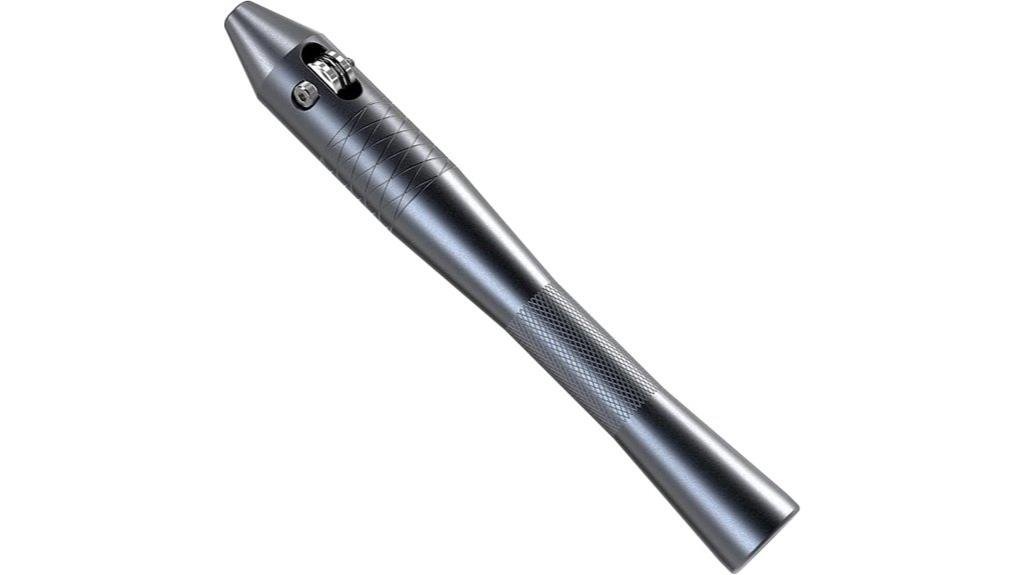
Feeding filler rod smoothly can be one of the hardest hand-coordination skills to learn in TIG welding. The WelderElite TIG Feeder Pen gives your filler hand a finger-operated wheel, so you can advance rod without repeatedly walking it through your fingers. Its simple manual design may help with control and hand fatigue, but it is not an automatic wire feeder and the current listing does not clearly confirm every rod diameter or replacement part. This review explains what it does, where it may help, and what you should check before buying.
Quick Verdict
Rating: 7/10, recommended with caveats
Best For: TIG welders who want a manual aid for advancing filler rod with one hand
Bottom Line: The wheel-fed design can make filler delivery feel more controlled, especially during practice or longer beads. Buy only after confirming that your usual filler-rod diameter fits, because the listing does not provide a dependable size chart.
| Specification | Detail |
|---|---|
| Brand | WelderElite |
| Product type | Manual TIG filler-rod feeder pen |
| Feed method | Finger-operated wheel |
| Power source | None, fully manual |
| Stated compatibility | Various TIG filler rods; confirm your exact diameter on the current listing |
| Main use | Advancing filler rod during manual TIG welding |
| Portability | Compact, lightweight hand-tool format |
| Amazon listing ID | B0DWN5XKLQ |
| Important limitation | It does not power-feed wire, control the torch, or replace correct TIG technique |
Key Takeaways
- The WelderElite TIG Feeder Pen uses a manual wheel to advance filler rod through your non-torch hand.
- It works independently from your TIG machine, torch trigger, foot pedal, and pulse settings.
- The compact format can help with grip consistency, but it still requires practice and two-hand coordination.
- Exact dimensions, weight, rod-diameter limits, certifications, and spare-wheel availability were not clearly verified.
- You should keep the filler path clean and dry instead of adding oil near the rod.
What Is the WelderElite TIG Feeder Pen?
The WelderElite TIG Feeder Pen is a small hand tool that holds a TIG filler rod and lets you move it forward by rolling a wheel with your finger. You hold it much like a thick pen in your filler hand while your other hand controls the torch.
It is not connected to the welder and does not contain a motor. Its purpose is narrower: it gives you another way to meter filler rod into the weld puddle without repeatedly repositioning the rod between your fingertips.
This design is most useful for welders who find traditional finger feeding awkward, tiring, or inconsistent. It may also help during practice because the wheel gives you a repeatable motion to learn, although it will not correct torch angle, heat input, travel speed, shielding gas problems, or poor filler selection.
Who Should Buy It?
Best For
- Beginners practicing steady filler-rod advancement
- Hobbyists who find finger walking uncomfortable or inconsistent
- Shop welders who want a compact manual feeding aid for selected jobs
Skip If
- You need automatic or mechanized cold-wire feeding
- Your filler-rod diameter is not confirmed as compatible
- You already feed rod comfortably and prefer direct fingertip control
Before You Buy: Check the current Amazon listing for your exact filler-rod diameter and package contents. Published measurements and weight figures for this ASIN are inconsistent, so do not buy from a copied specification alone.
Manual Wheel Feed and Control
The central feature is the exposed wheel that your finger rolls to move the filler rod forward. This replaces the usual motion of sliding and regripping the rod with your thumb and fingers.
A wheel can make each feed movement easier to repeat, particularly when you are learning a rhythm for dabbing or maintaining a steady addition rate. However, it does not set a feed rate for you. The amount of rod entering the puddle still depends on how far and how quickly you turn the wheel.
You may need several practice beads before the wheel feels natural. Some welders prefer the direct feedback of bare-hand feeding, so the pen should be viewed as an optional technique aid rather than a required TIG accessory.
Build, Grip, and Portability
The product listing presents the feeder as a durable, lightweight, portable tool with a user-friendly wheel. Its simple, nonpowered construction also means you have no cable, battery, motor, or electronic control to manage.
The compact shape should fit easily in a welding drawer, small tool pouch, or mobile kit. Still, the listing information available for this review did not reliably confirm the body material, exact dimensions, or exact weight, so those details are intentionally omitted.
Comfort depends on your hand size, glove thickness, feeding angle, and the rod you use. A bulky welding glove can reduce your feel for the wheel, while a thin TIG glove may provide better control when it is suitable for the job and your safety procedure.
Filler-Rod Compatibility
The listing states that the pen works with various TIG welding wires, but it does not provide a dependable diameter chart in the sources available for verification. That matters because the wheel and rod channel must grip the filler without excessive drag, slipping, or bending.
The pen may physically feed stainless steel, mild-steel, aluminum, or other TIG filler rods if the rod diameter fits the mechanism. The tool does not make one filler alloy suitable for another base metal. You must still choose the correct filler classification for your material, joint, and welding procedure.
Soft aluminum filler may feel different from stiffer steel or stainless rod. Feed it gently and stop if the rod shaves, kinks, or binds. Do not force an oversized rod through the mechanism.
Pro Tip: Test the pen with a short piece of your normal filler rod before starting an important joint. Advance it several times away from the arc to check for smooth movement, slipping, or metal shavings.
How It Performs in Real Use
For Practice Beads
The feeder pen can give a beginner a clear, repeatable finger motion while practicing torch travel and filler timing. It may reduce the distraction of repeatedly repositioning a long rod, but you still need to learn puddle control and coordinated movement.
For Longer Seams
On a longer bead, the wheel may reduce the number of grip changes needed to keep advancing filler. That can help you maintain hand position, especially when traditional finger walking causes fatigue. Your results will still depend on smooth wheel input and a rod that fits correctly.
For Tight or Awkward Positions
A pen-style holder may help you retain the rod when your filler hand has limited room. It can also add bulk around the rod, so it may be less convenient when clearance is extremely tight or when you need to change rod angle quickly.
For Mobile or Occasional Work
Because the tool is manual and compact, it is easy to keep with a portable TIG setup. It does not need charging or machine setup. The main concern is protecting the wheel and rod path from grinding dust, metal chips, and impact during storage.
How to Use It Correctly
- Confirm the rod fits: Check the current product instructions and slide the filler rod through the intended path without forcing it.
- Test the wheel: Roll the wheel away from the arc and make sure the rod advances smoothly without shaving or bending.
- Set a comfortable grip: Hold the tool like a pen in your filler hand and keep your wrist supported when possible.
- Practice without welding: Rehearse small, even feed movements before combining them with torch travel.
- Keep the filler clean: Avoid touching the working end with dirty gloves, oil, or grinding residue.
- Feed into the correct area: Follow your TIG procedure and keep the filler end within effective shielding while adding it to the puddle.
Do not expect the pen to establish the correct rhythm automatically. Use slow practice passes to learn how one wheel movement changes the amount of filler added.
Cleaning, Storage, and Maintenance
Wipe the feeder pen with a clean, dry cloth after use. Remove loose dust from the rod path with a soft brush or clean, low-pressure air used according to your shop-safety rules.
Avoid routine oiling of the wheel or filler path unless WelderElite specifically instructs it. Lubricant can transfer to the filler rod and introduce contamination near the weld. If the wheel becomes rough, loose, cracked, or unable to grip a compatible rod, stop using the tool and check the seller for service or replacement guidance.
Store the pen in a dry compartment away from grinding debris. Keeping a short test rod with the tool can help you check operation before the next job.
Compatibility and Welding Safety
This feeder pen is a hand-positioning accessory, not personal protective equipment. It does not replace a suitable welding helmet, TIG gloves, protective clothing, ventilation, fire prevention, or the safety instructions for your welder and filler metal.
It also does not connect to your torch trigger, foot pedal, pulse control, or gas system. Using it with pulsed TIG does not change the machine response, but the changing puddle rhythm may require more practice when you time filler additions.
Inspect the pen before each use. Do not use it if damaged parts can release the rod unexpectedly or place your hand closer to heat than your normal safe position.
Pros and Cons
Pros
- Manual wheel offers a repeatable way to advance filler rod
- No batteries, cables, controls, or machine connection required
- Compact format is easy to store with TIG accessories
- May reduce repeated regripping during longer passes
- Useful as a practice aid for welders who struggle with finger feeding
Cons
- Exact rod-size range is not clearly verified
- Adds bulk and may reduce direct fingertip feedback
- Spare-wheel availability and warranty details are unclear
Is It Worth the Price?
The WelderElite TIG Feeder Pen is worth considering when you specifically want a manual aid for advancing filler rod. Its value comes from the simple wheel mechanism and compact format, not from automation or extra machine features.
It offers the most value to a beginner, occasional welder, or anyone who finds finger walking uncomfortable. It is less compelling if you already have smooth filler-hand technique or need a powered cold-wire system for production work.
Before ordering, compare the current price with the clarity of the listing. A low-cost accessory can still be poor value if the seller cannot confirm compatibility with your usual rod diameter.
How It Compares to Alternatives
The simplest alternative is traditional hand feeding, which costs nothing and gives you direct contact with the filler rod. It takes practice, but many experienced welders prefer the control and lack of added bulk.
The Eastwood TIG Mate and Arc-Zone TIG wire finger feeders are comparable manual accessories worth checking when you want clearer sizing information or a different grip design. A mechanized cold-wire feeder is a separate, more complex category intended for controlled or higher-output applications. The WelderElite pen makes the most sense when you want a basic, portable wheel feeder without electrical integration.
Frequently Asked Questions
Is the WelderElite TIG Feeder Pen automatic?
No. It is a fully manual holder that advances filler rod when you roll the wheel with your finger. It has no motor, battery, feed-speed control, or connection to the TIG machine.
Which filler-rod sizes fit this feeder pen?
The listing describes compatibility with various TIG filler rods, but a reliable diameter range was not confirmed for this review. Check the current product page or ask the seller about your exact rod diameter before ordering.
Can it feed stainless-steel and aluminum filler rod?
It may mechanically feed either material when the rod diameter fits and the wheel moves it without damage. You still need the correct filler alloy for the base metal and welding procedure, and soft aluminum rod may require gentler handling.
Can it be used with a pulsed TIG welder?
Yes, because the pen is independent of the machine’s pulse controls. It does not synchronize filler delivery with the pulse, so you must coordinate the wheel movement with the changing puddle yourself.
Does it affect torch-trigger or foot-pedal response?
No. The feeder pen has no electrical connection to the torch, pedal, or welder. Any change you notice will come from your hand coordination, not added electronic delay.
Is the wheel assembly replaceable?
Replacement-wheel availability was not confirmed in the listing information reviewed. Ask the seller before buying if long-term parts support matters to you, and do not assume that generic wheels will fit.
Should you lubricate the wheel?
Do not add oil to the filler path unless the manufacturer specifically instructs it. Oil can transfer to the rod and contaminate the welding area, so dry cleaning is the safer default.
Does this tool replace learning normal filler-rod technique?
No. It changes how you advance the rod, but you still need to control torch angle, arc length, heat, travel speed, shielding, and filler timing. Some welders may eventually prefer conventional hand feeding.
The Bottom Line
The WelderElite TIG Feeder Pen is a sensible accessory for TIG welders who want a compact, manual way to advance filler rod. Its wheel is the main strength, while uncertain size compatibility and unclear replacement-part support are the main limitations. Skip it if you need automatic feeding or already prefer direct finger control.