A concise assessment presents 14K gold solder as a practical choice for DIY jewelry work. It melts near 1325°F (730°C), comes in 1.5×1.5 mm precut chips, and balances flowability with strength. How should it be used: flux, controlled heat, and small tack-soldering spots for rings or chains. Pros: easy placement, minimal waste; cons: requires torch control, not for heavy structural joins. More specifics follow.
Key Takeaways
- 14K gold solder chips (1.5×1.5mm) offer precise, low-melt repairs ideal for delicate DIY jewelry work.
- The solder melts at ~1325°F (730°C), allowing controlled flow with a fine-tipped torch.
- Precut chips reduce waste and simplify placement for small joins like ring sizing and chain repairs.
- Requires good torch control, flux, ventilation, and practice; not cost-effective for large seams.
- Yields professional finishes on small repairs when combined with proper cleaning, pickling, and polishing.
Why 14K Gold Solder Works Well for DIY Jewelry Repairs
Practicality makes 14K gold solder a strong choice for DIY jewelry repairs: it balances workability, durability, and visual compatibility with most consumer gold pieces.
Practicality favors 14K gold solder for DIY repairs—workable, durable, and visually compatible with everyday gold pieces
The writer notes jewelry durability improves with proper joints, using low-melt 14K chips that flow at ~1325°F (730°C).
What soldering techniques suit beginners? Precut 1.5×1.5mm chips, 0.5 gram packs simplify placement, reduce waste.
How to plan a repair? Clean surface, small flux, controlled heat, torch adjustment to avoid overheating nearby stones.
Considerations: joint strength, color match, minimal filing.
This assessment is practical, precise, and oriented toward liberated, capable makers.
How to Use 14K Gold Solder Safely and Effectively
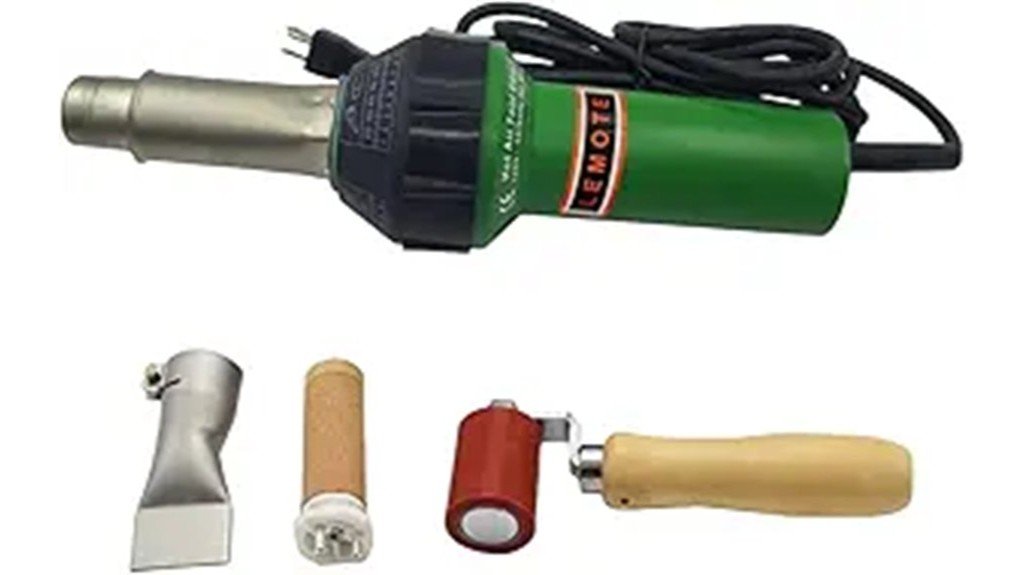
Begin by preparing a clean, well-ventilated workspace and laying out tools and materials: precut 14K gold chips (1.5 x 1.5 mm, 0.5 g pack), a fine-tipped torch, appropriate flux, tweezers, pickle solution, and a heatproof soldering block.
The practitioner follows safety precautions: goggles, respirator, heat-resistant gloves, and clear ventilation.
Which soldering techniques work best? Use low flame, preheat piece to ~730°C (1325°F), apply flux, touch chip briefly until flow occurs.
Cool, pickle to remove scale, then clean and polish.
Measurements: chip size noted, torch distance ~10–15 mm.
Notes: practice on scrap first.
Pros, Cons, and Ideal Projects for 14K Gold Solder
Having completed safe setup and basic technique, it helps to assess where 0.5 g precut 14K gold chips excel and where they fall short.
The pros: precise 1.5×1.5mm chips, low melt at 1325°F/730°C, smooth flow, professional finish, ideal for jewelry repairs and delicate joins.
The cons: limited quantity per chip (0.5 g), not cost-effective for large seams, requires torch control.
Application techniques? Use small flame, steady heat, flux, and touch placement.
Project inspirations? Ring sizing, chain repair, small inlay, electronic contact fixes.
Measurements, tools, and patience determine success.
Frequently Asked Questions
Will This Solder Match Different Karat Gold Alloys Visually?
It will generally blend with other 14K pieces but may not perfectly match different karat gold alloys; color matching depends on alloy compatibility, so users seeking creative freedom should test and adjust alloys or finishes to achieve desired liberation.
Can It Be Used on Hollow or Porous Jewelry Pieces?
Yes. The product can be used on hollow jewelry and porous materials, though caution is advised: practitioners should test on scrap, control heat to avoid collapse or seepage, and embrace liberated creativity through careful, informed experimentation.
Is the Solder Hypoallergenic or Nickel-Free?
No — the solder composition may include trace alloys; it is not guaranteed nickel-free, so allergy reactions remain possible. The speaker urges liberated makers to verify alloy specs or seek certified nickel-free alternatives before use.
How Should Leftover Solder Chips Be Stored or Disposed?
Leftover solder chips should be kept sealed in labeled, airtight containers for solder storage, empowering makers to reuse responsibly; for solder disposal, follow local hazardous-waste guidelines, recycling programs, or metal recovery services to reclaim value.
Can This Solder Be Laser Welded Instead of Torch-Soldered?
Against the grain, it can: laser welding techniques may join 14K solder, but results vary. Proper soldering equipment, settings, and skill free the maker; test first, control heat, and expect different flow and color than torch work.
Conclusion
14K gold solder proves a reliable choice for DIY jewelry work: low melt point (~1325°F / 730°C), precut 1.5 × 1.5 mm chips for precise placement, and good strength for rings, chains, and small repairs. How to use it? Clean joints, apply flux, heat evenly until flow, cool and pickling follow. Pros and cons? Excellent flow and durability versus limited color-matching options. Like a steady hand, it brings professional results to home workshops.