
Disclosure: As an Amazon Associate, we earn from qualifying purchases. If you click a link on this page and make a purchase, we may receive a small commission at no extra cost to you.
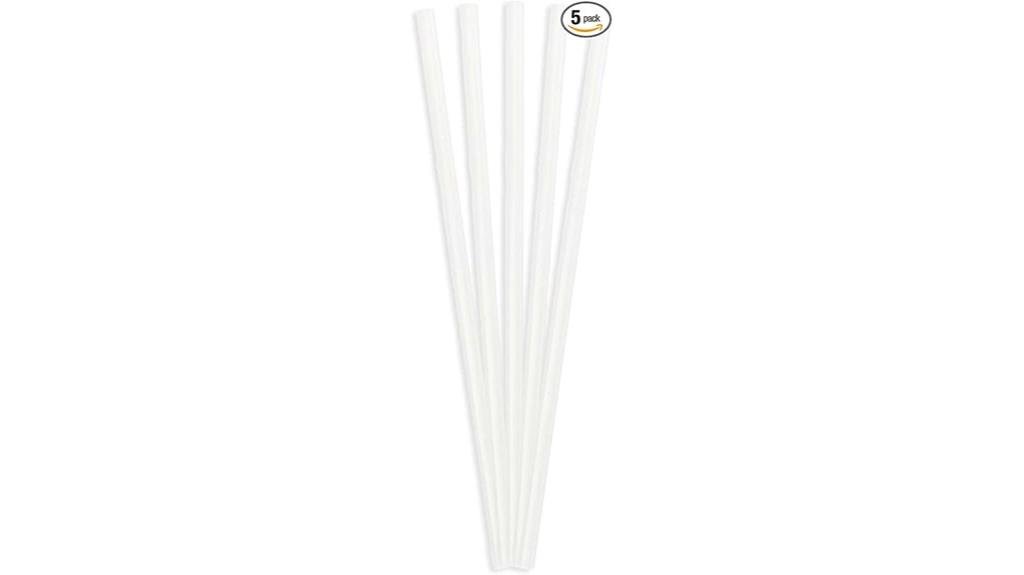
A cracked plastic water tank or damaged ATV fender often leads people to consider expensive full replacements. The Poly Welder Pro LDPE Welding Strips offer a practical alternative for making durable, at-home repairs on polyethylene parts. This review examines whether these five natural-colored strips deliver reliable results when used with a standard soldering iron or heat gun, and who gets the most value from them.
Our Verdict
Rating: 8/10
Best For: DIYers and homeowners who already own a soldering iron or heat gun and need to repair cracked LDPE polyethylene tanks, fenders, overflow bottles, or small watercraft hulls on a budget.
Bottom Line: These 12-inch LDPE strips create strong fusion welds on compatible polyethylene surfaces when the area is properly prepped and heated. They provide good value for occasional repairs but come only in natural color and work best on LDPE rather than HDPE.
| Specification | Detail |
|---|---|
| Brand | Poly Welder Pro |
| Product | LDPE Welding Strips (5-pack) |
| Strip Dimensions | 12 inches long × 3/8 inch wide × 1/16 inch thick |
| Material | LDPE (Low-Density Polyethylene) |
| Color | Natural (off-white) |
| Quantity | 5 strips per pack |
| Melt Temperature | 110–130°C (230–266°F) |
| Best Used On | LDPE polyethylene parts (water tanks, fenders, overflow bottles, small hulls) |
| Tool Required | Soldering iron or heat gun (not included) |
What Is the Poly Welder Pro?
The Poly Welder Pro consists of five natural LDPE welding strips designed for repairing polyethylene plastic parts. Each strip measures 12 inches long, 3/8 inch wide, and 1/16 inch thick, making them suitable for bridging common cracks, seams, and small holes without extensive trimming. The product targets DIYers and light commercial users who need an affordable way to fix flexible or liquid-holding components instead of replacing them.
These strips stand out because they are made from the same LDPE family as many outdoor tanks, fenders, and bottles. When heated correctly, the strip fuses directly with the base material to form a flexible, leak-resistant bond rather than relying on surface adhesives that can fail over time. This material match is especially useful on parts that experience vibration, flexing, or temperature changes.
Users typically apply the strips with a standard soldering iron or heat gun set in the 110–130°C range. The process requires surface cleaning and roughening for best results, followed by steady pressure while the materials cool and set.
Who It’s For
- DIY homeowners and farmers who need to repair cracked polyethylene water tanks, radiator overflow bottles, or ATV and dirt bike fenders without buying costly replacements.
- Anyone who already owns a soldering iron or heat gun and wants an inexpensive supply of welding strips for occasional polyethylene repairs.
- Small-scale plastic fabricators or maintenance techs performing seam reinforcement, pinhole sealing, or crack bridging on LDPE parts.
Who Should Skip It
- Users who need welding rods in black or colored finishes to match existing parts, since these strips come only in natural color.
- People working primarily with HDPE (high-density polyethylene) — welds can be weaker and require testing on a small area first.
- Anyone looking for a complete plastic welding kit that includes the heating tool, as this product supplies strips only.
How to Use LDPE Welding Strips Effectively
Success with these strips depends heavily on surface preparation. Clean the repair area thoroughly with isopropyl alcohol to remove dirt, oil, and residue. Then roughen the surface with 80-grit sandpaper to create texture for the molten LDPE to grip. Wipe away all dust before applying heat.
Set your soldering iron or heat gun to approximately 110–130°C. Position the strip over the crack or seam and move the heated tip along the strip in slow, overlapping passes. Keep the strip in contact with the base material and use a flat tool or putty knife to press it down firmly as it fuses. For wider cracks, apply slight overlap on each pass to build coverage.
Allow the weld to cool for at least 10 to 15 minutes before handling or stressing the part. Trim any excess material with a sharp knife or flush cutters once fully cooled. Always work in a well-ventilated area, as melting polyethylene can release fumes.
How the Poly Welder Pro Performs in Real Use
On Plastic Water Tanks
For seam reinforcement or crack bridging on common polyethylene tanks from brands like Norwesco, Poly-Mart, or Snyder, the 12-inch strip length covers most single-pass vertical or horizontal repairs. Proper cleaning and 80-grit roughening produce a flexible bond that holds up to minor tank flexing and temperature swings. Pinholes can be patched with a short piece overlapping the hole by at least half an inch on each side.
On ATV and Dirt Bike Fenders
Cracked fenders that flex during rides benefit from the LDPE-to-LDPE fusion. The strip width handles typical impact cracks well when the area is prepped and the weld is pressed flat while cooling. The natural color shows on black fenders, so cosmetic finishing with primer and flexible paint may be desired after the repair sets.
For Overflow Bottles and Small Hulls
Windshield washer bottles, radiator overflow tanks, and small watercraft or kayak hulls see reliable results when the strips are applied along seams or damaged areas. The material match helps maintain flexibility in parts that experience vibration or minor expansion. Full cure time before pressure testing remains important for leak-free performance.
Pros and Cons
Pros
- Strip dimensions (12″ × 3/8″ × 1/16″) fit most standard cracks and holes with little trimming needed.
- LDPE material creates a true fusion weld with polyethylene surfaces for strong, flexible, leak-resistant repairs.
- Five strips per pack deliver enough material for multiple repairs at a low cost per fix.
- Compatible with common DIY tools — no special welding gun required.
Cons
- Available only in natural color, which stands out on black or colored plastic parts.
- Optimized for LDPE; HDPE welds may be weaker and require test spots first.
- No welding tool included — you must already own a soldering iron or heat gun.
Is It Worth the Price?
The Poly Welder Pro strips sit in the budget-friendly tier for plastic repair consumables. They deliver solid value when you already have a heat source and face occasional repairs on polyethylene tanks, fenders, or bottles. The cost of five strips is typically far lower than replacing a damaged tank or fender, especially on older equipment or vehicles.
Buyers who perform multiple small repairs or want to keep a supply on hand for future needs will appreciate the pack size. Those who only need one or two fixes may still find it economical compared with professional repair services or full part replacement. The main tradeoff remains the natural color and the requirement for proper surface prep and tool ownership.
How It Compares to Alternatives
If you need a color-matched repair on visible black parts, consider aftermarket colored LDPE or polypropylene welding rods from other suppliers. For a complete solution that includes the heating tool, plastic welding kits with integrated guns offer more convenience but at a higher upfront cost. Epoxy or adhesive patches work for non-flexing, non-liquid applications but generally do not match the flexibility and longevity of a proper fusion weld on polyethylene. The Poly Welder Pro remains a strong choice for budget-conscious users focused on functional LDPE repairs rather than cosmetics or one-time convenience.
Frequently Asked Questions
Are These Strips Safe for Potable Water Tanks?
The Poly Welder Pro strips are not certified as food-safe or NSF-rated. Do not use them on tanks that store drinking water without first confirming compliance with your local safety standards. They perform well for non-potable applications such as irrigation tanks or overflow bottles.
Can I Paint Over the Repaired Area?
Yes. Sand the cooled weld smooth, clean the surface, and apply a plastic-bonding primer before painting. Use a flexible paint formulated for plastics so the finish does not crack when the part flexes. The natural color of the strips will not bleed through a properly primed and painted surface.
Do These Strips Need a Primer for Better Adhesion?
No primer is required for the weld itself. LDPE fuses directly to polyethylene through heat. The critical factors for a strong bond are thorough surface cleaning, proper roughening with 80-grit sandpaper, and correct heat control during application.
What’s the Shelf Life of Unused Strips?
LDPE strips have no fixed expiration date when stored properly. Keep them in a cool, dry location away from direct sunlight and solvents. Inspect older strips for brittleness or discoloration before use and discard any that show signs of degradation.
Do These Work on HDPE, or Only LDPE?
They are optimized for LDPE. HDPE has a higher melt point and different molecular structure, so welds on HDPE can be weaker. Test on a small, inconspicuous area first if you are unsure of your plastic type. Most outdoor tanks, fenders, and bottles are LDPE rather than HDPE.
The Bottom Line
The Poly Welder Pro LDPE Welding Strips earn an 8/10 rating as a practical, low-cost solution for DIY polyethylene repairs. They deliver reliable fusion welds on tanks, fenders, and bottles when users follow proper prep and heating steps. The product works best for people who already own a soldering iron or heat gun and accept the natural color limitation. If you have cracked LDPE parts that need fixing without a full replacement, these strips offer a smart, effective option worth trying.
Ready to Buy?

[…] packs, and compatible rain gear. Its clear, flexible formula is useful for seam sealing and small repairs, but its narrow material compatibility makes it a poor general-purpose fabric glue. This review […]