Disclosure: As an Amazon Associate, we earn from qualifying purchases. If you click a link on this page and make a purchase, we may receive a small commission at no extra cost to you.
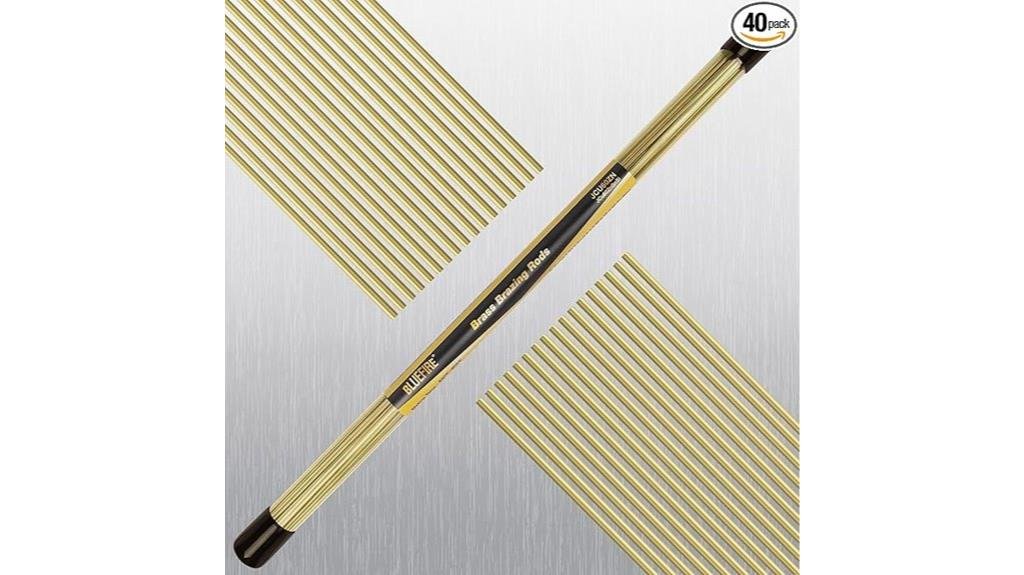
Repairing broken metal components requires a filler rod that flows smoothly without leaving weak joints or excessive slag. The BLUEFIRE 40 pcs 1/2 lb Bare Brass Brazing Rods offer an accessible solution for copper, brass, steel, and cast iron repairs. Featuring a copper-zinc-tin-silicon composition, these 1/16-inch rods provide up to 37,700 PSI of tensile strength when applied with proper heat and flux. This review breaks down temperature requirements, compatibility limits, and practical brazing tips to help you decide if these rods fit your shop or DIY project needs.
Quick Verdict
Rating: 9.4/10 — Highly Recommended for General Repair
Best For: DIYers, maintenance mechanics, and metalworkers working on copper, brass, steel, or cast iron fabrications.
Bottom Line: These rods deliver exceptional tensile strength (37,700 PSI) and smooth flow characteristics across multiple metals. However, they require external flux and precise torch control due to a working temperature around 1724°F.
| Specification | Detail |
|---|---|
| Brand | BLUEFIRE |
| Product Type | Bare Brass / Bronze Brazing Rods |
| Alloy Composition | Copper (Cu), Zinc (Zn), Tin (Sn), Silicon (Si) |
| Rod Dimensions | 1/16 inch diameter x 14 inches long (1.6 mm x 355 mm) |
| Package Quantity / Weight | 40 pieces per tube / 0.5 lb (8 oz) total weight |
| Melting Temperature Range | 1634°F to 1661°F (890°C to 905°C) |
| Optimal Working Temperature | Approximately 1724°F (940°C) |
| Tensile Strength | Up to 37,700 PSI |
| Recommended Flux | BLUEFIRE JFB-102 or JFB-102S Borax-Based Brazing Powder |
| Torch Gas Compatibility | Oxygen-Acetylene, MAPP, MAP-Pro, High-Output Propane |
What Are the BLUEFIRE Bare Brass Brazing Rods?
The BLUEFIRE 1/16″ x 14″ Bare Brass Brazing Rods are general-purpose copper-alloy filler metals designed for joinery and repair across similar and dissimilar metals. Formulated with tin and silicon alongside copper and zinc, this alloy is engineered to flow readily into joint clearances via capillary action, producing dense, clean fillets with low fuming compared to standard brass rods.
Packaged in a protective 40-piece storage tube weighing 0.5 lb, these bare rods contain no integrated flux coating. They are tailored for users who prefer custom flux application or dipping rods directly into brazing powder during work. The 1/16-inch thin diameter makes them versatile for fine repairs on thin-walled tubing, carburetor bodies, lawn equipment housings, and delicate metal art without applying excessive filler volume.
Who Should Buy It?
Best For
- DIY repairers working on copper pipes, brass fittings, and steel brackets.
- Small engine mechanics repairing cast iron or aluminum-clad components.
- Metal fabricators needing strong joints (up to 37,700 PSI) without specialized arc welding gear.
Skip If
- You require pre-fluxed, flux-coated rods for single-step, low-mess operation.
- You are working on potable water lines requiring lead-free certified plumbing solder.
- You only have a small, standard butane pencil torch that cannot maintain 1700°F+.
Feature-by-Feature Review
Alloy Composition and Metallurgical Strength
The performance of any brazing rod depends entirely on its chemical matrix. BLUEFIRE combines copper and zinc with trace tin and silicon. The addition of tin enhances corrosion resistance and fluidity, allowing the molten metal to wet base metals quickly. Silicon acts as a deoxidizing agent, minimizing zinc vaporization (fuming) and preventing internal porosity in the finished joint. Yielding a ultimate tensile strength up to 37,700 PSI, repairs made with these rods can withstand high structural vibration, mechanical pressure, and thermal stress.
Thermal Profile and Heat Source Compatibility
With a melting range of 1634°F to 1661°F (890°C to 905°C), these rods require higher operational heat than soft silver solders or aluminum repair wires. Achieving ideal flow and capillary draw requires bringing the base metal to an optimal working temperature near 1724°F (940°C), where the base metal shows a dull red glow. Consequently, oxygen-acetylene setups, MAPP torches, or MAP-Pro fuel systems are ideal. Standard propane torches can be used on small, thin items but may struggle to heat thicker steel or cast iron parts fast enough to prevent excessive oxidation.
Pro Tip: When brazing thicker steel or cast iron, preheat a wider surrounding area around the joint with your torch flame before concentrating heat directly on the seam. This prevents premature freezing of the filler alloy and ensures deep penetration.
Flux Requirement and Flow Control
Because these are bare rods, applying a separate flux is required to dissolve surface oxides and allow proper wetting. BLUEFIRE recommends pairing these rods with borax-based powders such as JFB-102 or JFB-102S. Heating the end of the 1/16″ rod with your torch tip and dipping it into the powder allows the flux to stick to the rod easily. When applied correctly, the alloy spreads smoothly, filling tight joint gaps (recommended 0.002″ to 0.005″ clearance) and forming clean, consistent fillets that need minimal post-braze grinding.
Before You Buy: These rods are bare metal and do not contain flux coatings. You must purchase brazing flux separately (such as BLUEFIRE JFB-102) to achieve proper adhesion on steel, brass, or copper.
How It Performs in Real Use
1. HVAC and Automotive Copper/Brass Repairs
For copper-to-brass or copper-to-steel connections, the 1/16-inch diameter offers exceptional control. The thin rod allows operators to meter precise amounts of filler without overloading small fittings. Under MAPP gas heat, the metal flows predictably into capillary gaps, sealing high-pressure lines and carburetor bowls effectively against leaks.
2. Lawn Mower and Equipment Housing Fixes
Cracked lawn mower decks, cracked engine casings, and steel mounting brackets benefit directly from the 37,700 PSI rating. The repair alloy absorbs engine vibration and impact without cracking along the heat-affected zone, provided the base steel is thoroughly cleaned of rust and paint prior to heating.
3. Cast Iron Patching and Marine Fabrications
Braze-welding cast iron using BLUEFIRE rods reduces the thermal shock associated with traditional stick welding, preventing stress cracks in cast iron housings or pump bodies. Similarly, on aluminum-clad boat fixtures or steel fittings, the corrosion-resistant copper-zinc-tin formulation holds up well in outdoor environments.
Practical Usage and Step-by-Step Tips
Achieving strong, leak-proof joints with bare brass rods depends heavily on surface preparation and temperature management. Follow this sequence for optimal results:
| Step | Action | Purpose & Best Practice |
|---|---|---|
| 1 | Clean Base Metal | Grind or sand joint surfaces down to bright, bare metal. Remove all grease, paint, and scale. |
| 2 | Apply Flux | Coat joint surfaces with a thin paste of JFB-102 flux (0.5–1.0 mm) to prevent oxidation upon heating. |
| 3 | Preheat Joint evenly | Heat the base metal until it reaches ~1724°F (dull red color). Heat the base metal, not the rod directly. |
| 4 | Feed Rod & Cool | Touch the rod to the hot joint to let base heat melt the alloy. Allow to cool slowly, then rinse off glass-like flux residue with warm water. |
Material Safety and Handling Notes
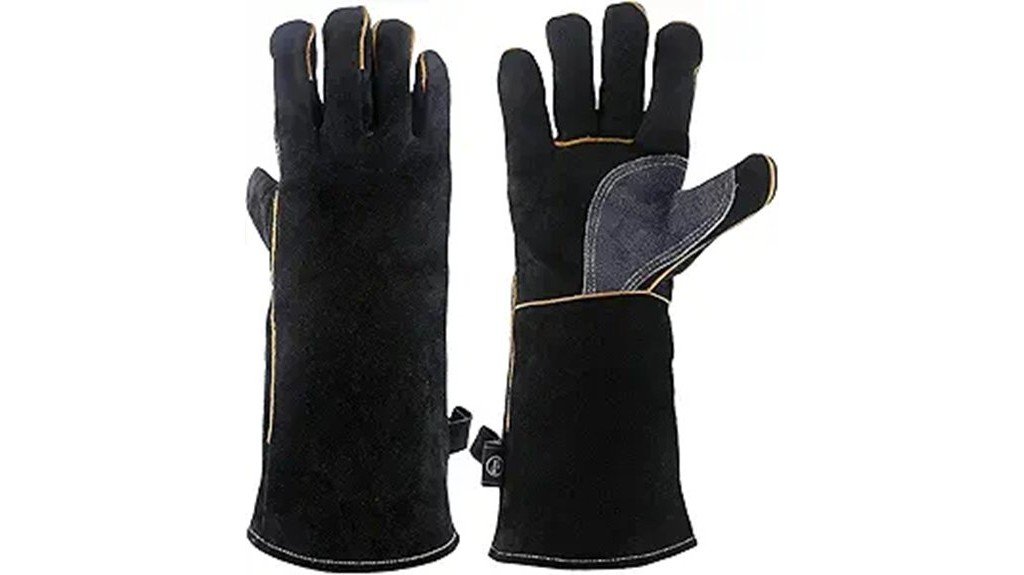
While BLUEFIRE bare brass rods list no lead content in their alloy formulation, working with high-temperature copper and zinc alloys requires standard workshop precautions. Heating zinc near its boiling point can produce zinc oxide fumes. Always braze in well-ventilated areas or use an active fume extraction system. Wearing protective safety glasses, heat-resistant leather gloves, and a NIOSH-approved dust/fume respirator is strongly recommended during all heating and post-cleaning operations.
Pros and Cons
Pros
- High tensile strength (up to 37,700 PSI) for durable structural fixes.
- Versatile adhesion across brass, bronze, copper, steel, and cast iron.
- Thin 1/16″ diameter enables precise feed control on delicate repairs.
- Silicon and tin additive formulation reduces zinc fuming and improves wetting.
- Generous 40-piece (0.5 lb) tube pack offers high cost efficiency per rod.
Cons
- Requires purchasing and applying separate chemical brazing flux.
- Relatively high melting point (1634°F+) requires MAPP or Oxy-Acetylene torches.
- Post-braze cleaning is necessary to remove hardened flux scale.
Is It Worth the Price?
The BLUEFIRE 40-piece bare brass rod package represents a strong value for home mechanics, fabricators, and maintenance shops. Containing 40 individual 14-inch rods per half-pound tube, the cost per rod is significantly lower than purchasing small 3-pack or 5-pack retail cards at local hardware stores.
Because these are bare rods rather than flux-coated rods, they do not spoil or degrade during long-term storage in humid shop environments. As long as you maintain a pot of brazing flux nearby, this single tube provides enough material for dozens of routine repairs, making it a very economical addition to any welding cart or service truck.
How It Compares to Alternatives
When selecting brazing and soldering alloys, understanding how brass rods compare to silver or aluminum alternatives helps narrow down the right tool for the job:
- Compared to Flux-Coated Bronze Rods: Flux-coated rods eliminate the need to buy separate powder, making them faster for quick emergency fixes. However, coated rods are typically thicker (1/8″), cost more per rod, and the brittle flux coating can flake off inside toolbags. BLUEFIRE bare rods last indefinitely in storage and allow fine control over flux volume.
- Compared to Silver Solder (45% Ag): Silver solders melt at lower temperatures (~1200°F–1300°F) and exhibit superior capillary action on tight stainless steel fittings. However, silver alloys are drastically more expensive. BLUEFIRE brass rods provide comparable tensile strength on general steel and copper at a fraction of the raw material cost.
- Compared to Low-Temp Aluminum Repair Rods: Aluminum repair rods melt around 700°F–750°F and are intended solely for aluminum-to-aluminum joints. BLUEFIRE brass rods require much higher heat (~1700°F) but can join multiple dissimilar metals including iron, steel, brass, and copper.
Frequently Asked Questions
Are these rods safe for food-contact or drinking water plumbing?
No. These brass brazing rods are not certified lead-free under NSF/ANSI standards for potable water systems or direct food-contact surfaces. For drinking water lines, use certified lead-free silver solder or copper-phosphorus (Sil-Fos) rods designed specifically for potable plumbing.
Can I cut or bend the rods without affecting their performance?
Yes. You can bend or cut these 1/16-inch rods to custom lengths or angles using wire cutters without damaging the alloy. Because there is no outer flux shell to crack, cutting or reshaping the bare rod will not affect its melting behavior or joint strength.
Do these brazing rods contain lead or toxic heavy metals?
The core composition consists of copper, zinc, tin, and silicon, with no added lead. However, proper safety precautions should always be taken when heating copper-zinc alloys, as inhaling zinc oxide fumes produced by overheating can cause temporary flu-like symptoms.
What torch gas should I use with these brazing rods?
For optimal flow, use MAPP, MAP-Pro, or an Oxygen-Acetylene setup. While small propane torches can work on very light gauge copper wire or thin brass sheet, propane generally struggles to bring steel or cast iron up to the required 1724°F working temperature.
What type of flux is recommended for BLUEFIRE bare rods?
A high-temperature borax-based brazing flux is required. BLUEFIRE recommends their JFB-102 or JFB-102S brazing powder. You can dip the heated end of the rod into the dry powder or mix the powder with a few drops of water to form a brushable paste on the joint.
Can I use these rods in furnace or vacuum brazing?
These rods are primary designed for torch brazing. Due to the high zinc content in brass alloys, zinc can vaporize under vacuum conditions, contaminating vacuum furnace chambers. Controlled atmosphere or specialized low-zinc filler metals are preferred for vacuum furnace applications.
How should leftover rods be stored or disposed of?
Store leftover rods in their original plastic tube in a dry area to prevent surface tarnishing. Unused scraps or bent off-cuts consist of solid copper-zinc alloy and can be recycled directly through standard local scrap metal recycling programs.
The Bottom Line
The BLUEFIRE 40 pcs 1/2 lb Bare Brass Brazing Rods deliver outstanding mechanical strength, low fuming, and smooth fluidity across a wide variety of base metals. While you must supply your own borax flux and use a high-output torch fuel like MAPP or Acetylene, the resulting 37,700 PSI joints make these rods a reliable staple for general metal repair and shop fabrication.
Ready to Buy?
Check current pricing and complete product details on Amazon before starting your next repair project.