Disclosure: As an Amazon Associate, we earn from qualifying purchases. If you click a link on this page and make a purchase, we may receive a small commission at no extra cost to you.
Hicarer Aluminum to Copper Brazing Rods Review
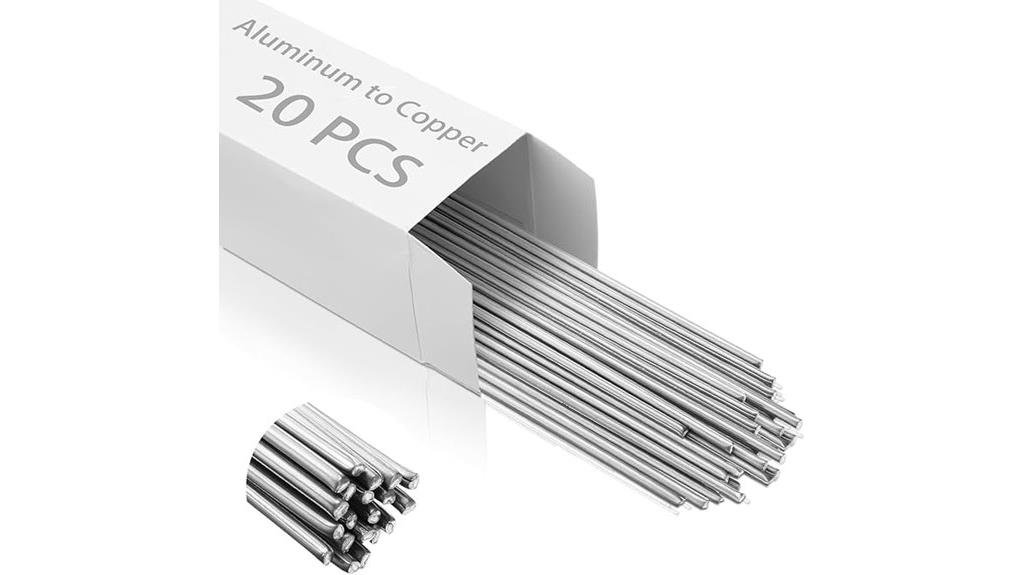
Joining aluminum to copper can be frustrating because the two metals heat, oxidize, and flow differently. The Hicarer Aluminum to Copper Brazing Rods give you a 20-piece low-temperature kit designed for AC, appliance, automotive, household, and light fabrication repairs.
This review looks at the rod size, 390-450°C melting range, copper-aluminum material blend, handling, safety needs, and real project fit. By the end, you should know whether this kit is worth buying for small mixed-metal repairs or whether you need a more specialized brazing alloy.
Our Verdict
Rating: 7.5/10
Best For: DIYers, HVAC repair techs, and workshop users who need short low-temperature rods for small aluminum-to-copper joints.
Bottom Line: You get 20 compact rods with a low 390-450°C melting range, which helps reduce heat input on delicate mixed-metal repairs. You give up beginner-proof convenience because clean metal, compatible flux, careful torch control, and ventilation still matter.
| Specification | Detail |
|---|---|
| Brand | Hicarer |
| Product Name | 20 Pcs 7.87 Inches Aluminum to Copper Brazing Rods |
| ASIN | B0D9N4DV53 |
| Part Number | 9N4DV53 |
| Quantity | 20 rods |
| Rod Length | 7.87 inches / 20 cm |
| Rod Diameter | 0.09 inch / 0.24 cm |
| Material | Copper and aluminum alloy blend |
| Melting Range | 390-450°C |
| Listed Item Weight | 1.5 lb / 680 g |
| Intended Uses | Appliance repair, air conditioner repair, car repair, household repairs, art projects, and light manufacturing tasks |
| Included Accessories | 20 brazing rods only, no separate flux or torch listed |
What Are the Hicarer Aluminum to Copper Brazing Rods?
The Hicarer kit is a 20-piece set of copper-aluminum brazing rods made for joining or repairing aluminum and copper surfaces. Each rod measures 7.87 inches long and 0.09 inch in diameter, so you get short, easy-to-handle sticks rather than long shop-length rods.
The headline feature is the 390-450°C melting range. That lower working range helps you use less heat than many high-temperature brazing materials, which can reduce warping on thin AC tubing, appliance parts, small brackets, or hobby metalwork.
This is not a complete repair system by itself. You still need a suitable torch, clean metal, proper joint fit, compatible flux, eye protection, gloves, respiratory protection, and good ventilation before you start heating copper or aluminum.
Key Takeaways
- The kit includes 20 Hicarer brazing rods, each 7.87 inches long and 0.09 inch in diameter.
- The copper-aluminum material blend is intended for aluminum-to-copper repairs, including AC, appliance, automotive, and household tasks.
- The 390-450°C melting range keeps heat input lower than many traditional brazing jobs, which helps with thin parts.
- The rods are better for small repairs and practice sessions than large structural or high-load joints.
- You should plan on careful cleaning, compatible flux, and a controlled torch technique for reliable wetting.
Who Should Buy It?
Who It’s For
- DIY repair users who need 20 short rods for small aluminum-to-copper joints on appliances, AC parts, or light household metalwork.
- HVAC and refrigeration helpers who already understand cleaning, flux use, and heat control on copper and aluminum surfaces.
- Hobby metalworkers who want a low-temperature 390-450°C rod for practice joints, art pieces, and non-structural shop repairs.
Who Should Skip It
- First-time torch users who have never cleaned, fluxed, heated, or tested a brazed joint on scrap material.
- Anyone repairing load-bearing, pressure-critical, or safety-critical parts without a qualified technician checking the result.
- Users who need a complete kit with flux, brush, instructions, clamps, or a torch included in the package.
Performance and Ease of Use
Design and Handling
The 7.87-inch length gives you enough rod to feed into a joint while still keeping the stick easy to store in a drawer, toolbox, or small parts bin. At 0.09 inch in diameter, the rod is slim enough for small joints where a thicker filler would feel clumsy.
That compact size works best when you are repairing thin material or building a small bead around a prepared joint. For larger gaps, broad seams, or heavy stock, the short 20 cm rod length may feel limiting because you can consume material quickly.
Material and Joint Quality
The rods use a copper and aluminum material blend, which is the key reason they target aluminum-to-copper repairs. That makes them different from all-aluminum rods or copper-phosphorus alloys that are aimed at narrower metal pairings.
The material can create useful joints when the surfaces are clean and the heat is controlled. Oxidation is the main enemy here, so sanding, degreasing, and applying compatible flux can matter as much as the 390-450°C melting range.
Heat Control
The 390-450°C melting range is the main buying reason for this Hicarer kit. Lower heat input helps protect thin aluminum, delicate appliance components, and small AC repair areas from unnecessary distortion.
You still need to heat the base metal, not just melt the rod in the flame. If you overheat the joint, aluminum can distort quickly, and if you underheat it, the filler may bead up instead of flowing into the seam.
Surface Prep and Flux
These rods are not a shortcut around basic brazing prep. You should clean the aluminum and copper surfaces until they are bright, remove oil or dirt, and use flux that is compatible with the metals and the filler rod.
Flux is especially important because aluminum oxidizes fast when heated. The original product discussion also points out that fluxless success is unlikely on oxidized surfaces, so you should treat flux as part of the job rather than an optional extra.
How It Performs in Real Use
For AC and Appliance Repairs
The 390-450°C melting range makes the Hicarer rods useful for small AC and appliance repairs where overheating can damage nearby thin metal. The 0.09-inch diameter helps you place filler into a narrow joint, but you still need a clean surface and a steady flame.
For Automotive and Workshop Tasks
For light automotive brackets, small mixed-metal fixes, or non-critical shop repairs, the 20-piece quantity gives you room to practice before touching the actual part. The rods are not the right choice for suspension parts, high-pressure systems, or repairs where failure could create a safety risk.
For Hobby and Art Projects
The 7.87-inch rod length is convenient for hobby builds, practice coupons, and art pieces that involve copper and aluminum accents. You can cut a rod into shorter pieces with proper eye and hand protection, which helps reduce waste on tiny joints.
Pros and Cons
Pros
- 20 rods give you enough material for practice joints and several small repairs.
- 7.87-inch length is compact, easy to store, and manageable for tight work areas.
- 0.09-inch diameter helps with controlled filler placement on narrow seams.
- 390-450°C melting range reduces heat input on thin aluminum and copper parts.
- Copper-aluminum blend is aimed at mixed-metal repairs rather than only one base metal.
Cons
- No flux, torch, brush, clamps, or safety equipment are listed as included.
- Requires clean metal and careful torch control, so it is not ideal for total beginners.
- Not a smart choice for structural, high-load, or pressure-critical repairs without expert review.
Applications, Quantity, and Value
Is It Worth the Price?
The value case is strongest if you need multiple small aluminum-to-copper joints rather than one quick experiment. A 20-piece pack gives you enough rods to practice on scrap, refine your heat control, and still keep material for the final repair.
The kit sits in the practical DIY and light-workshop category. It offers strong value for the price when you already own a torch, flux, cleaning tools, and safety gear, but it becomes less convenient if you need to buy every accessory separately.
You get the most value if your repairs are small, non-structural, and repeatable. For one critical repair on an expensive appliance or pressure system, paying a qualified technician may be the safer investment.
How It Compares to Alternatives
If you mainly repair all-aluminum items such as windows, gutters, doors, or siding, Bernzomatic AL3 Aluminum Brazing and Welding Rods are a more focused aluminum repair option. If you work mostly on copper HVAC or refrigeration joints, Harris Stay-Silv 15 is a recognized phos-copper-silver brazing alloy for copper applications.
HTS-2000 is another alternative for non-ferrous metal repair, including aluminum, cast aluminum, zinc, copper, bronze, and brass. The Hicarer kit remains the more targeted choice when your main need is small aluminum-to-copper repair work in a compact 20-rod pack.
Frequently Asked Questions
Can the Hicarer rods join aluminum directly to copper?
Yes, the product is designed for aluminum-to-copper brazing and repair work. The result depends on surface cleaning, joint fit, flux compatibility, and controlled heating more than the rod alone.
Do these rods work without flux?
You should not count on fluxless brazing with these rods, especially on oxidized aluminum or older copper. Use compatible flux and clean the surfaces until they are bright before you apply heat.
What torch temperature do you need?
The rod’s listed melting range is 390-450°C, so your heat source needs enough control to bring the joint area into that range. Heat the base metal evenly and avoid blasting the rod directly in the flame.
Are these rods good for beginners?
They are approachable for users who already understand basic torch safety and metal prep. A true beginner should practice on scrap pieces first because aluminum can distort and oxidize quickly under heat.
Can you use them for AC or refrigerator repairs?
The product title and listing use cases include air conditioner and appliance repair. For sealed, pressure-bearing, or refrigerant-related repairs, you should follow local rules and use a qualified technician when safety or code compliance is involved.
How should you store the rods?
Keep the rods dry, sealed, and away from heavy humidity. A cool storage area around 10-25°C helps reduce corrosion risk and keeps the rods ready for future repairs.
The Bottom Line
The Hicarer Aluminum to Copper Brazing Rods earn a 7.5/10 because they offer a useful 20-piece quantity, compact 7.87-inch rods, and a low 390-450°C melting range for small mixed-metal repairs. They are best for prepared DIYers, HVAC helpers, and hobby users who already own the right torch, flux, cleaning tools, and safety gear.
You should skip this kit if you need a beginner-complete package or a filler rod for structural, high-load, or pressure-critical work. For small aluminum-to-copper joints where low heat and compact rod size matter, it is a practical buy with clear limits.
Ready to Buy?