Disclosure: As an Amazon Associate, we earn from qualifying purchases. If you click a link on this page and make a purchase, we may receive a small commission at no extra cost to you.
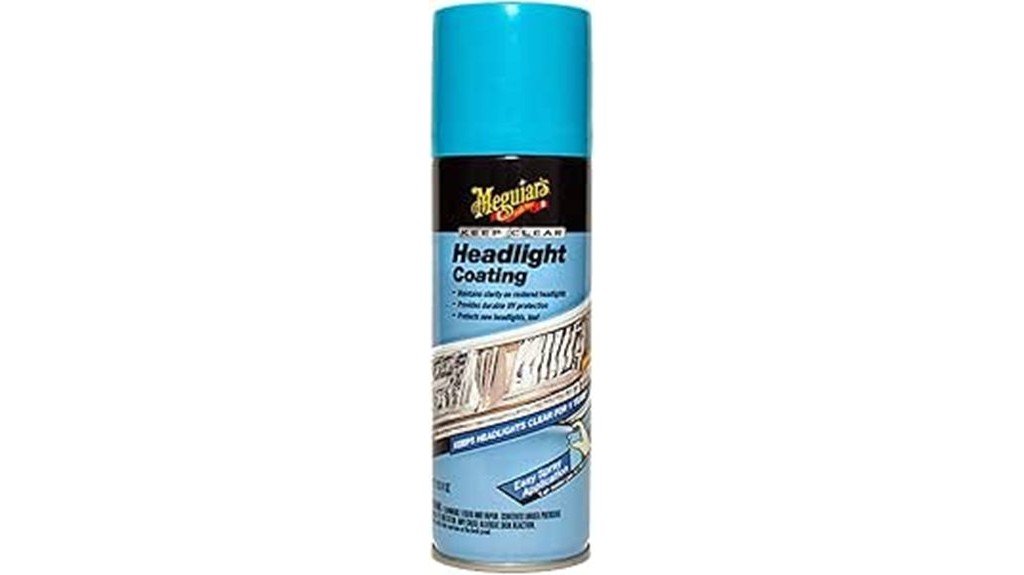
Restoring cloudy headlights takes time, so the next question is how to keep the clear finish from fading again. Meguiar’s Keep Clear Headlight Coating is a 4-ounce aerosol made to protect headlights that are new, clean, or recently restored. It offers a simple way to add UV, haze, and discoloration protection without repeating a full polishing process. Its main limitation is equally clear: it protects an acceptable lens surface, but it does not remove deep oxidation, scratches, or existing yellowing.
Quick Verdict
Rating: 8.1/10, Recommended with caveats
Best For: Drivers with new, cleaned, or recently restored headlights who want a spray-on protective layer against yellowing and haze.
Bottom Line: Meguiar’s Keep Clear Headlight Coating is a practical finishing step when your lenses are already clear. It is not a substitute for sanding, polishing, or restoration when the plastic is still rough, yellow, or heavily oxidized.
| Specification | Detail |
|---|---|
| Brand | Meguiar’s |
| Product name | Keep Clear Headlight Coating |
| Product type | Protective automotive headlight coating |
| Container format | 4-ounce aerosol spray |
| Best use | New, cleaned, polished, or recently restored headlights |
| Protection focus | Helps guard against UV exposure, yellowing, hazing, discoloration, and environmental contaminants |
| Claimed protection period | Up to one year, depending on preparation, application, exposure, and maintenance |
| Application distance | About 6 to 8 inches from the lens for a uniform coat |
| Required preparation | Clean and dry the lens, remove residue, and mask nearby paint and trim |
| Main limitation | Does not correct heavy oxidation, deep scratches, roughness, or existing yellowing |
| Storage and safety | Store in a cool, dry place away from sunlight, heat, sparks, flame, and children |
What Is Meguiar’s Keep Clear Headlight Coating?
Meguiar’s Keep Clear Headlight Coating is a clear spray-on finish for exterior automotive headlight lenses. The 4-ounce aerosol is intended to help preserve clarity after you clean, polish, or restore a lens, and it can also serve as preventive care on headlights that are still in good condition.
The product focuses on protection rather than correction. Its coating helps slow the return of yellowing, haze, and discoloration, but it cannot level deep scratches or remove an oxidized surface. You get the best value when the lens already looks clear before the first coat goes on.
Key Takeaways
- The coating is best used on new, cleaned, polished, or recently restored headlights.
- Its 4-ounce aerosol format is simpler than a multi-step restoration kit, but masking is still required.
- It helps protect against UV-related yellowing, haze, and discoloration for up to one year.
- Surface preparation controls the result. The lens must be clean, dry, and free of polish or wax residue.
- It will not repair deep scratches, rough plastic, heavy oxidation, or an already-yellow lens.
Who Should Buy It?
Best For
- Drivers who have just restored or polished their headlights and want to protect the clearer finish.
- Owners of newer vehicles who want preventive protection before visible yellowing develops.
- DIY detailers who can clean, mask, spray, and let the coating dry without touching the lens.
Skip If
- Your headlights remain yellow, cloudy, rough, or deeply scratched after cleaning.
- You need a complete kit with sanding, compounding, or polishing steps.
- You cannot protect nearby paint and textured trim from aerosol overspray.
Before You Buy: This product seals and protects the condition you prepare. Restore a cloudy or oxidized lens first, or you may trap haze, compound residue, wax, or uneven marks beneath the coating.
UV Protection and Headlight Clarity
The product’s main job is to help shield a clear lens from UV exposure, yellowing, hazing, discoloration, and road-related contamination. This matters most after restoration because polishing can improve clarity while leaving the exposed lens in need of a protective finish.
The stated protection period is up to one year, not a guaranteed service interval. A vehicle parked outdoors in strong sun may need attention sooner than a garage-kept vehicle. Frequent washing, harsh chemicals, weather, and uneven application can also shorten the useful life of the coating.
The coating can help maintain the clarity you already achieved, but it does not make a weak bulb brighter or repair damaged reflectors. Treat it as lens maintenance, not a lighting-system upgrade.
Aerosol Application and Finish Control
The aerosol design makes it easier to cover curved headlight lenses without rubbing a liquid coating by hand. It also creates an overspray risk, so your preparation area needs to extend beyond the lens edge.
Holding the can about 6 to 8 inches away helps you apply a more uniform coat. Spraying too close can create heavy spots or runs, while spraying too far away can leave a dry, uneven pattern. Follow the product label for coat count, flash time, drying, and handling instructions.
How to Apply It Correctly
A clean lens and controlled spray pattern matter more than speed. Complete any restoration work first, remove leftover compound or wax, and make sure the surface is dry before you begin.
| Step | What to Do | Why It Matters |
|---|---|---|
| Inspect the lens | Check for remaining yellowing, roughness, scratches, or oxidation. | The coating will not correct damage that still needs restoration. |
| Clean and dry | Wash the lens and remove polish, wax, oil, and residue. | Contamination can reduce clarity and create patchy adhesion. |
| Mask a wide area | Cover nearby paint, rubber, trim, grille openings, and body panels. | Aerosol mist can travel beyond the headlight edge. |
| Spray evenly | Apply a uniform coat from about 6 to 8 inches away. | Steady passes help reduce runs, heavy spots, and patchy coverage. |
| Let it dry | Leave the lens untouched and follow the label’s drying directions. | Early contact, water, or wiping can mark the fresh finish. |
Pro Tip: Mask farther than you think the spray will travel. Cover the surrounding bumper, fender, grille, and trim, and avoid applying the coating where wind can carry mist onto other surfaces.
Compatibility and Safety
Use the coating only on exterior headlight surfaces allowed by the product label. Do not assume a headlight coating is suitable for paint, textured trim, interior lenses, windshields, mirrors, or other clear plastics. Test questions about an unusual lens material against the manufacturer’s directions before spraying.
This is an aerosol product, so apply it in a well-ventilated area away from heat, sparks, and open flame. Protect your eyes and skin, avoid breathing spray mist, and keep the can away from children. Store it in a cool, dry place out of direct sunlight.
How It Performs in Real Use
After a Full Headlight Restoration
This is the strongest use case. Once sanding or polishing has removed the damaged surface and the lens is clear, the coating adds a protective finishing step against the return of yellowing and haze. Any sanding dust, polishing oil, or compound residue must be removed first.
On Newer Headlights
On a clear newer lens, the product works as preventive maintenance. It helps protect the original appearance before visible oxidation becomes severe, which can reduce how often you need corrective polishing later.
On Vehicles Parked Outdoors
Outdoor parking increases exposure to sun, weather, and road contamination, so a protective coating can be useful. The up-to-one-year claim may vary with climate and care, so inspect the lenses during routine washes rather than relying only on the calendar.
For Night Driving Maintenance
A clear lens allows the existing lighting system to work without an extra layer of haze blocking the beam. The coating can help maintain that clear surface, but it cannot fix weak bulbs, wiring faults, poor headlight aim, or internal lens damage.
Maintenance and Reapplication
Wash coated headlights with the same care you use on the rest of the vehicle. Avoid aggressive scrubbing or unnecessary abrasive polishing because either can wear away the protective layer.
Check for returning haze, yellowing, patchiness, or reduced water behavior during regular detailing. When protection appears to fade, clean the lens and follow the label before applying another coat. Do not stack fresh coating over dirt, wax, or a failing uneven layer.
Common Mistakes to Avoid
- Coating a damaged lens: Remove heavy oxidation and roughness before applying protection.
- Leaving polish residue: Oils and compound can create cloudy or uneven spots under the coating.
- Masking only the lens edge: Aerosol mist can settle on paint, rubber, and textured plastic farther away.
- Spraying too heavily: Thick passes can run, pool, or dry unevenly.
- Touching the surface too soon: Follow the label’s drying instructions before handling, washing, or wiping the lens.
Pros and Cons
Pros
- The 4-ounce aerosol format covers curved headlight lenses without hand-applying a liquid sealant.
- Helps protect clear lenses from UV-related yellowing, haze, and discoloration.
- Works well as a finishing step after cleaning, polishing, or full restoration.
- The basic process is manageable for DIY users: inspect, clean, mask, spray, and dry.
- Can support preventive maintenance on newer headlights before serious oxidation develops.
Cons
- It cannot replace sanding, polishing, or a restoration kit for badly oxidized lenses.
- Aerosol application requires wide masking to protect paint and trim from overspray.
- Durability depends heavily on preparation, weather exposure, washing habits, and spray technique.
Is It Worth the Price?
Meguiar’s Keep Clear Headlight Coating offers strong value for the price when you have already invested time in cleaning or restoring your lenses. A simple protective step can help extend the useful result of that work and delay the return of visible haze.
You get less value if you buy it as a cure for headlights that still need correction. In that case, spend your effort on a restoration kit or polishing process first, then consider this coating as the final protective layer.
How It Compares to Alternatives
A full headlight restoration kit is the better choice for yellow, cloudy, or rough lenses because it includes corrective steps such as cleaning, abrasion, or polishing. A plastic polish is useful for lighter surface improvement, but it may still need a separate protective coating afterward.
A wipe-on headlight sealant may give you more placement control and less overspray, while this aerosol can be faster on curved lenses. Meguiar’s Keep Clear Headlight Coating makes the most sense when you want spray application and your lens is already ready for protection.
Frequently Asked Questions
Does Meguiar’s Keep Clear Headlight Coating restore yellow headlights?
No. It is a protective coating for headlights that are already clear, cleaned, polished, or restored. Remove yellowing and oxidation before spraying so you do not seal the damaged surface under a clear layer.
How long does the coating last?
The supported claim is protection for up to one year. Actual durability can change with sun exposure, climate, washing products, preparation, and spray coverage, so inspect the lenses during routine vehicle care.
Can you apply it after polishing or sanding?
Yes, that is one of its main use cases. Finish the corrective work first, then clean and dry the lens completely so no sanding dust, polish, wax, or oil remains under the coating.
How far should you hold the aerosol can from the headlight?
Apply a uniform coat from about 6 to 8 inches away. Keep the can moving in steady passes and follow the label so you avoid heavy buildup, runs, and uneven dry spots.
Do you need to mask the paint around the headlight?
Yes. Cover a wider area than the lens edge, including nearby paint, bumper surfaces, rubber, grille openings, and textured trim. Preventing aerosol overspray is easier than removing it after it dries.
Can you use this coating on other clear surfaces?
Do not assume it is suitable for windshields, mirrors, paint, interior lenses, or unrelated clear plastics. Use it only on surfaces approved by the product label and manufacturer directions.
Who should skip Meguiar’s Keep Clear Headlight Coating?
Skip it as a first step if the lens is still yellow, rough, deeply scratched, or heavily oxidized. You also may prefer a wipe-on product if you cannot mask a wide area or control aerosol overspray safely.
The Bottom Line
Meguiar’s Keep Clear Headlight Coating earns an 8.1/10 and a recommended-with-caveats verdict for drivers protecting clear or freshly restored headlights. Its aerosol application and up-to-one-year protection claim make it a useful maintenance step, but it cannot repair severe oxidation or replace proper surface preparation. Buy it after the lens is clear, and choose a restoration product first when the damage is still visible.