Disclosure: As an Amazon Associate, we earn from qualifying purchases. If you click a link on this page and make a purchase, we may receive a small commission at no extra cost to you.
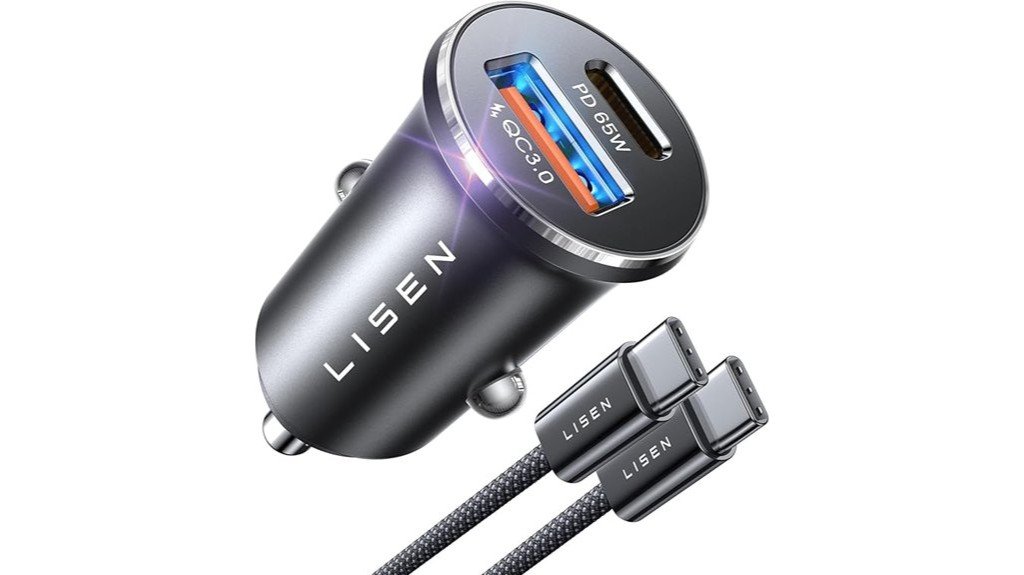
Fast charging in a car is useful only when the charger can deliver enough power for your device without turning the dashboard into a cable mess. The LISEN 95W USB C Car Charger combines a 65W USB-C Power Delivery port with a 30W USB-A Quick Charge port in a compact metal-bodied adapter. Its strongest feature is the 65W USB-C port, which can handle many phones, tablets, and some USB-C laptops, but the power is shared when both ports are used. This review explains where that matters, what LISEN currently claims, and who should consider a different charger.
Quick Verdict
Rating: Recommended with caveats
Best For: Drivers who want one compact charger for a USB-C phone, tablet, or laptop plus a second USB-A device.
Bottom Line: The 65W USB-C output is the main reason to buy this LISEN charger, and the aluminum-alloy exterior keeps the design compact. The tradeoff is shared power, so you should not expect the USB-C and USB-A ports to deliver their individual maximums at the same time.
| Specification | Detail |
|---|---|
| Brand | LISEN |
| Product type | Dual-port vehicle accessory-socket charger |
| Advertised output | 95W combined port ratings |
| USB-C port | Power Delivery, up to 65W when used alone |
| USB-A port | Quick Charge 3.0, up to 30W when used alone |
| Dual-device use | Both ports can be used, but power is redistributed and maximum single-port output is not maintained on both ports simultaneously |
| Exterior | Aluminum-alloy body with low-profile, thumb-sized design |
| Compatibility | USB-C phones, tablets, compatible laptops, and USB-A devices; charging speed depends on the device and cable |
| Safety claims | Over-voltage, over-current, short-circuit, and temperature protection |
| Certifications listed by LISEN | UL, FCC, CE, and RoHS |
| Best use | Fast charging on commutes, road trips, rideshare work, and travel with mixed USB-C and USB-A gear |
What Is the LISEN 95W USB C Car Charger?
This LISEN model is a two-port charger that plugs into a vehicle accessory or cigarette-lighter socket. It gives you one USB-C port rated for up to 65W Power Delivery and one USB-A port rated for up to 30W Quick Charge 3.0. LISEN markets the combination as 95W, but the important detail is that those are the ports’ individual maximum ratings and power is shared during simultaneous use.
The 65W USB-C port makes the charger more useful than a basic phone-only adapter. With the right USB-C cable and a compatible device, it can power many tablets and laptops as well as phones. LISEN also lists compatibility with current iPhone, Samsung Galaxy, Google Pixel, iPad, and MacBook families, although each device controls how much power it actually accepts.
Before You Buy: Do not buy this expecting 65W from USB-C and 30W from USB-A at the same time. LISEN states that power is split when both ports are active, so the charger is best when one high-power device gets priority.
Who Should Buy It?
Best For
- Drivers who want up to 65W USB-C charging for a phone, tablet, or compatible laptop.
- Households that still use a mix of USB-C and USB-A cables.
- Commuters and road-trip users who prefer a low-profile metal charger instead of a large multi-socket adapter.
Skip If
- You need two devices to receive their maximum fast-charge rate at the same time.
- You need two USB-C ports rather than one USB-C and one USB-A port.
- Your laptop requires more than 65W for normal charging under load.
Design, Build Quality, and Portability
LISEN describes the charger as a thumb-sized, low-profile unit with an aluminum-alloy exterior. That matters in cars where the accessory socket sits near a shifter, storage lid, or console controls because a shorter adapter is less likely to get in the way. The metal body also gives the charger a more solid feel than many lightweight plastic adapters.
The manufacturer says the aluminum body improves heat dissipation compared with plastic designs. That does not mean the charger will stay cold during fast charging. High-power charging naturally creates heat, so you should keep the adapter uncovered and stop using it if the plug, socket, or charger becomes unusually hot, damaged, or loose.
The original article listed extremely small dimensions and a 2.11-ounce weight, but those figures are not confirmed on LISEN’s current product page. For that reason, this updated review treats the charger as compact based on the manufacturer’s low-profile description without repeating unverified measurements.
Charging Performance
65W USB-C Power Delivery
The USB-C port is the main feature. A 65W ceiling is enough for fast charging many USB-C phones and tablets and can also support a range of USB-C laptops. Your actual charging rate depends on the device, its battery level, temperature, charging protocol, and the cable you use. A phone that accepts far less than 65W will simply draw the lower amount it supports.
LISEN currently claims that compatible iPhones can reach up to 88% in about 35 minutes and that an iPad can reach about 60% in the same time. Treat those figures as manufacturer test claims rather than guaranteed results because charging curves vary by device model and conditions.
30W USB-A Quick Charge
The USB-A port is rated up to 30W with Quick Charge 3.0. It is useful for older cables, Android devices that support compatible fast-charging protocols, dash accessories, and other USB-powered gear. It also means you do not need to replace every USB-A cable in your car just to use the charger.
What Happens With Two Devices Connected?
Both ports can be used at the same time, but this is where the marketing number needs context. LISEN states that simultaneous use redistributes power, so the USB-C port’s 65W maximum and the USB-A port’s 30W maximum should not be treated as guaranteed simultaneous outputs. If one device matters more, connect it alone when you need the fastest possible charge.
Pro Tip: For a laptop or high-power tablet, use a USB-C to USB-C cable rated for at least the power your device needs. A low-rated or damaged cable can reduce charging speed even when the charger itself supports 65W.
Fit and Compatibility
This charger is designed for a standard vehicle accessory or cigarette-lighter socket. Its two-port layout gives you a USB-C connection for newer devices and a USB-A connection for older cables and accessories. That mixed-port design is convenient if your car carries devices from different generations.
LISEN lists support for iPhone, Samsung Galaxy, Google Pixel, iPad, MacBook, and other USB-C devices. Compatibility does not mean every device will charge at 65W. For example, smartphones typically negotiate a lower rate than a laptop, and older iPhones with Lightning ports require the correct USB-C-to-Lightning cable to use the USB-C port.
If you plan to power a wireless charging mount, check the mount’s input requirement first. This LISEN adapter does not provide wireless charging by itself, but one of its ports can power a compatible wireless mount through a cable.
How It Performs in Real Use
For Daily Phone Charging
For a normal commute, the 65W USB-C port gives you plenty of headroom for modern phones that support USB-C fast charging. The benefit is not that your phone receives the full 65W, but that the charger can supply the power level the phone requests without being limited by a low-output adapter.
For Tablets and Compatible Laptops
The 65W USB-C port is more useful for an iPad or USB-C laptop than a typical 20W or 30W car charger. It can be a practical way to top up a work device between stops. A laptop that normally ships with a charger above 65W may charge slowly, hold its battery level, or continue losing charge during heavy use, so check your laptop’s power requirement before relying on this adapter.
For Two-Person Road Trips
A passenger can use USB-A while the driver uses USB-C, which is convenient when two devices need power. The limitation is speed: connecting the second device causes the available power to be shared. If the driver’s laptop or tablet needs the fastest charge, disconnecting the second device can restore the higher single-port ceiling.
For Travel and Rental Cars
The low-profile design is easy to carry and does not require a separate power brick in the car. Since it uses the vehicle accessory socket, it can move between compatible cars, including rentals. Keep suitable cables with it because the charger only solves the power-source side of the setup.
Setup Tips and Common Mistakes
- Insert it fully: A partially seated accessory plug can cause intermittent charging when the car vibrates.
- Use the USB-C port for the highest-power device: That is the port with the 65W maximum rating.
- Match the cable to the device: A laptop-capable USB-C cable is a better choice for 65W charging than an unknown low-power cable.
- Expect power sharing: Adding a second device can reduce the charge rate available to the first.
- Keep the charger exposed: Do not bury it under fabric or objects while it is delivering high power.
- Check your car’s socket behavior: Some vehicles keep accessory sockets powered after the ignition is off, so unplug the charger if your vehicle manual recommends it for parked use.
Safety, Certifications, and Reliability
LISEN lists over-voltage, over-current, short-circuit, and temperature protection for this charger. The manufacturer also lists UL, FCC, CE, and RoHS compliance or certification on the current product page. Those protections are relevant for a charger that may operate at higher power inside a warm vehicle.
The product page describes an aluminum-alloy exterior and also references PC V-0 flame-retardant material in its safety construction. Because accessory sockets and cables can wear over time, inspect the charger and socket periodically. Stop using the charger if you see discoloration, a damaged plug, a loose connection, exposed metal, or abnormal heat.
Warranty wording is worth checking before purchase. LISEN’s current page for this model mentions a 365-day warranty and lifetime technical support, while its broader site service banner advertises a 2-year product warranty. Confirm the terms shown on the listing or warranty policy that applies when you buy.
Pros and Cons
Pros
- USB-C Power Delivery port supports up to 65W when used alone.
- USB-A Quick Charge port supports up to 30W when used alone.
- Mixed USB-C and USB-A ports work well with older and newer cables.
- Compact aluminum-alloy body is designed for a low-profile dashboard fit.
- LISEN lists multiple electrical protections and major safety/compliance certifications.
Cons
- Power is shared when both ports are used, so you do not get both port maximums simultaneously.
- Only one USB-C port, which may be limiting for households with several newer USB-C devices.
- Laptops that need more than 65W may not charge at full speed under heavy use.
Is It Worth the Price?
The LISEN 95W USB C Car Charger offers strong value if your main goal is getting one 65W USB-C port in a compact vehicle adapter while keeping a USB-A port for older gear. That combination can replace a basic phone charger and a separate laptop-capable car adapter for many users.
The value drops if you regularly fast-charge two high-demand devices at once. In that case, a higher-total-output charger with two strong USB-C ports would be a better fit. This LISEN model makes the most sense when one device gets charging priority and the second port is used for a lower-power accessory or occasional phone charging.
How It Compares to Alternatives
The UGREEN 69W USB C Car Charger is worth comparing if you prefer three charging ports, including two USB-C ports, and do not need LISEN’s 30W USB-A rating. The Anker PowerDrive III Duo is a simpler alternative for two USB-C phones, but its twin 20W ports target phones more than 65W-class laptop charging.
The LISEN makes the most sense when you want a single 65W USB-C port plus a higher-powered USB-A port in a compact adapter. Buyers with several USB-C devices should compare port layouts before choosing based only on the headline wattage.
Frequently Asked Questions
Can the LISEN charger deliver 65W and 30W at the same time?
No. LISEN lists 65W as the USB-C maximum and 30W as the USB-A maximum, but it also states that power is split during simultaneous use. Connect only your high-power device when you need the highest possible USB-C output.
Can it charge a USB-C laptop?
Yes, if the laptop accepts USB-C Power Delivery at 65W or less. A higher-power laptop may charge more slowly or may not gain battery during demanding workloads, so check the laptop’s recommended adapter wattage.
Does it fast-charge iPhones?
It can fast-charge compatible iPhones when you use the correct cable and the phone supports the needed charging protocol. LISEN claims up to 88% in about 35 minutes for compatible models, but actual results vary with model, battery level, temperature, and cable.
Does a USB-C cable come in the box?
The current manufacturer page for this specific two-port model does not clearly list an included cable. Check the Amazon package-contents section before ordering and plan to use a cable that supports your device’s required charging power.
Can it power a wireless charging car mount?
Yes, it can power a compatible wireless charging mount through USB-C or USB-A if the mount’s input requirements match the charger’s available output. The LISEN adapter itself does not contain a wireless charging pad.
Can it charge a Tesla or another EV through the 12V accessory port?
No. This adapter supplies USB power for electronics such as phones, tablets, accessories, and compatible laptops. It is not an EV traction-battery charger and cannot charge the vehicle itself.
Who should skip this charger?
Skip it if you need two high-power USB-C ports, more than 65W to one device, or maximum-speed charging for two demanding devices at once. A higher-output multi-USB-C car charger will suit those setups better.
The Bottom Line
The LISEN 95W USB C Car Charger is a practical choice for drivers who want up to 65W USB-C charging plus a 30W-class USB-A option in a compact metal-bodied adapter. Its main strength is flexible single-device fast charging, while its main limitation is shared power during dual-device use. Buy it if that port mix matches your car setup; skip it if you need two high-power USB-C outputs at the same time.