Disclosure: As an Amazon Associate, we earn from qualifying purchases. If you click a link on this page and make a purchase, we may receive a small commission at no extra cost to you.
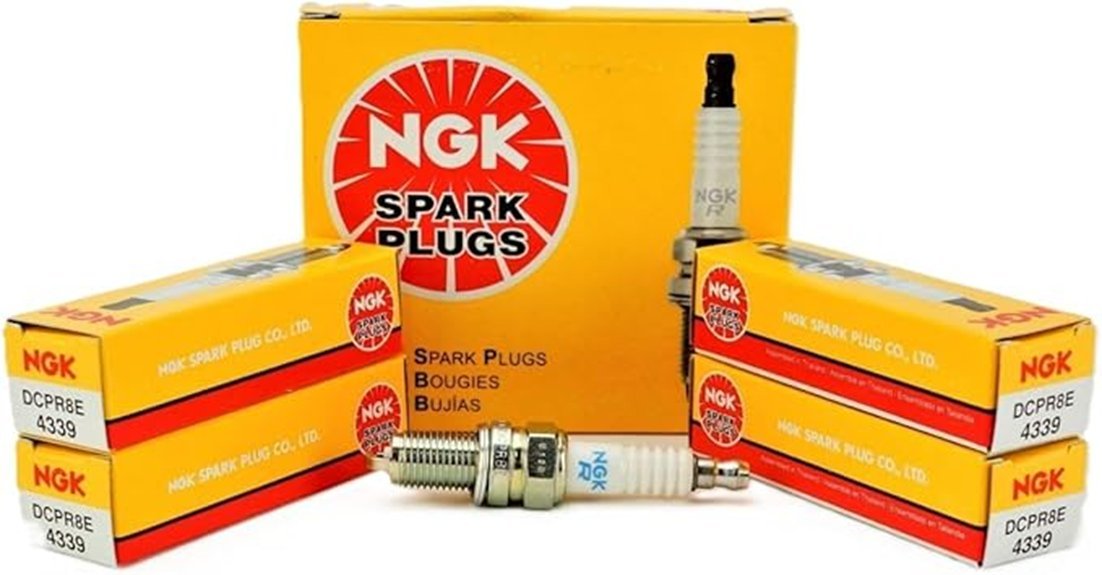
Choosing the wrong spark plug can create fitment problems before you ever start the engine. The NGK DCPR8E, also sold as NGK stock number 4339, is a standard resistor spark plug with a nickel firing tip, copper-core center electrode, 12 mm thread, and gasket seat. It is a sensible replacement when your engine specifically calls for DCPR8E, but it is not a universal upgrade and it should not be chosen by thread size alone. This review focuses on verified dimensions, installation details, fitment risks, and the situations where this standard nickel plug makes the most sense.
Quick Verdict
Rating: 8.5/10
Best For: Engines whose service information specifically lists NGK DCPR8E or an approved cross-reference.
Bottom Line: The DCPR8E is a straightforward OE-style nickel spark plug with verified dimensions and proven NGK construction. Its main limitation is simple: the correct heat range, reach, seat, gap, and application must match your engine exactly.
| Specification | Detail |
|---|---|
| Brand | NGK |
| Model | DCPR8E |
| NGK stock number | 4339 |
| Product type | Standard resistor spark plug |
| Thread | M12 x 1.25 mm |
| Reach | 19 mm (3/4 in) |
| Hex size | 16 mm (5/8 in) |
| Seat type | Flat gasket seat |
| Pre-gap | 0.7 mm (0.028 in), verify against your engine specification |
| Heat range | NGK 8 |
| Resistor | Yes, 5 kΩ |
| Center electrode | Nickel tip with copper core |
| Ground electrode | Nickel, single J-gap electrode |
| Insulator | Ceramic, projected style |
| Linked package | Indexed as a set of four; confirm current quantity on the live Amazon listing |
What Is the NGK DCPR8E?
The NGK DCPR8E is a standard replacement spark plug built around a nickel center-electrode tip with a copper core. The copper core helps move heat away from the firing end, while the resistor design helps suppress electrical noise. NGK identifies this plug as stock number 4339.
This is not an iridium or platinum long-life plug. Its appeal is a familiar OE-style design, common service dimensions, and wide use across applications that specifically call for DCPR8E. That last point matters most: a spark plug can share the same thread diameter yet still be wrong because of reach, heat range, seat design, or electrode position.
Who Should Buy It?
Best For
- You have confirmed DCPR8E or NGK 4339 in your owner or service information.
- You want a standard nickel replacement rather than a premium precious-metal upgrade.
- You are doing routine ignition maintenance and want the correct OE-style dimensions.
Skip If
- Your engine specifies a different thread, reach, seat type, heat range, or plug model.
- Your vehicle requires a factory platinum, iridium, or other extended-life plug.
- You are choosing a plug only because a seller page says it fits without checking the exact year and engine.
Key Takeaways
- DCPR8E is NGK stock number 4339 with an M12 x 1.25 thread and 19 mm reach.
- It uses a flat gasket seat, not a gasketless tapered seat.
- The verified pre-gap is 0.7 mm (0.028 in), but the engine manufacturer’s gap specification takes priority.
- Heat range 8 and the 5 kΩ resistor are part of the fitment decision, not optional performance choices.
- Standard nickel construction keeps the design simple, but it generally does not offer the extended service life associated with precious-metal plugs.
Before You Buy: Do not rely on a marketplace fitment badge or a single dimension. Confirm DCPR8E against your exact vehicle, engine, year, and service information before ordering.
Fit and Compatibility
Fitment is the most important buying factor for this plug. The DCPR8E uses a 12 mm x 1.25 mm thread, 19 mm reach, 16 mm hex, and flat gasket seat. It also has NGK heat range 8 and a projected firing-end design. Those details need to match the engine specification as a group.
NGK application catalogs list DCPR8E across selected motorcycles, powersports machines, marine engines, and automotive applications. That broad catalog coverage does not make the plug universal. Even two engines from the same manufacturer can require different gaps or heat ranges.
If you are replacing an existing plug, compare the full part number rather than judging by appearance. If the engine manual names another brand, use a recognized cross-reference and still confirm dimensions and heat range before installation.
Design and Build Quality
The DCPR8E uses a copper-core center electrode with a nickel firing tip, a nickel ground electrode, and a ceramic insulator. NGK’s standard-plug construction also uses plated threads for corrosion resistance and consistent installation.
The resistor value is 5 kΩ. That built-in resistance helps reduce electromagnetic interference that can affect nearby electronics. The removable terminal nut also gives the plug flexibility for different connector styles when the application calls for it.
The main tradeoff is electrode material. Nickel is economical and widely used, but it wears faster than fine-wire iridium or platinum designs in comparable service. That does not make DCPR8E inferior when it is the specified plug. It simply means you should follow the engine maker’s inspection and replacement interval instead of assuming a long-life interval.
Installation, Gap, and Torque
The DCPR8E is supplied with a 0.7 mm (0.028 in) gap. Treat that as the plug’s supplied specification, not proof that every application uses the same installed gap. Check the vehicle or engine manual before changing it.
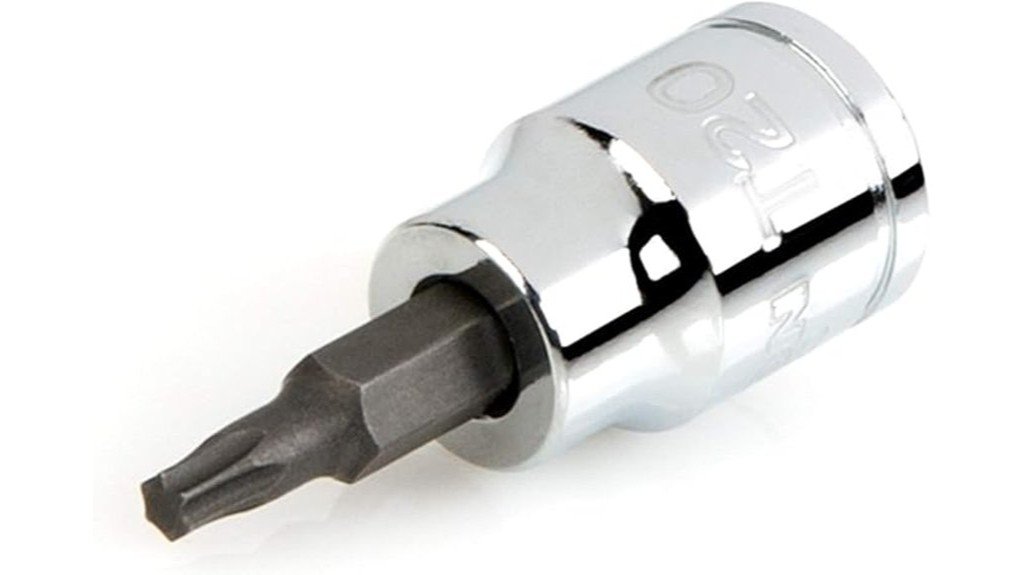
Install spark plugs only in a cool engine. Clean dirt from around the plug well, start the plug by hand so the threads are not crossed, and use the correct 16 mm spark-plug socket. The gasket should contact the cylinder-head seat before final tightening.
For a 12 mm flat-seat spark plug with a gasket, NGK’s general torque chart lists 10.8 to 18.0 lb-ft for a cast-iron cylinder head and 10.8 to 14.5 lb-ft for an aluminum head. Your engine manufacturer’s torque specification should take priority because head design and application can change the requirement.
NGK also advises against adding anti-seize to its plated spark-plug threads because lubrication changes thread friction and can increase clamping force at a given torque. If your engine manufacturer gives a specific procedure, follow that procedure.
Pro Tip: Before removing the old plug, write down the exact part number and gap specification for your engine. That small step is more reliable than trying to match a replacement by appearance.
How It Performs in Real Use
For Routine Maintenance
When DCPR8E is the specified plug, its job is to restore the ignition system to the expected service configuration. A fresh, correctly gapped plug can help an engine run as designed when the old plug has worn electrodes, deposits, or excessive gap. You should not expect a healthy engine to gain extra horsepower simply because a new standard plug was installed.
For Cold Starts and Idle Quality
Spark-plug condition can affect starting and idle quality, but those symptoms also depend on fuel delivery, battery condition, compression, ignition coils, and engine controls. The DCPR8E’s resistor and standard projected-electrode design are intended for applications engineered around this plug. If a misfire remains after replacement, diagnose the system instead of assuming the plug is the only cause.
For High-Load or High-RPM Use
Heat range becomes especially important under sustained load. NGK heat range 8 is part of the DCPR8E specification, so moving hotter or colder without engine-specific guidance can create problems. A modified or forced-induction engine may require a different plug, gap, or heat range based on the tuner or engine builder’s recommendation.
For Long-Term Service
This is a standard nickel plug, so replacement intervals should come from the engine maker rather than a universal mileage promise. Inspect the removed plug for worn electrodes, heavy deposits, oil fouling, overheating signs, or an abnormal gap. Those conditions can also point to an engine issue that a new plug alone will not fix.
Pros and Cons
Pros
- Verified M12 x 1.25 thread, 19 mm reach, and 16 mm hex make the physical specification clear.
- Copper-core, nickel-electrode construction suits engines designed around a standard replacement plug.
- 5 kΩ resistor helps suppress electrical interference.
- 0.7 mm supplied gap gives you a known starting point for application-specific setup.
- NGK provides broad application and installation documentation for its standard plug family.
Cons
- Fitment is application-specific, so a wrong heat range or reach can cause serious problems.
- Standard nickel construction does not target the long service life of many iridium or platinum plugs.
- The linked marketplace listing should be checked for current pack quantity and exact seller details before purchase.
Is It Worth the Price?
The DCPR8E makes the most sense as a value-focused standard replacement when it is the exact plug your engine calls for. You are paying for a conventional nickel-and-copper design rather than a premium fine-wire material, so its value comes from correct specification and dependable routine service, not from promising a performance upgrade.
It is a smart buy when you want to replace multiple matching plugs at the same service interval and the linked package quantity suits your engine. It is less compelling if your vehicle was engineered for a long-life iridium or platinum plug, because moving to a standard nickel design can shorten the intended maintenance interval.
How It Compares to Alternatives
Denso lists XU24EPR-U as a cross-reference for DCPR8E, making it one alternative to compare when your application data approves that interchange. NGK also offers DCPR8EIX, an iridium version in the same general size and heat-range family, while Denso lists IXU24 as an iridium cross-reference for DCPR8EIX.
The standard DCPR8E is the better fit when your service information specifically calls for the conventional plug and you want to stay with that specification. An iridium option may offer different wear characteristics, but do not substitute it only because it sounds more premium. Confirm the exact approved plug for your engine first.
Frequently Asked Questions
Is the NGK DCPR8E gasketed or gasketless?
It is a gasket-seat spark plug. Verified NGK and retailer specifications list a flat seat with a gasket or crush washer, so the earlier tapered-seat description is incorrect.
What thread size and reach does DCPR8E use?
The thread is M12 x 1.25 mm and the reach is 19 mm (3/4 in). The plug uses a 16 mm (5/8 in) hex.
Does it come pre-gapped?
Yes. The verified supplied gap is 0.7 mm (0.028 in). Check your engine specification before installation because some applications may call for a different final gap.
What torque should you use?
For 12 mm gasket-seat plugs, NGK’s general chart lists 10.8 to 18.0 lb-ft for cast iron heads and 10.8 to 14.5 lb-ft for aluminum heads. Use the engine manufacturer’s torque specification when it provides one.
Should you put anti-seize on DCPR8E threads?
NGK advises against anti-seize on its plated spark-plug threads because lubrication changes the relationship between wrench torque and clamping force. Follow any engine-specific installation procedure provided by the manufacturer.
Is DCPR8E suitable for turbocharged or modified engines?
Only when the engine or tuner specifically calls for this plug, heat range, and gap. Modified engines can require different ignition settings, so DCPR8E should not be treated as a universal performance plug.
How long does an NGK DCPR8E last?
There is no single safe replacement interval for every DCPR8E application. Follow your engine maker’s service schedule and inspect sooner if you have misfire, hard starting, abnormal deposits, or other ignition symptoms.
How many plugs are in the linked Amazon package?
The linked ASIN is indexed by third-party storefronts as a set of four DCPR8E plugs. Marketplace package details can change, so confirm the current quantity and seller information on Amazon before checkout.
The Bottom Line
The NGK DCPR8E is a strong choice when your engine specifically requires this 12 mm, 19 mm-reach, gasket-seat, heat-range-8 plug. Skip it if your application calls for different dimensions, a different heat range, or a factory precious-metal design, because correct fitment matters more than brand familiarity or seller claims.
Its biggest strengths are clear specifications, standard NGK construction, and practical value for routine replacement. Its main limitation is application sensitivity, so verify the exact engine fit before you buy or install it.
Ready to Buy?
Check the latest price, package quantity, and product details before you decide.