Disclosure: As an Amazon Associate, we earn from qualifying purchases. If you click a link on this page and make a purchase, we may receive a small commission at no extra cost to you.
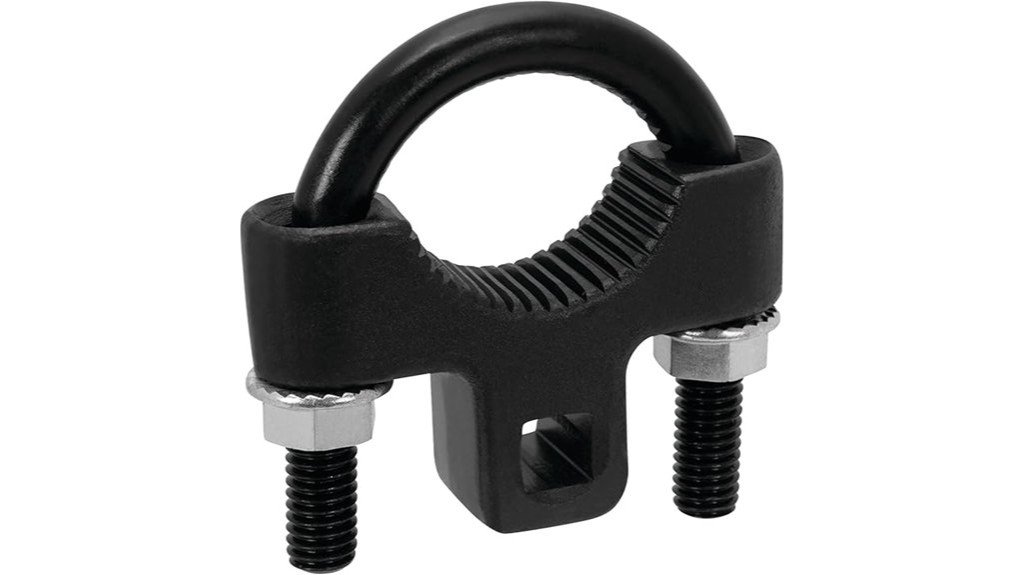
Inner tie rod service gets difficult when the joint sits deep beside the steering rack and a normal wrench cannot reach it cleanly. The Performance Tool W83027 uses a compact, low-profile body and a 3/8-inch drive to turn compatible smooth, flat-faced, and select hex-style inner tie rods. It supports 1-3/16-inch and 1-5/16-inch hex sections, but it does not replace a multi-adapter master kit. This review explains where the tool saves space, where its limited fit becomes a problem, and what you should confirm before starting a steering repair.
Quick Verdict
Rating: 7.8/10, Recommended with caveats
Best For: DIY mechanics and light-shop users who have confirmed a compatible inner tie rod shape or hex size.
Bottom Line: The W83027 gives you useful access in tight steering areas without the bulk of a tube-style master kit. Its narrow compatibility and 3/8-inch drive make it less suitable for mixed vehicle work or heavily seized parts.
| Specification | Detail |
|---|---|
| Brand | Performance Tool |
| Model | W83027 |
| Product type | Low-profile inner tie rod removal and installation tool |
| Drive size | 3/8-inch drive |
| Supported hex sizes | 1-3/16 inch and 1-5/16 inch |
| Compatible tie rod styles | Smooth, flat-faced, or supported hex-style inner tie rod ends |
| Material | Steel |
| Color | Black |
| Listed dimensions | 1.05 x 0.75 x 1.15 inches |
| Listed item weight | 11.2 ounces |
| Quantity | 1 tool |
| UPC | 039564012709 |
| Best use | Removing and installing compatible inner tie rods where access is limited |
| Warranty note | Confirm current manufacturer and seller terms before purchase. |
What Is the Performance Tool W83027?
The Performance Tool W83027 is a small specialty hand tool for removing and installing compatible inner tie rod ends. Its contact design is intended for smooth or flat-faced ends and for hex sections measuring 1-3/16 inch or 1-5/16 inch. You operate it with a 3/8-inch ratchet and an extension when extra reach is needed.
Unlike a tube-style master kit, the W83027 focuses on a limited group of tie rod profiles instead of using several interchangeable adapters. That makes it easier to store and quicker to set up for a known match. It also means you should identify the replacement part and inspect the installed tie rod before you buy the tool.
Before You Buy: Measure the usable hex or confirm that the tie rod has clean flats that match this tool. Do not treat the word “universal” as a guarantee of vehicle fit, and choose a multi-adapter or heavier-duty kit if the shape, size, or required torque falls outside these limits.
Who Should Buy It?
Best For
- DIY mechanics replacing a confirmed compatible inner tie rod at home.
- Light-shop users who want a compact backup tool for tight steering assemblies.
- Buyers working with a clean 1-3/16-inch or 1-5/16-inch hex section.
Skip If
- You service many vehicle platforms and need broad adapter coverage.
- The existing tie rod is rounded, badly corroded, damaged, or seized.
- You need a 1/2-inch-drive setup for higher-force shop work.
Key Features and Design Overview
The W83027 combines a low-profile steel body with a 3/8-inch square drive. The compact format helps you work near the rack housing without feeding a long outer tube over the steering linkage. It also takes less toolbox space than a multi-piece inner tie rod service set.
Its main feature is also its main restriction. The tool can engage supported smooth or flat-faced ends and the two listed inch-based hex sizes, but it cannot adapt to every metric, round, or unusually shaped joint. A correct, stable seat matters more than the vehicle name printed on a general fitment list.
The 3/8-inch drive works with common hand ratchets and extensions. That makes the tool convenient for routine service, but you should not assume it has the same force capacity as a larger 1/2-inch-drive shop kit.
Fit and Compatibility
Compatibility is the first decision point. Check the inner end of the tie rod, not just the outer joint or vehicle model. The W83027 needs either usable flats, a compatible smooth profile, or a 1-3/16-inch or 1-5/16-inch hex section that lets the tool sit fully and evenly.
Paint, corrosion, grease buildup, and previous tool damage can change how the contact area feels even when the nominal size appears correct. If the tool rocks, sits at an angle, or grips only an edge, stop. A tube-style kit with the correct adapter may give you safer, more complete engagement.
Build Quality and Materials
The W83027 uses a steel body with a black finish. Its small form is easy to keep in a shallow drawer, compact automotive kit, or service cart. You do not need to store a long tube and several loose crowfoot adapters for this specific application.
The tradeoff is leverage and versatility. A compact tool is useful when access is the problem, but it is not the best answer when corrosion is the problem. Repeated heavy-force work calls for a tool that matches the joint more fully and provides the drive size recommended for the job.
Installation Access and Ease of Use
When the fit is correct, setup is direct. Seat the W83027 squarely on the inner tie rod, connect a 3/8-inch ratchet or extension, and apply steady hand pressure. A short extension often improves clearance while keeping the load closer to the tool.
The low-profile body may let you reach the inner joint without dismantling as much of the outer linkage on some vehicles. Access varies by steering layout, boot design, and the repair procedure, so follow the service information for your exact vehicle rather than assuming every job is the same.
Pro Tip: Clean the tie rod contact area and test the tool by hand before attaching a long extension. A full, square seat reduces slipping, while extra leverage on a poor fit can round the joint and make removal harder.
How It Performs in Real Use
For Routine Inner Tie Rod Replacement
On a clean, compatible joint, the W83027 gives you a more controlled contact point than large locking pliers or a pipe wrench. Its compact body can reduce interference with the rack boot area and nearby suspension parts. The benefit is strongest when you already know the tie rod profile matches.
For Tight Steering Assemblies
Tight access is the strongest reason to choose this model. The tool takes up little space around the inner joint, and a short 3/8-inch extension can move the ratchet handle into a better working position. You still need enough room to keep the tool straight under load.
For Worn, Rounded, or Rusty Tie Rod Ends
Performance drops when the contact surface is damaged. Rust scale, rounded flats, and previous wrench marks reduce the area available for the tool to hold. If it slips during a controlled test pull, switch methods before the joint becomes harder to remove.
For Reinstallation
The W83027 can assist with installation when the replacement inner tie rod has a supported shape or hex size. Follow the vehicle procedure for locking washers, retainers, thread-locking compound, rack boot placement, and final torque. The tool gives you access, but the repair manual determines the correct installation steps.
How to Use It Correctly
- Confirm the repair procedure: Check the vehicle service information, replacement part instructions, and required torque before disassembly.
- Support the vehicle safely: Work on a level surface and use properly rated jack stands at approved lifting points.
- Inspect and measure the joint: Confirm usable flats, a supported smooth profile, or one of the two listed hex sizes.
- Seat the tool squarely: Make sure it does not rock, tilt, or grip only one edge.
- Use controlled hand force: Apply a steady pull with a suitable 3/8-inch ratchet and extension. The supplied information does not establish impact-rated use.
- Stop if it slips: Recheck the size and condition instead of increasing leverage on a poor fit.
- Complete the steering checks: Reassemble the boot and retainers correctly, then arrange an alignment check after tie rod replacement.
Maintenance and Storage
Wipe dirt, grease, and moisture from the tool after each job. Inspect the drive opening and contact surfaces for rounding, cracks, spreading, or burrs before storing it. A light protective oil can help limit surface corrosion, but remove excess oil from the contact area before the next use.
Keep the W83027 in a dry drawer or labeled pouch so you can identify its supported sizes quickly. Do not continue using it if the drive or gripping surfaces show damage that prevents a square fit.
Compatibility and Safety Notes
Inner tie rods are steering components, so mistakes can affect vehicle control. Support the vehicle with jack stands on a stable surface, wear eye protection, and follow the manufacturer’s repair procedure. Never work beneath a vehicle supported only by a hydraulic jack.
Use the correct replacement part, reinstall all locking hardware, and do not guess at torque values. Follow warning labels supplied with the tool and any chemicals used during the repair. Ask a qualified mechanic to complete the job when the joint is seized, the rack is damaged, or you are not confident in the steering procedure.
Pros and Cons
Pros
- Low-profile body improves access around tight steering assemblies.
- Works with common 3/8-inch hand ratchets and extensions.
- Supports 1-3/16-inch and 1-5/16-inch hex inner tie rods.
- Can engage compatible smooth or flat-faced inner tie rod ends.
- Compact steel construction takes little toolbox space.
Cons
- Limited to specific tie rod profiles and two listed hex sizes.
- Less versatile than a master kit with multiple adapters.
- Not the best choice for rounded, heavily rusted, or seized joints.
Is It Worth the Price?
The Performance Tool W83027 fits the budget-specialty-tool category. It offers strong value for the price when one confirmed tie rod profile matches and your main problem is limited access. In that situation, you avoid paying for adapters and a storage case you may not use.
Its value drops if you regularly service different vehicles or encounter seized steering parts. A broader 1/2-inch-drive master kit costs more and takes more space, but it can provide the adapter range and leverage a mixed-use garage needs.
How It Compares to Alternatives
A tube-style inner tie rod master kit is the better alternative when you need several adapter sizes, deeper reach, or a larger drive. It takes longer to set up and needs more storage, but it covers more joint shapes than the W83027.
Locking pliers and pipe wrenches are general-purpose alternatives, yet they can damage flats, boots, or nearby surfaces when access is poor. The W83027 makes the most sense when you want a compact, purpose-built contact point for a known compatible joint.
Frequently Asked Questions
Does the Performance Tool W83027 fit every inner tie rod?
No. It is intended for compatible smooth or flat-faced inner tie rods and for 1-3/16-inch or 1-5/16-inch hex sections. Confirm the actual joint shape and usable contact area before buying.
Can it remove an inner tie rod without removing the outer tie rod?
The low-profile design may reduce how much outer linkage you need to disturb on some vehicles. Access depends on the steering layout and service procedure, so check the repair information for your exact model.
Can the W83027 be used on metric-sized tie rods?
The listed hex sizes are inch-based. A metric joint is suitable only when its measured contact area matches securely and the tool seats fully without rocking. Never force the tool onto a near match.
Is the 3/8-inch drive strong enough for inner tie rod work?
It can suit routine removal and installation when the joint fits correctly and is not badly seized. A corroded joint or frequent shop use may justify a larger 1/2-inch-drive kit with the proper adapter.
Can I use an impact wrench with this tool?
The supplied product information does not establish impact-rated use. Use controlled hand-tool force unless the current manufacturer instructions specifically approve another method.
Does it include an inner tie rod or replacement hardware?
No. The package is listed as one removal and installation tool. You still need the correct inner tie rod, retainers, locking hardware, and any supplies required by the vehicle procedure.
How should I clean and store the W83027?
Wipe away grease, rust flakes, and moisture after use, then inspect the drive and gripping surfaces. Store it dry, and apply a light protective oil if needed to reduce surface corrosion.
Who should skip the Performance Tool W83027?
Skip it when you need broad adapter coverage, work on many vehicle platforms, or face seized steering parts often. A full inner tie rod master kit is usually the more practical long-term choice for those jobs.
The Bottom Line
The Performance Tool W83027 is a practical buy for DIYers and light-shop users who have confirmed a supported inner tie rod profile and need better access near the steering rack. Its compact 3/8-inch-drive design is the main strength, while limited fit and lower heavy-duty capability are the main tradeoffs. Skip it when you need multiple adapters, higher-force service, or a solution for badly damaged joints.