If you need a battery for a 2014 Ford F-150, begin with the under-hood starting battery’s physical fitment. Major vehicle application catalogs commonly list BCI Group 65 as the primary direct-fit category for this model year. You should still confirm the size by checking your VIN, existing battery label, tray, hold-down, terminal position, and required cold cranking amps.
This guide does not recommend an unverified full-size starting battery simply because it is described as compatible with Ford vehicles. Instead, it explains how to choose the correct starting battery and reviews two related products that match specific 2014 F-150 needs: a CR2032 key fob battery and a battery fuse and terminal clamp repair kit.
Quick Verdict
For the main starting battery: Shop by confirmed vehicle fitment, with Group 65 as the primary category to check. Match the installed battery’s dimensions, terminal arrangement, CCA, reserve capacity, and battery technology.
For the original key remote: Ford’s 2014 owner information specifies one three-volt CR2032 coin battery or equivalent.
For damaged battery connections: The listed fuse and terminal clamp kit may suit 2011–2014 F-150 applications when its part numbers match the components being replaced.
Fitment note: Do not choose a starting battery from voltage alone. Most automotive batteries are 12 volts, but their case size, hold-down design, post location, capacity, and cranking performance can differ substantially.
Quick Comparison
| Product | Category | Best For | Important Check |
|---|---|---|---|
| Key Fob Replacement Batteries for Ford Remote | CR2032 remote battery | Weak or unresponsive original key remote | Compare your remote and existing coin cell |
| Battery Fuse and Terminal Clamps Combo Pack | Battery connection repair parts | Damaged fuse or terminal clamps | Match all listed part numbers before ordering |
Key Fob Replacement Batteries for Ford Remote (Pack of 2)
Best Key Fob Battery Replacement
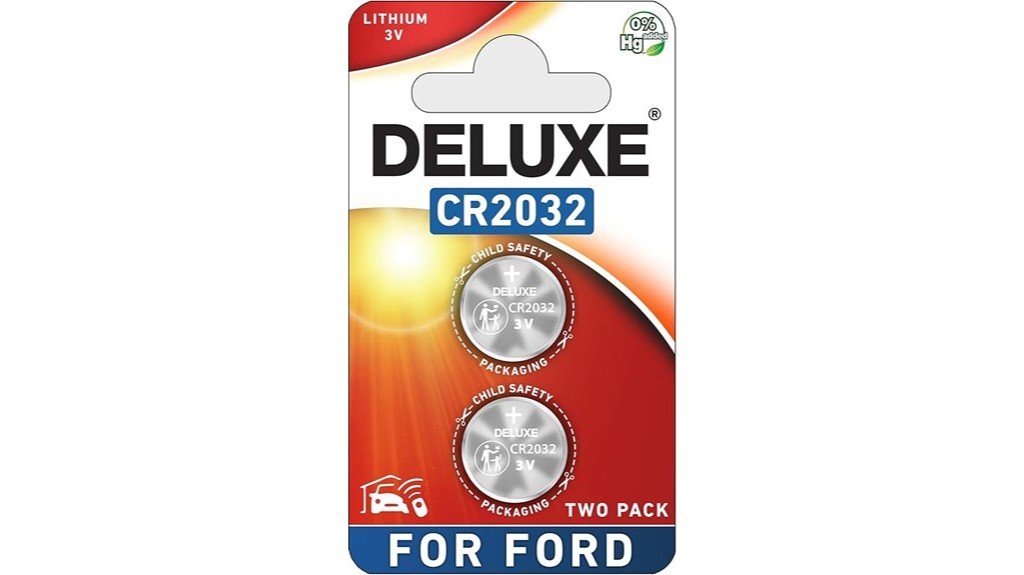
If the original remote for your 2014 Ford F-150 has weak range or stops responding, this pack provides two CR2032 three-volt coin batteries. That battery type matches Ford’s owner information for the integrated keyhead transmitter used with the 2014 truck.
This product addresses remote lock, unlock, and panic-button operation. It will not correct slow engine cranking, repeated jump-starts, dim lights, or charging-system problems because it does not power the truck itself.
Who Should Buy This: Owners whose original 2014 F-150 remote contains a CR2032 battery and needs a straightforward battery-only replacement.
Why You’ll Like It: The two-pack lets you replace one depleted battery while keeping a spare for another compatible remote or a future replacement.
Who Should Avoid It: Skip it when the remote case, buttons, circuit board, or transmitter is physically damaged. A new coin cell cannot repair a failed remote.
Pros:
- Uses the CR2032 battery type specified in Ford’s 2014 owner information.
- Includes two cells, so you can keep one as a spare.
- Targets remote-control symptoms without requiring a complete replacement key.
Limitations:
- It does not replace the truck’s under-hood starting battery.
- The physical remote and existing battery should still be checked before ordering.
- A battery replacement will not fix damaged buttons or internal electronics.
Coin-cell safety: Keep new and used coin batteries away from children and pets. Dispose of the old battery through an appropriate battery-recycling program.
Battery Fuse and Battery Terminal Clamps Combo Pack for Ford F-150 (2011–2014)
Best Battery Terminal Repair Kit
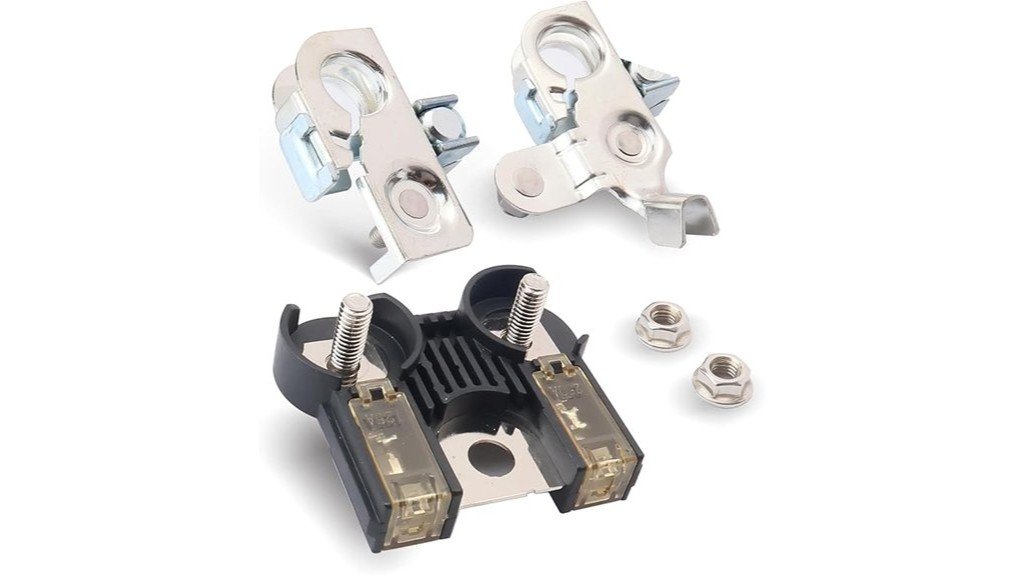
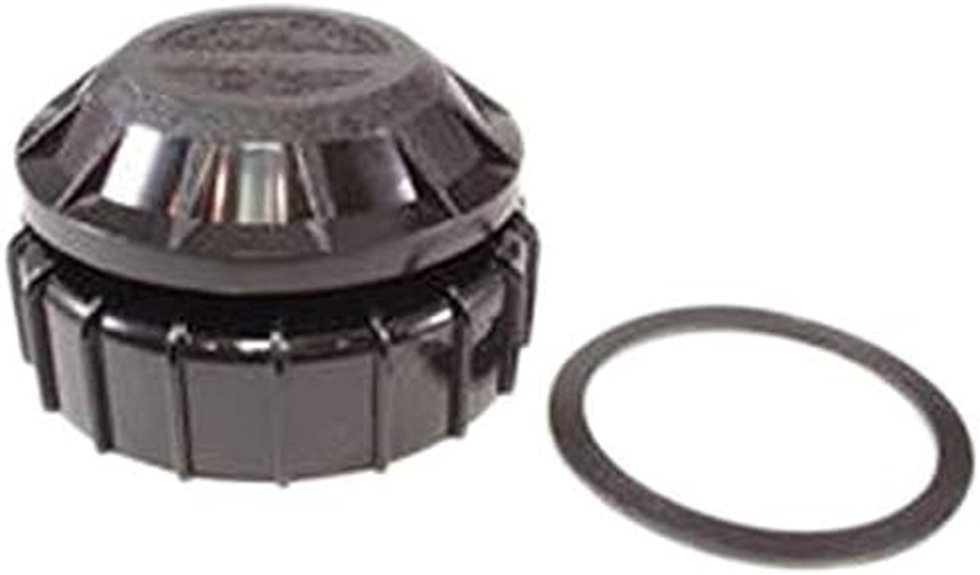
This combo pack is a connection repair kit rather than a starting battery. The seller lists it for 2011–2014 Ford F-150 models and identifies replacement numbers AL3Z-14526-AA for the battery fuse, BT4Z-14450-AA for the positive terminal clamp, and BT4Z-14450-BA for the negative clamp.
Loose, damaged, or heavily corroded battery connections can contribute to intermittent electrical symptoms. Replacing the affected connection parts may be more appropriate than replacing a healthy battery, but the electrical system should be tested before parts are ordered.
Who Should Buy This: Owners who have identified a damaged battery fuse or terminal clamp and have confirmed that the listed replacement numbers match their truck’s original parts.
Why You’ll Like It: The kit combines the fuse and both terminal clamps, which may reduce the need to source several matching components separately.
Who Should Avoid It: Do not buy this kit solely because the engine cranks slowly. A discharged battery, failing alternator, starter problem, cable fault, or parasitic drain can create similar symptoms.
Pros:
- Seller-listed for 2011–2014 Ford F-150 applications.
- Includes a battery fuse plus positive and negative terminal clamps.
- Provides specific replacement numbers that can be checked before purchase.
Limitations:
- It supplies no starting or reserve power because it is not a battery.
- Compatibility is based on seller-provided fitment information.
- Installation requires safe battery disconnection and correct cable placement.
Before ordering: Compare the stamped or molded numbers on your original fuse and terminal components. A model-year claim alone is not a substitute for matching the actual part.
How to Choose a Main Battery for a 2014 Ford F-150
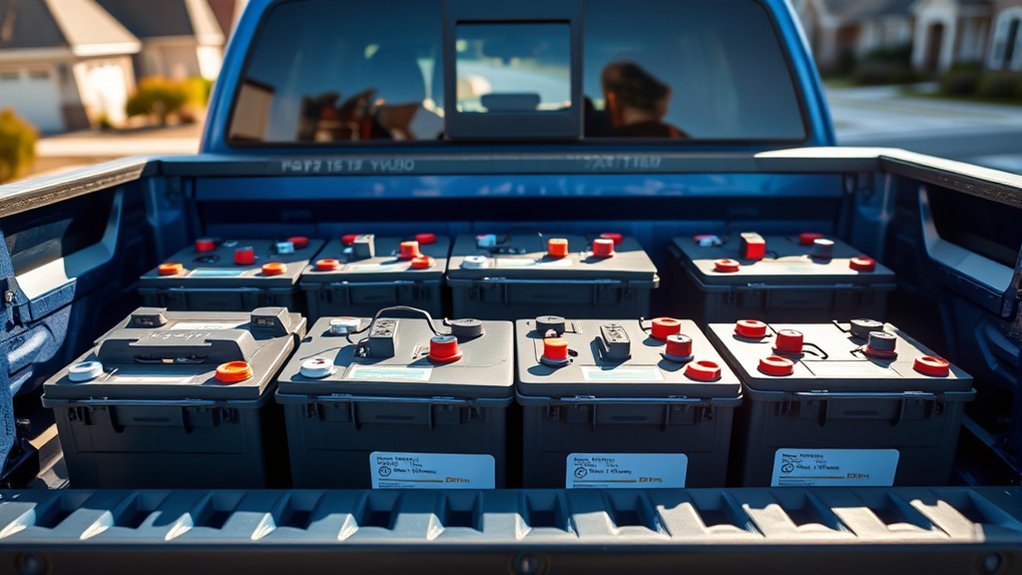
Most major application catalogs place the 2014 Ford F-150 in the Group 65 starting-battery category. However, catalog results can vary with configuration, installed equipment, regional specification, and previous modifications. Verify the replacement through your VIN and compare it directly with the battery already secured in the truck.
Check the Existing Battery Label
Look for the BCI group number, cold cranking amps, reserve capacity, part number, and battery technology printed on the existing battery. Photograph the label and terminal arrangement before removing anything. This gives you a reference when comparing replacement products.
Measure the Battery and Tray
Confirm the battery’s length, width, height, hold-down location, and available clearance. The replacement must sit securely without contacting the hood, nearby wiring, or other components.
Verify Terminal Position
The positive and negative posts must align with the truck’s cables without stretching, crossing, or sharply bending them. Never force a cable to reach an incorrectly positioned terminal.
Match Cold Cranking Amps
Choose a battery that meets or exceeds the specification required for your engine and climate. Higher CCA can support cold-weather starting, but a higher number does not compensate for an incorrect case size or terminal arrangement.
Compare Reserve Capacity
Reserve capacity estimates how long a fully charged battery can support an electrical load if the charging system stops supplying enough power. It can matter when the truck operates accessories, work equipment, or lighting, but it should be considered alongside correct fitment and CCA.
AGM or Flooded Battery
A conventional flooded battery can be a practical replacement when it meets the truck’s specifications. An AGM battery may offer better spill resistance, vibration tolerance, and cycling performance, but it should only be selected when the size, charging requirements, terminal layout, and vehicle application are correct.
Check the Warranty Terms
Review the free-replacement period, any prorated coverage, proof-of-purchase requirements, and where warranty service is available. A long advertised term provides limited value if returning the heavy battery would be difficult.
Diagnose the Problem Before Replacing Parts
| Symptom | Possible Cause | Useful Next Step |
|---|---|---|
| Slow engine cranking | Weak battery, poor connection, starter issue, or charging fault | Test the battery and charging system |
| Repeated dead battery | Alternator fault, parasitic drain, old battery, or loose cable | Perform battery, alternator, and draw tests |
| Intermittent power or visible corrosion | Damaged terminal, cable, ground, or fuse connection | Inspect and match replacement connection parts |
| Remote has weak range | Depleted CR2032 key fob battery | Check and replace the remote battery |
Battery Replacement and BMS Relearn
Ford states that after replacing the 12-volt battery, or after some external charging events, the battery management system needs time to relearn the battery’s state of charge. The truck should remain fully locked with the ignition off for eight hours during this relearn period.
Ford also warns against attaching an added electrical device’s ground directly to the negative battery post. Doing so can affect the system’s battery-condition measurements. Accessory wiring should follow Ford’s guidance and use the appropriate monitored grounding point.
Safety note: Batteries can deliver very high current and may release explosive gas. Switch off the ignition, remove jewelry, avoid sparks, confirm polarity, and use eye and hand protection. Get professional help when cables, fuses, or charging-system faults are involved.
Before You Buy Checklist
- Identify whether the problem involves the starting battery, remote battery, alternator, terminal, cable, fuse, starter, or electrical drain.
- Use your VIN and a current vehicle-fitment catalog to confirm the main battery application.
- Compare the group number and dimensions with the installed battery.
- Match the positive and negative terminal arrangement.
- Meet or exceed the required CCA specification.
- Compare reserve capacity and battery technology.
- Inspect the tray, hold-down, cables, and terminals for damage or corrosion.
- For the original key remote, confirm that the installed coin cell is CR2032.
- For terminal or fuse repairs, match the original part numbers before ordering.
- Review warranty service requirements before purchasing a heavy automotive battery.
Frequently Asked Questions
What Size Battery Does a 2014 Ford F-150 Use?
Group 65 is the primary starting-battery category commonly shown for a 2014 Ford F-150. Confirm the exact application with the VIN, current battery label, tray dimensions, terminal arrangement, and a current retailer or manufacturer fitment tool.
Does a 2014 Ford F-150 Require an AGM Battery?
An AGM battery is not automatically required simply because the vehicle has electronic accessories. A correctly fitted flooded battery may be suitable. AGM can be a worthwhile upgrade when the application, charging requirements, dimensions, and terminal layout are correct.
What Battery Does the 2014 F-150 Key Fob Use?
Ford’s owner information specifies one three-volt CR2032 lithium coin battery or equivalent for the integrated keyhead transmitter. Compare the physical remote and old cell before installing a replacement.
Can Bad Battery Terminals Look Like a Dead Battery?
Yes. Loose, corroded, or damaged terminals can restrict current and cause clicking, slow cranking, intermittent power, or charging problems. Test the battery and charging system before deciding which component needs replacement.
Does the Battery Management System Need Attention After Replacement?
Ford says the battery management system requires eight hours of locked, ignition-off sleep time to relearn battery state of charge after replacement or some external charging events. Some service procedures may also use a scan tool, so consult current Ford service guidance when necessary.
Can a Weak Alternator Damage a New Battery?
A charging-system fault can repeatedly undercharge or overcharge a replacement battery and shorten its life. Test alternator output, cables, grounds, and parasitic draw when the previous battery failed unexpectedly or repeatedly went flat.
Will Changing the Key Fob Battery Fix a No-Start Condition?
Not when the engine cranks slowly or the truck’s electrical system is weak. The CR2032 powers the remote-control functions. Starting problems require diagnosis of the truck’s main battery, connections, charging system, starter, and related circuits.
Final Recommendation
For the main under-hood battery, begin with a VIN-confirmed Group 65 application and compare every specification with the battery currently installed in your 2014 Ford F-150. Do not substitute a different size based only on voltage, capacity, or brand reputation.
If the truck starts normally but the original remote is weak, the retained CR2032 two-pack addresses the correct type of problem. If testing identifies damaged terminal clamps or a battery fuse, the retained repair kit may be appropriate after its part numbers are confirmed.
Choosing the correct category first prevents you from replacing a healthy battery, buying the wrong-size part, or overlooking a charging or connection fault.
Reference note: Battery-management and key-remote guidance was checked against Ford’s 2014 F-150 owner information. Always treat the owner’s manual supplied with your truck and current VIN-specific service information as the primary references.