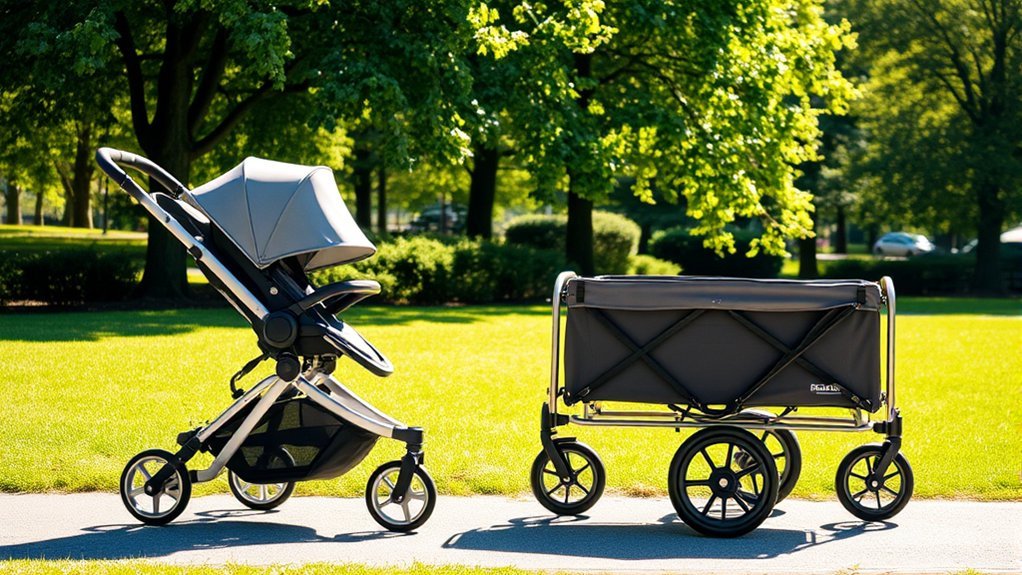
The correct jogging stroller tire pressure depends on the stroller, wheel, and tire—not on one universal PSI number. Some pneumatic jogging strollers, including several BOB Gear models, use a 30 PSI limit or recommendation, while other models may specify something different. Some newer jogging strollers even use foam-filled tires that require no inflation. Always check your stroller manual and the markings on the wheel or tire before adding air.
Quick Answer
Use the tire pressure specified for your exact jogging stroller rather than assuming every stroller needs 30 PSI. BOB Gear recommends 30 PSI for several pneumatic models, but other strollers can differ, and some use non-inflatable foam-filled tires. Check the stroller manual, wheel markings, and tire sidewall before inflating.
Key Takeaways
- There is no single correct PSI for every jogging stroller.
- Follow the stroller manufacturer’s specified pressure and never exceed the applicable maximum pressure marked on the wheel or tire.
- BOB Gear currently specifies 30 PSI for several of its air-filled jogging-stroller tires, but that should not be applied automatically to other brands.
- A bicycle or hand pump with an accurate gauge gives good control when inflating small stroller tires.
- If your stroller still pulls after the tires are correctly inflated, check wheel attachment, front-wheel tracking, and the manufacturer’s adjustment procedure.
At a Glance
| Time Required | About 3–5 minutes for a pressure and tire-condition check |
| Difficulty | Easy |
| Tools Needed | Compatible bicycle/hand pump and an accurate pressure gauge for pneumatic tires |
| Cost | Usually none if you already own a compatible pump and gauge |
Importance of Proper Tire Pressure
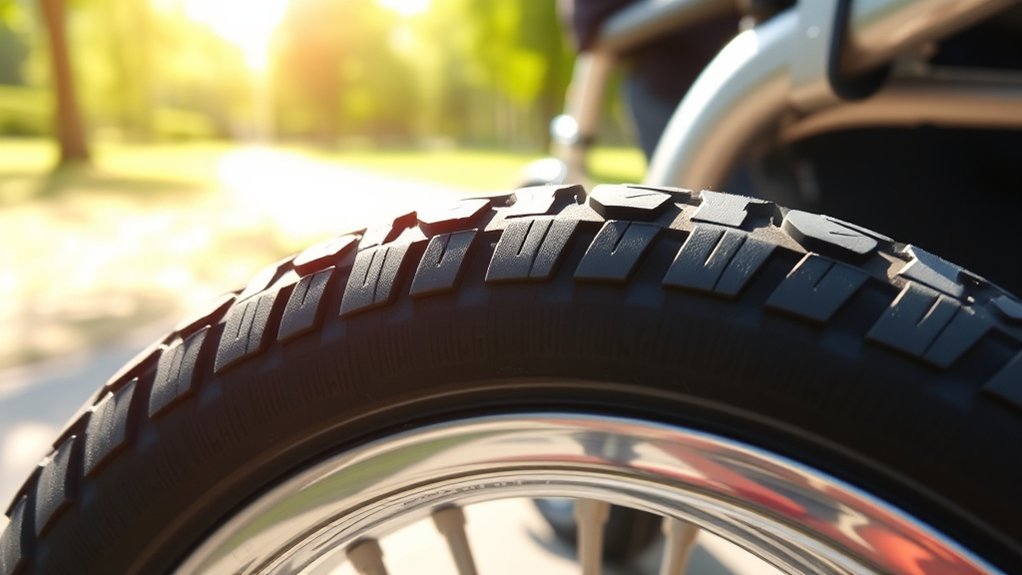
When your jogging stroller uses air-filled tires, correct inflation helps the stroller roll smoothly, track predictably, and respond properly when you steer. Pressure that is too low can increase rolling resistance and make a stroller feel sluggish or harder to control. Pressure that is too high can make the ride harsher and may exceed the wheel or tire’s safe inflation limit.
The important point is that 30 PSI is not a universal jogging-stroller specification. BOB Gear, for example, currently tells owners of its applicable pneumatic jogging strollers to maintain 30 PSI. Other strollers can have different requirements, so the number for your stroller should come from its manufacturer.
Also check what type of tire you actually have. Some current jogging strollers no longer use pneumatic tires. The UPPAbaby RIDGE V2, for example, uses never-flat foam-filled tires, so there is no air pressure to adjust.
Warning: Never inflate a stroller tire beyond the maximum pressure specified by the stroller or wheel manufacturer. Excessive pressure can damage the tire or wheel and may affect control.
How to Check Tire Pressure
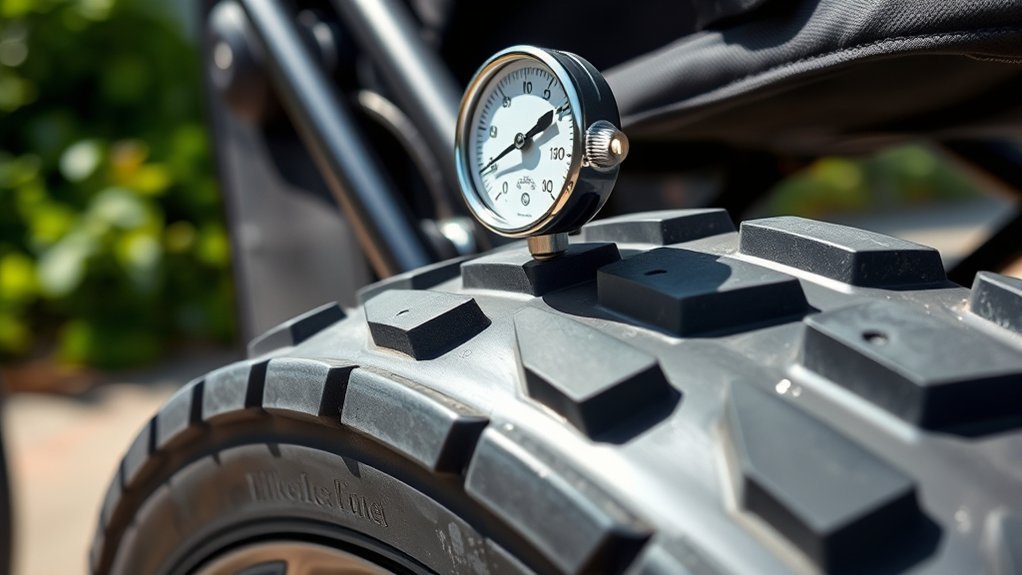
Checking a pneumatic jogging-stroller tire takes only a few minutes. You generally do not need to remove the wheels just to check pressure unless your particular stroller manual tells you to or the valve is otherwise inaccessible.
- Identify the required pressure. Check the owner’s manual, manufacturer instructions, wheel markings, and tire sidewall. Follow the manufacturer’s operating specification rather than guessing.
- Park the stroller safely. Place it on a level surface, remove the child, and engage the parking brake.
- Inspect the tire first. Look for cuts, cracking, worn tread, bulges, embedded objects, or a visibly damaged valve.
- Remove the valve cap. Attach a compatible gauge or pump head securely to avoid losing air.
- Read the pressure. Compare it with the specification for your exact stroller.
- Add or release air gradually. Small stroller tires contain relatively little air, so pressure can change quickly.
- Recheck the reading. Confirm the final pressure before replacing the valve cap.
- Check wheel security. Make sure each wheel is fully attached and rotates properly before using the stroller.
Pro Tip: Keep a compact bicycle pump with a gauge in your stroller or vehicle. BOB Gear specifically recommends a standard bicycle pump for its pneumatic jogging-stroller tires.
Recommended PSI for Jogging Strollers
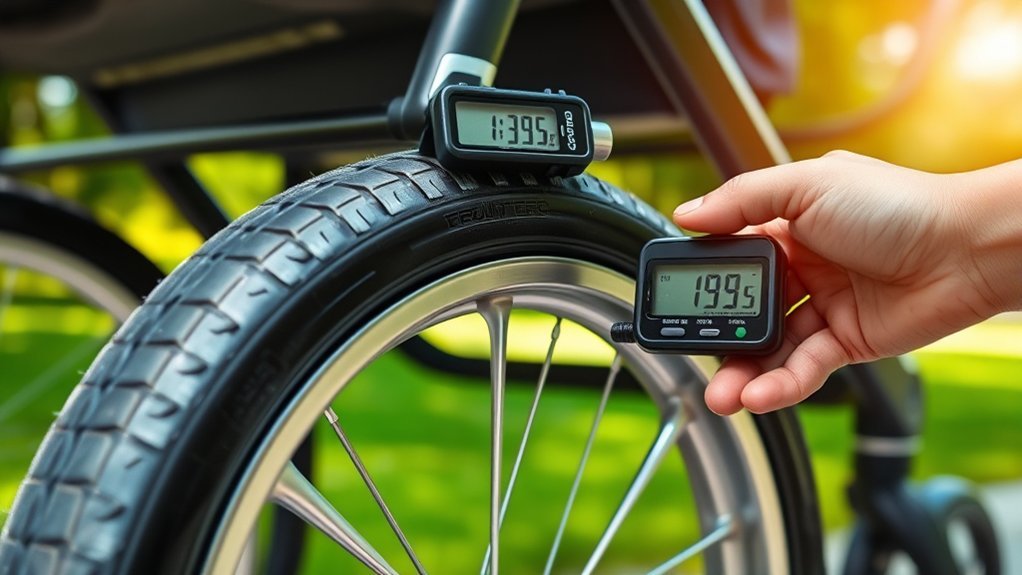
The safest answer to “What PSI should my jogging stroller tires be?” is: use the pressure specified for your exact model.
Do not automatically inflate every jogging stroller to 30 PSI. That number is appropriate for several BOB pneumatic jogging strollers, but other designs can use a different pressure or no air pressure at all.
Optimal Tire Pressure Range
There is no reliable universal “20–30 PSI” range for all jogging strollers. Instead, use this hierarchy:
| What You Find | What to Do |
|---|---|
| Manufacturer gives a recommended operating PSI | Use that specification. |
| Wheel or manual states a maximum pressure | Treat it as a ceiling; never exceed it. |
| Tire has a pressure marking but the stroller manual gives different instructions | Follow the stroller manufacturer’s instructions and contact the manufacturer if the specifications conflict. |
| Foam-filled or never-flat tire | Do not try to inflate it; follow the manufacturer’s maintenance instructions. |
For a real-world example, BOB Gear’s current jogging-stroller safety guidance specifies 30 PSI for its applicable pneumatic models. By contrast, UPPAbaby’s RIDGE V2 uses foam-filled tires that do not require pumping.
Consequences of Incorrect PSI
Under-inflated tires can make a pneumatic stroller harder to push and may contribute to poor tracking. A soft tire can also flex excessively and become more vulnerable to tube or tire problems.
Over-inflation can create a harsh ride and, if pressure exceeds the permitted limit, may damage the tire or wheel. BOB’s instructions specifically warn against exceeding the maximum inflation pressure on applicable wheels.
Unequal pressure between matching pneumatic tires can also affect how a stroller tracks. If one rear tire is significantly softer than the other, the stroller may tend to pull toward one side.
Checking and Maintaining Pressure
For pneumatic tires, make pressure checks part of your pre-run inspection. BOB Gear currently advises checking tire pressure before use on its jogging strollers. At minimum, check regularly and whenever a tire feels soft, the stroller begins pulling, or the weather changes significantly.
Use a reliable gauge rather than squeezing the tire and guessing. A tire can feel firm while still being several PSI away from its intended pressure.
Note: Air pressure in pneumatic tires changes with temperature. Colder conditions generally reduce measured pressure, while warmer conditions increase it. Recheck your stroller tires when seasonal temperatures change rather than relying on a pressure reading from months earlier.
Risks of Using Air Compressors
A hand or bicycle pump is usually the easiest way to control pressure in a small jogging-stroller tire. An air compressor is not automatically unsafe, but a high-flow compressor can add air very quickly to a low-volume tire, making it easier to overshoot the required pressure.
If your stroller manufacturer permits compressor inflation, use a regulated source with an accurate low-pressure gauge and add air in short bursts. If you cannot control the pressure precisely, use a hand pump instead.
Over-inflation Risks
Never use the idea that “firmer is better” when inflating stroller tires. Once the tire reaches the manufacturer’s required pressure, adding more air does not automatically improve performance.
Pressure beyond the permitted maximum can stress the wheel and tire and may affect handling. This is especially important on stroller wheels because the tire contains a much smaller volume of air than an automobile tire.
Uneven Inflation Issues
Uneven inflation is usually a measurement or maintenance problem, not something caused automatically by a particular type of pump. Check each pneumatic tire separately with the same reliable gauge.
If the stroller uses matching rear tires, compare their pressure according to the manufacturer’s specifications. If the stroller still drifts or pulls on level ground after the pressure is correct, do not keep adding air to one tire in an attempt to steer it straight.
Instead, inspect wheel attachment and follow the manufacturer’s tracking procedure. BOB Gear, for example, provides a front-wheel tracking adjustment for models that pull left or right in jog mode.
Damage to Wheels
Excessive pressure can damage a wheel or tire, while inadequate pressure can make the tire flex excessively. The safest approach is precise inflation rather than maximizing pressure.
| Problem | Possible Effect | Best Response |
|---|---|---|
| Pressure above permitted maximum | Wheel/tire stress and harsher handling | Reduce to the specified pressure |
| One matching tire is softer | Poor tracking or uneven rolling resistance | Check both tires with the same gauge |
| Pressure repeatedly drops | Possible tube, valve, or tire leak | Inspect and repair or replace the affected component |
Best Practices for Tire Maintenance
Good jogging-stroller tire maintenance involves more than checking PSI. Before a run, inspect the tires, wheels, and front-wheel setup as a system.
Use the pressure specified for your exact stroller, inspect the tires and wheel attachment, and correct mechanical tracking problems instead of trying to compensate with extra air.
- Check pneumatic tire pressure regularly. Follow your manufacturer’s schedule and check before running if the manual recommends it.
- Inspect the tread and sidewalls. Look for cracking, splits, cuts, bulges, exposed material, or embedded debris.
- Watch for slow leaks. A tire that repeatedly loses pressure may have a punctured tube, leaking valve, or damaged tire.
- Check wheel attachment. Gently confirm that removable wheels are fully secured according to the stroller’s instructions.
- Spin each wheel. It should rotate normally without severe wobble, binding, or rubbing.
- Check tracking. If a stroller pulls on flat ground despite correct tire pressure, follow the manufacturer’s alignment or tracking instructions.
- Replace damaged parts. A damaged tube may be patchable or replaceable depending on the manufacturer, but a cracked, bulging, badly worn, or structurally damaged tire should be replaced.
BOB Gear’s current maintenance guidance specifically recommends checking tires for cracks, splits, or worn tread and confirming that the wheels are securely connected.
Warning: On a jogging stroller with a lockable swivel front wheel, follow the manufacturer’s running instructions and lock the front wheel when required. U.S. stroller safety requirements specifically address this tip-over hazard on applicable jogging-stroller designs.
What to Do if Your Stroller Pulls to One Side
If your jogging stroller veers left or right, tire pressure is a good first check—but it is not the only possible cause.
- Remove the child and cargo before testing or adjustment.
- Verify the correct pressure in every pneumatic tire.
- Confirm that all wheels are securely installed.
- Check that the front wheel is correctly positioned for the stroller’s jogging mode.
- Test the stroller on a flat, level surface.
- If it still pulls, follow the manufacturer’s front-wheel tracking or alignment procedure.
Do not deliberately overinflate one side to compensate for a tracking problem. That masks the underlying issue and can put a tire above its proper pressure.
Pneumatic vs. Foam-Filled Jogging Stroller Tires
Not every jogging stroller needs a pump. Knowing the tire type prevents unnecessary or incorrect maintenance.
| Tire Type | Pressure Maintenance | Typical Care |
|---|---|---|
| Pneumatic / air-filled | Requires periodic pressure checks and inflation | Check PSI, tube/valve, tread, sidewall, and wheel security |
| Foam-filled / never-flat | No air-pressure adjustment | Inspect tread, wheel condition, bearings, and attachment according to the manual |
For example, Thule currently markets the Urban Glide 3 with large air-filled tires, while UPPAbaby’s current RIDGE V2 uses foam-filled tires. That difference is another reason a generic PSI recommendation cannot apply to every jogging stroller.
Engaging With the Stroller Community
Other parents and runners can be useful when you are troubleshooting stroller maintenance, especially when they own the same model. Community discussions can help you identify common symptoms such as recurring flats, tracking problems, or hard-to-access valves.
Use community advice as a starting point rather than a replacement for the manufacturer:
- Join model-specific discussions. Exact stroller model and production year matter more than generic jogging-stroller advice.
- Share useful maintenance experience. Explain what symptom you had, what the manual required, and what actually corrected it.
- Verify safety-critical advice. Before changing pressure, wheel hardware, or jogging configuration, compare community recommendations with the current manufacturer manual.
Hashtags and parent groups such as #StrollerTip and #StrollerHack can surface useful ideas, but PSI limits, wheel installation, and jogging-mode instructions should always come from the stroller manufacturer.
Frequently Asked Questions
How often should I check my jogging stroller tire pressure?
For pneumatic tires, check pressure regularly and before running when your manufacturer recommends it. BOB Gear currently advises checking pressure before use on its pneumatic jogging strollers. Also recheck whenever a tire feels soft, the stroller begins pulling, or outdoor temperatures change significantly.
Can I use a standard bicycle pump for my jogging stroller?
Usually yes if your stroller has pneumatic tires and the pump head matches the valve. BOB Gear specifically recommends a standard bicycle pump for its applicable models. Use a pump with a reliable gauge so you can stop at the stroller’s specified pressure.
What happens if I overinflate my jogging stroller tires?
Excess pressure can make the ride harsher and, if you exceed the permitted maximum, may damage the tire or wheel and affect handling. Stop at the pressure specified for your stroller rather than trying to make the tire as firm as possible.
Are there specific tires designed for jogging strollers?
Yes. Jogging strollers can use large pneumatic tires designed for smoother travel over varied terrain, while some newer models use foam-filled or never-flat designs. Always buy replacement tires, tubes, or wheels that are approved for your specific stroller model.
How do temperature changes affect tire pressure in strollers?
Air pressure in pneumatic tires generally falls as temperature drops and rises as temperature increases. That means a tire adjusted during warm weather may read lower on a cold morning. Check with a gauge and restore it to your stroller manufacturer’s specified pressure instead of relying on feel alone.
Is 30 PSI correct for every jogging stroller?
No. Thirty PSI is used by several BOB Gear pneumatic jogging strollers, but other models may specify a different pressure. Some jogging strollers have foam-filled tires that require no inflation. Check the instructions for your exact model.
Why does my jogging stroller pull even when the tire pressure is correct?
Possible causes include an improperly secured wheel, front-wheel alignment or tracking, an incorrectly positioned jogging wheel, wheel damage, or uneven tire wear. Test the empty stroller on level ground and follow the manufacturer’s tracking procedure rather than changing tire pressure beyond specification.
Conclusion
Proper jogging stroller tire pressure matters for smooth rolling, predictable tracking, and safe operation, but the right number is specific to the stroller. Do not treat 30 PSI as a universal rule. Check your owner’s manual and wheel or tire markings, use an accurate gauge, and never exceed the permitted pressure.
Before jogging, also inspect the tires and wheel attachment and follow the manufacturer’s instructions for locking the front wheel when required. These few checks take only minutes and are more useful than relying on how firm a tire feels.
Sources
- BOB Gear User Guides — official model-specific stroller instructions and maintenance information.
- BOB Gear Running With a Stroller Safety Checklist — supports BOB-specific 30 PSI guidance and jogging-mode safety checks.
- BOB Gear Jogging Stroller Maintenance Guide — supports pressure, tire-condition, bicycle-pump, and wheel-security guidance.
- UPPAbaby RIDGE V2 — confirms that some current jogging strollers use never-flat foam-filled tires rather than pneumatic tires.
- U.S. Consumer Product Safety Commission — Carriages and Strollers — official stroller safety-standard information covering wheel and stability hazards.
- Continental Tire Pressure Guide — supports the general relationship between ambient temperature and pneumatic tire pressure.