If you are comparing the 2026 Subaru Crosstrek Hybrid with the 2026 Subaru Forester Hybrid, the engine is not the deciding factor. Both use Subaru’s 194-horsepower hybrid system with standard all-wheel drive. Your decision comes down to size, cargo capacity, comfort, price position, and how you use the vehicle every day.
Quick Answer
Choose the 2026 Crosstrek Hybrid for its lower price position, easier parking, and slightly stronger fuel-economy rating. Choose the 2026 Forester Hybrid for substantially more cargo room, a taller cabin, easier rear-seat access, and greater family practicality. Both provide 194 horsepower, standard all-wheel drive, and no-plug hybrid operation.
Key Takeaways
- Both SUVs use Subaru’s 194-horsepower series-parallel hybrid system and standard all-wheel drive.
- The Crosstrek Hybrid has the stronger value case, a smaller footprint, an EPA rating of 36 mpg, and up to 597 miles of estimated range.
- The Forester Hybrid offers up to 69.1 cubic feet of cargo room, compared with up to 54.9 cubic feet in the Crosstrek.
- Neither vehicle is a plug-in hybrid, so you do not need a home charger or charging stop.
- Compare current equivalent trims because destination charges, options, accessories, and dealer fees can change the price gap.
Quick Snapshot
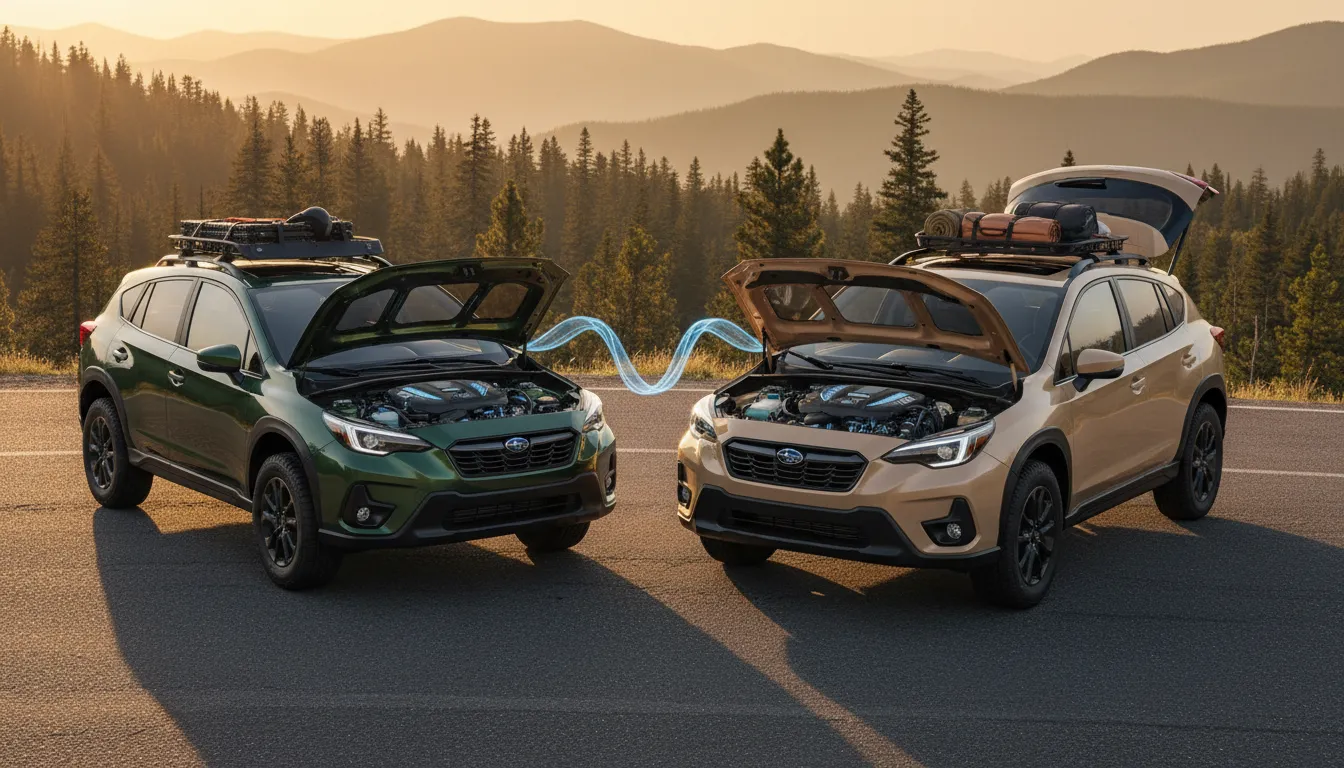
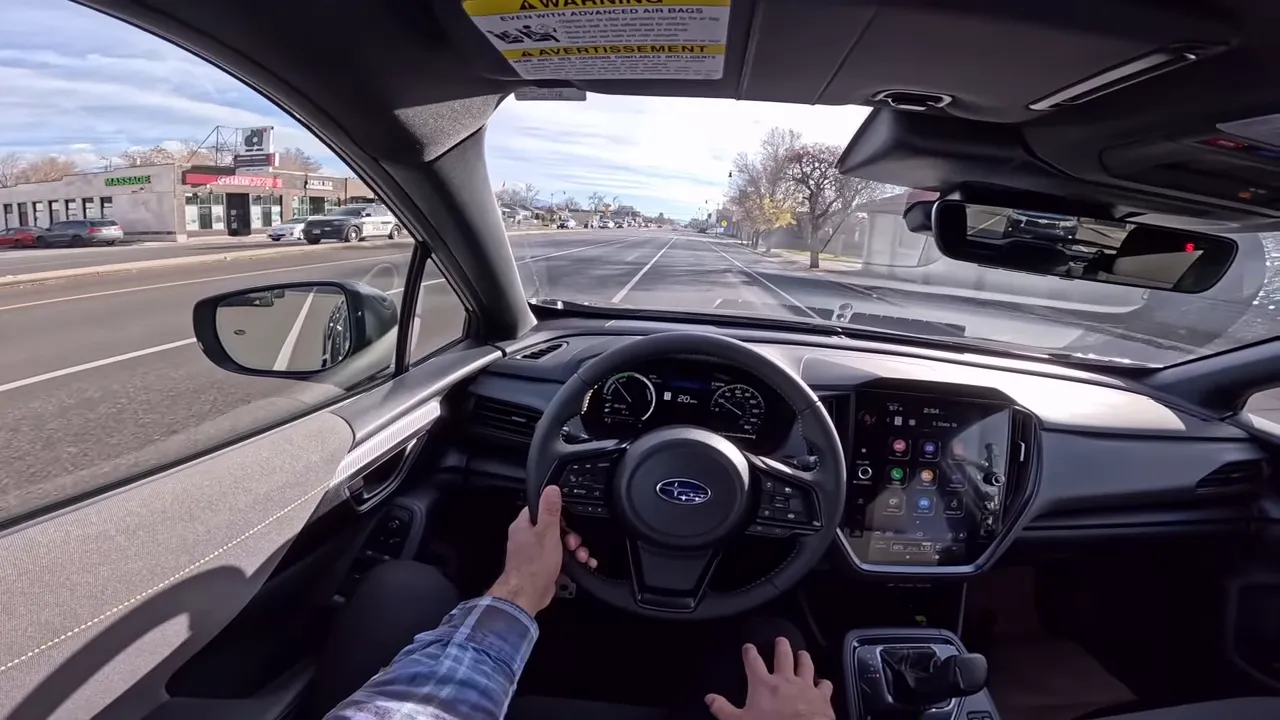
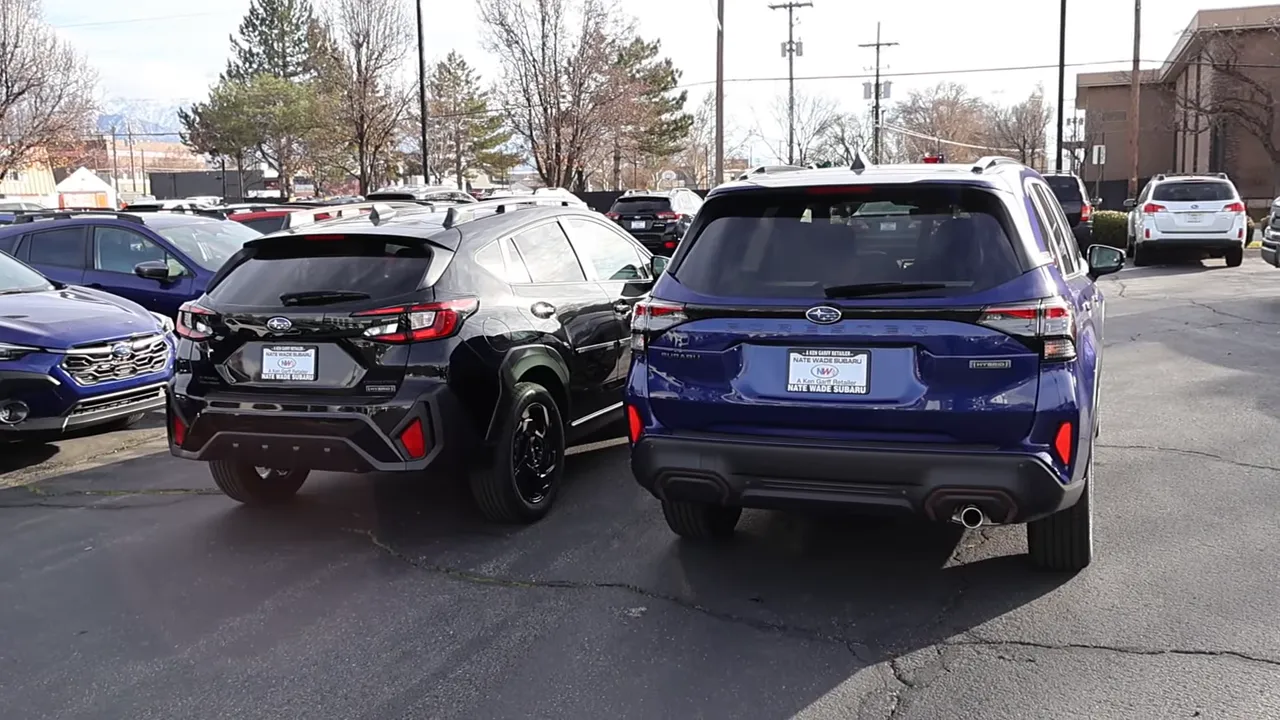
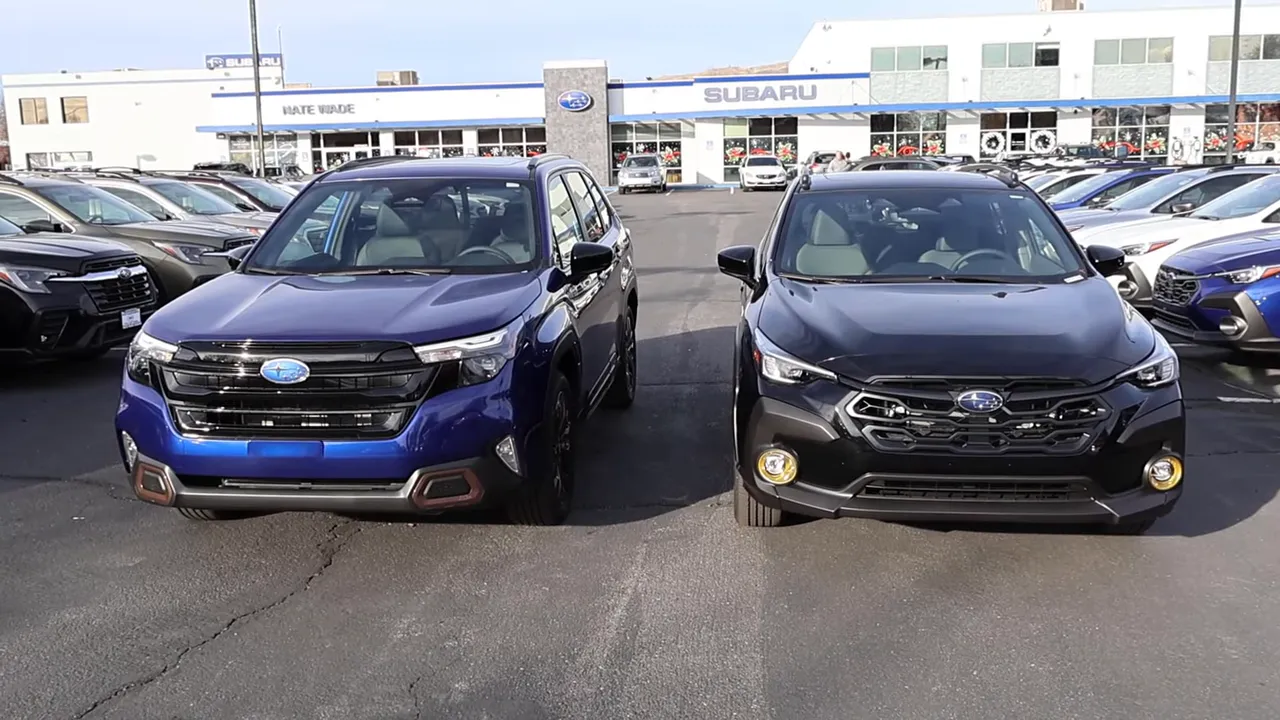
The 2026 Subaru Crosstrek Hybrid is the more compact option. Its smaller body is easier to place on crowded streets, fit into short parking spaces, and maneuver in urban traffic. It suits commuters, couples, and drivers who want Subaru capability without moving into a taller family SUV.
The 2026 Subaru Forester Hybrid is the roomier choice. Its taller, boxier cabin provides more usable cargo capacity and a more upright seating position. It better serves families, taller passengers, pet owners, and drivers who regularly carry bulky equipment.
The fuel-economy difference is small. The space difference is not. Choose by your passenger and cargo requirements first, then compare price, efficiency, and trim equipment.
At a Glance
| Best for Value and City Use | 2026 Subaru Crosstrek Hybrid |
| Best for Space and Family Use | 2026 Subaru Forester Hybrid |
| Combined System Output | 194 horsepower in both models |
| Fuel Economy | Crosstrek: EPA-estimated 36 mpg; Forester: up to 35 mpg |
| Estimated Driving Range | Crosstrek: up to 597 miles; Forester: up to 581 miles |
| Maximum Cargo Capacity | Crosstrek: up to 54.9 cu. ft.; Forester Hybrid: up to 69.1 cu. ft. |
| Drivetrain | Standard Subaru Symmetrical All-Wheel Drive |
| External Charging | Not required; both are conventional hybrids |
| Buying Decision | Choose by space needs first, then compare equivalent trims, equipment, and current pricing. |
Powertrain and Efficiency
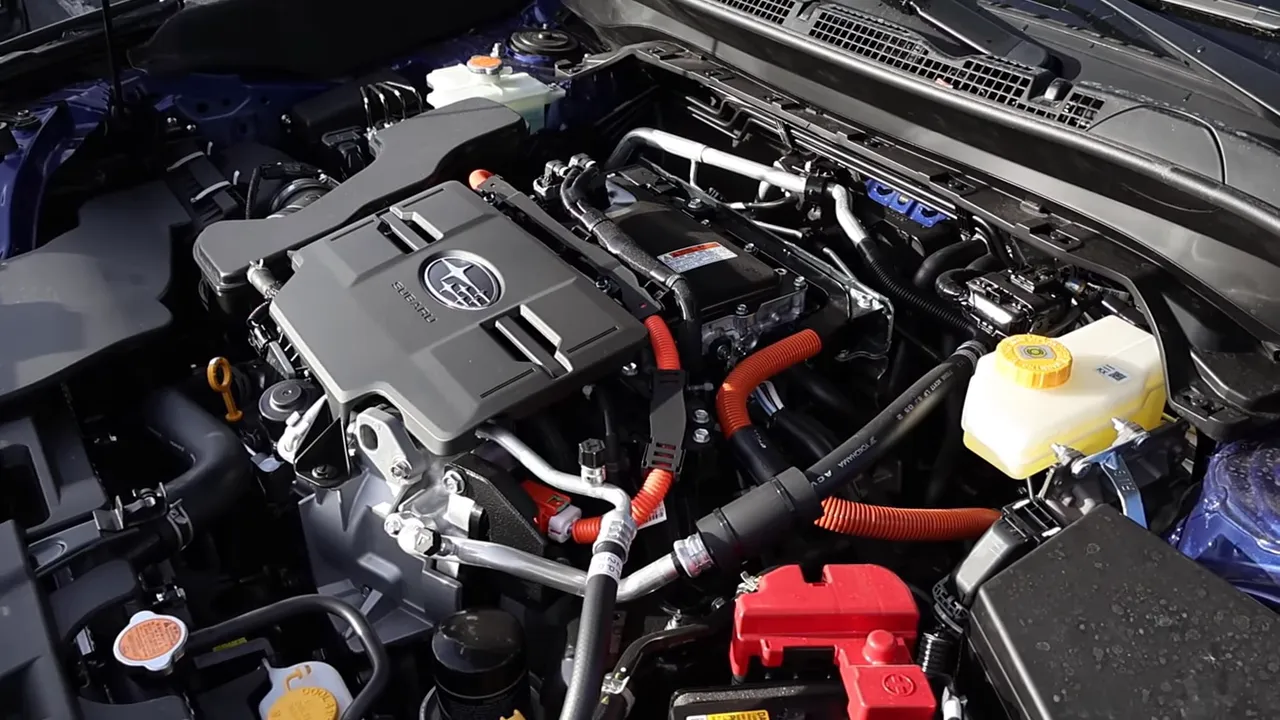
Both models use Subaru’s series-parallel hybrid system. A 2.5-liter Atkinson-cycle flat-four engine works with two motor-generators, a high-voltage battery, an electronically controlled continuously variable transmission, and standard all-wheel drive.
Subaru rates combined system output at 194 horsepower in both vehicles. You may also see a 199 lb-ft figure in specifications or reviews. That number describes the main traction motor’s torque, not the combined torque of the complete gasoline-electric system. Subaru does not present 199 lb-ft as combined-system torque.
Electric assistance supports smooth initial acceleration and allows the engine to shut off during some low-load situations. The system also recovers energy during deceleration. However, neither vehicle is designed for long electric-only trips.
Do You Have to Plug Them In?
No. The Crosstrek Hybrid and Forester Hybrid are conventional hybrids rather than plug-in hybrids. Their batteries recharge through the gasoline engine and regenerative braking. You fill the fuel tank normally and do not need a home charging station.
The Crosstrek Hybrid carries an EPA estimate of 36 mpg. Subaru advertises the Forester Hybrid at up to 35 mpg. The Crosstrek’s smaller body gives it a modest efficiency advantage, but a one-mpg difference should not outweigh a genuine need for more passenger or cargo space.
Subaru also advertises up to 597 miles of estimated range for the Crosstrek Hybrid and up to 581 miles for the Forester Hybrid. These figures are estimates based on rated economy and fuel capacity, not guaranteed distances between fill-ups.
Note: EPA mileage and manufacturer range figures are comparison tools. Temperature, traffic, speed, elevation, trip length, tire pressure, roof accessories, cargo weight, and driving style can change your results.
Space, Cargo, and Practicality
The Forester Hybrid has the clearer advantage when you regularly carry passengers or bulky gear. Subaru lists up to 69.1 cubic feet of maximum cargo capacity for the Forester Hybrid. The Crosstrek offers up to 54.9 cubic feet.
That 14.2-cubic-foot difference matters more than the small fuel-economy gap. The Forester’s taller roof, more upright body, and larger rear opening make it easier to accommodate strollers, pet crates, coolers, suitcases, camping supplies, and tall household items.
The Crosstrek remains useful for everyday errands and outdoor equipment, but it feels closer to a lifted compact hatchback. Its advantage is that you carry less exterior size when the additional cabin volume is unnecessary.
Rear-Seat Use
The Forester is the stronger choice for rear-facing child seats, taller teenagers, adult passengers, and frequent family trips. Its taller door openings and more upright seating position can also make entry and loading easier.
The Crosstrek works well for one or two people and occasional rear passengers. A small family may still find it sufficient, but you should test the rear seat with your actual child seat and the front seat positioned for your normal driving posture.
Pro Tip: Bring the items you carry most often to your test drive. A folded stroller, dog crate, golf bag, cooler, or large suitcase can reveal practical differences that maximum-volume figures cannot show.
Interior and Features
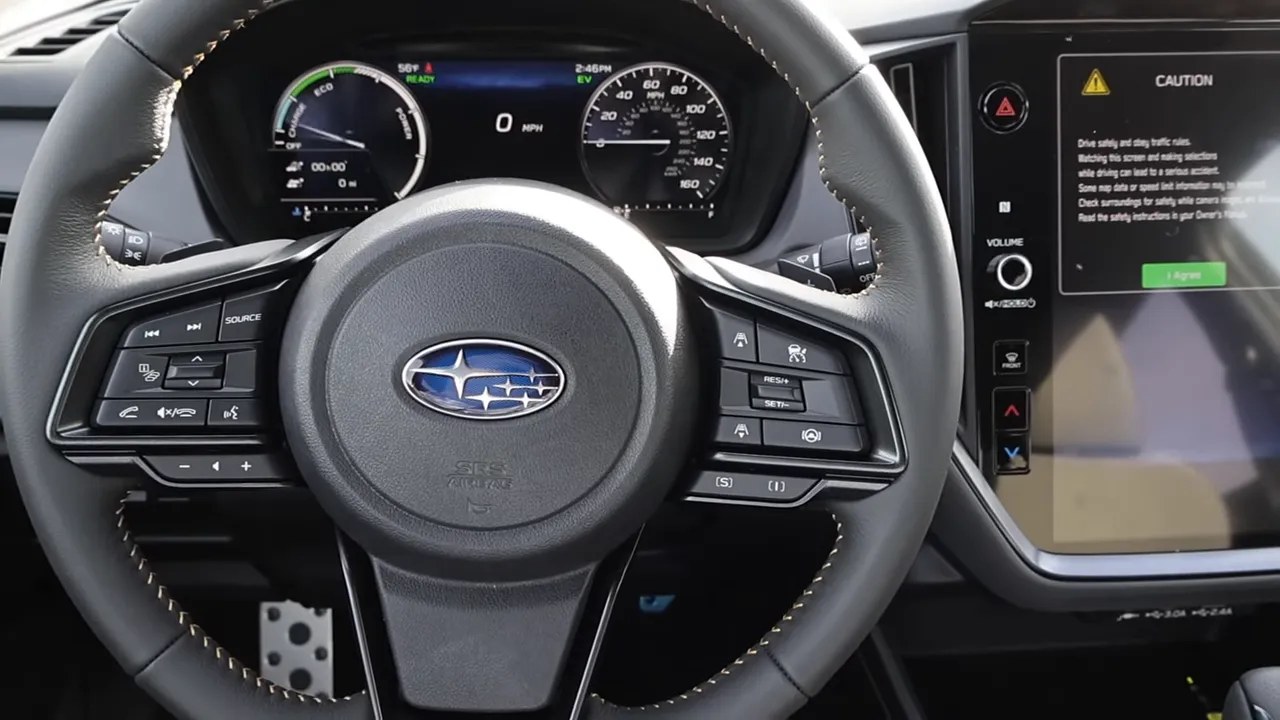
The Crosstrek Hybrid has a compact, driver-focused cabin. Its controls are easy to reach, and its smaller dimensions can make the vehicle feel less intimidating in traffic. According to Subaru’s 2026 Crosstrek feature information, the Sport Hybrid and Limited Hybrid include an 11.6-inch touchscreen.
The Forester Hybrid also uses Subaru’s portrait-style 11.6-inch multimedia system. Its advantage is not a larger screen. The benefit comes from the more open cabin, taller windows, upright seating position, and additional space around passengers.
Materials and convenience equipment vary by trim. Depending on the version, features can include upgraded upholstery, wireless phone integration, a wireless charging pad, heated seats, a digital instrument display, navigation, and a larger sunroof. Check the exact window sticker because trim names do not guarantee identical equipment across the Crosstrek and Forester lines.
Controls and Infotainment
Both models place several vehicle and comfort functions within the touchscreen. The interface can require more attention than a dashboard with dedicated physical controls. During your test drive, connect your phone and operate the climate controls, seat heaters, audio menus, driver display, and navigation.
Also check screen visibility in direct sunlight and confirm that the most frequently used controls remain easy to reach from your normal seating position.
Safety and All-Weather Capability
Both hybrids include standard Subaru Symmetrical All-Wheel Drive and EyeSight driver-assistance technology. Available or trim-dependent functions can include adaptive cruise control, lane-centering assistance, automatic emergency braking, blind-spot monitoring, rear cross-traffic alert, and additional parking support.
The Crosstrek Hybrid provides 8.7 inches of ground clearance, which supports driving on snowy streets, maintained dirt roads, and uneven access routes. The Forester’s taller body and broad outward visibility may feel more natural to drivers who prefer a traditional SUV seating position.
Warning: EyeSight and other driver-assistance features do not replace attentive driving. Performance can be affected by weather, dirty sensors, road markings, visibility, speed, and traffic conditions.
On the Road: Driving Impressions
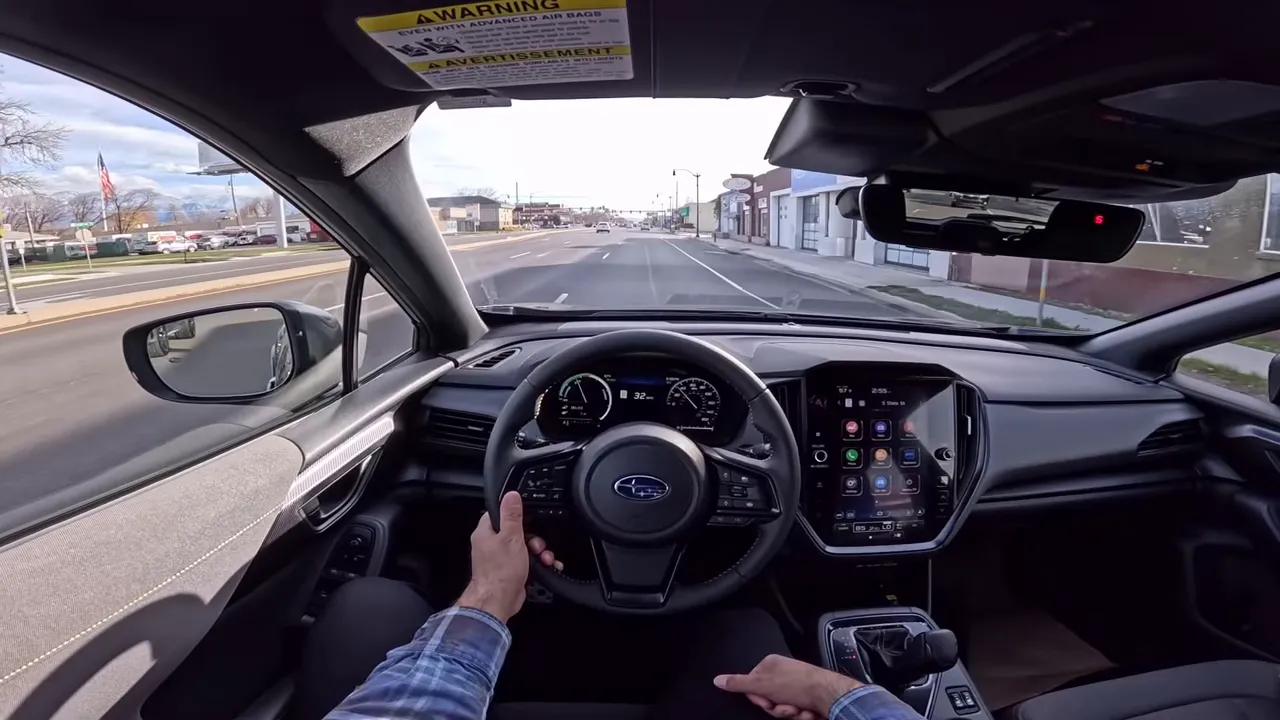
The two vehicles share their basic hybrid output, but their proportions create different driving experiences. The Crosstrek’s smaller footprint should feel easier to position on narrow streets, in parking structures, and around tight corners. It is the more natural choice for drivers moving from a compact sedan or hatchback.
The Forester feels more substantial and upright. Its higher roof and seating position improve the sense of space and can make surrounding traffic easier to see. The larger cabin is also better suited to passengers who spend long periods in the vehicle.
Do not assume that the more compact vehicle will automatically feel quieter or that the larger vehicle will always ride better. Tire design, wheel size, road surface, trim equipment, seat shape, and individual sensitivity can change your impression.
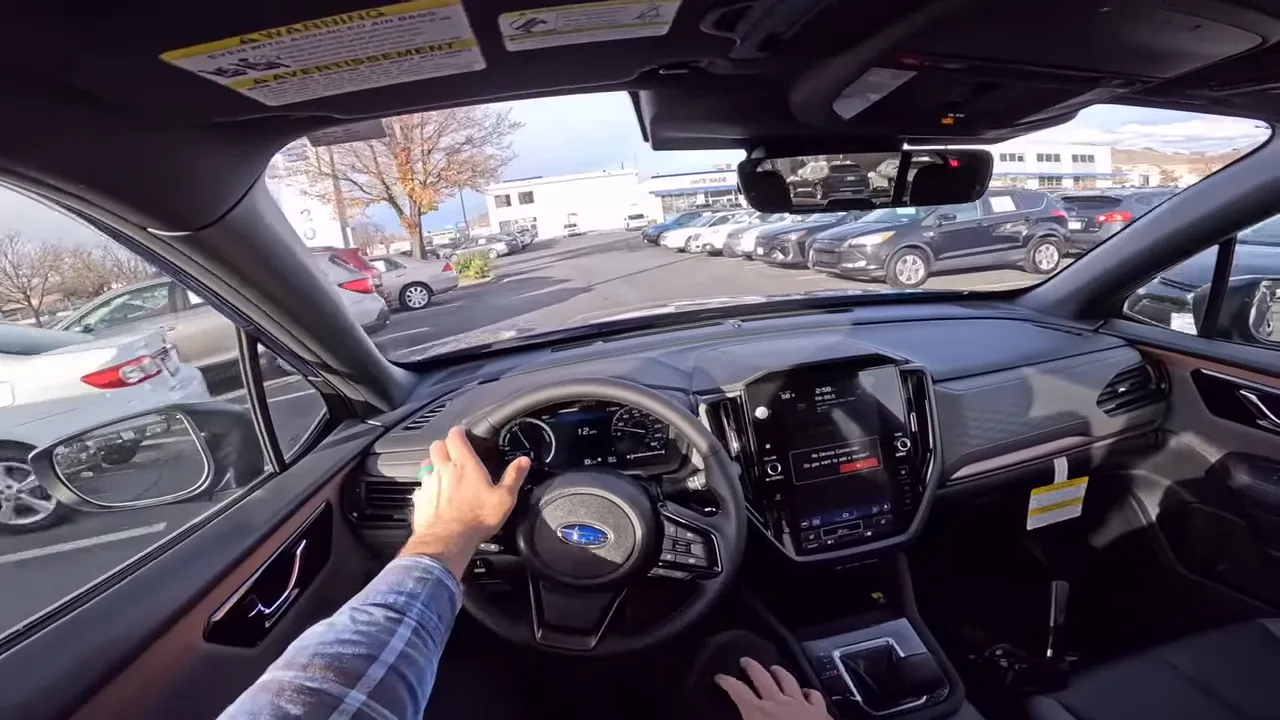
Drive both models on the same types of roads you use every week. Include stop-and-go traffic, a highway section, rough pavement, parking maneuvers, and at least one moderate hill if possible.
Price and Value
The Crosstrek Hybrid occupies the lower price position, while the Forester Hybrid charges more for its larger body and added utility. A permanent dollar gap is not useful unless the comparison names the exact trims and states whether destination charges are included.
When comparing prices, use the same basis for both vehicles:
- Choose trims with comparable equipment.
- Include destination and delivery charges.
- Separate factory options from dealer-installed accessories.
- Check taxes, registration, documentation fees, and financing costs.
- Compare the final out-the-door figures rather than monthly payments alone.
The Crosstrek offers stronger value when you will not use the Forester’s additional space. You receive similar hybrid performance, slightly better rated efficiency, standard all-wheel drive, and a lower starting position in the lineup.
The Forester earns its premium when rear-seat access, cargo height, passenger comfort, and daily family use affect nearly every trip. Paying more for unused space is poor value, but paying more for space you need every day can be reasonable.
Consider Other Subaru Models
Subaru places several models in overlapping price ranges. Compare the current Subaru Outback if you want more cargo length or a wagon-like driving position. However, do not assume it is automatically a better deal. Compare powertrain, fuel economy, standard equipment, cargo shape, and current out-the-door pricing.
Hybrid Ownership and Maintenance
Neither vehicle requires a special charging routine. You maintain the gasoline engine, tires, brakes, fluids, filters, and other wear items according to Subaru’s published maintenance schedule. The regenerative braking system may reduce some use of the friction brakes, but brake condition still requires regular inspection.
Hybrid components and their coverage can be subject to separate warranty terms and regional requirements. Review the warranty booklet for the exact vehicle and state where it will be registered. Do not rely only on a salesperson’s verbal description.
Before buying, ask for a vehicle-specific insurance quote. Repair costs, replacement parts, driver-assistance sensors, wheel size, location, annual mileage, and driver history may affect premiums more than the small difference in fuel economy.
A Quick Verdict
The Crosstrek Hybrid is the better all-around value for commuters and smaller households. It gives you the same 194-horsepower hybrid output, standard all-wheel drive, easier urban maneuvering, a 36-mpg EPA rating, and a lower price position.
The Forester Hybrid is the stronger practical SUV. Its up-to-69.1-cubic-foot cargo capacity gives it a meaningful advantage for families, pets, road trips, and large equipment. Its taller cabin also creates a more traditional SUV experience.
Neither model wins every category. The Crosstrek minimizes cost and exterior size. The Forester minimizes space-related compromises.
The clearest difference is cargo capacity: up to 54.9 cubic feet in the Crosstrek versus up to 69.1 cubic feet in the Forester Hybrid.
Buying Guide: How to Choose Between Them
- Measure your space needs: Choose the Forester if you regularly carry child seats, adult rear passengers, pets, luggage, or tall equipment.
- Consider your parking environment: Choose the Crosstrek if you use narrow streets, compact garages, parking structures, or crowded urban spaces.
- Compare cargo shapes: Do not rely only on maximum volume. Check opening width, floor length, roof height, seat-folding operation, and loading height.
- Compare equivalent trims: Match safety features, upholstery, wheel size, infotainment, heated features, and convenience equipment before comparing prices.
- Check the complete purchase cost: Include destination, taxes, dealer fees, accessories, financing, and insurance.
- Test the controls: Connect your phone and operate the climate, seat heaters, audio, navigation, and driver displays.
- Drive a realistic route: Include traffic, highway speeds, broken pavement, hills, and parking maneuvers.
- Bring your passengers and equipment: Real child seats, luggage, pet equipment, or mobility devices provide better answers than a brochure.
Who Should Buy the Crosstrek Hybrid?
The Crosstrek Hybrid is best for drivers who want Subaru all-wheel-drive capability in a smaller and more efficient package. It makes sense for daily commuting, city parking, two-person households, and buyers who rarely fill a large cargo area.
It is also a natural step for someone moving from a hatchback, compact sedan, or small crossover. You gain a higher seating position and useful ground clearance without accepting the full exterior size of the Forester.
Choose it when lower purchase cost and easier daily maneuvering matter more than maximum rear-seat and cargo room.
Who Should Buy the Forester Hybrid?
The Forester Hybrid better serves buyers who use their vehicle as a family or multipurpose SUV. Its additional cargo volume, taller rear opening, upright cabin, and easier passenger access become valuable when you use them regularly.
It is the stronger choice for rear-facing child seats, tall passengers, dogs, camping equipment, airport luggage, long road trips, and households that expect their space requirements to grow.
Choose it when avoiding a cramped cabin is more important than saving a modest amount on fuel or purchasing the smaller vehicle.
Frequently Asked Questions
Which one gets better fuel economy?
The Crosstrek Hybrid has the stronger rating. It carries an EPA estimate of 36 mpg, while Subaru advertises the Forester Hybrid at up to 35 mpg. Actual results vary with weather, speed, terrain, traffic, tire pressure, cargo, and driving style.
How much more cargo space does the Forester Hybrid offer?
Subaru lists up to 69.1 cubic feet of maximum cargo capacity for the Forester Hybrid and up to 54.9 cubic feet for the Crosstrek. That gives the Forester an advantage of up to 14.2 cubic feet.
Do the Crosstrek Hybrid and Forester Hybrid need to be plugged in?
No. Both are conventional hybrids. Their batteries recharge through the gasoline engine and regenerative braking, so you do not need a charging station or an external charging cable.
Do both hybrids have the same horsepower?
Yes. Subaru rates both hybrid systems at 194 combined horsepower. The often-mentioned 199 lb-ft figure refers to the main traction motor, not the combined torque of the complete hybrid system.
Which is the better value overall?
The Crosstrek Hybrid is the better value when you do not need the Forester’s additional space. The Forester can justify its higher price when its larger rear seat, taller cabin, and extra cargo capacity solve daily practical needs.
Is the Forester Hybrid better for families?
The Forester Hybrid is usually the better family vehicle because it provides more passenger space, easier rear-seat access, a taller cargo opening, and up to 69.1 cubic feet of maximum cargo capacity.
Do both models include all-wheel drive?
Yes. Both models include Subaru Symmetrical All-Wheel Drive as standard equipment. Tire condition and tire type still have a major effect on braking, steering, and winter traction.
Should I test drive both before buying?
Yes. The vehicles share similar hybrid performance, but their seating positions, outward visibility, cargo access, cabin dimensions, control layouts, and road behavior feel different. Drive both on the same route and bring your regular passengers or cargo when possible.
Final Thoughts
The 2026 Subaru Crosstrek Hybrid and Forester Hybrid use similar technology but solve different problems. The Crosstrek prioritizes compact dimensions, rated efficiency, and value. The Forester prioritizes passenger room, cargo capacity, and everyday SUV utility.
Choose the Crosstrek Hybrid if you mainly commute, park in tight spaces, carry limited cargo, and want the lower price position. Choose the Forester Hybrid if you regularly use the rear seats, transport bulky equipment, travel with pets, or need more room for family life.
The most useful decision rule is simple: do not pay for Forester space you will not use, and do not choose the Crosstrek to save a little money if its smaller cabin will frustrate you every week.
Sources
- Subaru: 2026 Crosstrek Hybrid — hybrid operation, estimated range, all-wheel drive, ground clearance, and safety information.
- Subaru: 2026 Crosstrek Features — cargo capacity, infotainment, trim equipment, and capability details.
- Subaru: 2026 Forester Hybrid — fuel economy, estimated range, cargo capacity, hybrid technology, and standard all-wheel drive.
- Subaru: 2026 Forester Hybrid Features — interior measurements, cargo information, technology, and driver-assistance features.
- Subaru Media: 2026 Crosstrek Hybrid Introduction — hybrid-system design and powertrain specifications.