Overview 🚙
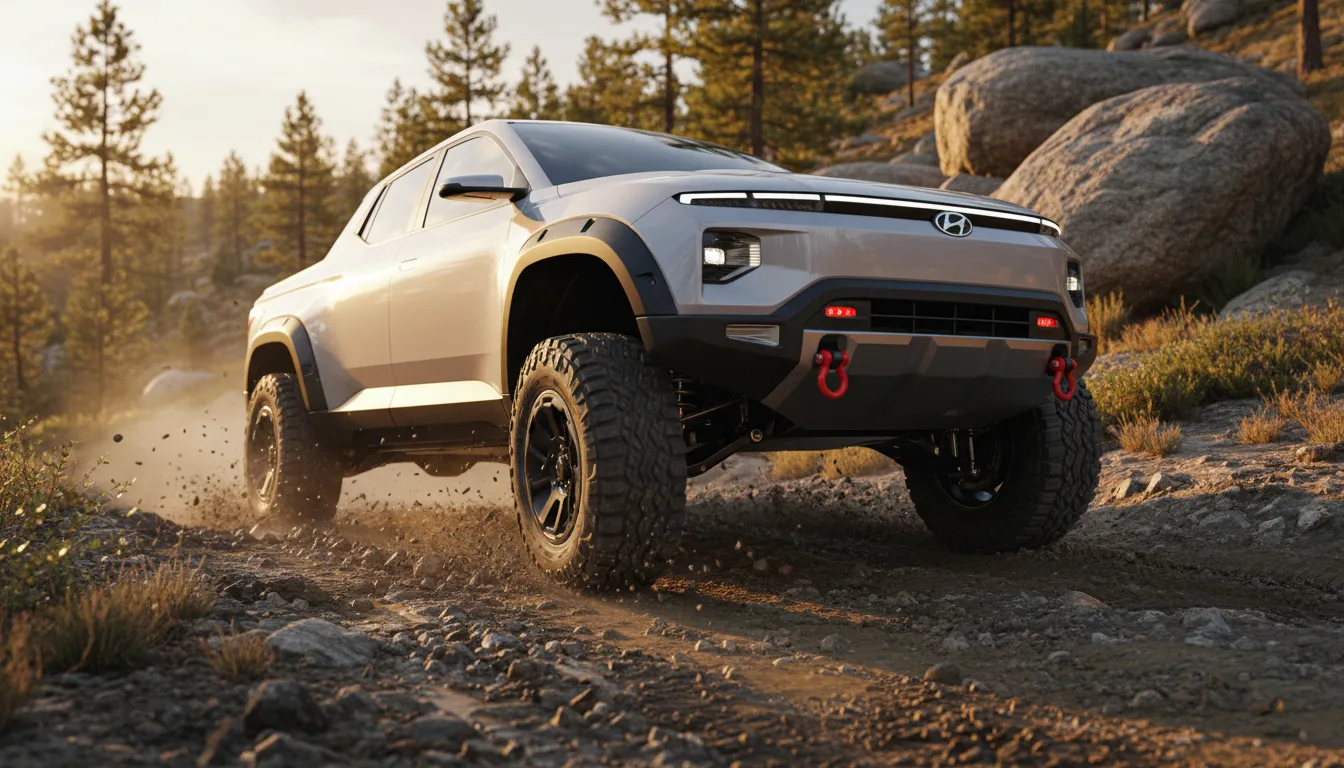
The Santa Cruz XRT is Hyundai’s answer to buyers who want a pickup-like utility without stepping into a full-size truck. The XRT package adds recovery points, a taller ride height with 8.6 inches of ground clearance, and all-terrain tires. I took one into some surprisingly gnarly terrain to see how far a unibody crossover-truck can be pushed off pavement.
What the XRT Brings to the Trail 🛠️
The XRT package is not just cosmetic. Key hardware and software features include:
- Recovery points for real-world recovery situations.
- 8.6 inches of ground clearance, which matters more than you might expect in tighter trails.
- All-terrain tires from the factory and terrain drive modes: snow, mud, and sand.
On paper this sounds promising. On the trail, it proved capable but with some clear limitations related to being a unibody vehicle with a road-biased setup.
First Test: Steep Descents and Ascents 🧭
I ran a loop that included a modest 15 degree climb and a much steeper 33 degree drop and climb. The 8-speed automatic is surprisingly good at slow-speed crawling, which helps when you need precise throttle control. Hill descent control is present, but it wasn’t slow enough for very steep sections—braking was still required.
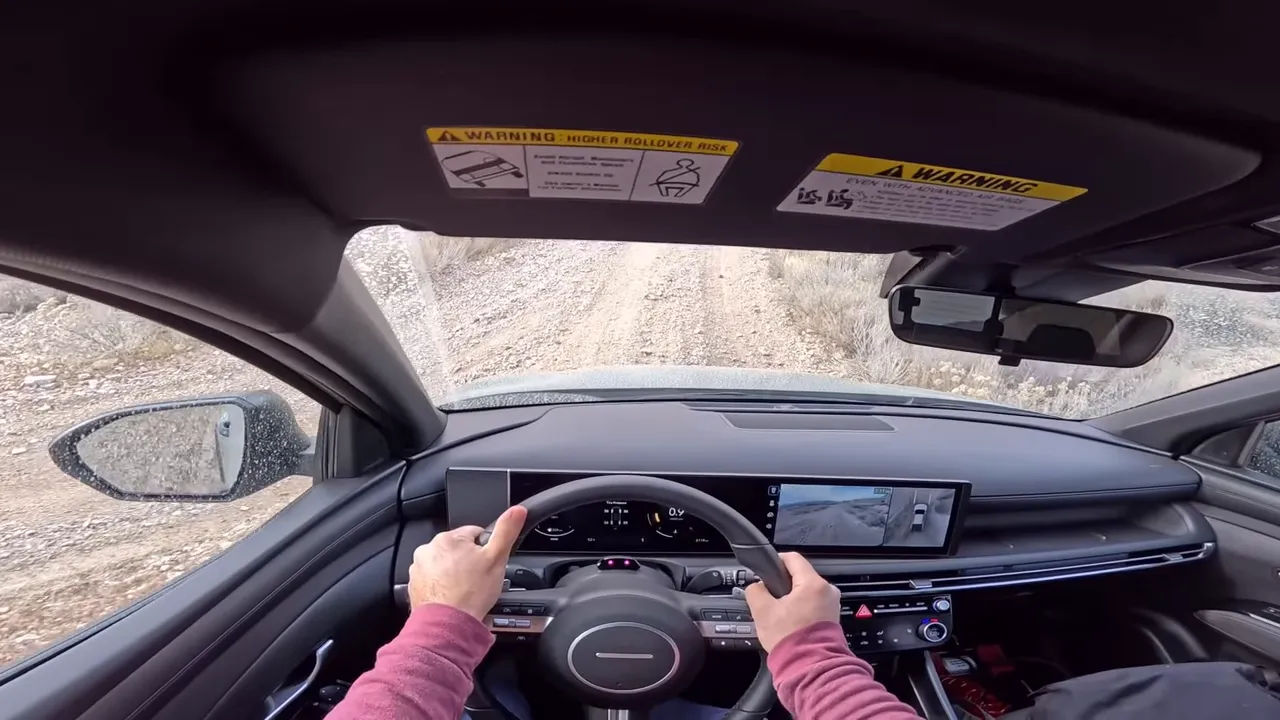
Going down the 33 degree slope the system can manage it, though I would not want to rely on it for sustained, very steep descents. Going back up revealed the real constraints: without a two-speed transfer case or true low range, available torque to the wheels is limited and the Santa Cruz needs traction more than outright grunt.
Terrain Modes and Traction Behavior ❄️
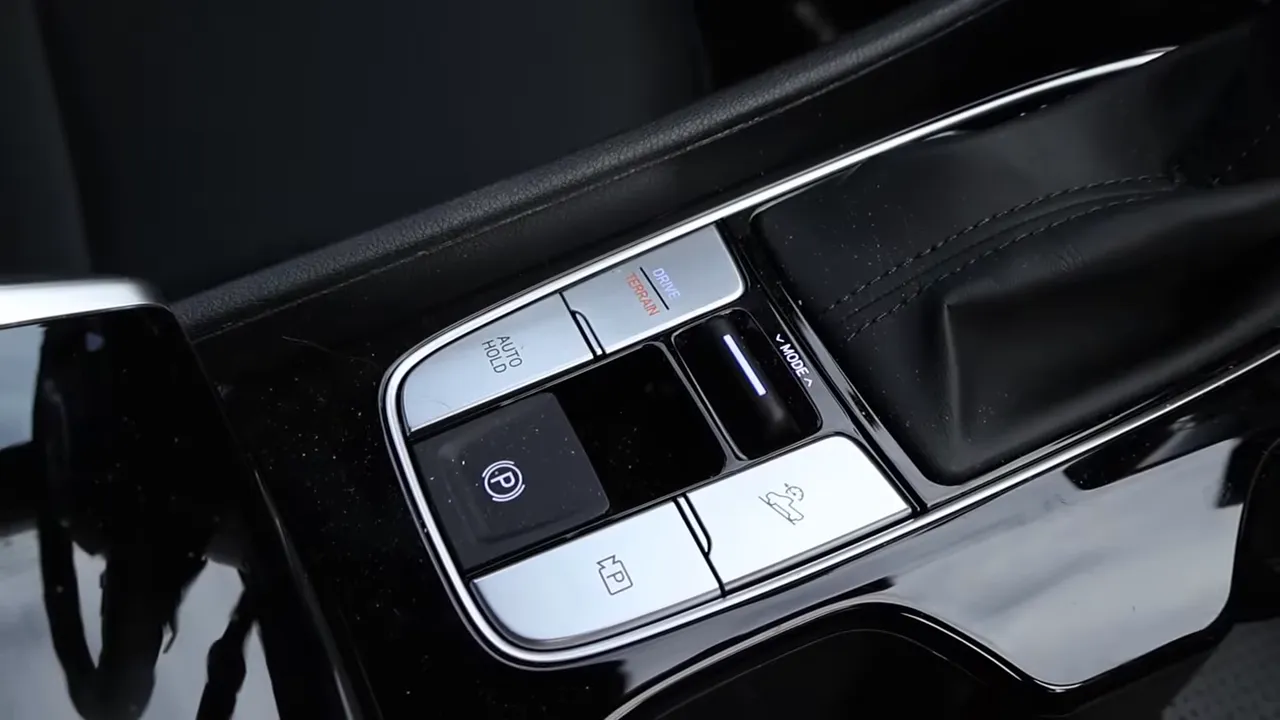
The vehicle offers three modes relevant to loose-surface driving: snow, mud, and sand. They are simple but meaningful. Sand mode was the closest match to the surface I was on, and the traction system intervened quickly and often.
Expect the traction control to pulse and hunt for grip. It can get the truck forward, but it sometimes sounds like a washing machine working overtime. That pulsing actually matters—it keeps the truck moving even when a wheel lifts off the ground.
Tires, Sidewall Rating, and Body Protection ⚙️
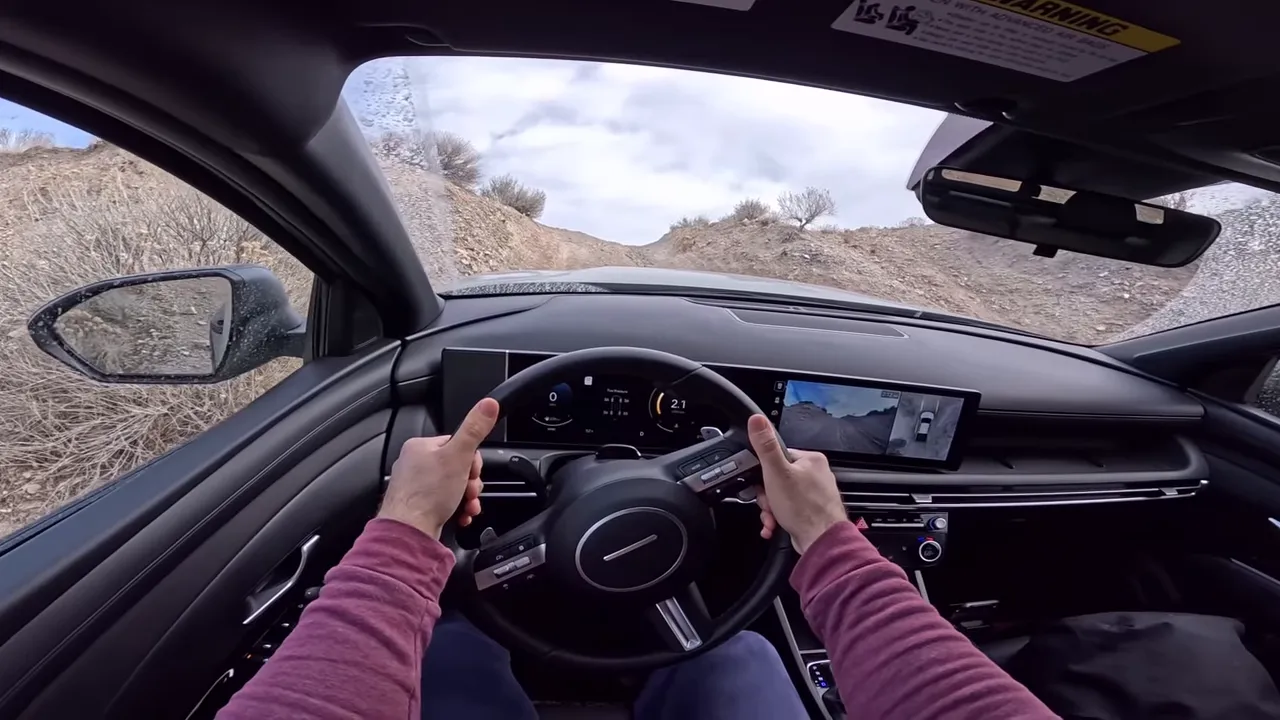
Stock tires are 245/60 on an 18-inch wheel with a 60 sidewall rating. That means the sidewalls are fairly road-oriented and vulnerable to punctures on rocky trails. Because of the limited underbody protection typical of unibody crossovers, take obstacles slowly and pick your line carefully.
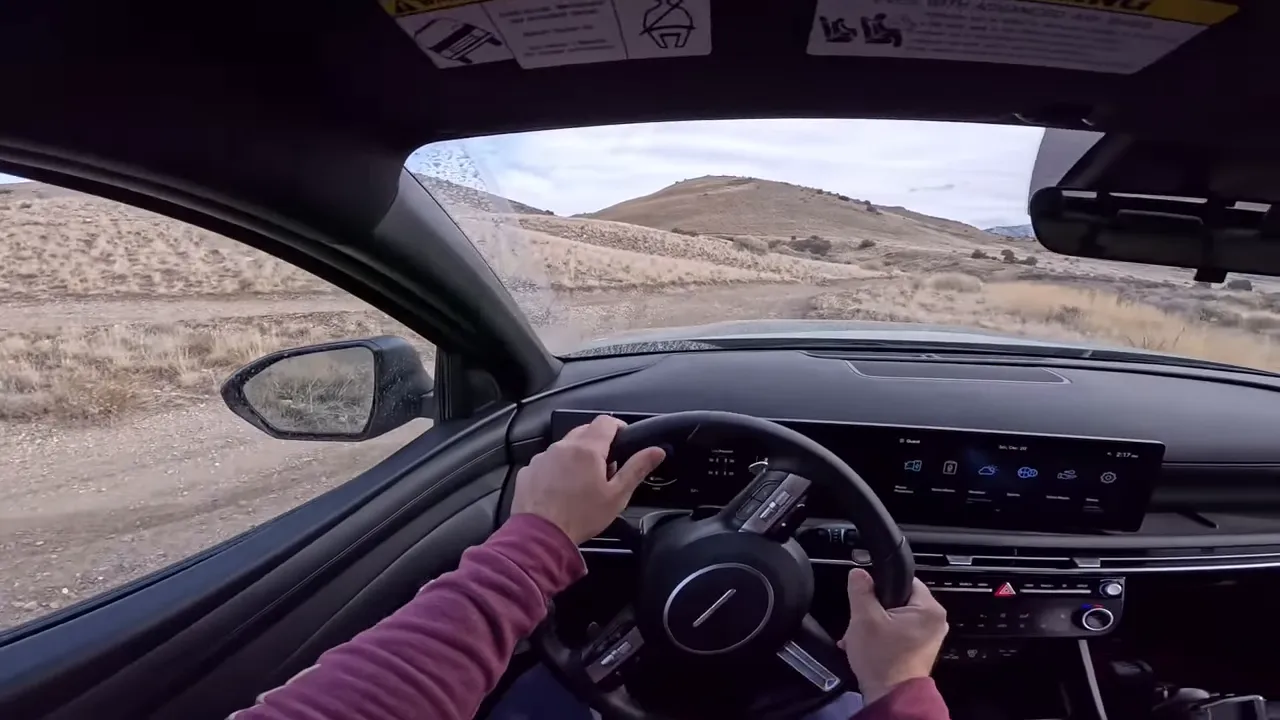
If you want to push this further: fit more aggressive all-terrain tires with stronger sidewalls and consider basic underbody protection. Those two upgrades would materially increase the truck’s ability to explore rougher places.
Articulation, Suspension, and When Wheels Leave the Ground 🛞
Being unibody gives the Santa Cruz a more rigid chassis and a low center of gravity, so it feels stable on uneven ground. The trade-off is that suspension travel and approach, breakover, and departure angles are limited compared to body-on-frame trucks.
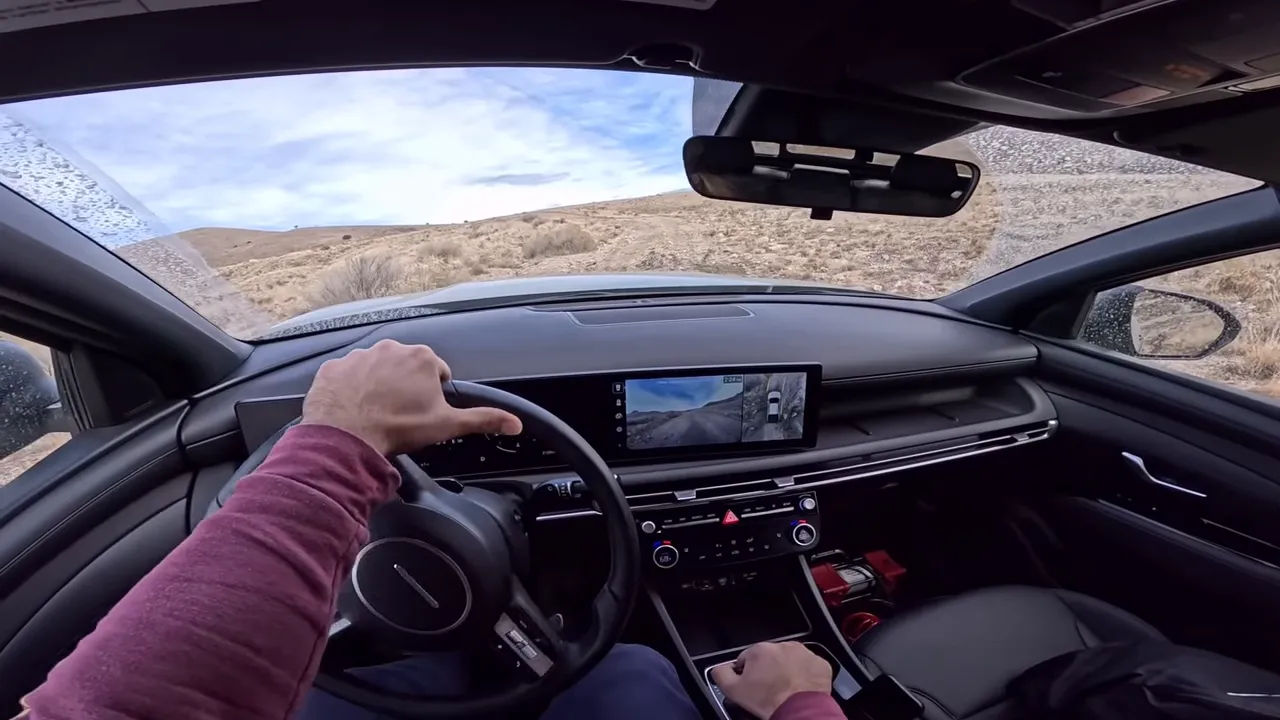
On a particular obstacle the traction system impressed: the truck essentially two-wheeled its way up, with one rear tire and one front tire nearly off the ground while the remaining tire(s) carried the load. It kept going, which is a real testament to both torque delivery and traction management.
Practical Takeaways ✅
- Yes, it can go off-road. The XRT is a legitimate capable trail tool for slower-pace adventure driving.
- Go slow and pick lines. Unibody construction and low-hanging components mean slower, more cautious progress over obstacles.
- Tire choice matters most. Swapping to aggressive all-terrain tires with better sidewall protection unlocks a lot of capability.
- Don’t expect low-range performance. Without a true low-range transfer case the truck needs traction and driver finesse more than gearing for extreme ascents.
- Good traction software. The traction system reacts quickly and can carry the vehicle through situations where wheels briefly lose contact.
Final Verdict 🏁
The 2026 Santa Cruz XRT is more than a styling package. With its traction system, torque-rich turbo, and modest ground clearance, it handles real off-road chores surprisingly well—especially when you accept a slower, deliberate pace. With better tires and a little underbody protection, this compact unibody pickup becomes a genuinely useful adventure vehicle for owners who want capability without stepping up to a full-size truck.