
The best grass seed for Tennessee depends on whether your lawn gets full sun, partial shade, or heavy shade. Tennessee sits in the transition zone, where cool-season grasses face summer heat and warm-season grasses turn brown during winter.
For a mixed-light, cool-season lawn, Scotts Turf Builder Sun & Shade Mix is our best overall pick because it combines several grass species with fertilizer and soil improver. For economical, hard-wearing ground cover, consider Pennington Kentucky 31 Tall Fescue.
These recommendations consider grass type, sunlight needs, germination time, coverage, and manufacturer planting guidance. No independent hands-on growing trials were conducted for this roundup.
Grass Seed for Tennessee Lawns Compared
Compare the planting purpose before choosing a bag. Coverage figures are different for new lawns and overseeding, and temporary ryegrass should not be confused with a permanent lawn variety.
| Product | Best for | Sunlight | Coverage / use |
|---|---|---|---|
Best overall | Mixed-light cool-season lawns | Full sun to shade | New: 745 sq. ft. Overseed: 2,240 sq. ft. |
Budget utility lawn | Durable, economical turf | 4–8 hours | Manufacturer seeding rate: 12 lb/1,000 sq. ft. new; 5 lb/1,000 sq. ft. overseeding |
Fast establishment | New lawns and quick overseeding | Sun and shade | New: 835 sq. ft. Overseed: 2,800 sq. ft. |
Patch and repair | Small bare spots and slopes | Sun and shade | Patch repair: up to 85 sq. ft. |
Best for shade | Tree-covered lawns | 2–6 hours | New: up to 600 sq. ft. Overseed: up to 1,750 sq. ft. |
Small-area rapid seeding | Small lawns and side yards | Sun and shade | New: 355 sq. ft. Overseed: 1,200 sq. ft. |
Temporary winter cover | Seasonal color and erosion cover | 6–8 hours | Up to 2,000 sq. ft. seasonal overseeding |
Renovation projects | New lawns and post-work repair | 4–6 hours | New: 580 sq. ft. Overseed: 1,400 sq. ft. |
Large lawns | Bulk utility lawn establishment | 4–8 hours | Up to 8,000 sq. ft. overseeding |
Best Grass Seed for Tennessee: Our Top Picks
1. Scotts Turf Builder Sun & Shade Mix 5.6 lb
Bottom line: Scotts Turf Builder Sun & Shade Mix is the strongest all-around option here for a cool-season Tennessee lawn with changing sunlight. Its combination of grass seed, fertilizer, and soil improver simplifies establishment.
- Bag size: 5.6 lb, suitable for moderate lawn projects.
- Grass types: Kentucky bluegrass, perennial ryegrass, and fine fescues.
- Sunlight: Full sun to shade, although very dark sites remain challenging.
- Coverage: 745 sq. ft. new; 2,240 sq. ft. overseeding.
- Planting: Spring or fall, with fall preferred in Tennessee.
The main advantage is flexibility. Sunny edges, partly shaded backyards, and areas beneath open tree canopies may all need slightly different grass types. This mix includes several cool-season species to handle those differences.
Scotts describes its Root-Building Nutrition as a combination of seed, fertilizer, and soil improver. That is useful when you want fewer separate products during planting. It does not remove the need for loose soil, good seed-to-soil contact, and regular watering.
The biggest limitation is Tennessee’s summer climate. Bluegrass and fine fescues can struggle during prolonged heat and drought. For a very hot, fully sunny lawn, warm-season bermudagrass or zoysiagrass may be more appropriate.
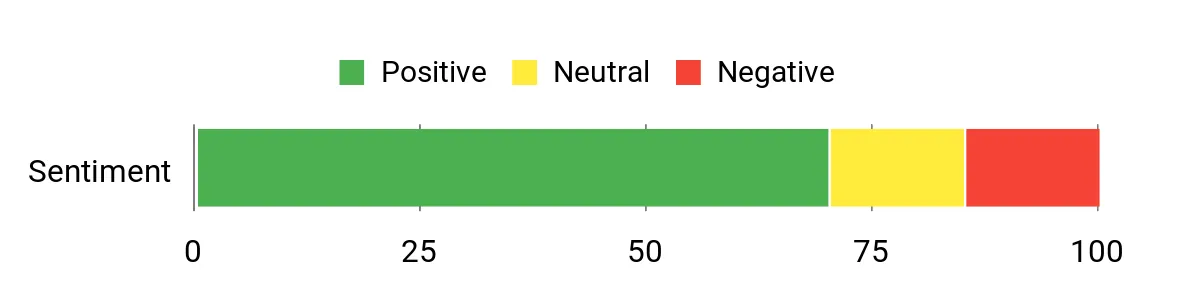
Original article sentiment graphic retained; its source data has not been independently verified.
- Several grasses for mixed light conditions
- Seed, fertilizer, and soil improver together
- Suitable for new lawns and overseeding
- Useful for scattered thin areas
- Cool-season grasses may suffer summer stress
- Not a substitute for warm-season turf in hot sites
- Requires consistent establishment watering
2. Pennington Kentucky 31 Tall Fescue 3 lb
Bottom line: Pennington Kentucky 31 is a traditional tall fescue suited to practical, lower-cost lawns. Choose it for toughness and ground cover rather than the fine, dark-green appearance of improved turf-type tall fescues.
- Bag size: 3 lb, convenient for smaller projects.
- Grass type: Kentucky 31 tall fescue.
- Sunlight: 4–8 hours per day.
- Planting rate: 12 lb/1,000 sq. ft. new; 5 lb/1,000 sq. ft. overseeding.
- Germination: Manufacturer indicates 8–21 days.
This is an economical seed for yards where durability matters more than refined appearance. Established Kentucky 31 tolerates moderate drought, traffic, and challenging weather better than many delicate cool-season lawn grasses.
Its coarser blades and lighter-green color are important trade-offs. If you are renovating a highly visible front yard, improved turf-type tall fescue varieties may create a more uniform, attractive surface.
Kentucky 31 grows in clumps rather than spreading aggressively across bare ground. Place the seed evenly and repair remaining gaps instead of expecting it to creep across the entire lawn.
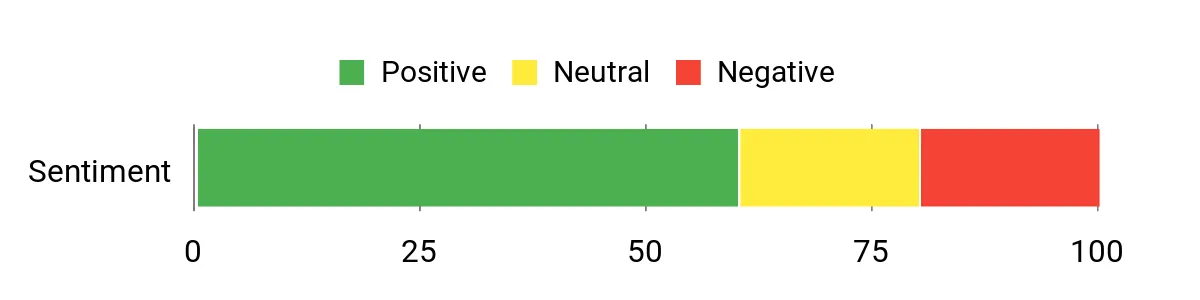
Original article sentiment graphic retained; its source data has not been independently verified.
- Economical traditional fescue
- Good established drought tolerance
- Suitable for utility lawns
- Handles moderate foot traffic
- Coarser texture than improved turf-type fescue
- Not ideal for deep shade
- Limited lateral spreading
3. Scotts Turf Builder Rapid Grass Sun & Shade 5.6 lb
Bottom line: Scotts Rapid Grass is designed to establish grass quickly by combining seed with extended-release fertilizer. It suits homeowners who want visible improvement sooner and can provide careful watering during establishment.
- Bag size: 5.6 lb.
- Grass types: Kentucky bluegrass, perennial ryegrass, and fine fescues.
- Sunlight: Sun and shade.
- Coverage: 835 sq. ft. new; 2,800 sq. ft. overseeding.
- Feeding: Seed and extended-release lawn fertilizer.
Scotts advertises faster growth than grass seed alone when applied as directed. That can help during fall lawn renovation, particularly when you want to fill a large thin area.
Rapid growth does not mean instant traffic-ready turf. Seedlings still need to develop roots before the lawn can handle frequent walking, children playing, or outdoor gatherings.
Prepare the soil first, distribute the product evenly, and maintain light moisture. Planting in excessive summer heat can reduce success despite the rapid-establishment formula.
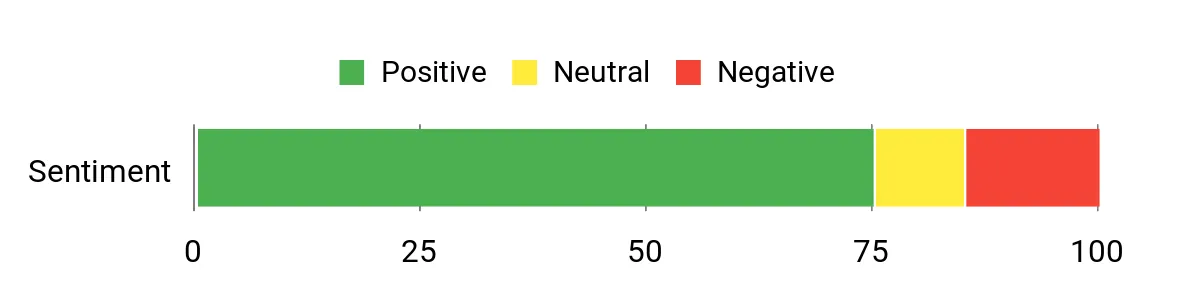
Original article sentiment graphic retained; its source data has not been independently verified.
- Designed for faster grass establishment
- Built-in extended-release fertilizer
- Suitable for sunny and shaded areas
- Useful for new lawns and overseeding
- Needs consistent early watering
- Growth speed depends on planting conditions
- Cool-season species can struggle in summer heat
4. Scotts EZ Seed Patch & Repair 3.75 lb
Bottom line: Scotts EZ Seed is a specialized repair product, not ordinary bulk lawn seed. It combines grass seed, mulch, fertilizer, and ingredients designed to help seed stay in place.
- Bag size: 3.75 lb.
- Purpose: Targeted bare-spot repair.
- Sunlight: Sun and shade.
- Coverage: Up to 85 sq. ft.
- Components: Grass seed, absorbent mulch, fertilizer, and tackifier.
Use it on isolated bare spots, worn walking paths, and small sections affected by erosion. The absorbent mulch helps maintain moisture around the seed, while the tackifier reduces washaway during watering.
It can also be useful on small slopes where ordinary loose seed is difficult to keep in place. However, heavy rain can still disturb newly seeded soil, so avoid applying immediately before a storm.
The biggest drawback is coverage. Repair products contain substantial non-seed material and are not usually the economical choice for establishing an entire lawn.
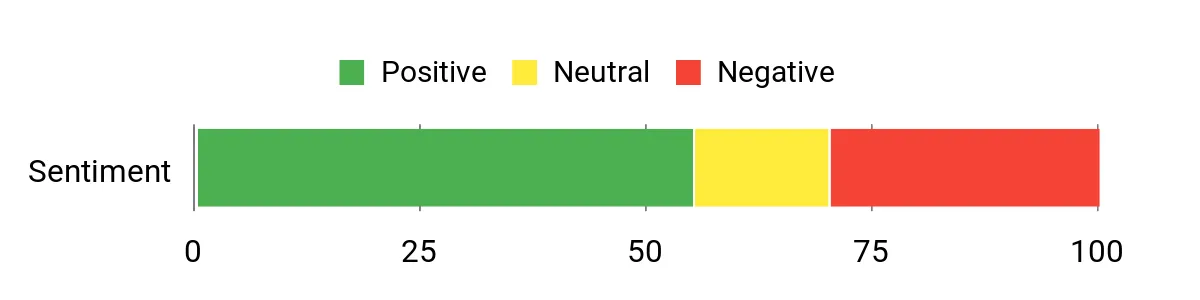
Original article sentiment graphic retained; its source data has not been independently verified.
- Convenient all-in-one patching formula
- Absorbent mulch helps hold moisture
- Tackifier reduces seed washaway
- Useful for small slopes and trouble spots
- Limited coverage per container
- Not economical for large renovations
- Still needs preparation and watering
5. Pennington Smart Seed Dense Shade Mix 7 lb
Bottom line: Pennington Smart Seed Dense Shade is the targeted choice for Tennessee lawns with substantial tree cover. It contains cool-season grass species selected for limited sunlight and includes fertilizer to support establishment.
- Bag size: 7 lb.
- Grass types: Tall fescue, perennial ryegrass, and Kentucky bluegrass.
- Sunlight: 2–6 hours per day.
- Coverage: Up to 600 sq. ft. new; 1,750 sq. ft. overseeding.
- Germination: Manufacturer indicates 8–16 days.
Shade is a major reason Tennessee lawns develop thin areas. Trees reduce sunlight while their roots compete with grass for water and nutrients. Choosing shade-tolerant seed improves your chances, but seed alone cannot fix severe root competition or complete darkness.
This product works best under open canopies or along shaded borders that still receive some direct or filtered light. A dense canopy with almost no light may require pruning, landscape mulch, or shade-tolerant ground covers instead.
Pennington promotes lower water needs after establishment, but new seedlings still require regular moisture. Established drought tolerance should never be confused with low watering requirements during germination.
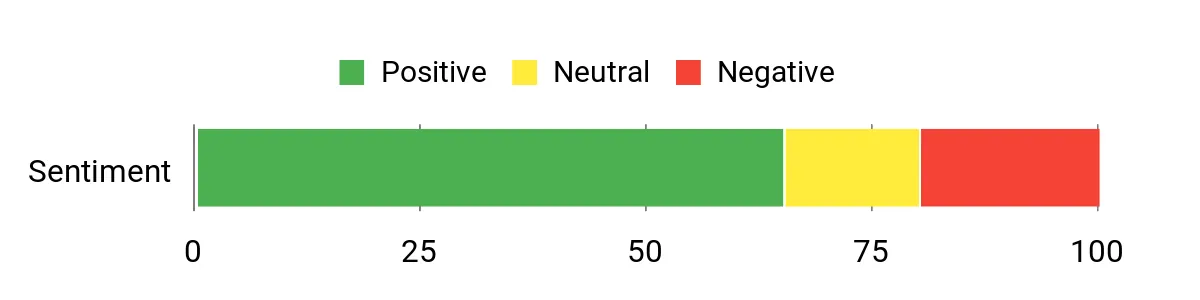
Original article sentiment graphic retained; its source data has not been independently verified.
- Designed for lawns receiving 2–6 hours of sunlight
- Includes fertilizer
- Suitable for overseeding shady areas
- Contains several cool-season grass species
- Cannot grow dense turf without adequate light
- Not the ideal choice for full-sun lawns
- Tree roots may still limit growth
6. Scotts Turf Builder Rapid Grass Sun & Shade 2.4 lb
Bottom line: Scotts Rapid Grass 2.4 lb delivers the same rapid-establishment product concept in a smaller bag. It is practical for side yards, compact lawns, and targeted overseeding.
- Bag size: 2.4 lb.
- Grass types: Cool-season sun-and-shade blend.
- Sunlight: Sun and shade.
- Coverage: 355 sq. ft. new; 1,200 sq. ft. overseeding.
- Feeding: Seed combined with extended-release fertilizer.
The main advantage is buying a bag sized for a small project. You can treat thin grass near patios, along walkways, or beside the house without purchasing the larger version.
The growth formula is intended to encourage faster establishment when moisture and temperature are appropriate. However, the smaller package does not change the grass species or make the product more tolerant of severe summer conditions.
For a much larger lawn, the 5.6 lb version usually makes more sense because it covers more ground. Check the coverage for new lawns rather than relying only on the larger overseeding figure.
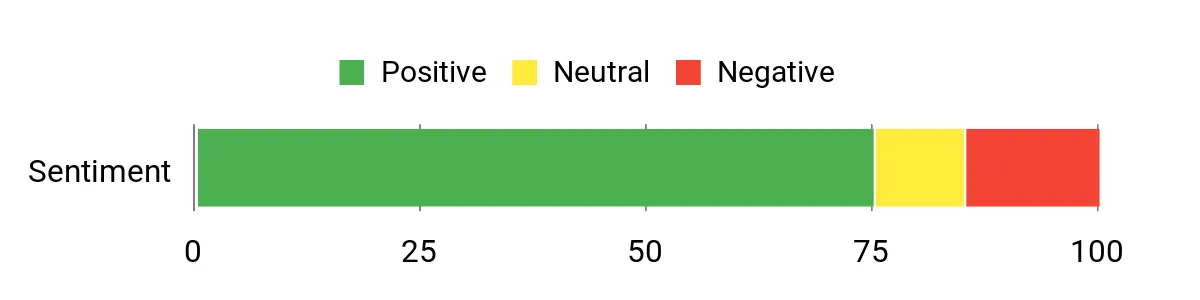
Original article sentiment graphic retained; its source data has not been independently verified.
- Compact bag for smaller projects
- Grass seed and fertilizer combined
- Designed for rapid establishment
- Suitable for overseeding and new small lawns
- Less total coverage than larger bags
- Not ideal for large renovation projects
- Requires careful watering during germination
7. Pennington Annual Ryegrass 10 lb
Bottom line: Pennington Annual Ryegrass is a temporary lawn-cover option. It germinates quickly and can provide green winter color, but it is not a lasting replacement for perennial lawn grass.
- Bag size: 10 lb.
- Grass type: Annual ryegrass.
- Sunlight: 6–8 hours per day.
- Coverage: Up to 2,000 sq. ft. seasonal overseeding.
- Germination: Approximately 3–7 days under suitable conditions.
Annual ryegrass is useful when you need rapid temporary coverage on bare or disturbed soil. It can also add winter color to some dormant warm-season lawns.
Its major drawback is its short life cycle. The grass generally declines as temperatures rise, so you should not use it as your only seed for a permanent Tennessee lawn.
Use caution when overseeding established bermudagrass. Ryegrass may compete with the permanent turf as it begins growing again in spring. Winter overseeding is also generally discouraged for zoysiagrass lawns because it can interfere with their slower spring recovery.
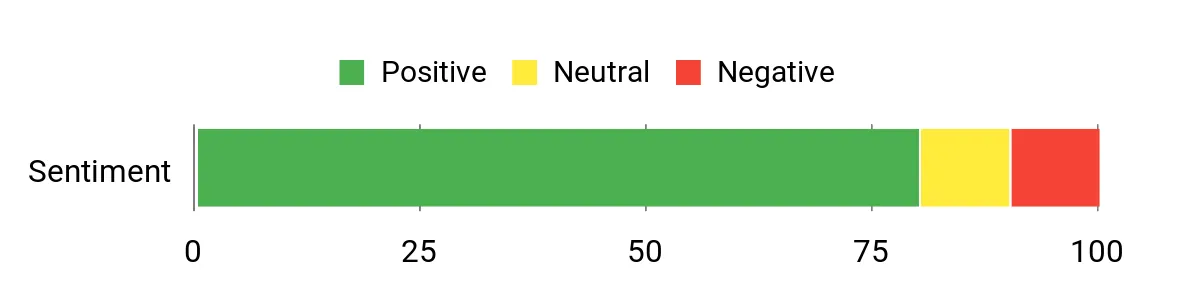
Original article sentiment graphic retained; its source data has not been independently verified.
- Very fast germination
- Useful for temporary winter color
- Provides quick soil coverage
- Suitable for temporary erosion protection
- Not a permanent summer lawn
- May compete with existing warm-season turf
- Requires seasonal reseeding for repeated coverage
8. Pennington Contractors Central Grass Seed Mix 7 lb
Bottom line: Pennington Contractors Central Mix is intended for practical lawn establishment and repair projects. It suits homeowners restoring disturbed ground, overseeding broad areas, or rebuilding turf after landscaping work.
- Bag size: 7 lb.
- Product type: Regional grass seed mix.
- Sunlight: Approximately 4–6 hours per day.
- Coverage: 580 sq. ft. new; 1,400 sq. ft. overseeding.
- Germination: Manufacturer indicates 7–21 days.
The main appeal is a straightforward mixture for larger practical jobs. It can be spread over a prepared lawn area without requiring a separate specialty product for every small section.
However, regional contractor blends can differ in grass composition. The seed-analysis label matters more than a generic regional description because Tennessee lawns may be cool-season or warm-season depending on the site.
For construction-disturbed soil, correct grading and compaction issues before seeding. Grass seed alone cannot repair drainage problems or deeply compacted ground.
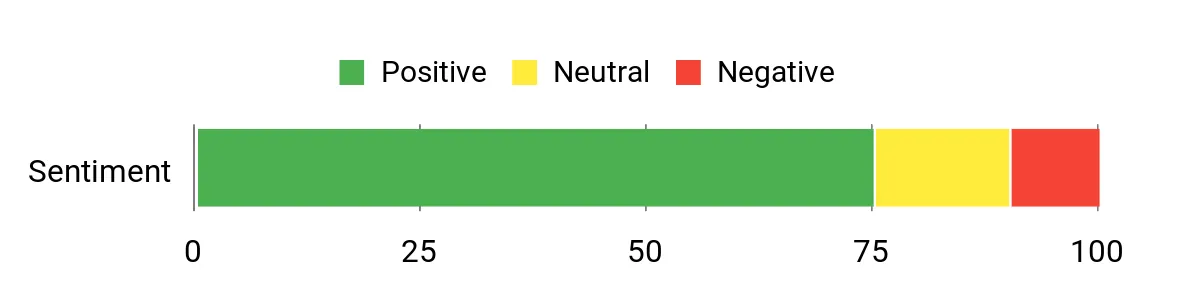
Original article sentiment graphic retained; its source data has not been independently verified.
- Designed for renovation and establishment
- Useful for broad overseeding work
- Regional formulation
- Suitable for ordinary lawn repair
- Grass composition requires label inspection
- Not a dedicated deep-shade formula
- Cannot correct underlying soil problems
9. Pennington Kentucky 31 Tall Fescue 40 lb
Bottom line: Pennington Kentucky 31 in the 40 lb bag offers the same traditional tall fescue as the smaller version, but with enough seed for a much larger project. It is best for economical utility-lawn coverage.
- Bag size: 40 lb.
- Grass type: Kentucky 31 tall fescue.
- Sunlight: 4–8 hours per day.
- Coverage: Up to 8,000 sq. ft. for overseeding.
- Germination: Approximately 8–21 days.
The large bag makes sense when you need to renovate an expansive backyard or repair substantial areas of cool-season turf. Kentucky 31 is valued for its durability and tolerance of moderate drought after establishment.
It is not the most refined choice for a showpiece front lawn. Its blades are comparatively coarse, and its lighter-green appearance may differ noticeably from an improved turf-type fescue lawn.
Large projects also require more planning. Divide the lawn into manageable sections, apply seed at the correct rate, and make sure your watering system reaches every seeded area.
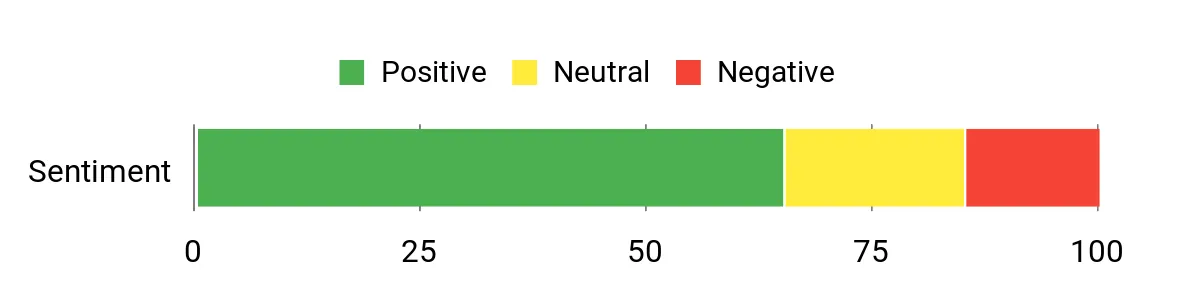
Original article sentiment graphic retained; its source data has not been independently verified.
- Large bag for broad lawn projects
- Durable traditional tall fescue
- Good utility-lawn suitability
- Reasonable established drought tolerance
- Coarse texture
- Large bag can be unnecessary for small projects
- Not ideal for heavily shaded sites
Scotts Turf Builder vs Pennington Kentucky 31: Which Should You Get?
The biggest difference is the type of lawn you want. Scotts provides a multi-species sun-and-shade blend with added fertilizer, while Kentucky 31 is a traditional tall fescue focused on durable, economical coverage.
- Appearance: Scotts combines grasses with different textures; Kentucky 31 produces comparatively coarse blades.
- Light: Scotts is designed for variable sunlight; Kentucky 31 prefers moderate shade to full sun.
- Convenience: Scotts includes establishment nutrition; Kentucky 31 is a straightforward grass-seed product.
- Best use: Choose Scotts for mixed-light cool-season lawns and K31 for utility grass where durability matters most.
Which Grass Seed Should You Buy for Your Tennessee Lawn?
- Mixed sun and shade: Get the Scotts Turf Builder Sun & Shade Mix.
- Economical, durable turf: Get the Pennington Kentucky 31 Tall Fescue.
- Faster visible establishment: Get the Scotts Rapid Grass.
- Heavily shaded areas with some sunlight: Get the Pennington Smart Seed Dense Shade.
- Small bare patches: Get the Scotts EZ Seed Patch & Repair.
- Very large utility lawns: Get the Pennington Kentucky 31 40 lb.
How We Chose These Grass Seeds
We focused on products with identifiable grass types, practical planting uses, and manufacturer guidance relevant to Tennessee’s transition-zone climate.
- Climate suitability: Cool-season grass performance, summer stress, and the difference between permanent and temporary turf.
- Sunlight requirements: Manufacturer recommendations for full sun, partial shade, and limited-light sites.
- Coverage: New-lawn and overseeding figures, with attention to bag size and application rates.
- Establishment: Published germination ranges, built-in fertilizer, and patching features.
- Source quality: Manufacturer specifications and University of Tennessee Extension guidance. No hands-on product trials or independently verified consumer survey were available for this roundup.
For local turfgrass suitability, the University of Tennessee’s turfgrass management guidance explains the differences between warm-season and cool-season grasses across the state.
Buying Guide: How to Choose Grass Seed for Tennessee
Cool-Season vs Warm-Season Grass
Tennessee’s transition-zone climate makes grass selection more complicated than simply buying a bag labeled for the South.
Cool-season grasses such as tall fescue, fine fescue, and Kentucky bluegrass grow most actively in cooler weather. They are useful for lawns that need green color during much of fall and spring, but they can suffer summer heat stress.
Warm-season grasses such as bermudagrass and zoysiagrass perform better during hot weather and generally turn dormant in winter. Many sunny Tennessee lawns may be better served by these grass types than the cool-season products emphasized in this roundup.
The University of Tennessee provides additional guidance in its lawn grass selection recommendations.
Sunlight and Shade Requirements
Measure the amount of sunlight your lawn receives before choosing seed. Four hours of sunlight is very different from a completely shaded location.
Full-sun areas generally favor grasses with strong heat tolerance. Moderately shaded areas often suit selected fescues and sun-and-shade blends. Heavy shade requires specialized varieties, and even those cannot maintain healthy turf without enough light.
For yards with tree cover, Pennington Smart Seed Dense Shade is the most targeted option among these products.
Best Planting Time in Tennessee
For cool-season grass seed, late summer and early fall are generally the preferred planting periods. University of Tennessee Extension identifies late August through mid-October as an excellent establishment window for many cool-season lawns.
Spring seeding is possible, but new grass has less time to develop roots before summer heat arrives.
Warm-season grasses have different planting needs. University guidance recommends establishing seeded bermudagrass and other suitable warm-season grasses during late spring to early summer, rather than using cool-season fall seeding dates.
Soil Preparation and Seed-to-Soil Contact
Seed needs direct contact with suitable soil to establish a healthy root system. Simply scattering seed over dead grass, thick thatch, or compacted ground often produces uneven growth.
- Remove weeds, debris, and dead grass.
- Loosen the surface soil and correct compacted areas where possible.
- Grade the surface so water does not collect in low spots.
- Spread seed evenly at the manufacturer’s recommended rate.
- Rake lightly to improve seed-to-soil contact.
- Water gently enough to moisten the surface without washing seed away.
For larger renovations, a soil test can reveal whether the lawn needs lime or nutrients before planting. Avoid guessing fertilizer requirements from appearance alone.
Watering New Grass Seed
New grass seed generally needs a consistently moist surface during germination. Light, frequent watering is more useful at this stage than allowing the soil to dry completely between deep waterings.
After seedlings develop roots, gradually transition toward deeper, less frequent watering. The goal is to encourage root growth rather than keeping the surface permanently saturated.
Pennington explains this process in its grass seed planting guide.
How Much Grass Seed Do You Need?
Measure the lawn area in square feet and identify whether you are establishing a new lawn or overseeding existing grass.
New lawns generally require more seed per square foot. A product with enough material to overseed a large lawn may cover a much smaller area when planted on bare soil.
Also remember that coated grass seed, seed-plus-fertilizer blends, and patch-repair formulas contain materials other than seed. Comparing bags by total weight alone can be misleading.
Reading the Seed Label
A seed-analysis label is one of the most useful tools for comparing lawn-seed products. It identifies the grass species, germination results, purity, and other material in the bag.
Before purchasing a regional mix, examine the grass species and variety information. For coated products, consider how much of the bag’s weight is seed versus coating or other components.
University of Tennessee Extension explains seed labels and coatings in its Turfgrass Establishment: Turfgrass Seed publication.
Mistakes to Avoid When Buying Grass Seed
- Choosing by bag size alone: Compare the correct coverage figure for your project.
- Ignoring grass type: Do not overseed warm-season turf with incompatible grass without understanding the consequences.
- Planting in summer heat: Follow the proper planting window for cool-season or warm-season grass.
- Using shade seed in complete darkness: Improve light conditions or consider an alternative ground cover.
- Assuming fast germination means established turf: Allow seedlings adequate time to form strong roots before heavy use.
Customer Preferences and Buying Priorities
The original comparison emphasized versatility, durability, establishment speed, and ease of use. These are useful buying criteria, but the chart below should not be treated as an independently verified consumer survey.
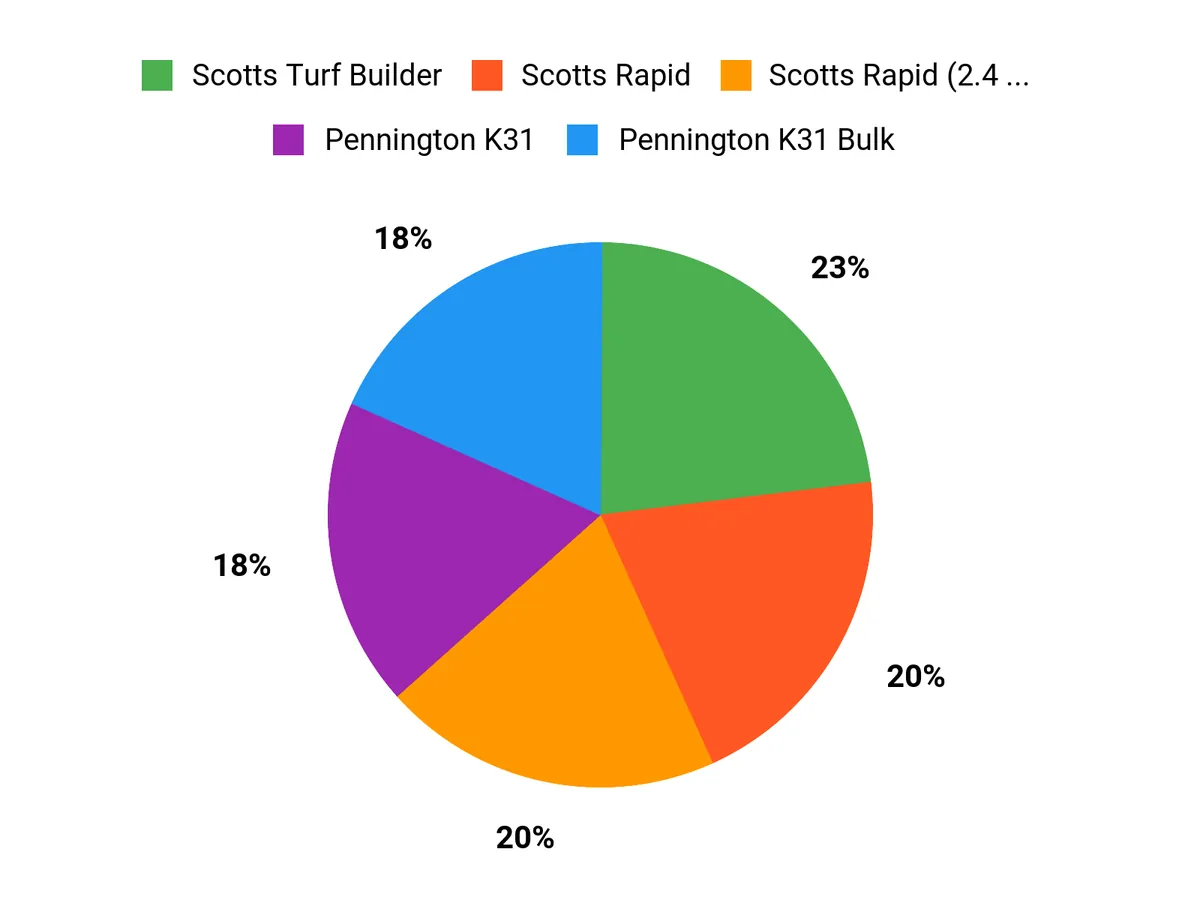
For a practical choice, prioritize grass type and growing conditions over marketing scores. Seed that matches your lawn’s climate and light conditions is more useful than a highly rated product planted in the wrong location.
FAQs
What Is the Best Grass Seed for Tennessee Lawns?
For many cool-season Tennessee lawns, turf-type tall fescue is a practical starting point because it tolerates a range of conditions. Scotts Turf Builder Sun & Shade is a convenient mixed-light option, while Pennington Kentucky 31 suits economical utility turf. Fully sunny lawns in warmer areas may perform better with bermudagrass or zoysiagrass.
When Should You Plant Grass Seed in Tennessee?
Cool-season grass seed is generally best planted in late summer or early fall, often from late August through mid-October. Spring is another option, but seedlings may struggle when summer arrives. Warm-season grass seed usually belongs in late-spring or early-summer planting schedules. The proper window depends on your grass species and location.
What Grass Grows Best in Tennessee Shade?
Shade-tolerant fine fescues and selected cool-season blends often perform better than bermudagrass in shaded Tennessee lawns. Pennington Smart Seed Dense Shade is formulated for areas receiving 2–6 hours of sunlight. However, no ordinary lawn grass can create dense, healthy turf in complete darkness, especially where tree roots compete for moisture.
Is Kentucky 31 Good for Tennessee?
Kentucky 31 can be useful for durable, economical cool-season turf in Tennessee, particularly where a coarse utility-lawn appearance is acceptable. It handles moderate drought and traffic after establishment but is not the best choice for a refined ornamental lawn. Improved turf-type tall fescue varieties often provide a finer texture and more uniform appearance.
Should You Choose Tall Fescue or Bermudagrass in Tennessee?
Choose tall fescue when cool-season color and moderate shade tolerance matter most. Bermudagrass is generally better suited to sunny locations where summer heat tolerance and traffic recovery are priorities. Bermudagrass becomes dormant in winter, while tall fescue can remain green during cooler periods but may struggle during extended summer heat.
How Long Does Grass Seed Take to Germinate?
Germination time depends on grass species and conditions. Pennington lists about 8–21 days for Kentucky 31 and 3–7 days for annual ryegrass. Some seed blends contain several grass species, so all seedlings may not emerge at the same time. Soil temperature, moisture, planting depth, and seed freshness can affect the result.
Why Is My Grass Seed Not Growing?
Common causes include poor seed-to-soil contact, unsuitable temperatures, inconsistent watering, heavy shade, compacted soil, and poor drainage. First check whether you planted the correct grass species at the proper time. Then inspect moisture and surface conditions. Avoid applying ordinary weed-control products to young grass until the product label allows it.
Can You Plant Annual Ryegrass as a Permanent Lawn?
No. Annual ryegrass is primarily a temporary grass that establishes quickly and provides seasonal ground cover. It is useful for winter color or short-term soil protection, but it generally dies out after its growing season. Choose a suitable perennial cool-season grass or permanent warm-season turf when you want a lawn that returns each year.
Final Verdict
The best grass seed for Tennessee is the one that fits your existing turf, sunlight, soil conditions, and growing season. For a convenient cool-season lawn with mixed sunlight, Scotts Turf Builder Sun & Shade Mix offers a useful combination of grass varieties and establishment nutrition.
For a tougher and more economical utility lawn, Kentucky 31 is worth considering. If your yard has severe summer heat or receives full sun all day, consider whether a warm-season grass type would be better than any of these cool-season mixes.
If budget and durability are your priorities, compare the Pennington Kentucky 31 Tall Fescue. For quicker visible coverage, consider the Scotts Rapid Grass Sun & Shade Mix.