Disclosure: As an Amazon Associate, we earn from qualifying purchases. If you click a link on this page and make a purchase, we may receive a small commission at no extra cost to you.
Why the Base Corvette Feels Like a Bargain
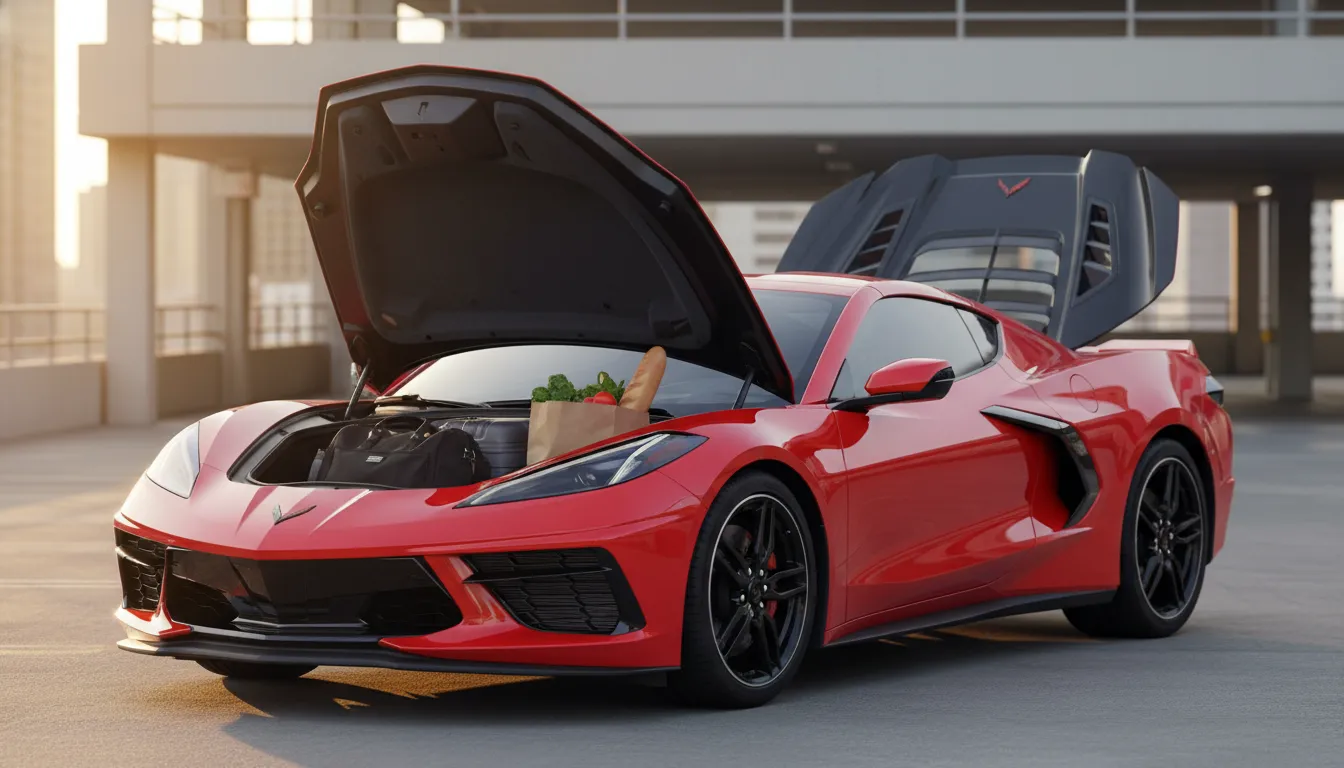
Exotic-car speed often comes with a six-figure price, costly options, and limited everyday usefulness. The 2026 Chevrolet Corvette Stingray 1LT gives you a mid-engine layout, a naturally aspirated V8, and two cargo areas without the usual supercar price shock. It also receives the redesigned 2026 cockpit with three display screens and easier access to key driving controls. This review helps you decide whether the base 1LT has enough equipment for your needs or whether options such as Z51, Magnetic Selective Ride Control, and front lift justify the extra cost.
The core powertrain remains the main value story. Chevrolet pairs the LT2 6.2L V8 with an 8-speed dual-clutch transmission and rear-wheel drive. Standard output is 490 horsepower and 465 lb-ft of torque. The optional performance exhaust, which is included with the Z51 Performance Package, raises output to 495 horsepower and 470 lb-ft.
Quick Verdict
Rating: 9.1/10
Best For: Drivers who want mid-engine performance, V8 character, and useful road-trip capability without paying for a higher Stingray trim.
Bottom Line: The 2026 Corvette Stingray 1LT keeps the hardware that defines the C8 while adding a much stronger standard technology package. Its main limitation is option dependence: Z51, Magnetic Ride Control, front lift, several driver-assistance features, and some comfort upgrades are not included on every 1LT.
| Specification | Detail |
|---|---|
| Brand | Chevrolet |
| Model | 2026 Corvette Stingray 1LT |
| Product type | Two-seat mid-engine sports car |
| Engine | LT2 6.2L naturally aspirated V8 |
| Transmission | 8-speed dual-clutch automatic with manual shift mode |
| Drivetrain | Rear-wheel drive |
| Standard output | 490 hp and 465 lb-ft of torque |
| Available output | 495 hp and 470 lb-ft with the optional performance exhaust |
| Available acceleration | 0 to 60 mph in as little as 2.9 seconds with Z51 |
| Seating | Two standard 8-way power GT1 seats with Mulan leather seating surfaces |
| Body styles | Coupe with removable roof panel or power-retractable hardtop convertible |
| Length | 182.3 inches |
| Factory tire setup | 245/35R19 front and 305/30R20 rear |
| Z51 tire type | Michelin Pilot Sport 4S run-flat, summer-only performance tires |
| 2026 displays | 12.7-inch center display, 14-inch driver display, and 6.6-inch auxiliary touchscreen |
| Standard 1LT highlights | 10-speaker Bose audio, wireless phone charging, wireless phone projection, HD Rear Vision Camera, and Rear Camera Mirror |
| Cargo layout | Front storage compartment plus rear trunk |
| Best use | Daily performance driving, weekend trips, and prepared closed-course use with Z51 |
| Key buying note | Check the window sticker because Z51, Magnetic Selective Ride Control, front lift, and higher-trim comfort and safety features vary by configuration. |
What Is the 2026 Corvette Stingray 1LT?
The 1LT is the entry trim in the 2026 C8 Stingray range. It uses the same mid-engine structure, LT2 V8, dual-clutch transmission, and basic chassis layout as the more expensive 2LT and 3LT versions. That makes it the logical starting point when your priority is driving performance rather than premium cabin trim.
The base trim is better equipped than its name suggests. Chevrolet includes GT1 leather seats, a 10-speaker Bose system, wireless phone charging, wireless phone projection, an HD Rear Vision Camera, and a Rear Camera Mirror. Moving to 2LT mainly adds comfort, visibility, audio, and data-recording features rather than a different engine.
Before You Buy: Do not assume every Stingray 1LT has Z51 hardware. Chevrolet ties the 2.9-second 0-to-60 claim and track-use preparation to the Z51 package, which adds brakes, suspension, cooling, an electronic limited-slip differential, performance gearing, aero parts, summer tires, and performance exhaust. Verify the full window sticker before you buy.
Who Should Buy It?
Best For
- Drivers who want the C8’s mid-engine balance and V8 power at the lowest Stingray trim level.
- Buyers who value performance hardware more than heated seats, a head-up display, or upgraded interior trim.
- Weekend and road-trip drivers who can work with two seats and split front-and-rear luggage space.
Skip If
- You need rear seats, generous cabin storage, or easy entry for several passengers.
- You want heated and ventilated seats, a head-up display, blind-zone alert, or the Performance Data Recorder as standard equipment.
- You want a manual transmission or plan frequent track days without selecting Z51 and following Chevrolet’s preparation guidance.
Exterior Design and Cargo Practicality
The mid-engine layout gives the Stingray its low nose, short front deck, large side openings, and wide rear body. The shape looks more exotic than earlier front-engine Corvettes, but the layout also creates a useful front storage compartment for groceries, a backpack, or soft luggage.
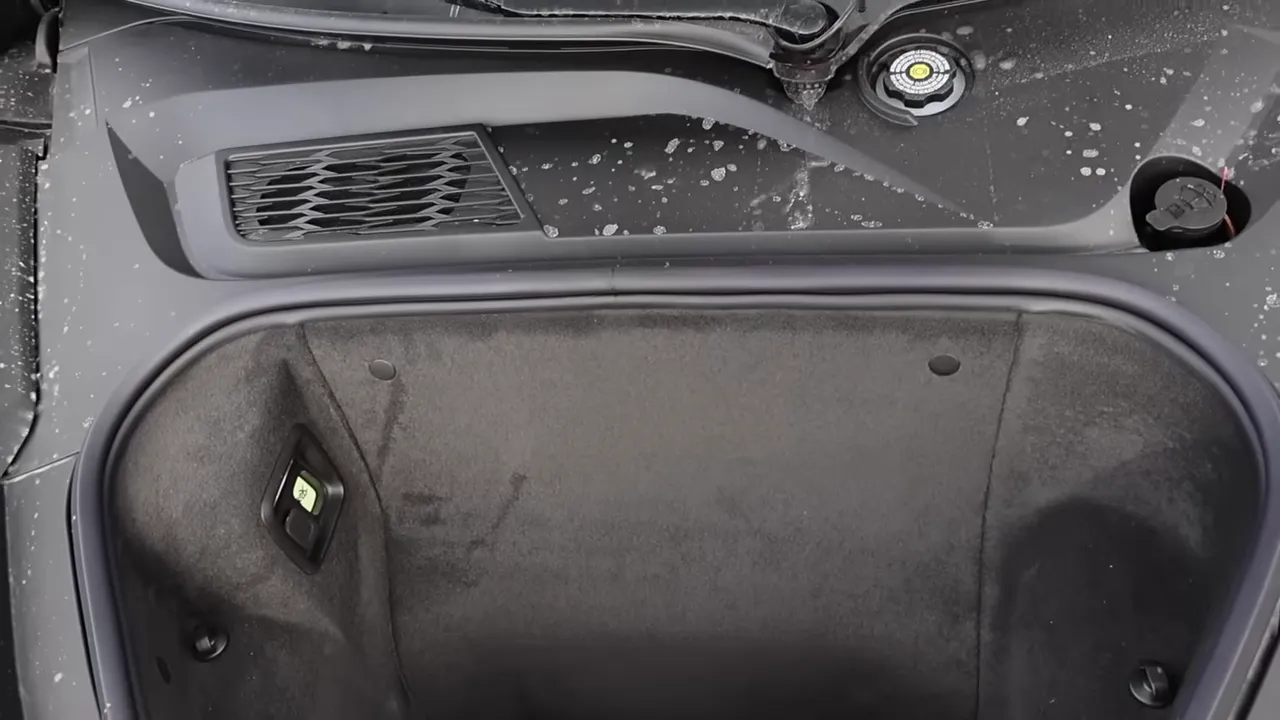
A separate rear trunk gives you more flexibility, although neither compartment handles bulky luggage well. Soft bags work better than rigid cases because you can shape them around the available space. Coupe owners also need to leave room in the rear trunk if they plan to store the removable roof panel.

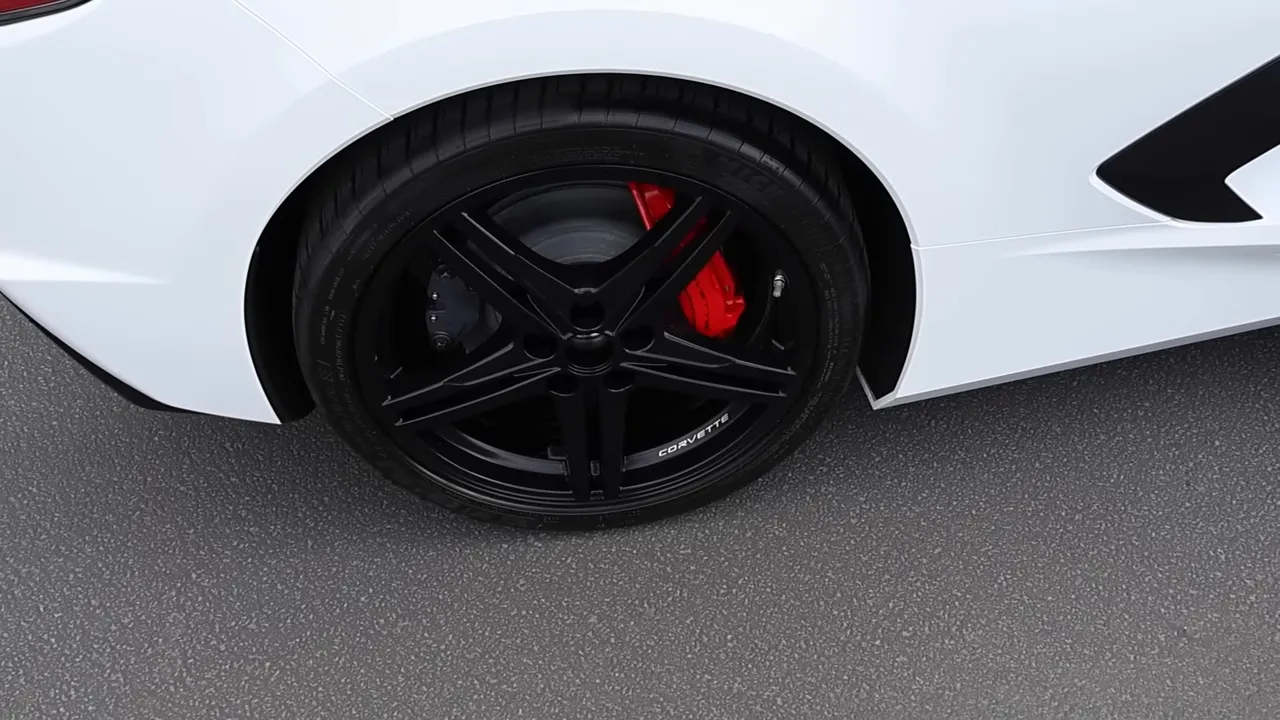
The staggered wheel and tire layout supports steering response at the front and traction at the rear. Factory sizing is 245/35R19 up front and 305/30R20 at the rear. That setup improves the car’s stance and grip, but you cannot rotate the tires front to rear, and replacements cost more than a square setup on a normal coupe.
Interior Comfort and the New 2026 Cockpit
The 2026 redesign makes the cabin easier to understand than the earlier C8 layout. Chevrolet replaces the long wall of climate buttons with a three-screen arrangement: a 12.7-inch center display, a 14-inch driver information display, and a 6.6-inch auxiliary touchscreen. The smaller screen puts performance functions and launch-control settings closer to the driver.
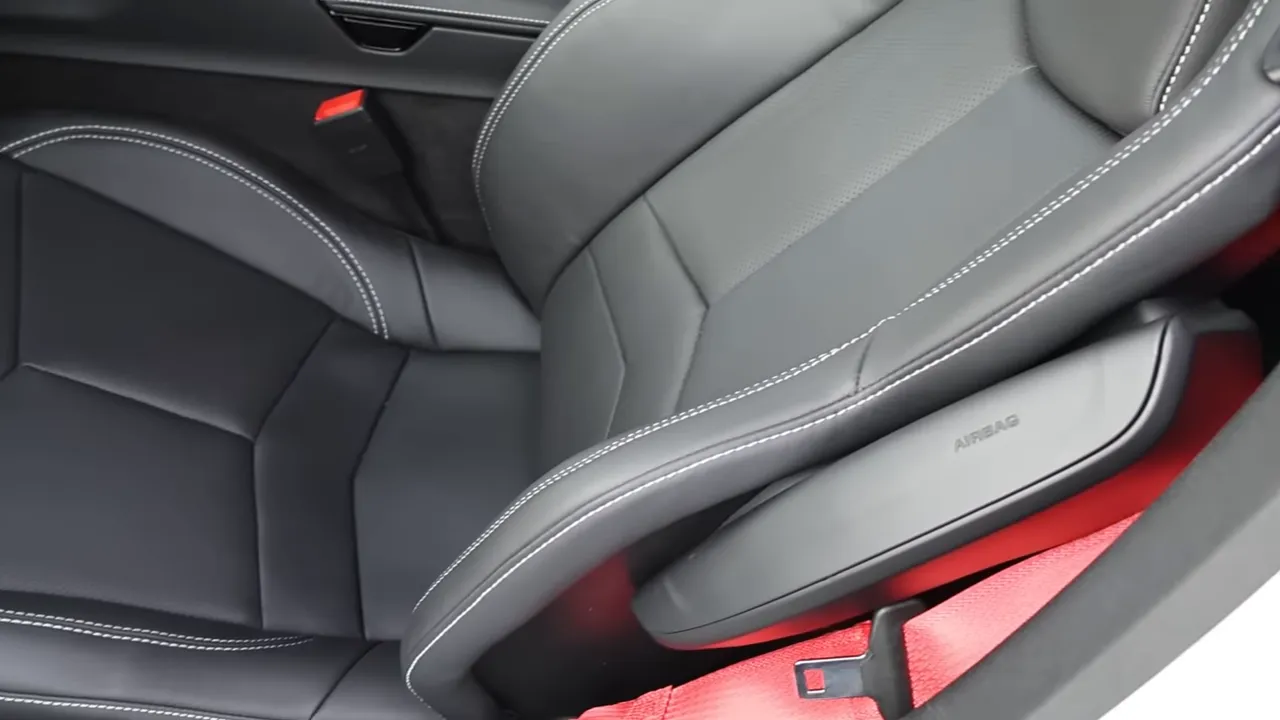
The standard GT1 seats use Mulan leather seating surfaces and 8-way power adjustment. They provide enough side support for fast road driving while remaining suitable for longer trips. The low seating position and wide sill still make entry harder than in a sedan, especially for drivers with limited mobility.
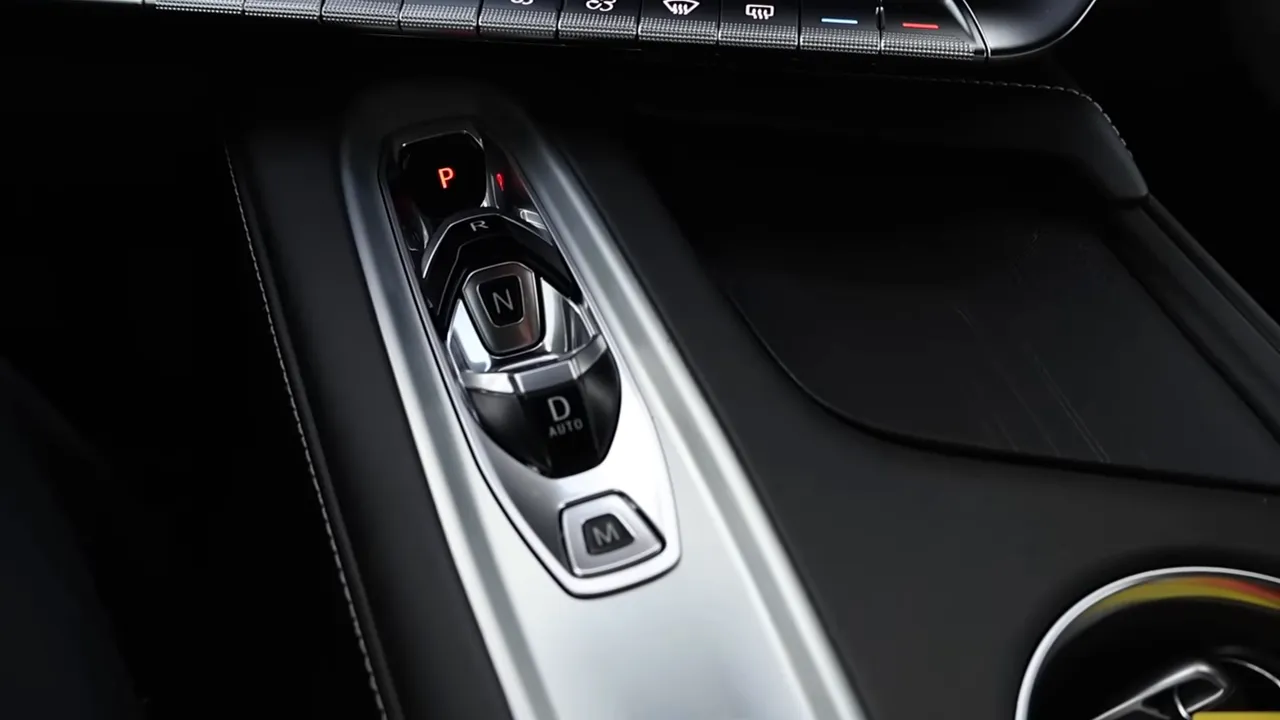
Standard wireless charging, wireless phone projection, Google built-in compatibility, and the two camera-based rear views make the 1LT usable every day. However, 2LT adds the features many buyers expect in a premium sports car, including heated and ventilated seats, a head-up display, an HD curb-view camera, Side Blind Zone Alert, Rear Cross Traffic Alert, a 14-speaker Bose system, and the Performance Data Recorder.
Performance and Powertrain
The LT2 6.2L V8 is the reason the base Stingray feels special. It produces 490 horsepower and 465 lb-ft in standard form, with immediate response and a broad powerband. Adding the optional performance exhaust raises output to 495 horsepower and 470 lb-ft while giving the engine a more aggressive sound.
The standard 8-speed dual-clutch transmission shifts faster than a traditional automatic and lets you select gears with the steering-wheel paddles. It is smooth enough for traffic and quick enough for hard acceleration. The tradeoff is simple: Chevrolet does not offer a manual transmission in the C8 Stingray.
Ride, Handling, and Daily Comfort
Placing the engine behind the seats gives the Stingray quick turn-in and strong rear traction. The car feels stable when you accelerate out of a corner, yet it remains approachable at normal road speeds. Its width and limited rearward visibility require more care in parking lots than the responsive steering might suggest.
The standard suspension is firm but usable for daily driving. Available Magnetic Selective Ride Control 4.0 can broaden the comfort range by adjusting damping more quickly, but it is optional. Tire noise, road texture, and V8 sound remain part of the experience, so the 1LT will not isolate you like a luxury grand tourer.
Z51 Performance Package: What You Actually Get
Z51 is more than a horsepower option. The package includes Brembo performance brakes, a performance suspension, performance exhaust, a shorter rear axle ratio, an electronic limited-slip differential, a front splitter, a rear spoiler, Michelin Pilot Sport 4S summer-only run-flat tires, and a heavy-duty cooling system.
Chevrolet identifies Z51 as required for track use, and it supports the advertised 2.9-second 0-to-60 time. For street-only driving, a standard 1LT already delivers strong acceleration. Z51 makes more sense when you want repeated hard driving, sharper responses, or proper cooling and braking support for a closed course.
Pro Tip: Compare actual window stickers instead of trim names alone. A carefully optioned 1LT with Z51, Magnetic Ride Control, and front lift can suit an enthusiast better than a more luxurious 2LT that lacks the performance equipment you value.
How It Performs in Real Use
For Daily Driving
The dual-clutch transmission, rear cameras, wireless phone features, and supportive GT1 seats make commuting realistic. The main daily compromises are the low seating position, wide body, limited cabin storage, and extra care needed around steep entrances.
For Weekend Roads
The standard car already gives you quick steering, strong rear grip, and immediate V8 response. Z51 adds more focused tires, brakes, cooling, gearing, and differential control, but you do not need it to enjoy normal back-road driving.
For Road Trips
The two cargo compartments can handle a short trip when you pack with soft bags. The GT1 seats suit longer drives, but the cabin stays intimate, and road noise is more noticeable than in a Porsche 911 or a luxury coupe.
For Closed-Course Track Use
Choose Z51 and follow the track-preparation instructions in the owner’s manual. Repeated high-speed driving increases stress on tires, brakes, fluids, and cooling components, so inspect the car before and after each event rather than treating it as a no-preparation road car.
Ground Clearance, Tires, and Ownership Tips
Approach steep driveways and parking ramps at an angle to protect the low front edge. The available front lift system can help on routes with sharp transitions, but you must confirm that a specific 1LT has it. Avoid pulling close to parking blocks because the nose may extend over them.
Keep the factory staggered sizing and use tires with suitable performance characteristics. The front and rear tires are different sizes, so normal front-to-rear rotation is not possible. Z51’s summer-only tires also need extra caution in low temperatures, snow, or ice.
For the coupe, test your luggage plan with the removable roof panel in mind. Storing the panel uses rear-trunk space, which can change what fits on a trip. Keep frequently used items in the front compartment so you do not need to rearrange the rear load at every stop.
Safety and Track Preparation
The 1LT includes an HD Rear Vision Camera and Rear Camera Mirror, but some active safety and low-speed visibility features are reserved for higher trims or optional equipment. Check the exact configuration if Side Blind Zone Alert, Rear Cross Traffic Alert, or a curb-view camera matters to you.
Use the tire pressures, fluids, service intervals, and track procedures listed by Chevrolet for your exact vehicle. Do not mix incompatible tires or treat public roads like a closed course. Track driving should take place only at a managed facility with the car correctly equipped and inspected.
Pros and Cons
Pros
- LT2 6.2L V8 delivers strong naturally aspirated response and sound.
- 8-speed dual-clutch transmission works well in traffic and during hard driving.
- Mid-engine layout gives the Stingray distinctive styling and balanced handling.
- Front and rear cargo areas make short trips more practical than the shape suggests.
- Redesigned 2026 cockpit and stronger standard 1LT equipment improve everyday usability.
Cons
- Z51, front lift, Magnetic Ride Control, and several comfort or safety features cost extra.
- No manual transmission is available.
- Wide staggered tires cannot be rotated front to rear and can raise replacement costs.
Is It Worth the Price?
The Stingray 1LT sits in a high-end sports-car category, but it offers strong value for the price because it does not dilute the core C8 hardware. You still get the mid-engine structure, LT2 V8, dual-clutch transmission, GT1 leather seats, and new three-screen interior.
A basic 1LT makes sense when you want the Corvette driving experience and can skip the extra comfort equipment. A Z51-equipped 1LT is better for drivers who value braking, cooling, differential control, and track preparation. Buyers who want heated seats, a head-up display, extra driver-assistance features, or the Performance Data Recorder may get more value from 2LT.
How It Compares to Alternatives
The Porsche 911 Carrera offers a more polished cabin, easier outward visibility, and excellent long-distance refinement, but it usually starts in a much higher price tier. The Porsche 718 Cayman provides excellent steering and balance, though it does not match the Stingray’s naturally aspirated V8 character or output.
A Ford Mustang GT or Dark Horse gives you a manual-transmission option, small rear seats, and a traditional front-engine muscle-car layout. The Stingray 1LT makes the most sense when you prioritize mid-engine handling, visual drama, and maximum performance hardware for your budget.
Frequently Asked Questions
Is the 2026 Corvette Stingray 1LT a practical daily driver?
Yes, when two seats and a low ride height fit your routine. The dual-clutch transmission, rear cameras, phone connectivity, and split cargo areas help with commuting and errands, but the wide body and low nose require care.
What changed inside the Corvette for 2026?
The 2026 Stingray receives a redesigned cockpit with 12.7-inch, 14-inch, and 6.6-inch displays. Chevrolet also makes key controls easier to reach and adds the customizable Performance App across the Corvette range.
What engine and transmission does the Stingray 1LT use?
It uses Chevrolet’s LT2 6.2L naturally aspirated V8 and an 8-speed dual-clutch transmission. Output is 490 horsepower and 465 lb-ft, or 495 horsepower and 470 lb-ft with the optional performance exhaust.
Do you need the Z51 Performance Package?
You do not need Z51 for normal street driving. Choose it for stronger braking, added cooling, an electronic limited-slip differential, performance gearing, summer tires, aero parts, and properly supported closed-course use.
What does 1LT include as standard equipment?
The 1LT includes GT1 leather seats with 8-way power adjustment, a 10-speaker Bose system, wireless phone charging, wireless phone projection, an HD Rear Vision Camera, and a Rear Camera Mirror. Coupe models also include a removable roof panel.
Do you need the front lift system?
Not for every route, but it is useful when your driveway or regular parking areas have steep transitions. Without it, approach ramps at an angle and leave space in front of parking blocks.
What tire sizes does the 2026 Corvette Stingray use?
The staggered setup uses 245/35R19 tires in front and 305/30R20 tires in the rear. Z51 includes Michelin Pilot Sport 4S run-flat summer tires, which are designed for warm-weather performance rather than winter conditions.
Should you choose 1LT or 2LT?
Choose 1LT when performance value matters more than luxury equipment. Consider 2LT when you want heated and ventilated seats, a head-up display, upgraded Bose audio, extra visibility and safety features, and the Performance Data Recorder.
The Bottom Line
The 2026 Corvette Stingray 1LT is the right buy when you want the core C8 experience, a stronger new cockpit, and useful daily features without paying for every luxury upgrade. Choose Z51 if you plan serious performance driving, and consider 2LT if comfort, driver assistance, or data recording matters more than the lowest entry cost. Skip the Stingray if you need rear seats, a manual transmission, or luxury-car isolation.