
The compact crossover market keeps getting better, and these two 2026 entries make the point loud and clear. On paper they sit almost neck and neck in price, but they take very different approaches: the Honda HR-V prioritizes efficiency and practicality, while the Mazda CX-30 delivers a more engaging driving experience and a touch of premium flair. Below is a hands-on breakdown of what matters most when choosing between them—style, space, tech, and how each one feels behind the wheel.
🚘 Exterior: personality vs polish
The Mazda CX-30 leans into angular, sculpted styling with a slightly boxy hood and crisp lines. It’s the bolder look of the pair, and the taillight treatment is one of the highlights.

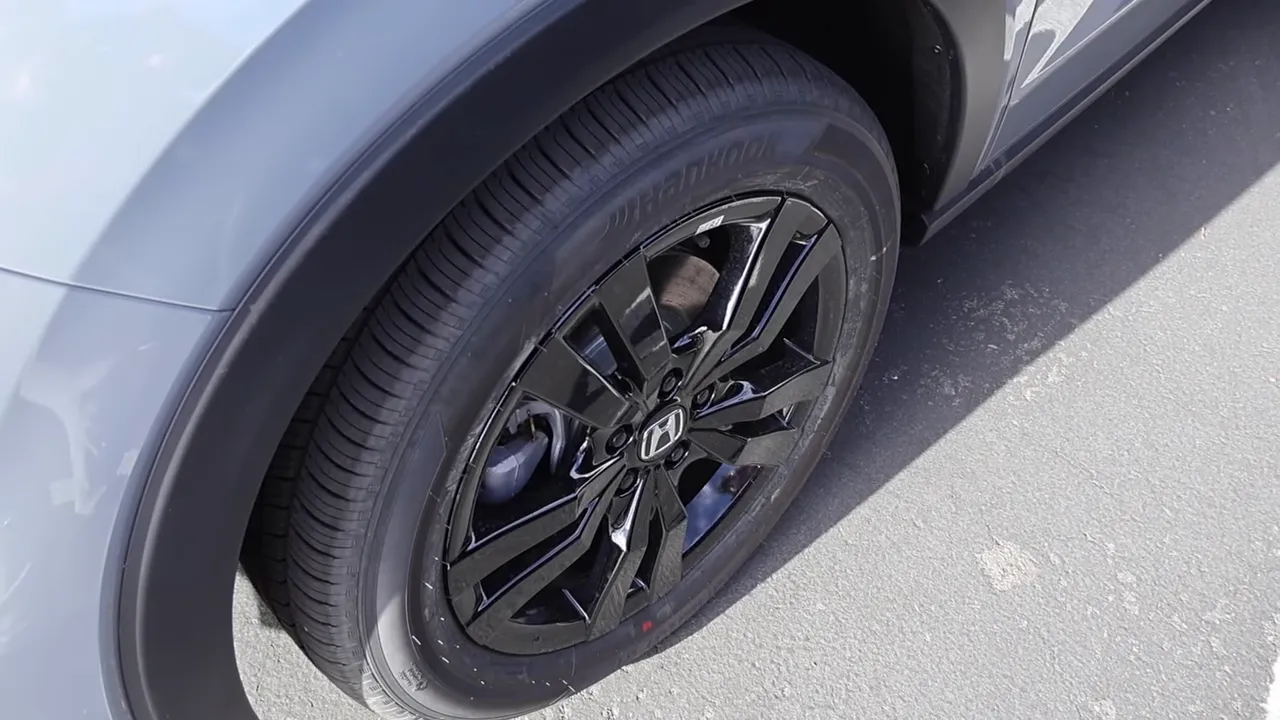
The HR-V is more rounded and conservative, with a bit of crossover tapering at the rear and practical plastic cladding along the lower edges. Both come with blacked-out wheel options—Mazda rides on 215/55R18 shoes while the Honda uses slightly wider 225/55R18 tires for a hint more grip.
🧳 Interior and practicality: cargo and comfort
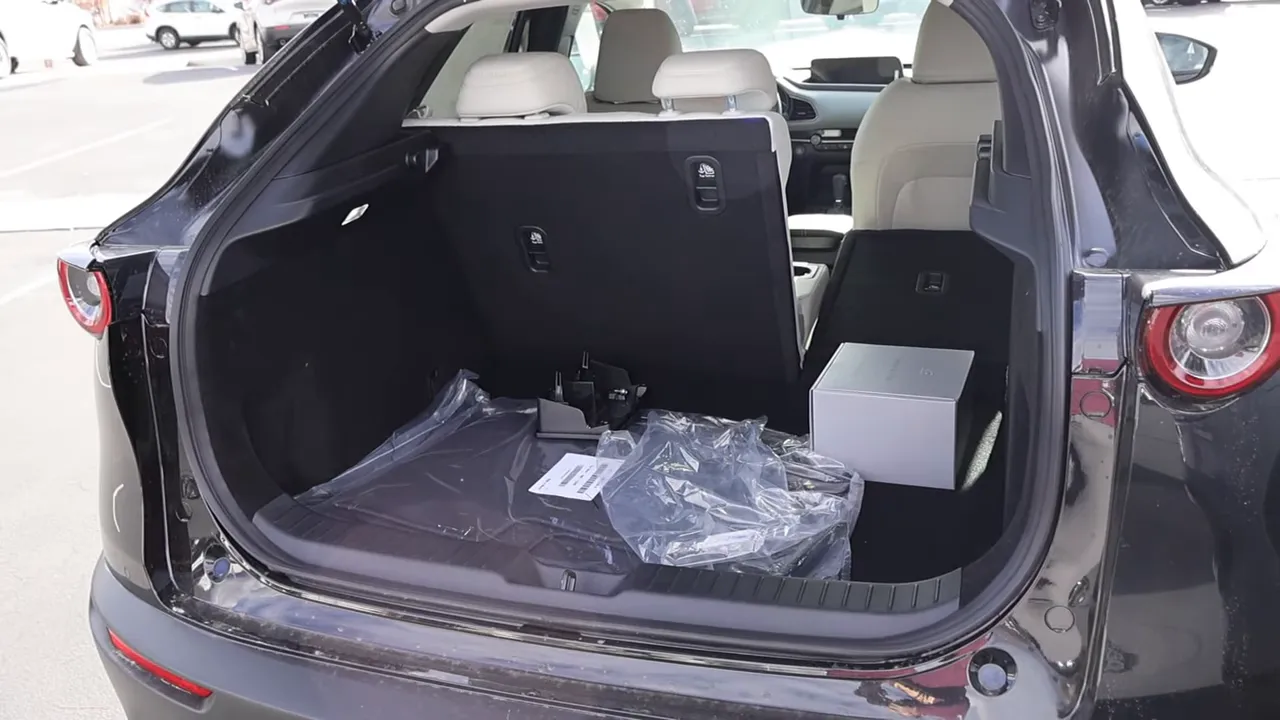
Both cars fold the rear seats flat, but the Mazda’s more tapered rear profile reduces vertical cargo space slightly. The Honda’s boxier rear gives a tad more usable vertical room, making it the more practical choice for taller items despite their similar horizontal capacity.
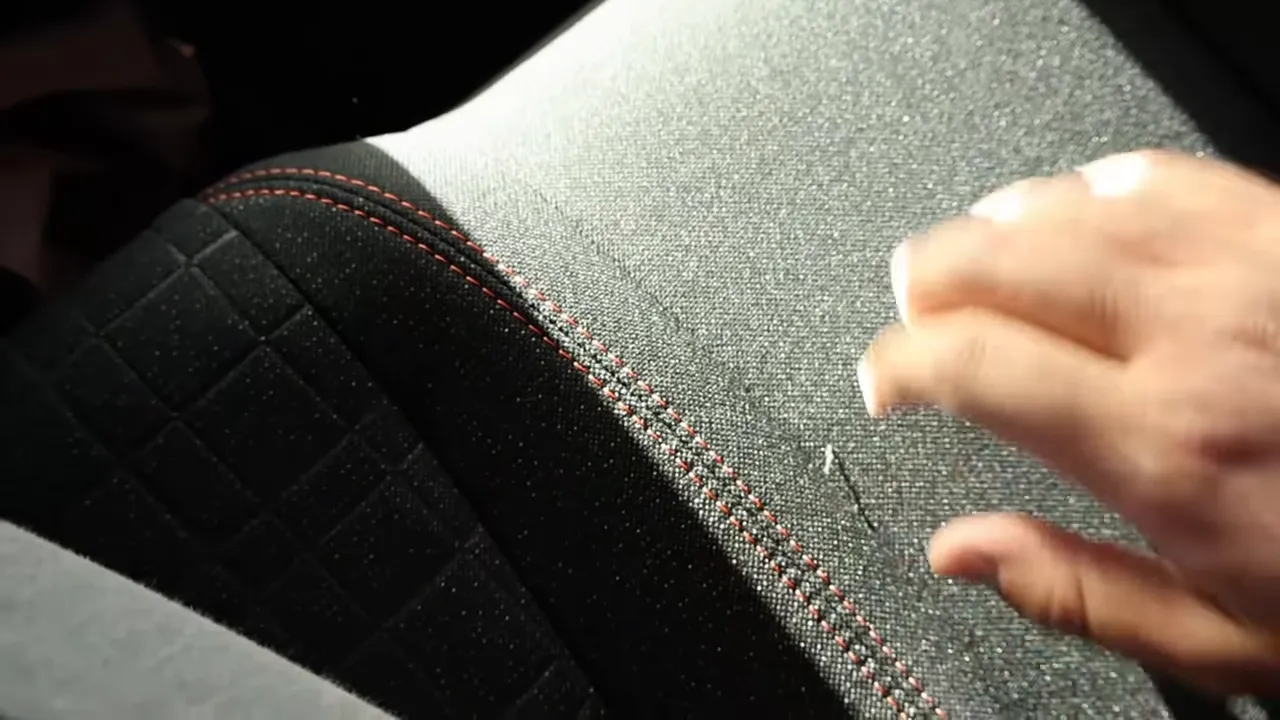
Rear passenger comfort is respectable in both. The HR-V shows thoughtful stitching and patterned cloth with orange accents, while the CX-30 offers a slightly more upright seating position and rear vents—nice to see in a compact.
🔌 Tech and trim: where Mazda pulls ahead
Both cabins use plenty of soft-touch materials, but Mazda layers in more premium cues: classier steering wheel, nicer dash trim, and available dual-zone climate control. The CX-30 also offers a power driver seat with lumbar and optional memory functions.

Infotainment differs in approach. The HR-V uses a more traditional touchscreen with Apple CarPlay and Android Auto. Mazda places its main display farther back on the dash and relies on a control dial for normal operation, which can suffer from glare. Note that CarPlay and Android Auto become the touchscreen interface when connected.
Both have heated front seats, wireless charging pads, multiple USB ports, and blind-spot monitoring.
⚙️ Powertrains and economy: different philosophies
- 2026 Mazda CX-30: 2.5-liter 4-cylinder, 6-speed automatic, 186 hp and 186 lb-ft of torque, EPA-like economy ~24 city / 31 highway.
- 2026 Honda HR-V: 2.0-liter 4-cylinder, CVT, 158 hp and 138 lb-ft of torque, estimated ~25 city / 30 highway.
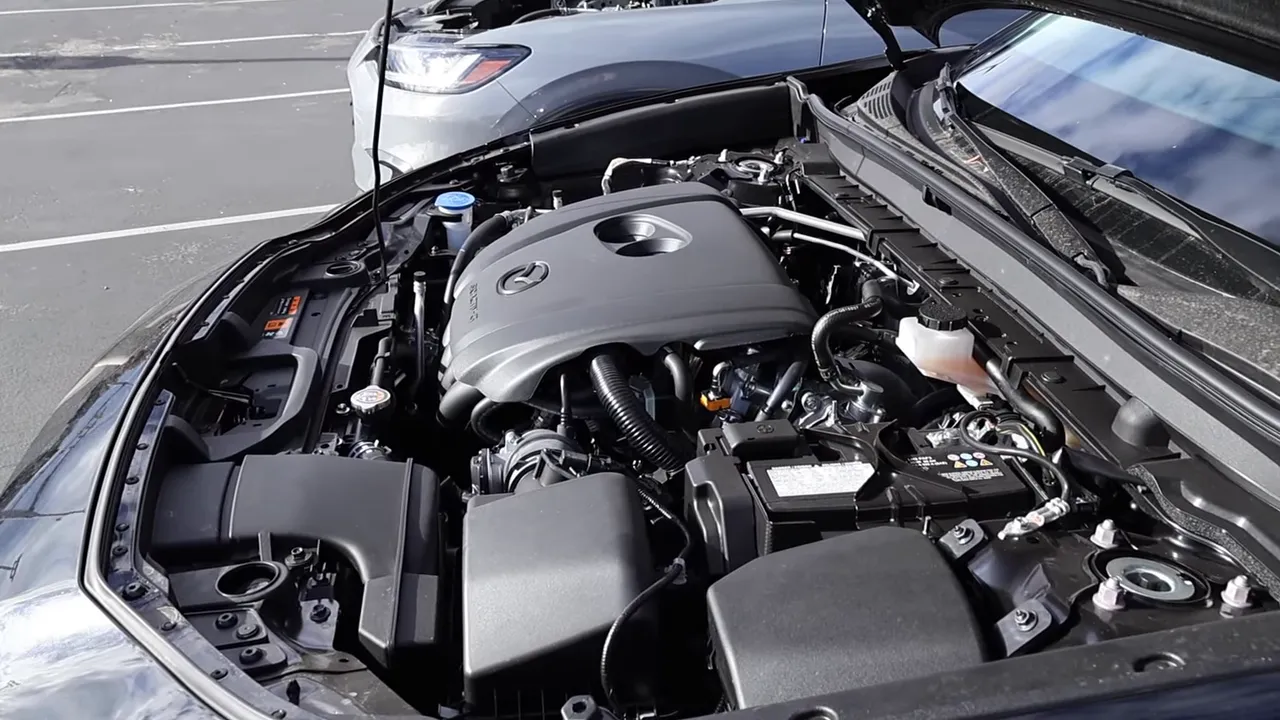
Those numbers explain the driving differences. Mazda’s larger 2.5-liter feels more substantial on the road and provides stronger mid-range shove, while the HR-V favors efficiency and smooth, predictable operation thanks to the CVT.
🏁 Driving impressions: fun vs sensible
The HR-V is comfortable and composed. Steering is light—modern electric racks make it very point-and-go—and the ride is quiet. With only 138 pound-feet of torque and a CVT, acceleration requires keeping the revs up. It’s not thrilling, but it’s practical, efficient, and easy to live with on a daily basis.
The CX-30 is the surprise. The 2.5-liter engine is rowdy for the segment in a good way. The six-speed automatic gives a more tangible shift feel compared with the CVT, and the extra torque makes freeway passing and on-ramps feel confident. Mazda’s seats and chassis tuning lean toward engagement—narrow, slightly firm seats that still feel comfortable for longer drives.
I love how this thing drives. It’s a treat.
Short version: if driving enjoyment is high on your list, the Mazda will likely be the pick. If efficiency and fuss-free daily usability matter more, the HR-V is a sensible choice.
💵 Price and value
Both models tested are just over $31,000, with the Mazda carrying roughly a $400 premium. For that small difference you get more power, a more premium-feeling interior, and a noticeably more engaging driving experience from the CX-30. The HR-V trades those attributes for slightly better low-end economy and a more utility-minded interior.
🔎 Quick takeaways
- Mazda CX-30: More power, better driving dynamics, nicer interior touches, slightly higher price but feels more upscale.
- Honda HR-V: Practical, efficient, comfortable, and an easy commute companion with a more sensible rear cargo shape.
- If you want excitement and polish, choose Mazda. If you prefer predictability, cargo practicality, and a softer ride, choose Honda.
❓ FAQ
How much power does each model make?
Are they similarly priced?
Which one is better for cargo and rear passenger space?
Does the Mazda interior feel more premium?
Which drives better?
🔧 Final verdict
Both 2026 compact crossovers are solid, well-equipped choices in a crowded segment. The Mazda CX-30 is the one that surprises you by offering near-premium feel and genuine driving enjoyment at a mainstream price. The Honda HR-V is the practical, dependable option that prioritizes comfort and everyday usability. Pick based on what you value more: spirited driving and a nicer cabin, or efficient, sensible practicality.