Quick spec face-off 🔧
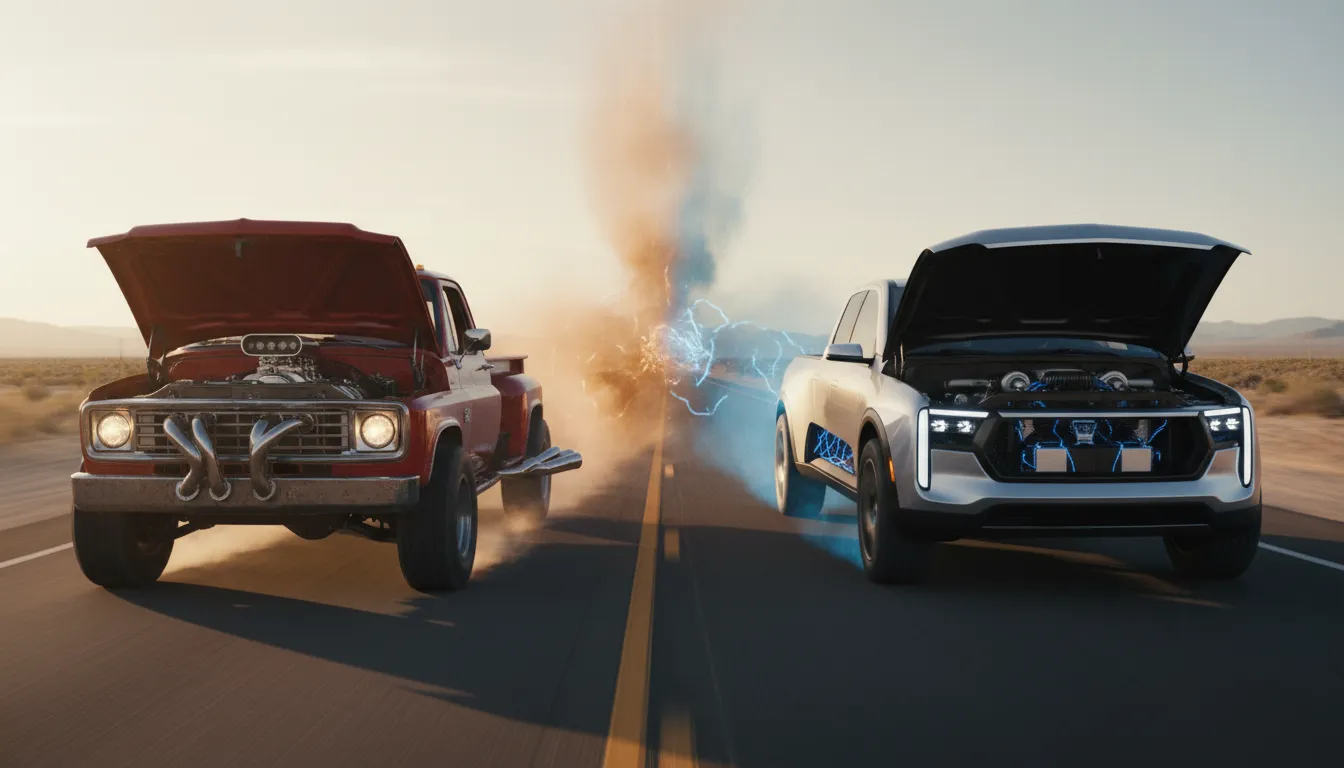
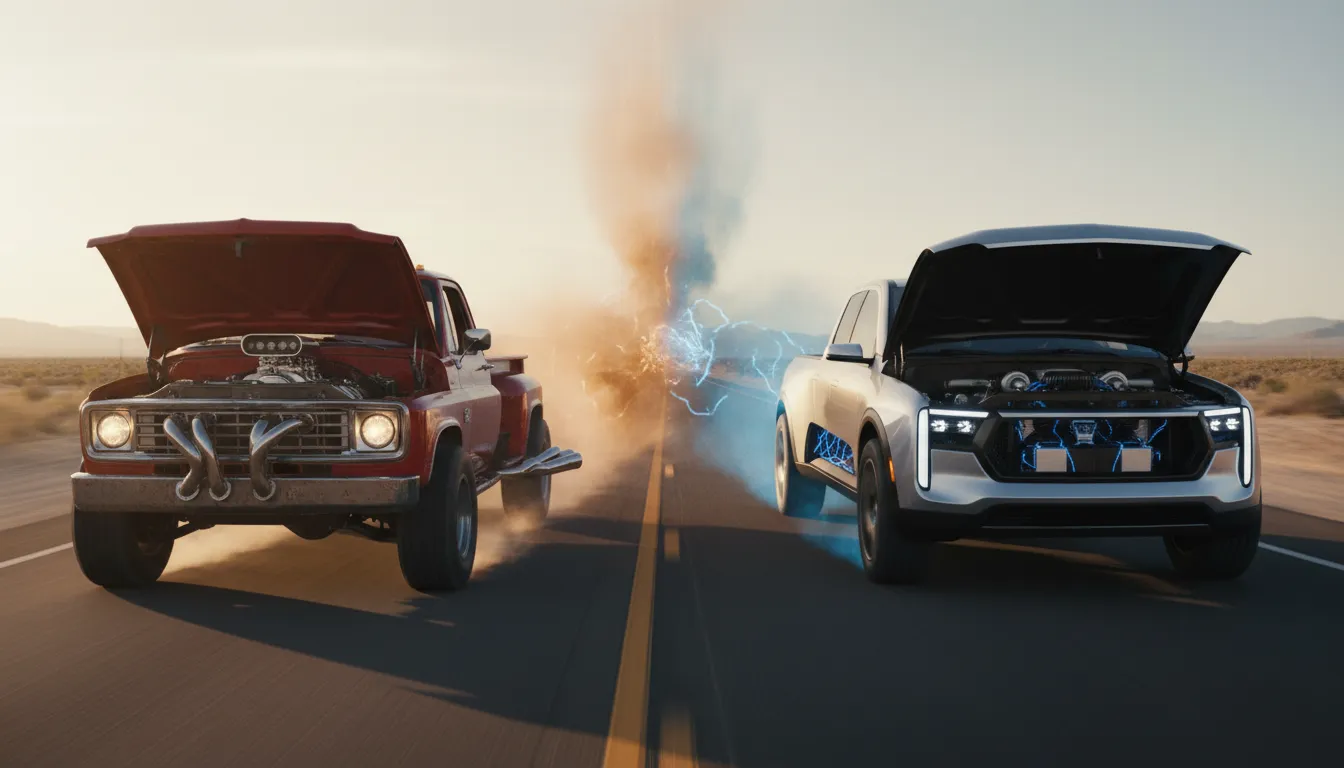
Two modern full-size trucks with very different philosophies: one leans on a traditional big V8 and the other on a small-displacement twin-turbo V6 married to a hybrid system. The numbers tell most of the story.
- Chevrolet Silverado 1500 LTZ: 6.2L V8, 10-speed automatic, ~420 hp, ~460 lb-ft torque, city 15 mpg / highway 20 mpg, payload ~1,533 lbs, price near $74,000.
- Toyota Tundra Limited (hybrid): twin-turbo 3.4L V6 + hybrid, 10-speed, ~437 hp, ~583 lb-ft torque, city 19 mpg / highway 22 mpg, payload ~1,345 lbs, price near $66,500.
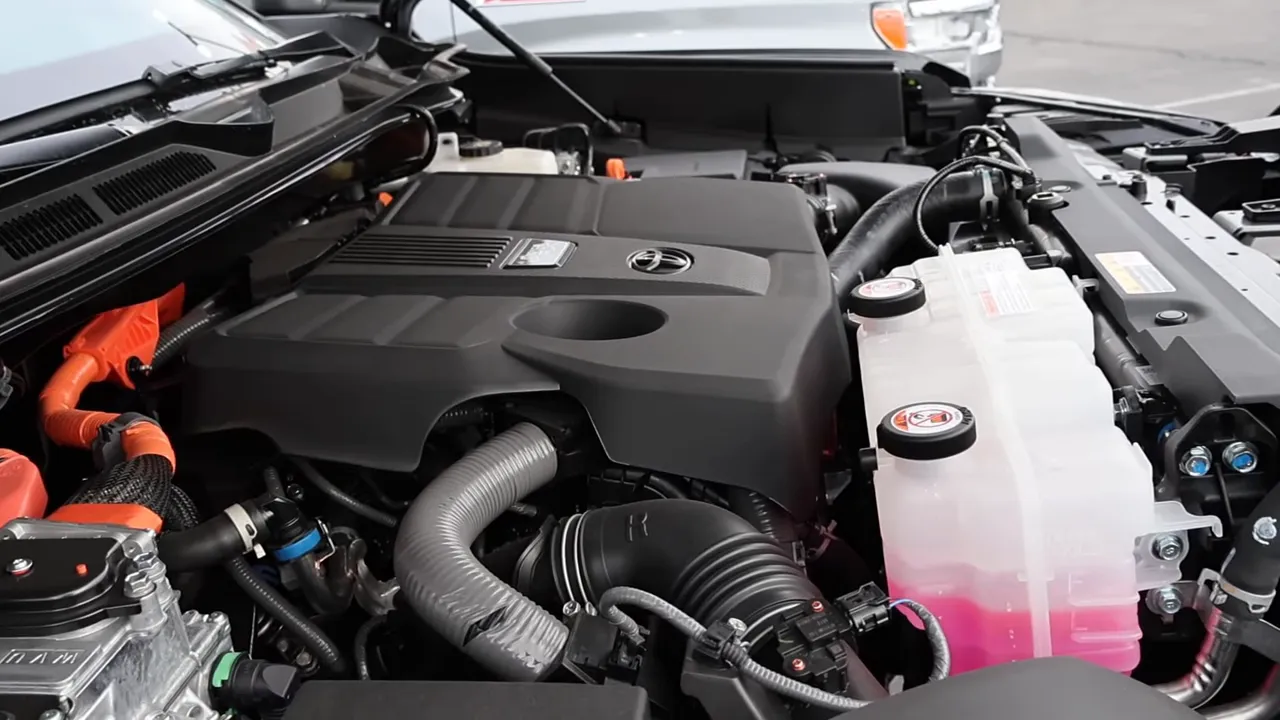
The Tundra brings more torque thanks to its hybrid-assisted twin-turbo setup. The Silverado brings classic V8 sound and a more traditional drivetrain. Price gap is notable—Chevy sits well above the Tundra on the sticker.
Exterior and utility details 🛠️
Both trucks are loaded on the outside, but their approaches differ. The Silverado leans into chrome accents and functional touches like recovery points, fog lamps, parking sensors and an advanced multi-function tailgate. The Tundra matches most of that equipment, though the recovery points aren’t present on the sample here.
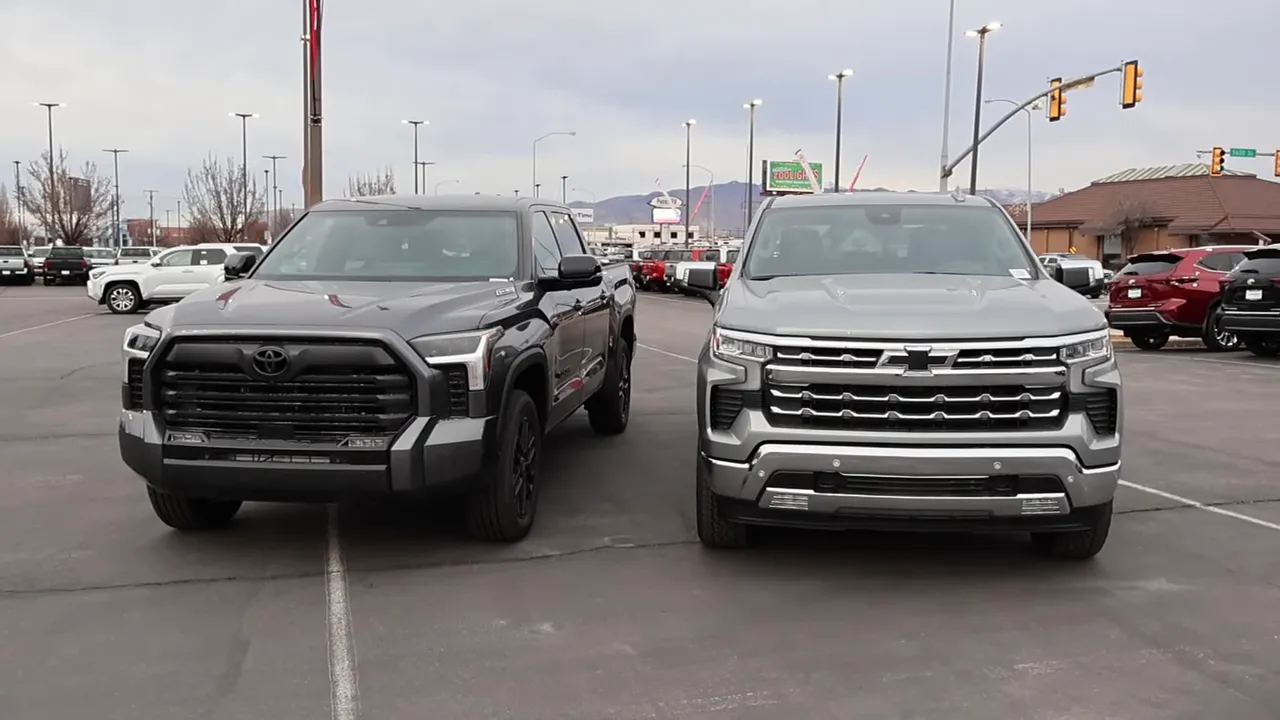
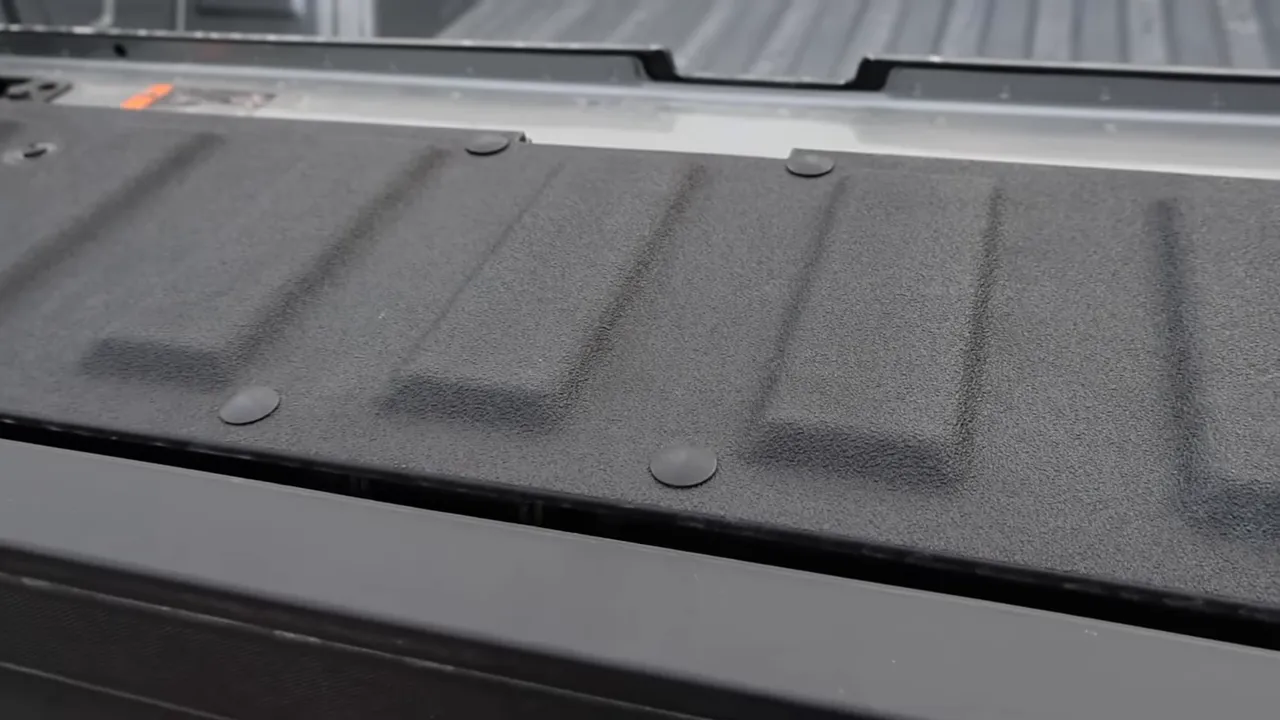
Tire and wheel setups are close but slightly different: the Silverado carried 275/60R20 all-terrain rubber while the Tundra showed 265/60R20 street tires. The Silverado’s fancy tailgate can fold into a step system that’s clever but feels heavy and clunky when you first handle it. The Tundra’s bed was simpler—bedliner, decent space, fewer gimmicks.
Interior and tech comforts 🚗
Cab comfort and layout matter more than ever. The Silverado’s rear cabin feels cavernous with sliding rear glass, two glove boxes, perforated leather, heated seats and a larger payload rating.
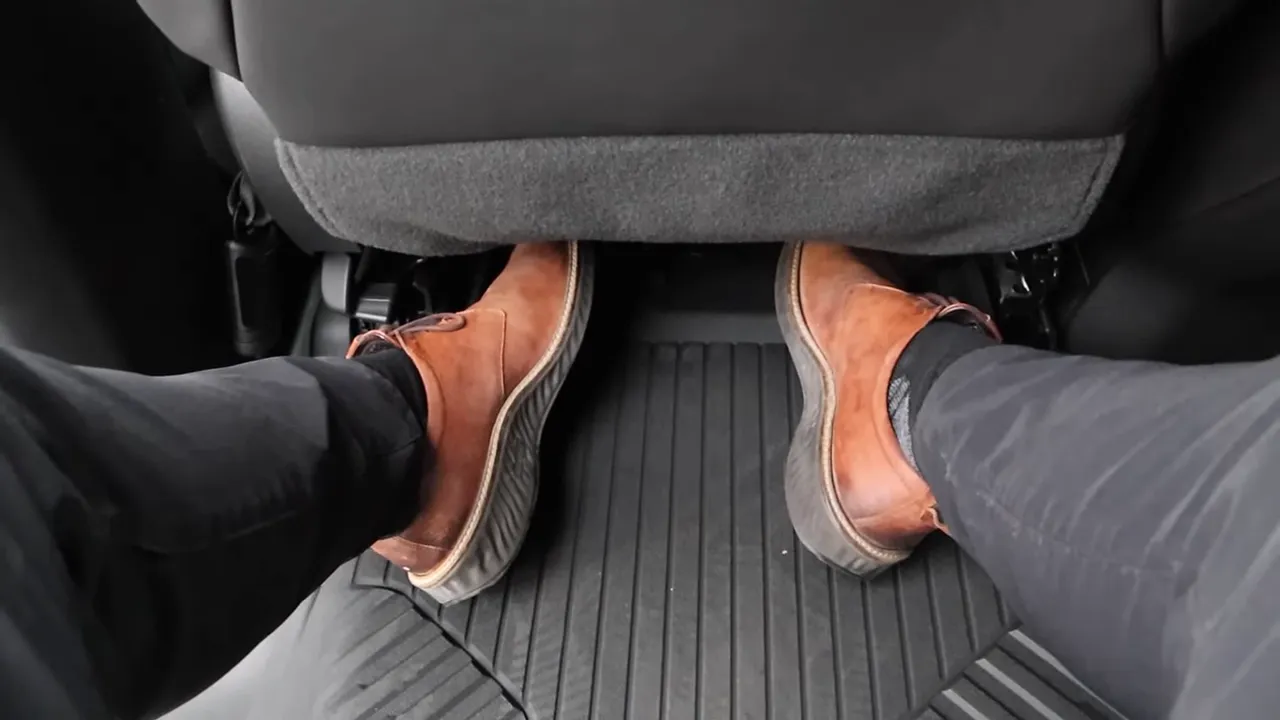
The Tundra’s interior is still very nice with premium leather, a full-window rear glass and a clean dash. Toyota’s materials feel a touch more plastic in spots, but the seats and ergonomics are modern and comfortable.
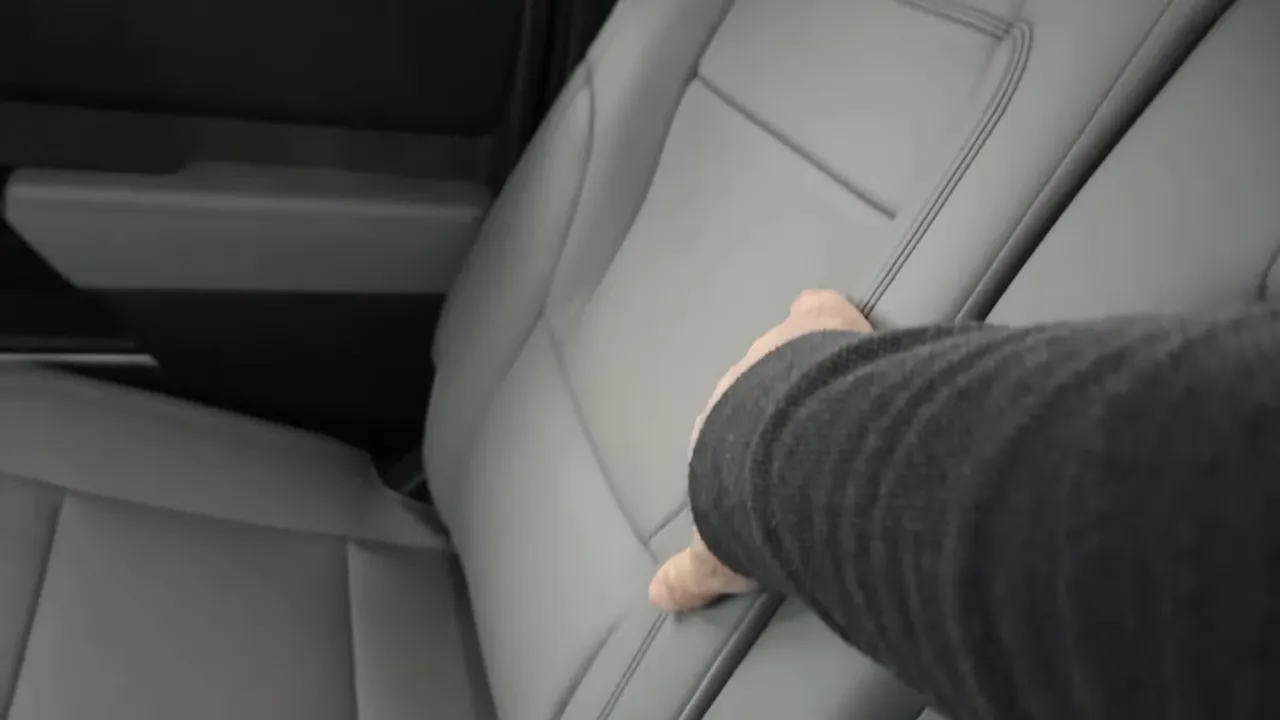
On tech, both trucks have full digital clusters and 360-degree camera systems. The Chevrolet’s infotainment can be a hair slow at startup but works smoothly once running. Toyota’s system felt snappier in day-to-day use. Both include physical climate and seat controls, wireless charging, and simple, tactile shifters that make the driver feel like they’re doing something real.
Driving impressions and reliability concerns ⚙️
These trucks highlight the modern tradeoffs: more power, better fuel economy, more complexity. The Tundra’s hybrid twin-turbo drivetrain delivers impressive torque and acceleration. The Silverado’s 6.2 V8 is smooth and sounds fantastic. Both drive comfortably with composed suspensions and effortless steering.
But the elephant in the room is complexity. Auto stop-start systems, cylinder deactivation, turbos, hybrid packs and emissions hardware all add failure points. The main worry is long-term durability. Anecdotal experience with the Tundra here was clean—no glitches, no faults across multiple demo runs. The Silverado has had some owner complaints in the wild and, when problems appear early, they tend to make headlines.
There’s also an environmental argument that surprises people: a rugged, naturally aspirated V8 that lives for half a million to a million miles could be less polluting across its lifecycle than repeated short-lived modern vehicles that fail early and get replaced multiple times. Emissions rules pushed manufacturers into complex tech to squeeze every mpg, but that tech can bring unintended reliability costs.
Verdict: which to choose? 🏁
If long-term reliability and simplicity are top priorities, a large-displacement naturally aspirated engine still has appeal. If you want torque, modern efficiency and the latest drivetrain tech, the Tundra hybrid provides huge low-end grunt and better MPG numbers than the V8 Silverado.
Quick decision guide:
- Choose the Tundra if you want maximum torque, hybrid efficiency, and a lower sticker price for similar performance.
- Choose the Silverado if you want classic V8 character, a smoother power delivery, slightly higher payload, and a more traditional truck experience.
- Think long term about total ownership costs and reliability—complex systems can be expensive to fix and replace.
FAQ ❓
Which engine is more likely to have reliability issues early on?
Which truck is better for towing and hauling?
Is the hybrid Tundra worth the complexity for fuel savings?
How much should emissions tech affect my buying decision?
Final thoughts 🗣️
Modern trucks are fascinating contradictions: brutally powerful yet quietly complex. The 2026 Tundra hybrid and the 2026 Silverado 6.2 V8 each bring strengths. The best choice depends on whether you prioritize torque and efficiency, classic V8 feel, lower initial cost, or perceived long-term durability.
Buy with your long-term plans in mind: how long you expect to keep the truck, how you’ll use it, and how comfortable you are with advanced emissions tech. That will tell you which engine is the smarter buy for you.