ARCCAPTAIN 160A MIG Welder Review
Last checked: May 2026 · Source: Amazon and ARCCAPTAIN manufacturer data
Disclosure: As an Amazon Associate, we earn from qualifying purchases. This doesn’t affect what you pay.
DIYers and farm owners often need one welder for brackets, mower decks, gates, trailer touch-ups, and small repair jobs. Basic machines can feel weak on thicker steel, while heavy shop welders cost more and stay in one place. The ARCCAPTAIN 160A MIG Welder gives you a lighter 4-in-1 option with dual-voltage input, enough output for common steel repairs, and simple synergic controls. This review helps you decide if the ARCCAPTAIN MIG160 is worth buying for your garage, farm, truck, or home workshop.
At-a-Glance Verdict
Our Verdict
Rating: 8/10
Best For: DIYers, beginners, hobby welders, and farm owners who need a compact dual-voltage welder for steel repairs.
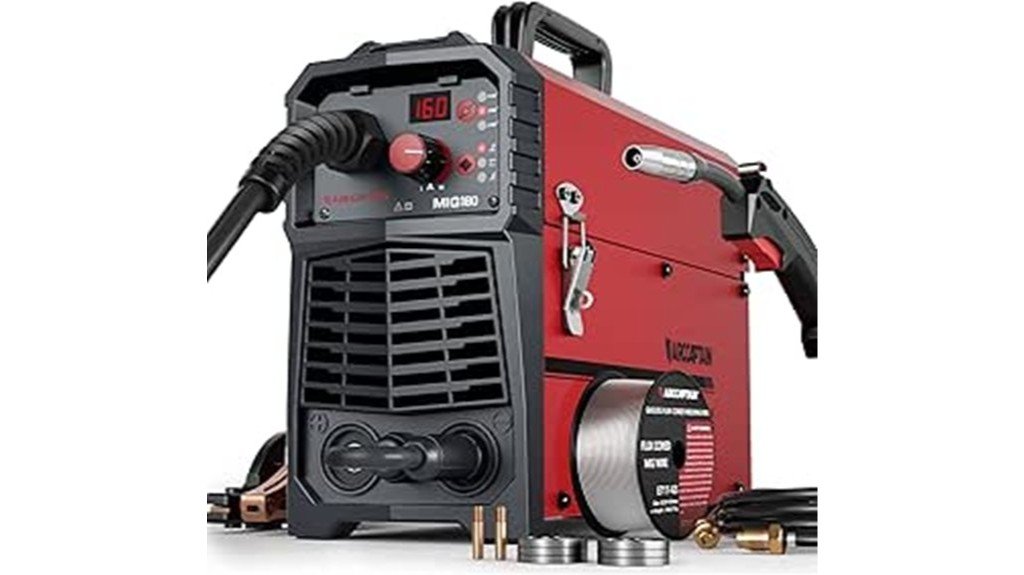
Bottom Line: The ARCCAPTAIN MIG160 gives you gas MIG, flux-core MIG, Lift TIG, and MMA stick in an 11.8 lb body. You get strong portability and useful 220V performance, but you give up aluminum spool-gun support, large wire spool capacity, and production-level duty.
The ARCCAPTAIN 160A MIG Welder makes the most sense when you want one small machine for steel-focused repairs. On 220V, it gives you enough output for many home, farm, and garage jobs. On 110V, it still works for lighter repairs, but you should not expect the same punch on thicker steel.
The main appeal comes from the mix of weight, price position, and process support. You can run gas MIG in the shop, flux-core outside, stick on rough steel, and Lift TIG for small DC TIG work with the right extra torch. The tradeoff is clear: this is a serious hobby welder, not a 250A shop machine.
Key Specifications
| Specification | Detail |
|---|---|
| Brand | ARCCAPTAIN |
| Model / ASIN | MIG160 / B0DCNLHPWG |
| Welder Type | 4-in-1 inverter welder with gas MIG, flux-core MIG, Lift TIG, and MMA stick modes. |
| Input Voltage | 110V / 220V dual-voltage input. |
| MIG Output Range | About 40-120A on 110V and 40-160A on 220V. |
| Rated Duty Cycle | 60% rated duty cycle. |
| Dimensions & Weight | Approx. 15 × 5.3 × 9.7 in; about 11.8 lb without wire. |
| Materials / Build | ABS and metal body with molded top handle and shoulder strap support. |
| Wire Support | Includes rollers for .030 in and .035 in wire. Compact cabinet suits small hobby-style spools. |
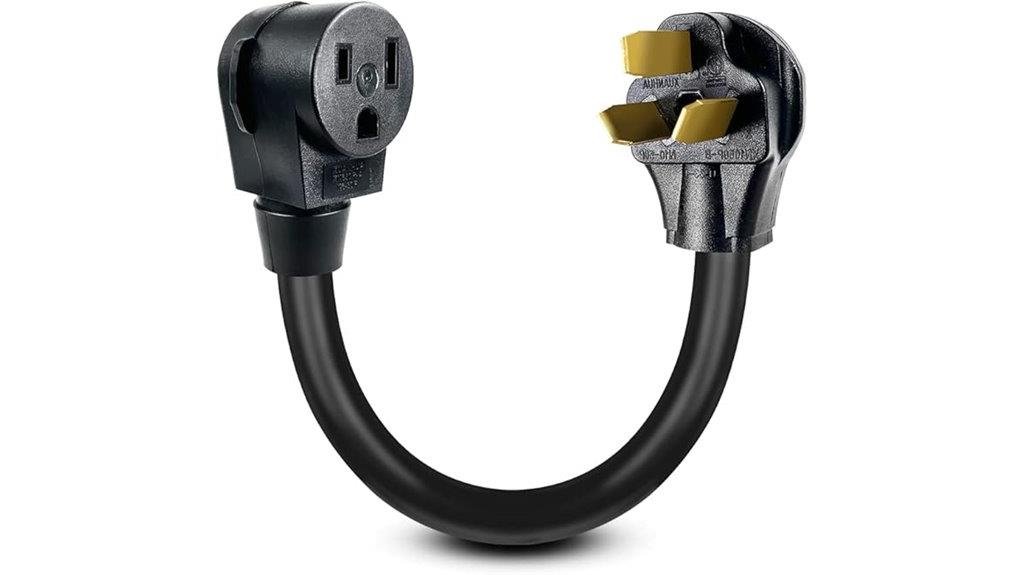
| Included Accessories | MIG160 welder, 6.5 ft MIG torch, 10 ft ground clamp, 10 ft electrode holder, 10 ft gas hose, 220V-to-110V adapter, .030/.035 in rollers, 2 lb flux-core wire, and operator’s manual. |
| Variations | Base MIG160 welder or bundle with Lift TIG torch. |
| Warranty | 2-year limited warranty on the welder, per ARCCAPTAIN. |
| Price | Check current price on Amazon because pricing changes often. |
Prices, bundles, ratings, and availability can change. Check the Amazon page for the latest listing details.
What Is the ARCCAPTAIN 160A MIG Welder?
The ARCCAPTAIN 160A MIG Welder, also listed as the MIG160, is a compact dual-voltage inverter welder for home, garage, farm, and light mobile repair work. It sits in the entry-to-mid hobby category rather than the industrial shop category. That position matters because you get useful process support without the size, weight, or cost of a larger shop welder.
The headline feature is the 4-in-1 process setup. You can use gas-shielded MIG for cleaner shop welds, flux-core MIG for outdoor jobs, MMA stick for rougher steel, and Lift TIG for smaller DC TIG work when you add the needed TIG torch and gas setup. The 11.8 lb body also gives you a real portability advantage when you move between a garage, shed, truck, or farm gate.
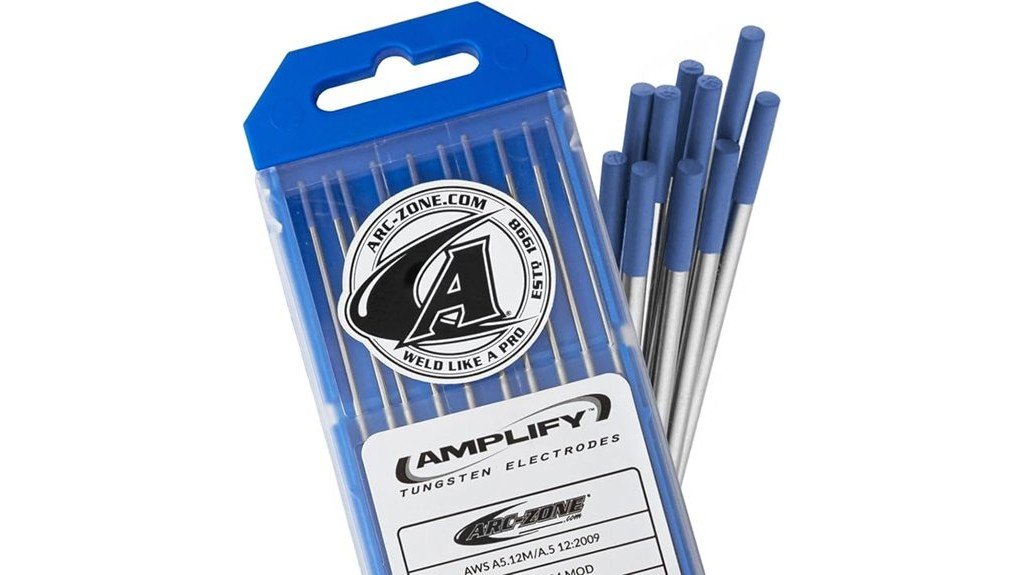
Out of the box, the accessory package covers basic MIG and stick use. You get the MIG torch, ground clamp, electrode holder, gas hose, adapter, rollers, a starter roll of flux-core wire, and the manual. For gas MIG, you still need a shielding gas cylinder and regulator. For Lift TIG, you need the TIG torch, tungsten, argon, and related consumables.
Hands-On Experience
You notice the ARCCAPTAIN MIG160’s size first. At about 11.8 lb without wire, it feels easy to lift with one hand, and the molded top handle makes it simple to carry around a small shop. That matters when your welder needs to move from a bench to a truck bed or from a garage outlet to a farm repair spot.
The wire compartment suits the compact design. It handles small wire spools and includes rollers for .030 in and .035 in wire, which cover many home MIG and flux-core jobs. You should expect more wire changes than you would with a larger welder that accepts bigger 10 lb spools.
The front panel keeps the learning curve manageable. The MIG160 uses synergic settings, so the machine helps match wire feed and amperage to your selected setup. You still need clean metal, good clamp contact, proper stick-out, and the right travel speed, but the controls help beginners get closer without guessing every setting from scratch.
The biggest performance split comes from voltage. On 110V, the welder suits thinner steel, brackets, bodywork-style repairs, and lighter garage jobs. On 220V, it can use the full 160A MIG range and feels much more capable on thicker mild steel around the 3/16 in class when your joint prep and technique match the job.
Who It’s For
Who It’s For
- DIYers who need one compact welder for gates, brackets, mower decks, shelves, carts, and basic steel repairs.
- Beginners who want synergic MIG settings but still want room to fine-tune as their welding improves.
- Farm owners and mobile repair users who want a light 110V/220V welder they can carry with suitable power.
Who Should Skip It
- Anyone who needs regular aluminum welding, because the MIG160 does not support a spool gun.
- Shops that weld thick plate all day and need a 200A to 250A production machine with larger wire spools.
- Users who expect long industrial-grade leads, heavy torches, and continuous shop-duty performance out of the box.
Performance & Features
Design and Build
The ARCCAPTAIN MIG160 uses an ABS and metal body, so it feels more solid than many lightweight entry-level welders. The compact shell keeps the footprint small, while the molded handle helps when you need to carry the machine across a driveway, barn, or worksite. The shoulder strap option also helps if you need both hands for leads, gloves, and small tools.
The machine’s size brings one clear tradeoff. The wire compartment fits small spools, not large industrial rolls. That setup makes sense for a portable 11.8 lb welder, but it can slow you down if you weld for long sessions and burn through wire often.
MIG and Flux-Core Performance
On 220V, the MIG range reaches up to 160A, which gives the MIG160 useful strength for common mild-steel jobs. You can handle angle iron, brackets, mower deck patches, gate repairs, and similar projects when you prep the joint correctly. Clean metal still matters because mill scale, rust, and paint can make any compact welder look worse than it is.
Flux-core mode gives you a practical outdoor option. It works better than gas MIG when a breeze would push shielding gas away from the weld puddle. The tradeoff is more smoke, spatter, and cleanup, so you should use gas MIG in the shop when you want a cleaner bead.
110V vs 220V Power
The dual-voltage setup gives you flexibility, but it does not make 110V equal to 220V. On a normal 110V circuit, output tops out around 120A, so the machine suits thinner stock and lighter repairs. You should use 220V when you want the full 160A MIG range or plan to weld thicker steel.
A proper circuit also improves consistency. Undersized extension cords, weak outlets, and small generators can cause voltage drop when you strike an arc. For smoother starts and cleaner welds, use a suitable circuit and a heavy-duty extension cord rated for the job.
4-in-1 Versatility
The MIG160’s four processes give you more flexibility than a single-process beginner welder. Gas MIG handles most clean shop work, flux-core handles outdoor repair, MMA stick helps on rougher farm steel, and Lift TIG covers small DC TIG jobs. This mix suits people who want one welder instead of several machines.
Lift TIG has limits. You need to buy the TIG torch and consumables if your bundle does not include them. You also do not get high-frequency start or foot pedal control, so the TIG mode works best for occasional small jobs rather than fine, delicate TIG work.
Controls and Safety
The control layout stays simple enough for newer welders. You get mode selection, digital readout, wire diameter choices, and knob-based adjustment for the synergic settings. That design helps you start faster, especially if you move between .030 in and .035 in wire.
The safety package includes overcurrent, overload, overheating, and over-voltage protection. Those protections matter when a compact inverter welder runs hard in a small body. The fan helps manage heat, but you should still respect the 60% duty cycle and avoid treating the MIG160 like a large production welder.
How It Performs in Real Use
For Garage Repairs
In a garage, the ARCCAPTAIN MIG160 works best when you run gas MIG on clean mild steel. Brackets, carts, shelves, mower deck patches, and light fabrication jobs fit its size and output range. The compact body also saves space in a small garage where a full-size welder would be hard to store.
For Farm and Outdoor Work
For farm gates, fence hardware, small trailer touch-ups, and equipment brackets, flux-core and stick modes give you useful flexibility. Flux-core helps when wind makes shielding gas difficult, while stick mode helps on rougher steel that would take more prep for MIG. You still need realistic expectations on thick structural steel because 160A has limits.
For Mobile Repair
The 11.8 lb body makes the MIG160 easy to carry for mobile repair work. You can pair it with a suitable generator or use available 110V/220V power on site. For best results, use 220V when possible, because the higher output range gives you more headroom on thicker material.
Pros and Cons
Pros
- 11.8 lb body makes it easy to carry between your garage, truck, shed, or farm workspace.
- 110V/220V input gives you household-outlet convenience and stronger 220V welding performance.
- 4-in-1 modes cover gas MIG, flux-core MIG, Lift TIG, and MMA stick for common steel jobs.
- 60% rated duty cycle gives you useful run time for hobby welding when you respect the machine’s limits.
- Included MIG torch, ground clamp, electrode holder, gas hose, adapter, rollers, and starter wire help you begin faster.
Cons
- No spool-gun support, so you should not choose it for serious aluminum MIG welding.
- Compact wire compartment suits small spools, which means more wire changes during longer jobs.
- 110V output tops out around 120A, so thicker steel needs 220V for better results.
- Lift TIG requires extra gear unless you choose a bundle that includes the torch.
Is It Worth the Price?
The ARCCAPTAIN 160A MIG Welder offers strong value for the price when you judge it as a compact 4-in-1 hobby welder. You get dual-voltage input, synergic MIG controls, stick mode, flux-core mode, and Lift TIG support in one portable machine. That mix can save money and space if you only weld steel occasionally or moderately.
You get the most value if you need portability more than maximum amperage. A larger 200A to 250A welder makes more sense for thick plate, frequent trailer work, or daily shop use. For a home garage, farm repair corner, or backup truck welder, the MIG160 gives you a practical balance of size, capability, and cost.
The value drops if you need aluminum capability, long industrial leads, or larger wire spool support. Those limitations do not make the welder bad, but they define the right buyer. Choose it when your projects match the 160A steel-focused envelope.
How It Compares to Alternatives
If you want similar multiprocess capability with a more advanced display, a YESWELDER 160A-class multiprocess MIG model may suit you better. If you want a little more output, a TOOLIOM 180A 4-in-1 MIG welder can give you more headroom at the cost of extra size. The ARCCAPTAIN MIG160 remains the better fit when portability, simple controls, and steel-focused value matter most.
| Model | ARCCAPTAIN 160A MIG Welder (MIG160) | YESWELDER YWM-160 multiprocess MIG | TOOLIOM 180A 4-in-1 MIG Welder |
|---|---|---|---|
| Headline Benefit | Lightweight dual-voltage 160A 4-in-1 welder with simple synergic controls for home and farm steel use. | Similar 160A multiprocess class with display-focused controls on many versions. | Higher 180A-class output for buyers who want more amperage headroom. |
| Key Spec | 160A peak MIG output, 110V/220V input, 4-in-1 process support, 60% duty cycle, about 11.8 lb. | 160A-class multiprocess output with dual-voltage support, depending on exact model. | 180A-class multiprocess output with dual-voltage support, depending on exact sub-model. |
| Notable Drawback | No spool-gun support, compact wire compartment, and limited 110V output. | May cost more or feel bulkier, depending on configuration. | Larger footprint and less convenient carry size than the ARCCAPTAIN. |
| Value Position | Strong value for portable steel-focused DIY welding. | Good fit if you value display features or model-specific extras. | Better fit if you need more output and accept extra size. |
| My Pick For | Best balance of portability, value, and 4-in-1 steel repair capability. | Buyers who want a different control layout or feature set. | Buyers who regularly push closer to 180A and do not mind extra bulk. |
Frequently Asked Questions
Can the ARCCAPTAIN 160A MIG Welder run on a normal household outlet?
Yes, it can run on 110V power for light steel repairs. You should treat 110V as the lower-output mode because MIG output reaches about 120A on that input. For thicker steel and full 160A MIG performance, use 220V.
What thickness of steel can the ARCCAPTAIN MIG160 weld?
On 220V, the MIG160 can handle many common mild-steel jobs around the 3/16 in range when you use proper prep and technique. On 110V, it fits thinner material better. For thick structural steel, choose a larger welder with more output.
Does the ARCCAPTAIN MIG160 come ready for gas MIG welding?
It includes the MIG torch, gas hose, ground clamp, adapter, rollers, and a starter spool of flux-core wire. For gas MIG, you still need shielding gas, a compatible regulator, and solid MIG wire. That is normal for many welders in this class.
Can the ARCCAPTAIN 160A MIG Welder weld aluminum?
You should not buy this model for serious aluminum welding. The MIG160 does not support a spool gun, and that limits aluminum wire feeding. Choose a welder with spool-gun support if aluminum is a core job for you.
Is the Lift TIG mode useful?
Lift TIG is useful for occasional small DC TIG work on mild steel or stainless steel. You need the proper TIG torch, tungsten, argon, and consumables. It does not replace a dedicated TIG welder with high-frequency start and foot control.
What size wire does the ARCCAPTAIN MIG160 support?
The included rollers support .030 in and .035 in wire. That covers many common MIG and flux-core jobs for home and farm repairs. The compact cabinet suits smaller spools, so heavy users may prefer a larger welder with bigger spool support.
What generator size should you use with the ARCCAPTAIN MIG160?
Use a stable, clean power source with enough wattage for your welding mode and input voltage. For 110V light work, a quality generator in the 3,000W class or larger can make sense. For full 220V output, use a larger 220V-capable generator with enough headroom to prevent voltage sag.
The Bottom Line
The ARCCAPTAIN 160A MIG Welder earns its 8/10 rating because it gives you real steel-repair capability in a compact 11.8 lb body. You should buy it if you want one portable machine for gas MIG, flux-core, stick, and occasional Lift TIG work around a home shop, garage, or farm. You should skip it if you need aluminum spool-gun support, large wire spools, industrial-length leads, or daily production welding.
- Buy if: you want a compact 4-in-1 welder for steel, value portability over maximum amperage, and can work within a realistic 160A range.
- Skip if: you routinely weld thick structural steel, need aluminum capability with a spool gun, or want continuous-duty industrial performance.
Ready to Buy?