Disclosure: As an Amazon Associate, we earn from qualifying purchases. If you click a link on this page and make a purchase, we may receive a small commission at no extra cost to you.
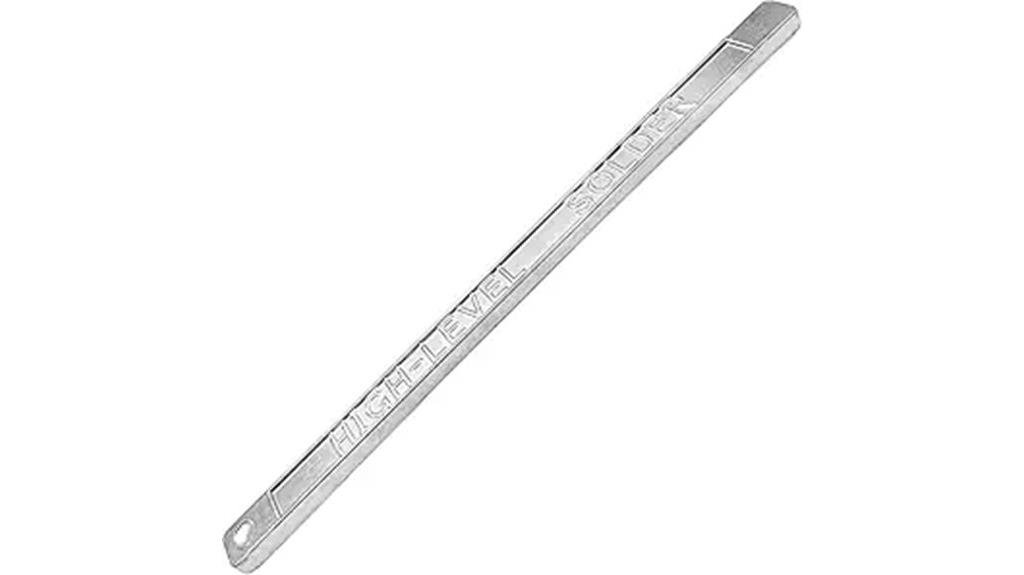
Need to refill a solder pot for wire tinning or repair an older circuit board? The WAIMILK SBAR-6040 Sn60-Pb40 solder bar offers a familiar 60% tin and 40% lead alloy in a single bar advertised as 1 lb. Its low melting range suits equipment designed for leaded solder, but it requires separate flux and careful lead handling. This review covers what the listing supports, how the alloy behaves, and when you should choose a lead-free option instead.
Quick Verdict
Rating: Recommended with caveats for permitted leaded-solder work
Best For: Technicians refilling a compatible solder pot, tinning copper wire ends, or maintaining older electronics that use leaded solder.
Bottom Line: The bar gives you a practical quantity of traditional 60/40 alloy with a narrow 183–190°C melting range. You still need the right flux, safe handling, and confirmation that leaded solder is permitted for your project.
| Specification | Detail |
|---|---|
| Brand | WAIMILK, identified in third-party retailer listings |
| Model | SBAR-6040 |
| Product Type | Solid solder bar for bulk melting |
| Alloy Composition | 60% tin (Sn), 40% lead (Pb) |
| Advertised Quantity | One bar, listed as 1 lb (16 oz, about 454 g) |
| Weight Note | One retailer’s technical field says 15.8 oz; confirm net weight before ordering |
| Melting Range | 183°C solidus to about 190°C liquidus (typical Sn60/Pb40 alloy) |
| Flux | Not flux-cored; suitable external flux is needed for most joining or tinning jobs |
| Common Uses | Solder pots, wire-end tinning, eligible legacy electronics repair |
| Included Item | One solder bar; flux, pot, and tools are not listed as included |
| Lead Restriction | Not suitable for ordinary RoHS-restricted solder joints without an applicable exemption |
| Storage | Keep labeled in a clean, dry place away from food and children |
What Is the WAIMILK Sn60-Pb40 Solder Bar?
The WAIMILK SBAR-6040 is a solid bar of tin-lead solder sold for use in solder pots and similar melting equipment. The listing identifies one bar with a nominal 60/40 alloy mix. Unlike flux-cored solder wire, this form lets you add metal to a molten bath without feeding small lengths of wire.
The alloy starts melting at about 183°C and becomes fully liquid near 190°C. Those are alloy melting temperatures, not fixed settings for your solder pot or iron. Actual working temperatures depend on the equipment, flux, parts, and time the joint spends in contact with molten solder.
The product is also marketed as a low-dross bar. That describes a claimed benefit, not a tested result for this exact batch. If bath cleanliness and production traceability matter to you, ask the seller for an alloy certificate or lot-specific data before using it in controlled work.
Who Should Buy It?
Best For
- Workshops that already use Sn60/Pb40 in a designated solder pot.
- Technicians tinning wire ends or terminals where soldering is allowed by the connection specification.
- Repairers servicing compatible vintage radios, amplifiers, and other legacy boards.
Skip If
- You need lead-free solder for a product or workplace specification.
- You are joining potable-water plumbing or food-contact parts.
- You only need to hand-solder a few small joints and lack a suitable pot or flux setup.
Key Features and Performance Analysis
Thermal Behavior and Melting Characteristics
Sn60/Pb40 has a narrow melting interval of about 183–190°C. By comparison, Sn63/Pb37 is eutectic: it changes between solid and liquid at about 183°C with no pasty range. For your work, this means a 60/40 joint should stay still until it has fully set, since movement while cooling can weaken the joint.
The lower liquidus temperature compared with common lead-free alloys can help limit heat exposure when the whole process is set up correctly. It does not guarantee less board damage. A solder pot running too hot, or a wire held in the bath for too long, can still damage insulation and components.
Pro Tip: Start with the solder-pot maker’s approved settings and the flux supplier’s process guide. Check the bath with a suitable thermometer, then use the lowest validated temperature and dip time that wet your parts fully.
Wetting Efficiency and Flux Compatibility
Traditional 60/40 solder can wet clean copper surfaces well when paired with a suitable electronics-grade flux. Rosin, mildly activated rosin, and some water-soluble flux systems may work, but their cleaning needs differ. Choose flux for the base metal, expected residues, and the finished assembly, rather than assuming any liquid flux will do.
This bar does not replace flux. Oxides on copper or a dirty molten surface may cause patchy coating, poor flow, or uneven joints. Clean the metal, apply the specified flux, and avoid touching prepared surfaces with bare hands.
Dross, Bath Care, and Material Waste
Dross is the oxide-rich material that develops on an exposed solder bath. It increases with factors such as heat, air exposure, agitation, and contamination. The WAIMILK listing promotes low dross, but it does not provide a verified dross rate or comparative test for this exact bar.
For practical upkeep, keep the bath at a controlled temperature and remove surface waste using your equipment maker’s approved method. Do not stir oxides back into the molten solder. Set aside lead-bearing waste for handling under your local hazardous-waste rules.
Before You Buy: This alloy contains 40% lead. Check the rules for your finished product, your workplace’s material specification, and any applicable RoHS exemptions. Do not use it for drinking-water plumbing, cookware, or other food-contact joints.
Manufacturing and Repair Quality Checks
There is no reliable basis to promise a 98% wave-solder yield or a fixed number of seconds per joint from the alloy alone. The board design, flux, bath condition, heat capacity, and operator technique all affect the result. Use the following checks to judge whether this bar fits your process.
| Process | What to Check | Main Limitation |
|---|---|---|
| Solder Pot Tinning | Even wire coverage, intact insulation, minimal excess solder | Overheating and solder wicking |
| Wave Soldering | Wetting, bridging, voids, bath chemistry, approved alloy grade | No lot-specific production qualification provided |
| Manual Rework | Clean joint surfaces, correct flux, stable cooling | Bar stock is less convenient than flux-cored wire |
If you run a controlled line, verify the supplier’s chemistry, impurity limits, and lot documentation before placing an unqualified bar into an existing solder bath. A matching 60/40 label alone does not establish that the bar meets your process standard.
How It Performs in Real Use
1. Benchtop Solder Pot Tinning
For repeat batches of wire ends, bar stock is convenient because you can replenish a bath without stripping flux-cored wire. After you clean and flux the wire, a suitable bath can coat the exposed copper. Keep immersion time under control to avoid excessive solder buildup and damage near the insulation.
2. Automotive and Heavy Cable Harness Repairs
The alloy may suit certain approved electrical repairs, but it should not be your default fix for every vehicle harness. Solder can wick along stranded wire and leave a rigid section beside the joint. In places exposed to vibration, follow the vehicle maker’s repair method, including approved crimps and strain relief where required.
3. Vintage Electronics Restoration
Older radios and amplifiers may contain original tin-lead solder joints. A matching leaded alloy can be useful when the repair procedure allows it, especially for parts that are sensitive to long heating times. Check the existing solder and board condition first, and use flux and tools suited to delicate components.
4. Maintaining a Dedicated Leaded-Solder Bath
A single bar can be a practical refill for a small pot that already uses the same approved alloy. Keep leaded and lead-free baths clearly labeled and separate. If you cannot verify the alloy grade or cleanliness needed by your process, choose a supplier that provides certificates and batch traceability.
Setup Tips and Common Mistakes to Avoid
- Check capacity first: Compare the pot’s fill requirement with the listed one-bar quantity. Do not overfill a hot bath.
- Confirm the alloy already in your pot: Avoid topping up an unknown or lead-free bath with Sn60/Pb40.
- Use dry, clean parts: Water or moisture entering molten solder can cause dangerous splashes.
- Prepare the surface: Clean and flux the copper or component lead as required by your process.
- Inspect the finished work: Look for full coverage, unwanted bridges, damaged insulation, and joints disturbed while cooling.
- Keep records: For shop use, note the alloy, refill date, supplier, and any lot information actually supplied.
Handling, Safety, and Best Practices
Lead is toxic, and molten solder can cause serious burns. Read the product’s Safety Data Sheet and your solder pot’s manual before use. Manage lead exposure through clean work practices and manage fumes from heated flux with suitable local extraction.
- Fume control: Use effective extraction when heating flux. Keep your face out of the rising plume, and follow workplace exposure requirements.
- Eye and heat protection: Wear protective eyewear and clothing suited to molten metal. Use heat-resistant handling tools and gloves when the task calls for them.
- Lead hygiene: Keep food and drinks out of the work area. Wash hands with soap and water after handling solder and before eating.
- Work surface: Keep the bench clear of food items and materials that could burn or melt. Clean possible lead residue using an approved method, not dry sweeping or compressed air.
- Storage and disposal: Store the solid bar labeled, dry, and away from children. Collect used dross, scraps, and contaminated cleanup materials for disposal as required locally.
Lead-free solder is often the simpler choice for general consumer work. If you have a workplace compliance question or need to qualify an industrial process, consult your safety or quality lead before using this material.
Pros and Cons
Pros
- Traditional 60/40 alloy has a narrow, well-documented melting range.
- Solid bar form suits refilling and maintaining solder pots.
- One-bar quantity is convenient for a small dedicated bath.
- Can wet clean copper well with the correct flux and process.
- Potentially useful for eligible repairs on older leaded-solder assemblies.
Cons
- 40% lead makes it unsuitable for many modern regulated applications.
- Separate flux, a compatible heating setup, and lead-safe work practices are needed.
- The advertised low-dross claim and lot traceability are not independently verified for this bar.
Check Current Price on Amazon →
Is It Worth the Price?
If you already use Sn60/Pb40 in a small solder pot, this bar is worth considering as a straightforward refill. Its practical value comes from the familiar alloy and solid bar format, not from a proven production yield or a guaranteed reduction in dross.
Compare the current total cost with other solder bars by net weight, documentation, and shipping terms. For hobby work, an accurately labeled one-bar pack may be enough. For production or audited repair work, a traceable industrial-grade supplier may offer better value even if the unit cost is higher.
How It Compares to Alternatives
Sn63/Pb37: This eutectic tin-lead alloy melts and solidifies at about 183°C. It may be easier for some fine rework because it has no pasty interval, but it still contains lead and carries similar restrictions.
SAC305: This common lead-free tin-silver-copper alloy melts at roughly 217–220°C. Sn99.3/Cu0.7: Another lead-free option, it melts at about 227°C. Both can be better choices when a project requires lead-free solder, although you must confirm flux and equipment settings for the new alloy.
Verification note: This is a specification-based editorial assessment, not a report of hands-on batch testing. General alloy data was checked against AIM’s Sn60/Pb40 technical sheet. Lead restrictions and fume-control guidance were checked against the European Commission’s RoHS overview and UK HSE soldering guidance. These sources describe the alloy or safety rules, not independent testing of the WAIMILK bar.
Frequently Asked Questions
Is the WAIMILK Sn60-Pb40 solder bar RoHS compliant?
Not for ordinary RoHS-restricted solder joints. The alloy contains 40% lead, far above the standard lead limit for restricted homogeneous materials. Certain products or uses may qualify for an exemption, so check the exact rules for your application.
Can you use it for plumbing or food-contact equipment?
No. Do not use this leaded solder on drinking-water pipes, cookware, or other food-contact joints. Select an approved lead-free joining material for those applications.
What temperature does Sn60-Pb40 solder melt at?
The alloy starts melting near 183°C (361°F) and is fully liquid near 190°C (374°F). A solder pot needs an operating setting above the liquidus, but the correct value depends on the equipment and process.
Does the bar contain flux?
No flux core is described for this solid bar. For most wire-tinning and joining tasks, you will need a suitable external flux. Follow that flux maker’s cleaning and safety instructions.
How much solder is in the package?
The listing advertises one 1 lb bar, or about 454 g by standard conversion. Some seller text says 456 g, and one technical listing says 15.8 oz. Confirm net weight if an exact quantity matters.
Does it include batch or lot certification?
Lot tracking and a certificate of analysis were not confirmed for this exact product. If you need documented chemistry for manufacturing or regulated repair, request those records from the seller before you buy.
How can you reduce dross in a solder pot?
Control bath temperature, limit unnecessary agitation, and follow your pot maker’s instructions for removing oxides. Collect skimmed material safely because it contains lead. A low-dross product label is not a substitute for good bath management.
Can this bar replace solder wire for small hand repairs?
Not as a direct one-for-one substitute in every setup. Bar stock is made for bulk melting and offers no built-in flux. Flux-cored solder wire is usually easier to meter into small joints with a soldering iron.
The Bottom Line
The WAIMILK SBAR-6040 Sn60-Pb40 bar is a reasonable option if you need a small quantity of leaded alloy for a compatible solder pot or eligible older electronics repair. Its key benefits are a familiar 60/40 composition and a low melting range, but its lead content, separate-flux requirement, and unverified lot details limit where you should use it. Choose a documented lead-free alternative when your job calls for it.
Ready to Buy?
Check the current listing, exact package quantity, and seller details before ordering.