Disclosure: As an Amazon Associate, we earn from qualifying purchases. If you click a link on this page and make a purchase, we may receive a small commission at no extra cost to you.
Selecting the correct solder alloy determines joint strength, processing speed, and overall thermal reliability in electronics manufacturing and repair. The Sn60-Pb40 solder bar is a traditional 60% tin and 40% lead alloy engineered for bulk melting operations like wave soldering, solder pots, and heavy-duty manual rework. This review evaluates its thermal characteristics, processing yields, handling requirements, and regulatory limitations to help you decide if this leaded alloy fits your technical requirements.
Quick Verdict
Rating: Recommended for non-RoHS / Legacy Electronics & Repair
Best For: Technicians, industrial repair shops, and hobbyists working on non-restricted electronics, automotive wiring, and high-throughput solder pot operations.
Bottom Line: The Sn60-Pb40 bar provides exceptional wetting speed, low dross formation, and a forgiving 183–190°C melting range. However, its 40% lead content strictly precludes its use in RoHS-regulated production or food-contact applications.
| Specification | Detail |
|---|---|
| Alloy Composition | 60% Tin (Sn) / 40% Lead (Pb) |
| Bar Mass | 1 lb (16 oz / ~456 g) |
| Melting Range | 183°C (Solidus) – 190°C (Liquidus) |
| Process Compatibility | Wave Soldering, Solder Pots, Heavy Dip Soldering, Manual Rework |
| Wave Solder Yield | ~98% (5–12 sec cycle time per contact) |
| Solder Pot Yield | ~97% (Continuous operation) |
| Manual Rework Yield | ~95% (2–8 sec per joint) |
| Recommended Tip / Pot Temp | 250°C – 350°C (depending on process) |
| RoHS Compliance | No (Contains Lead) |
| Storage Requirements | Dry environment, 15–25°C ambient temperature |
What Is the Sn60-Pb40 Solder Bar?
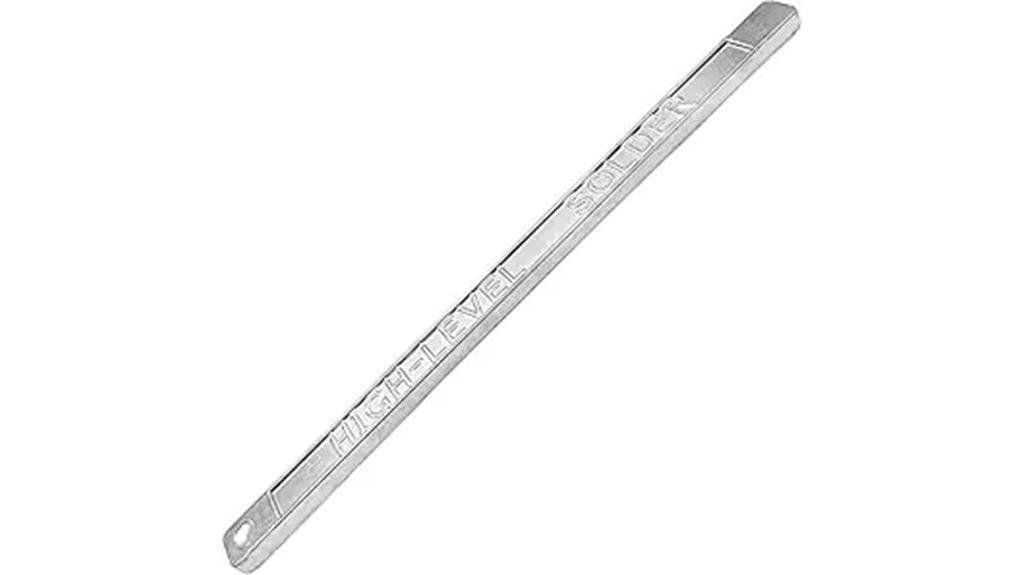
The Sn60-Pb40 solder bar is a high-purity metal alloy formatted into standard 1 lb (456 gram) cast bars for industrial melting equipment and workshop solder pots. Consisting of 60% tin and 40% lead by weight, it represents one of the most reliable and historically proven alloy formulations in electrical engineering. It is designed specifically to fill dipping pots, bath reservoirs, and automated wave soldering systems where continuous molten solder is required.
Unlike cored solder wire, which includes internal flux channels, a solder bar provides solid, un-fluxed alloy stock. It is engineered for operations where external liquid flux is applied to components prior to immersion or wave contact. The 60/40 ratio balances thermal conductivity, physical joint strength, and low surface tension, allowing liquid metal to flow rapidly into tight mechanical tolerances and copper through-holes.
Who Should Buy It?
Best For
- Industrial facilities working on exempt, military, or legacy electronics.
- Technicians operating static solder pots for wire tinning and component prepping.
- Automotive and appliance repair shops requiring low melting temperatures and high joint ductility.
Skip If
- You are manufacturing commercial electronics subject to RoHS or REACH lead bans.
- You are repairing potable water pipes, cookware, or food processing equipment.
- You lack local exhaust ventilation or proper fume extraction setups.
Key Features and Performance Analysis
Thermal Behavior and Melting Characteristics
Sn60-Pb40 features a solidus point of 183°C (the temperature where melting begins) and a liquidus point near 190°C (where it becomes completely liquid). This narrow 7°C pasty range gives the alloy predictable phase behavior. While near-eutectic Sn63-Pb37 melts instantly at 183°C, the slight 7°C window in Sn60-Pb40 allows operators a brief moment of workability without compromising joint speed.
Because the required operating temperatures (typically 250°C to 350°C at the tip or pot) are significantly lower than lead-free alternatives like SAC305 (which melts around 217–221°C), thermal stress on sensitive electronic components and circuit board substrates is reduced. Lower processing temperatures also extend heater element life and decrease energy consumption in continuous wave equipment.
Pro Tip: When setting up a solder pot for wire tinning with Sn60-Pb40, maintain pot temperatures between 260°C and 280°C. Operating above 350°C accelerates oxidation and increases unnecessary dross accumulation without improving tinning quality.
Wetting Efficiency and Dross Formation
A primary mechanical advantage of 60/40 tin-lead solder is its excellent surface tension reduction and high purity. When paired with an appropriate rosin or water-soluble flux, the alloy spreads rapidly across copper, brass, and nickel-plated surfaces. In wave soldering applications, this translates to minimal bridging, low pinhole formation, and a typical manufacturing yield of approximately 98%.
Dross formation—the oxide layer that builds up on top of molten solder baths—remains low with high-purity Sn60-Pb40 stock. Less dross means cleaner dips, reduced alloy waste, and less frequent skim maintenance during high-volume production cycles.
Before You Buy: Ensure your application is legally permitted to use leaded solder alloys. Commercial consumer products sold in North America and the European Union generally mandate lead-free construction under RoHS directives.
Manufacturing and Repair Yields
In production and rework setups, throughput and cycle times directly dictate labor efficiency. Sn60-Pb40 offers consistent heat transfer across varying lead geometries, yielding predictable output across three primary methods:
| Application Process | Expected Cycle Time | Typical First-Pass Yield |
|---|---|---|
| Wave Soldering | 5–12 seconds / contact zone | 98% |
| Solder Pot (Tinning) | Continuous immersion | 97% |
| Manual Rework | 2–8 seconds / joint | 95% |
How It Performs in Real Use
1. High-Volume Solder Pot Tinning
When melting 1 lb bars down into a benchtop solder pot, Sn60-Pb40 liquefies smoothly without clumping. Wire leads dipped into the bath achieve immediate, bright solder coating without icicles or excess buildup, making it ideal for preparation of stranded copper conductors prior to terminal assembly.
2. Automotive & Heavy Cable Harness Rework
For thick automotive wiring harnesses and terminal connectors, the high heat capacity of Sn60-Pb40 allows solder to penetrate deeply into multi-strand copper bundles. The physical ductility of the leaded joint resists vibration fatigue better than brittle lead-free joints in high-vibration engine bays.
3. Vintage Electronics Restoration
When restoring legacy amplifiers, radio equipment, or vintage circuit boards originally manufactured before lead restrictions, Sn60-Pb40 is the ideal repair material. Matching original alloy composition prevents thermal shock to old components and avoids metallurgical contamination issues caused by mixing leaded and lead-free alloys.
Handling, Safety, and Best Practices
Working with lead-bearing alloys requires strict workplace hygiene and environmental controls to prevent lead exposure:
- Ventilation: Always operate wave machines and open solder pots under local exhaust ventilation or dedicated fume extraction hoods to capture flux vapors and airborne particulates.
- Personal Protective Equipment (PPE): Wear heat-resistant safety gloves, protective eyewear, and long sleeves to guard against molten metal splashes.
- Hygiene Rules: Do not eat, drink, or smoke in areas where lead solder is handled. Wash hands thoroughly with soap and cold water immediately after handling solder bars.
- Storage and Inventory: Keep bar inventory stored in original sealed packaging in a cool, dry location (15–25°C). Track bar consumption by weight in grams (456 g per bar) for precise inventory management.
Pros and Cons
Pros
- Low liquidus temperature (190°C) protects heat-sensitive components.
- Superior wetting speed and flow characteristics compared to lead-free alloys.
- Ductile solder joints with high mechanical resistance to thermal cycling.
- Low dross production minimizes material waste in continuous baths.
Cons
- Contains 40% lead, rendering it non-compliant with RoHS regulations.
- Strictly prohibited from potable water and food contact systems.
- Requires dedicated safety precautions, PPE, and fume management.
Check Current Price on Amazon →
Is It Worth the Price?
For industrial operators, repair shops, and hobbyists maintaining exempt equipment, Sn60-Pb40 solder bars offer excellent value per pound. Because processing temperatures are significantly lower than lead-free equivalents, heating equipment suffers less wear, and defect rates remain exceptionally low (~98% wave yields).
If your manufacturing workflow permits leaded solder, the reduction in rework labor and component damage easily offsets the cost of the bar stock. However, if your products enter regulated commercial markets, investing in SAC305 or Sn99.3-Cu0.7 lead-free bar stock is necessary despite higher material and energy costs.
How It Compares to Alternatives
Compared to eutectic Sn63-Pb37, Sn60-Pb40 is slightly more economical while offering nearly identical wetting performance, albeit with a subtle 7°C pasty range versus Sn63’s instant solidification. When compared to lead-free SAC305 (Sn96.5-Ag3.0-Cu0.5), Sn60-Pb40 flows more smoothly, requires ~30°C lower pot temperatures, and produces fewer joint cracks under thermal stress, but SAC305 remains essential for RoHS regulatory compliance.
Frequently Asked Questions
Is this Sn60-Pb40 solder bar RoHS compliant?
No. Due to its 40% lead content, this solder bar does not satisfy RoHS (Restriction of Hazardous Substances) criteria. It cannot be used in consumer electronics manufactured for commercial sale within RoHS-enforced regions unless specific industry exemptions apply.
Can this solder bar be used for plumbing or food-contact equipment?
No. Lead-bearing solder must never be used on potable water lines, food processing devices, kitchenware, or appliances that come into contact with consumable liquids or food products due to severe lead toxicity hazards.
What is the exact melting point of Sn60-Pb40 solder?
Sn60-Pb40 has a melting range rather than a single point: solidus starts at 183°C (361°F) and complete liquidus is reached at approximately 190°C (374°F). Operating temperatures at the soldering tip or pot are typically maintained higher, between 250°C and 350°C.
Does this solder bar contain built-in flux?
No. Solder bars are solid metal stock designed for bulk melting in pots or wave equipment. External liquid flux (such as rosin or water-soluble formulation) must be applied separately to component leads or boards before dipping.
How much does each solder bar weigh?
Each individual bar weighs 1 lb (16 ounces, or approximately 456 grams). This standardized mass makes it simple to calculate pot fill volumes and log material consumption by weight.
Does the product come with batch or lot traceability?
Yes, standard industrial solder bar packaging includes lot identification numbers and batch tracking records to satisfy quality control tracking in repair and manufacturing facilities.
How should I control dross accumulation in my solder pot?
Keep pot temperatures strictly controlled within the 250–280°C range and use a stainless steel or titanium skimmer to clear the top oxide layer periodically. Avoid stirring the molten metal unnecessarily, as agitation introduces air and accelerates dross formation.
The Bottom Line
The Sn60-Pb40 solder bar remains an exceptional choice for wave soldering, pot tinning, and legacy electronics repair where leaded alloys are legally permitted. Its low 183–190°C melting range, reliable wetting speed, and solid joint ductility provide consistent high-yield production. If your application is exempt from RoHS restrictions and you maintain proper ventilation, this alloy delivers excellent performance and ease of use.
Ready to Buy?
Check the latest price and product details on Amazon before you decide.