Disclosure: As an Amazon Associate, we earn from qualifying purchases. If you click a link on this page and make a purchase, we may receive a small commission at no extra cost to you.
Best Tires for Ford E-150 Van: 3 Load-Rated Picks
If you drive a Ford E-150 for work, travel, or hauling, tire choice matters. The right tire must match your van’s size, load rating, road conditions, and comfort needs. Below, you can compare three Ford E-150 tire options for heavy loads, highway driving, and lighter daily use.
Quick Picks
- Best for mixed surfaces: Travelstar Ecopath AT LT225/75R16, a Load Range E all-terrain set for gravel, dirt, and pavement.
- Best for heavy highway loads: GT Radial Maxmiler Pro 225/75R16C, a commercial-style tire for vans that haul or tow often.
- Best for lighter 15-inch daily driving: Hankook Kinergy ST H735 235/75R15, a touring all-season tire for comfort-focused use.
Fitment warning: Do not buy by article title alone. Check your Ford E-150 door placard, owner manual, wheel size, load index, and current tire sidewall before ordering.
Ford E-150 Tire Comparison
| Tire | Best For | Size | Load Rating | Main Trade-Off | CTA |
|---|---|---|---|---|---|
| Travelstar Ecopath AT | Mixed pavement, gravel, and heavy-duty use | LT225/75R16 | 115/112S, Load Range E | Heavier build may reduce ride softness | Check Price on Amazon |
| GT Radial Maxmiler Pro | Heavy highway loads and commercial van use | 225/75R16C | 121/120R, Load Range E | Load-focused ride may feel firmer | Check Price on Amazon |
| Hankook Kinergy ST H735 | Lighter daily driving on 15-inch E-150 setups | 235/75R15 | 105T | Not the best choice for heavy cargo use | Check Price on Amazon |
How We Chose These Ford E-150 Tires
We focused on tire size, load rating, tread type, highway stability, warranty support, and realistic use cases for Ford E-150 van owners. We also checked whether each tire fits the buyer intent behind this article: safe hauling, daily driving, mixed road use, and long-distance van travel.
This article does not replace your vehicle placard or a tire technician’s advice. Your exact E-150 year, wheel size, payload, and tire pressure requirements should decide the final fit.
Editor’s Pick
Best overall for most heavy-use Ford E-150 drivers: GT Radial Maxmiler Pro 225/75R16C. It offers the strongest load-focused setup in this list and suits highway miles, work use, and regular hauling when the size matches your van.
Set of 4 Travelstar Ecopath AT All Terrain LT225/75R16 Light Truck Radial Tires (225/75/16)
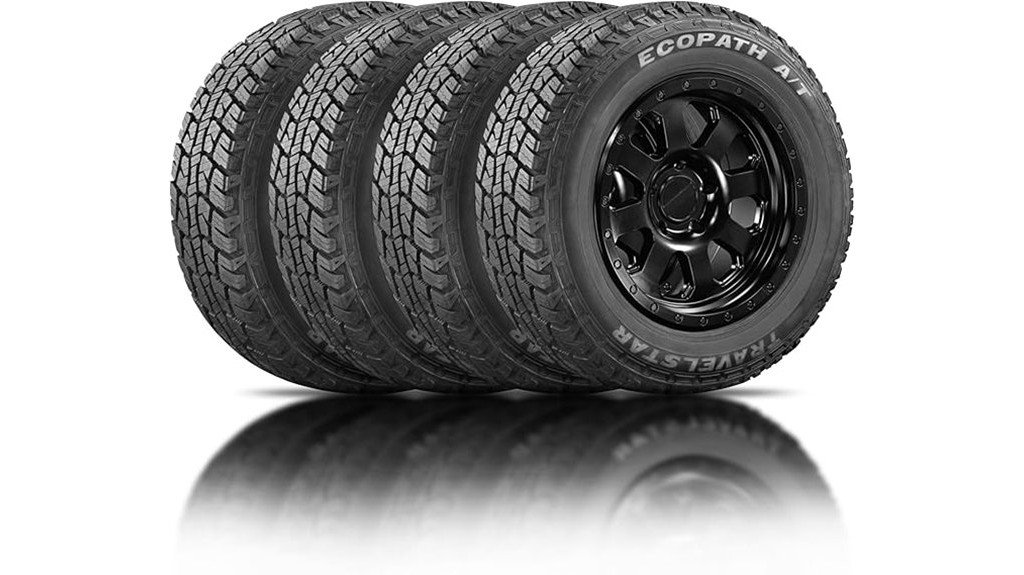
If you drive on pavement during the week but still deal with gravel, dirt, job sites, or rough access roads, the Travelstar Ecopath AT LT225/75R16 is the most rugged pick in this guide. It uses a Load Range E 10-ply-rated construction with a 115/112 load index, so it suits E-150 owners who need more support than a basic passenger tire can offer.
This set includes four LT225/75R16 radial tires. Each tire measures about 29.29 × 8.78 inches, weighs about 35.87 lbs, carries an S speed rating, supports up to 2,680 lbs single or 2,470 lbs dual, and handles up to 80 psi. The listing also notes a 50,000-mile limited treadwear warranty and a three-year road hazard warranty. Wheels are not included.
Best For: Ford E-150 drivers who carry cargo and need a tougher all-terrain tire for mixed pavement, gravel, dirt, and light off-road use.
Pick this if: You want a full set of four tires, Load Range E support, and better traction on unpaved roads than a highway-only tire can provide.
Skip this if: Your E-150 mostly stays on smooth highways and you care more about quiet ride comfort than extra all-terrain bite.
Pros:
- Load Range E construction with 115/112 load index supports heavier van use.
- All-terrain tread suits dirt, gravel, pavement, and rough work areas.
- Includes a 50,000-mile limited treadwear warranty and three-year road hazard coverage.
Cons:
- Wheels and rims are not included.
- The heavier build can reduce fuel economy and ride softness compared with lighter touring tires.
- The S speed rating is lower than some highway-focused passenger tire options.
GT Radial Maxmiler Pro 225/75R16C 121/120R E
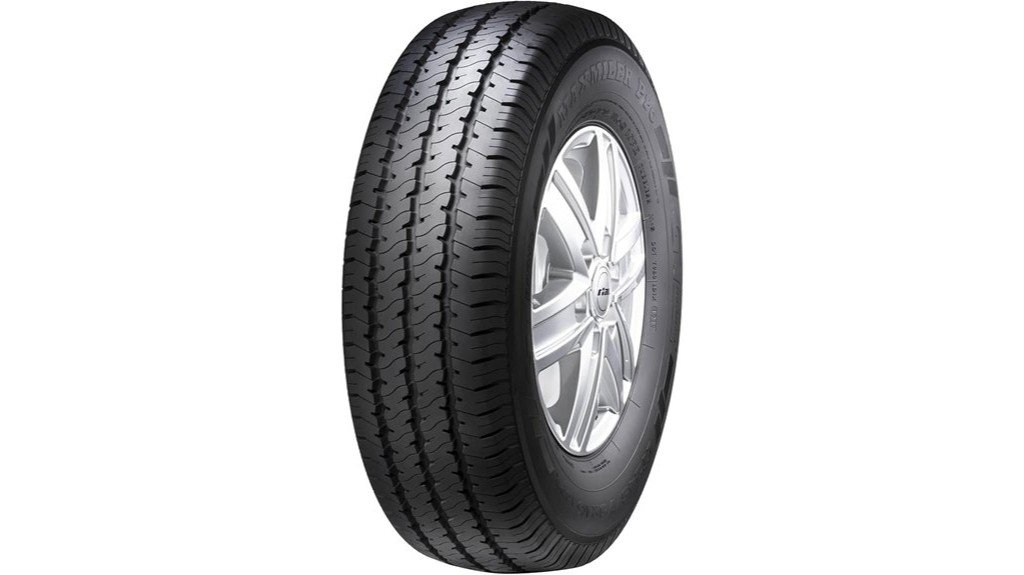
The GT Radial Maxmiler Pro 225/75R16C 121/120R E is the strongest heavy-load highway pick in this roundup. Its 121/120R service description and Load Range E construction make it a better match for E-150 owners who carry tools, cargo, passengers, or towing weight more often than they drive off-road.
The tread design focuses on even wear, stable handling, and wet-road control. Siped shoulder blocks help braking and grip, while wide grooves help move water away from the contact patch. The listing notes 13/32-inch tread depth, 85 psi max pressure, and about a 29.3-inch diameter.
Best For: Ford E-150 van owners and light-commercial drivers who want a high-capacity tire for highway miles, cargo use, towing support, and work duty.
Pick this if: Your E-150 carries weight often and you want the most load-focused tire in this list.
Skip this if: You mainly want soft ride comfort, low road noise, or an aggressive all-terrain tread for mud and loose ground.
Pros:
- 121/120R service description and Load Range E construction suit heavy van duty.
- Square footprint and radial construction support even wear and highway stability.
- Wide grooves and siped shoulder blocks help wet grip and water evacuation.
Cons:
- The firmer load-focused casing may ride harder than a passenger touring tire.
- Fitment depends on your exact wheel size, tire placard, and load requirement.
- It is more highway and commercial focused than off-road focused.
Hankook Kinergy ST (H735) All-Season Radial Tire 235/75R15 105T
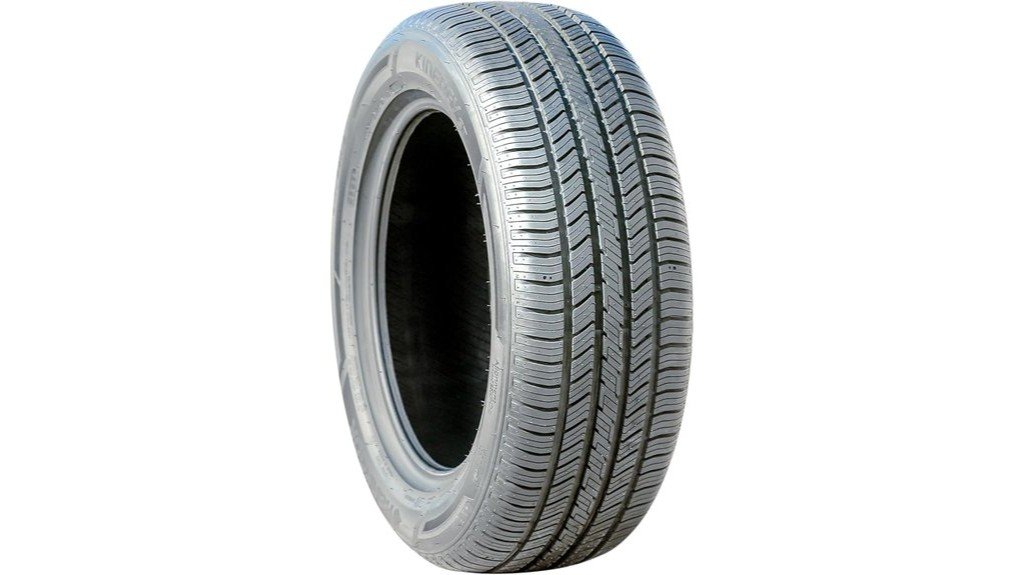
The Hankook Kinergy ST H735 235/75R15 105T is the comfort-focused option in this list. It makes the most sense for E-150 vans that use a compatible 15-inch tire size and spend most of their time on pavement, not for vans that carry heavy commercial loads every day.
This tire has a 235/75R15 size, 105 load index, T speed rating, symmetrical tread pattern, and all-season design. It also lists an 11/32-inch tread depth and a long mileage warranty. The biggest buyer warning is load fitment: this is not the same type of tire as a Load Range E commercial tire, so confirm your placard before choosing it for a loaded van.
Best For: E-150 drivers with a compatible 235/75R15 setup who want a quieter, smoother daily-driving tire for lighter hauling and normal road use.
Pick this if: Your van uses a 15-inch fitment and you care more about comfort, tread life, and all-season road manners than maximum payload support.
Skip this if: Your E-150 requires LT tires, Load Range E support, or high rear tire pressure for cargo and towing.
Pros:
- All-season tread design suits everyday pavement driving.
- Long mileage warranty adds value for daily drivers.
- Touring-style design should feel quieter and smoother than heavier commercial tires.
Cons:
- Not the strongest option here for heavy hauling or commercial cargo use.
- Load index 105 may not match all Ford E-150 payload requirements.
- Vehicle-specific fit limits compatibility, so you must confirm your tire placard first.
Factors to Consider When Choosing Tires for Ford E-150 Van
When choosing tires for your Ford E-150, start with fitment and load capacity. The wrong size or load rating can hurt handling, braking, ride quality, and tire life. After that, compare tread type, warranty, road noise, wet grip, and how often you haul weight.
Load Capacity Requirements
Load capacity matters because your E-150 may carry cargo, tools, passengers, or towing weight. Choose tires that meet or exceed the requirement on your vehicle placard. Do not guess by tire size alone.
Check the load index, load range, and maximum cold inflation pressure. A Load Range E tire can support heavy-duty use when your van calls for that type of tire, but a passenger-style fitment may use a different rating. Match the tire to your van’s gross vehicle weight rating, axle load, and normal cargo.
Tire Size Fitment
Common E-150 tire sizes can include 225/75R16, LT225/75R16, 235/75R15, and 235/70R16, depending on model year and trim. Check the tire placard on the driver-side door area before ordering.
An alternate tire size can change overall diameter, speedometer accuracy, steering feel, and clearance. Confirm wheel width, rim diameter, offset, brake clearance, and load rating before switching sizes.
Load Range Selection
Load range tells you how much strength the tire casing has for weight and pressure. If your E-150 hauls heavy cargo, a Load Range E tire may give better support and stability. If your van uses a passenger-style tire from the factory, follow the placard instead of upgrading blindly.
Overloading tires causes heat, faster wear, poor handling, and a higher risk of failure. Keep the tires inflated to the pressure listed for your van and load condition.
Tread Pattern Choice
Tread pattern affects traction, road noise, wet grip, and wear. Choose a highway or all-season tread if your E-150 spends most of its time on pavement. Choose an all-terrain tread if you drive on gravel, dirt, construction sites, or rough access roads.
Wide grooves help move water away from the tire. Sipes can improve grip on wet roads. Bigger tread blocks can help on loose surfaces, but they may add road noise.
All-Season vs. Off-Road
All-season tires work best for normal pavement, highway travel, and daily van use. They usually ride quieter and feel smoother than aggressive off-road tires.
All-terrain tires make more sense if you often leave paved roads. They add grip on loose surfaces and can handle rougher work areas, but they may feel firmer and louder on the highway.
Fuel Efficiency Impact
Tire weight, tread design, inflation pressure, and alignment all affect fuel economy. Lighter touring tires and low-rolling-resistance designs may help with daily mileage, but they must still match your load requirement.
Check tire pressure when the tires are cold. Underinflated tires create more rolling resistance, wear faster, and can run hotter under load.
Ride Comfort Considerations
Ride comfort depends on casing stiffness, tread pattern, pressure, and tire weight. A heavy-duty Load Range E tire can feel firmer, especially when the van is empty. A touring all-season tire can feel smoother, but it may not support heavy cargo as well.
If comfort matters most, look for even tread blocks, road-noise control, and a tire that fits your actual load needs without going too heavy for your use.
Warranty and Coverage
Compare mileage warranty, road hazard coverage, trial periods, and claim rules before buying. A long treadwear warranty helps, but it usually depends on proper rotation, inflation, alignment, and proof of maintenance.
Road hazard coverage can help if your van sees job sites, gravel, or debris. Always read the current Amazon listing and manufacturer warranty terms before purchase.
Common Buyer Mistakes to Avoid
- Buying by size only: Size does not confirm load rating, speed rating, or pressure needs.
- Ignoring the door placard: Your E-150 placard gives the safest starting point for size and pressure.
- Choosing comfort over capacity: A smooth tire can still be the wrong tire for heavy cargo.
- Using mismatched tread types: Mixed tread patterns can affect braking and handling.
- Forgetting rotation: Vans can wear rear tires faster when loaded often.
Frequently Asked Questions
What Tire Size Fits a Ford E-150 Van?
Common Ford E-150 sizes include 225/75R16, LT225/75R16, 235/75R15, and 235/70R16. Your exact size depends on year, trim, wheel size, and load package. Check your door placard and current tire sidewall before ordering.
Do I Need Load Range E Tires for a Ford E-150?
You may need Load Range E tires if your van uses LT tires, carries heavy loads, tows, or needs high rear tire pressure. If your placard lists a passenger tire size, match that requirement unless a tire professional confirms a safe change.
Can I Mix Tire Brands on My E-150 Van?
You should avoid mixing tire brands when possible. If you must replace only one or two tires, match the size, load rating, speed rating, construction, and tread type as closely as possible. Keep matching tires on the same axle whenever you can.
How Often Should I Rotate E-150 Tires?
Rotate your E-150 tires every 5,000 to 7,500 miles, or at the interval listed in your owner manual. If you haul heavy loads often, inspect wear more frequently.
Are Run-Flat Tires Compatible With the E-150?
Run-flat tires are usually not the best default choice for an E-150. Only use them if the tire size, load rating, wheel type, tire pressure monitoring setup, and payload needs match your van. For most E-150 owners, a properly rated standard tire is the safer and simpler option.
Will Bigger Rims Affect My Van’s Speedometer?
Yes. Bigger rims can affect your speedometer if the total tire diameter changes. Keep the overall tire circumference close to the factory size or have the speedometer recalibrated.
Do Tire Warranties Transfer to New Owners?
Sometimes, but it depends on the tire brand and warranty terms. Some warranties require the original receipt, registration, rotation records, or original owner status. Check the specific tire maker’s policy before relying on transfer coverage.
Conclusion
The best Ford E-150 tire depends on how you use your van. Choose the Travelstar Ecopath AT if you need mixed-surface traction and a full Load Range E set. Choose the GT Radial Maxmiler Pro if heavy highway loads and commercial use matter most. Choose the Hankook Kinergy ST only if your E-150 has the correct 235/75R15 fitment and you want a smoother daily-driving tire for lighter use.
Before you buy, confirm your tire size, load index, wheel diameter, and tire pressure requirements. Then use the links below to check current Amazon pricing and availability.