Disclosure: As an Amazon Associate, we earn from qualifying purchases. If you click a link on this page and make a purchase, we may receive a small commission at no extra cost to you.
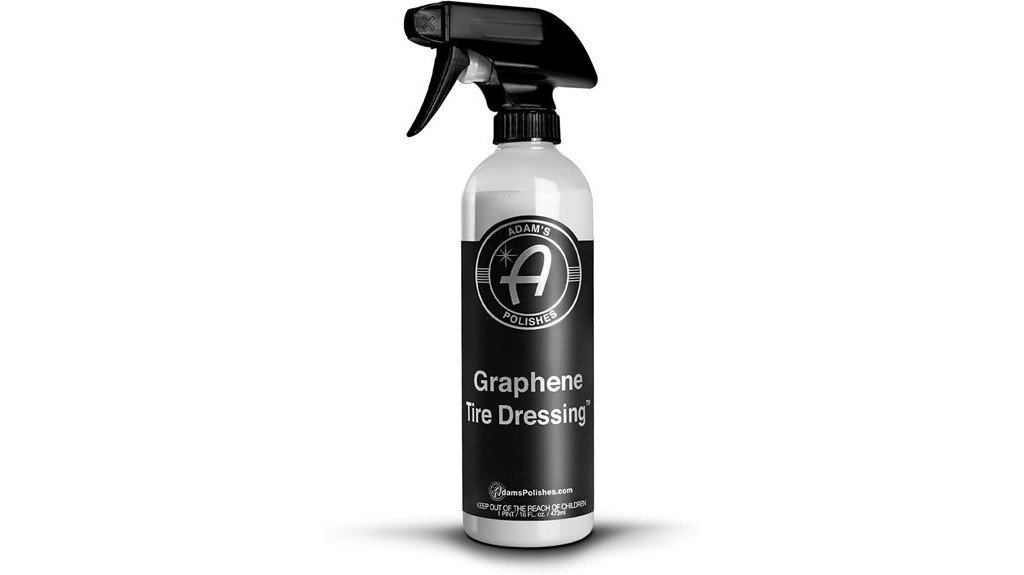
Do your tires look faded even after you wash your car? A good tire dressing should restore their dark appearance without leaving greasy residue on your paint. Adam’s Polishes Graphene Tire Dressing aims to solve both problems with a water-based silicone formula containing graphene-oxide ceramic resins. It promises a clean satin finish and reduced sling, but proper tire cleaning and application still matter. This review explains its features, limitations, application steps, and value so you can decide whether it belongs in your detailing kit.
Quick Verdict
Rating: Recommended with caveats
Best For: Drivers and detailers who prefer natural-looking satin black tires instead of a wet, glossy finish.
Bottom Line: Adam’s Polishes Graphene Tire Dressing is worth considering for its satin finish, water-repellent formula, and manufacturer-advertised low-sling performance. You must start with clean, dry tires and apply a thin, even layer. It is less suitable if you want maximum gloss or a dressing that requires almost no preparation.
| Specification | Detail |
|---|---|
| Brand | Adam’s Polishes |
| Product Name | Graphene Tire Dressing |
| Amazon ASIN | B08MBH2GPK |
| Product Type | Sprayable tire dressing |
| Referenced Size | 16 fl oz (473 mL). Confirm the selected Amazon offer before purchase. |
| Formula | Water-based silicone dressing with reduced graphene-oxide ceramic resins |
| Finish | Deep black, natural satin appearance |
| Sling Performance | Manufacturer-advertised no-sling formula when correctly applied |
| Water Resistance | Water-repellent finish intended to resist dirt and contaminants |
| Application | Spray onto a foam tire applicator and spread evenly |
| Recommended Drying Time | 10–15 minutes according to manufacturer application instructions |
| Tire Compatibility | Standard, low-profile, and off-road tire sidewalls |
| Other Supported Use | Exterior rubber door seals, following manufacturer directions |
| Fragrance | Watermelon and fruit |
| Guarantee | Adam’s advertises a satisfaction refund plus 10%, subject to applicable terms |
What Is Adam’s Polishes Graphene Tire Dressing?
Adam’s Polishes Graphene Tire Dressing is a sprayable product made to improve the appearance of exterior tire rubber. It is designed to leave a dark, satin finish rather than the bright, wet shine associated with some traditional tire dressings.
The formula combines a water-based silicone dressing with reduced graphene-oxide ceramic resins. According to Adam’s, these resins add curing characteristics and help the finish repel water, dirt, and other contaminants. This is a tire appearance and maintenance product, not a replacement for tire repair, cleaning, or proper tire care.
The manufacturer recommends it for clean, cool, and fully dry tires. You can use it on standard passenger-car tires, low-profile tires, and larger off-road tire sidewalls. The brand also lists rubber door seals among its intended uses.
Who Should Buy It?
Best For
- Drivers who want dark, natural-looking tires with a satin finish.
- Detailing enthusiasts who want a low-sling product for clean wheel arches and body panels.
- Owners of passenger cars, SUVs, trucks, and off-road vehicles who regularly clean their tires.
Skip If
- You prefer a high-gloss, reflective, wet tire appearance.
- You want to apply dressing without first cleaning old residue and grime.
- You need a silicone-free formula for personal or application-specific reasons.
Before You Buy: This product contains silicone as part of its water-based formula. It is not a silicone-free ceramic coating. The best results depend on thorough cleaning, dry rubber, and careful application. Also, check whether your selected Amazon listing includes only the dressing or additional accessories, since Adam’s sells separate product sizes and kits.
Core Features and Performance Breakdown
Graphene-Oxide Ceramic Resin Formula
The main selling point is the addition of reduced graphene-oxide ceramic resins to a water-based silicone tire dressing. Adam’s uses related resin technology in other products within its graphene detailing range.
The manufacturer says the formulation develops a curing characteristic that helps maintain the finish between washes. This makes it worth comparing with basic tire dressings if you want a water-repellent surface and easier routine cleaning.
However, graphene ingredients do not automatically prove that the dressing will outperform every competing product. Actual durability depends on tire preparation, washing frequency, road conditions, and exposure to rain and dirt.
Natural Satin Finish Instead of High Gloss
Adam’s Graphene Tire Dressing is intended to make faded-looking sidewalls appear darker without creating an extremely reflective surface. The result is closer to a clean, new-tire appearance than a show-car wet look.
This can work especially well if you want the tires to complement clean wheels without drawing too much attention. If you prefer a glossy finish, Adam’s Tire Shine is a more direct alternative.
Low-Sling Formula
Tire dressing sling happens when excess liquid transfers from spinning tires to nearby body panels. Adam’s markets this product as a no-sling formula when it is applied correctly.
The best way to reduce this risk is to use a small amount, spread it evenly, and remove excess liquid from lettering and grooves. The product should be allowed to dry before driving. Applying too much or leaving pooled dressing can still create unwanted mess.
Water and Dirt Repellency
The formula is designed to help repel water and make road dirt easier to remove during regular washing. This can be useful for vehicles exposed to rain, damp roads, and normal commuter grime.
Water repellency does not make the tires self-cleaning. You still need to wash away brake dust, mud, salt, and road film. The product is best viewed as a finishing and maintenance aid rather than a substitute for cleaning.
Compatibility With Different Tire Profiles
The sprayable formula is intended for conventional passenger-car tires, low-profile tires, and tires with larger sidewall tread blocks. It can be worked around raised lettering and textured rubber using a foam applicator.
For deeply textured off-road sidewalls, take extra care to spread a thin layer through the raised sections. Avoid leaving liquid trapped in grooves where it could transfer during driving.
How It Performs in Real Use
The following scenarios explain where the manufacturer’s stated features may help. They are practical use assessments, not claims of independently measured durability or hands-on testing.
For Daily Driving and Commuting
Regular driving exposes your tires to water, heat, road dust, and dirt. The satin finish is intended to keep sidewalls looking dark without the glossy appearance of a heavy dressing.
The manufacturer’s low-sling design is particularly relevant when you drive at highway speeds. Still, you should wipe away excess product and allow it to dry before leaving.
For Rain and Wet Weather
Adam’s advertises water-repellent properties that can help reduce how readily moisture and light dirt cling to dressed rubber. This may make later cleaning more convenient.
Heavy rain, frequent washing, and dirty roads can shorten the visible life of any tire dressing. Inspect the finish after washes and reapply when needed rather than relying on a fixed number of weeks.
For Weekend Detailing and Car Meets
If you like a clean, factory-style presentation, this product offers a more restrained appearance than a wet-look tire shine. A thin, even application also helps prevent uneven patches around raised lettering.
For the best visual result, finish cleaning your wheels and tires before applying the dressing. Then remove any accidental residue from wheel faces.
For Trucks and Off-Road Vehicles
Large tires often have raised sidewall lettering, grooves, and shoulder blocks that take more time to dress evenly. Adam’s specifically markets this formula for these textured tire designs.
A foam block applicator helps work the product across irregular sidewalls. After muddy or dusty trips, clean the tire thoroughly before adding another coat. Dressing over dirt can leave an uneven finish and waste product.
Step-by-Step Application Process for Best Results
Correct preparation is one of the most important parts of using Adam’s Graphene Tire Dressing. The manufacturer recommends clean, decontaminated, fully dry tires that are cool to the touch.
- Clean the tires: Use a dedicated tire cleaner, such as Adam’s Wheel & Tire Cleaner or Tire & Rubber Cleaner, with a suitable tire brush. Remove road grime, dirt, and old dressing.
- Rinse thoroughly: Wash away the cleaner and loosened residue. Repeat cleaning if the sidewalls still have heavy buildup.
- Dry the rubber: Allow the sidewalls to dry completely. Avoid applying the dressing to hot rubber or tires sitting in intense direct heat.
- Prepare your applicator: Spray several light mists of the dressing onto a foam tire applicator. The manufacturer also allows carefully directed application onto the tire face and textured sidewall areas.
- Spread evenly: Work the product around the sidewall, raised letters, and outer texture. Change your wiping direction to cover small grooves without leaving pools of liquid.
- Allow it to dry: Follow the manufacturer’s suggested drying period of approximately 10–15 minutes.
- Remove excess dressing: Use a clean towel to wipe away remaining liquid and remove any product that reaches the wheels.
Pro Tip: Apply the dressing to a foam applicator first instead of spraying large amounts directly at the tire. This gives you better control near painted wheels and helps prevent puddles around raised lettering. Wait for the coating to dry, then remove any extra liquid before driving.
Common Application Mistakes to Avoid
- Applying over old dressing: Existing greasy residue can interfere with an even finish. Clean the rubber first.
- Using too much product: Heavy layers take longer to dry and may leave streaks or pooled liquid.
- Applying to wet tires: Water on the rubber can reduce application consistency.
- Ignoring raised lettering: Dressing can collect in grooves and textured areas. Spread and level it carefully.
- Forgetting overspray: Remove product from wheels and nearby surfaces before it dries.
Rubber Safety and Trim Compatibility
Adam’s Graphene Tire Dressing is intended primarily for exterior tire rubber. The manufacturer also identifies rubber door seals as a suitable application surface.
Keep the dressing off the tire tread contact patch, brake components, and other surfaces where a slippery residue could create a safety risk. Apply it carefully to the outer sidewalls and intended textured areas, following the product label.
Avoid contact with your eyes and skin, and follow the safety precautions on the container. Keep detailing chemicals away from children and pets. Do not mix this product with other cleaning chemicals.
For rubber seals or other approved exterior rubber parts, test a small hidden section first. Do not assume that a tire dressing is suitable for every plastic, vinyl, painted, or interior surface.
The water-based formula should not be confused with a silicone-free product. Also, no verified evidence establishes that this dressing can repair tire cracks, prevent structural rubber damage, or extend a tire’s safe service life.
Pros and Cons
Pros
- Designed to leave a dark, natural satin finish rather than heavy gloss.
- Contains graphene-oxide ceramic resins for the manufacturer’s advertised curing and water-repellent effects.
- Low-sling design helps limit mess when applied and dried correctly.
- Works with standard, low-profile, and textured off-road tire sidewalls.
- Sprayable formula can be spread precisely with a foam applicator.
Cons
- Needs thorough tire cleaning and drying before application for the best appearance.
- Natural satin finish may disappoint buyers seeking a glossy, wet look.
- Durability varies with weather and washing, and the exact Amazon bundle contents need confirmation.
Is It Worth the Price?
Adam’s Polishes Graphene Tire Dressing is worth comparing with mid-range and premium tire care products. Its main appeal is not maximum shine. Instead, you get a satin appearance, a water-repellent formula, and a product designed to reduce sling when used properly.
It makes the most sense if you already wash your tires regularly and want a finish that looks clean without excessive gloss. The manufacturer also offers a satisfaction guarantee described as a refund plus 10%, although the applicable terms and purchasing channel should be checked before relying on it.
If you want a simple, inexpensive dressing for occasional use, a basic tire shine may be sufficient. Your actual cost per application will depend on the bottle size, amount used, tire dimensions, and how often you need to reapply it. Check the selected Amazon package and current price before making a decision.
How It Compares to Alternatives
Adam’s Tire Shine: This is a better product to compare if your goal is a rich, wet-looking finish. Adam’s markets Tire Shine as a glossier option, while Graphene Tire Dressing emphasizes a more natural satin appearance.
Adam’s VRT Tire Dressing: VRT is another water-based option designed for vinyl, rubber, and exterior trim, with a satin finish. It may appeal to you if you want one dressing for several exterior surfaces. Graphene Tire Dressing is the more focused choice if your main priority is dressing tire sidewalls with the brand’s graphene-oxide resin formulation.
Frequently Asked Questions
How long does Adam’s Graphene Tire Dressing last?
The manufacturer describes it as durable and designed to maintain a like-new appearance between washes. However, it does not establish one guaranteed lifespan for every driver. Rain, frequent cleaning, road dirt, and poor preparation can affect how long the finish remains visible.
Is Adam’s Graphene Tire Dressing silicone-free?
No. Adam’s describes this product as a water-based silicone tire dressing containing reduced graphene-oxide ceramic resins. The formula should not be described as silicone-free or as a pure graphene coating.
Can I use it on low-profile and off-road tires?
Yes. The manufacturer lists standard, low-profile, and large-tread-block tires among its intended applications. Work the dressing evenly over the exterior sidewall details, and avoid leaving liquid in deep grooves or on the road-contact surface.
How do I prevent tire dressing from slinging onto my car?
Start with clean, dry tires and apply a controlled amount using a foam applicator. Spread it evenly, allow about 10–15 minutes for drying according to manufacturer instructions, and wipe off excess liquid. This reduces the chance of residue transferring to nearby panels.
Should I spray the dressing directly onto the tire?
The manufacturer allows application to a foam applicator and carefully directed spraying onto tire surfaces. Using an applicator first gives you better control and helps reduce overspray near wheels and painted panels.
Can this dressing be used on rubber door seals or plastic trim?
Adam’s specifically identifies rubber door seals as a supported use. Do not assume that every plastic or interior trim material is compatible. Follow the product directions and test a small, hidden area before applying it outside its primary tire application.
Is it safe to apply tire dressing to the tire tread?
Keep dressing off the tread contact patch that grips the road, as well as brakes and other friction surfaces. Focus on the outer tire sidewalls and manufacturer-approved textured areas. Remove accidental overspray before driving.
Does the Amazon package include an applicator?
Adam’s sells both standalone dressing options and kits that include applicators or cleaning supplies. The exact contents of the linked Amazon offer could not be confirmed during this review update. Read the selected listing’s size and included-items details before ordering.
The Bottom Line
Adam’s Polishes Graphene Tire Dressing is worth considering if you want dark, satin-looking tire sidewalls with water repellency and reduced sling. Its main tradeoffs are the need for proper cleaning and application, variable durability, and the lack of a high-gloss finish. If you prefer a natural-looking tire appearance and are willing to prepare the rubber carefully, it is a reasonable choice for your detailing routine.
Ready to Buy?
Check the current Amazon price, selected bottle size, and included accessories before you decide.