If your Ford Edge needs a fresh set of tires for commuting, highway trips, and everyday year-round driving, the right all-season tire should balance wet traction, ride comfort, tread life, and proper fitment. The most important step is choosing the exact tire size, load index, and speed rating required for your specific Edge model year and trim.
This guide focuses on three all-season options in 235/65R17 and 245/60R18, sizes used on applicable Ford Edge configurations. Before ordering, always compare the tire size and ratings with the tire placard on your driver’s door jamb.
Affiliate disclosure: This article contains Amazon affiliate links. We may earn a commission from qualifying purchases at no extra cost to you.
Quick Verdict
Best Overall: Hankook Kinergy ST H735 235/65R17 104H — a strong choice for compatible 17-inch Ford Edge setups, with touring-focused comfort and a 70,000-mile limited treadwear warranty.
Best 18-Inch Touring Pick: Atturo AZ600 245/60R18 105V — a practical SUV-oriented option with a 60,000-mile treadwear warranty and a 105 load index.
Best Value Set of Four: Fullway PC369 245/60R18 105V — worth considering if your compatible Edge uses this size and you prefer buying a complete four-tire set together.
Quick Comparison
| Tire | Size | Best For | Key Consideration |
|---|---|---|---|
| Hankook Kinergy ST H735 | 235/65R17 104H | Comfort and long treadwear coverage | Confirm your Edge uses 17-inch 235/65R17 tires |
| Atturo AZ600 | 245/60R18 105V | SUV touring and everyday highway use | Verify 245/60R18 and required speed/load ratings |
| Fullway PC369 | 245/60R18 105V | Budget-conscious four-tire replacement | No specific mileage warranty is assumed here |
Hankook Kinergy ST H735 All-Season Radial Tire – 235/65R17 104H
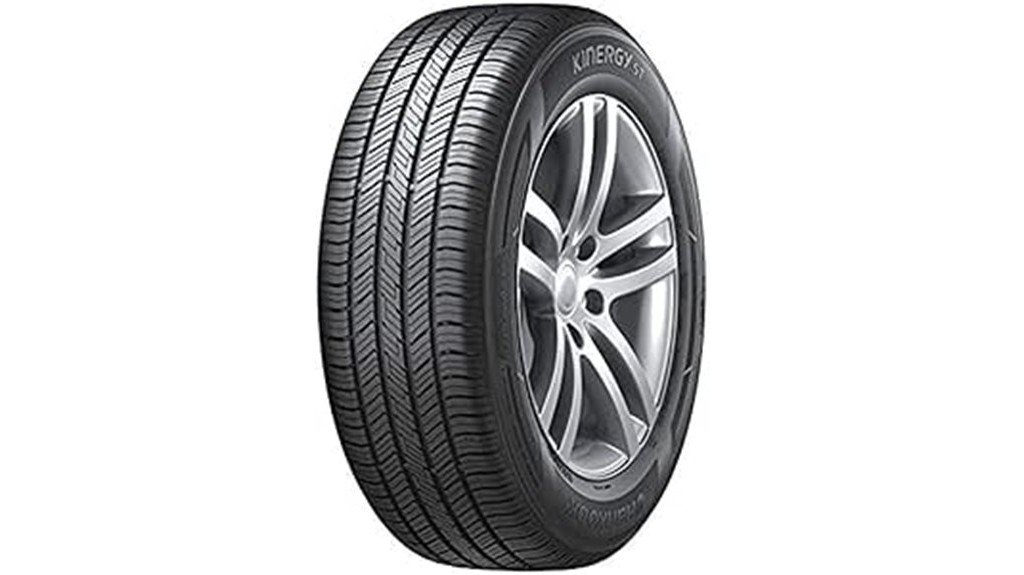
Best Overall: The Hankook Kinergy ST H735 is a strong option if your Ford Edge calls for 235/65R17 104H tires. It is a standard touring all-season design built around everyday road comfort, predictable handling, and year-round traction.
Its tread uses stiff blocks, lateral grooves, notch sipes, and an optimized pitch sequence. Those features are intended to balance tread durability, wet-road water evacuation, light-snow capability, and reduced road noise. Hankook also lists a 70,000-mile limited treadwear warranty for the Kinergy ST line, subject to the manufacturer’s warranty terms and maintenance requirements.
Why You’ll Like It: This is the most rounded choice here if you value a quiet touring-style tire, established manufacturer support, and longer mileage coverage.
Best For: Ford Edge owners whose tire placard specifies 235/65R17 with compatible load and speed ratings, especially drivers focused on commuting, highway travel, comfort, and tread life.
Who Should Avoid It: Skip this specific size if your Edge uses 18-, 19-, 20-, 21-, or 22-inch wheels, or if your placard requires different load or speed specifications.
Pros:
- 70,000-mile limited treadwear warranty from Hankook, subject to warranty terms.
- Touring-focused tread design intended to balance comfort, handling, and all-season traction.
- Wide lateral grooves and sipes help manage wet roads and light seasonal conditions.
- Optimized pitch sequencing is designed to reduce repetitive tread noise.
Cons:
- Only appropriate for Ford Edge configurations that use the 235/65R17 size and compatible ratings.
- An ordinary all-season tire is not a substitute for a dedicated winter tire in severe snow and ice.
- Warranty eligibility depends on proper maintenance and the manufacturer’s terms.
Atturo AZ600 All-Season Truck/SUV Touring Radial Tire 245/60R18 (105V)
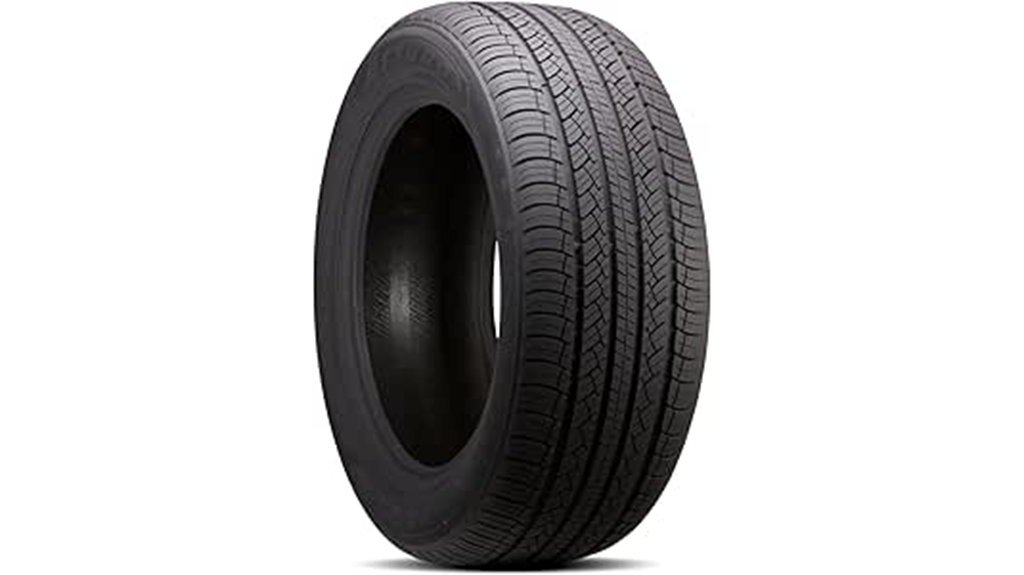
Best 18-Inch Touring Pick: The Atturo AZ600 is worth considering if your Ford Edge uses 245/60R18 tires and its required load and speed ratings are compatible with this 105V version.
The AZ600 is an all-season touring tire aimed at trucks and SUVs. This size has a 105 load index, SL load range, approximately 10/32-inch tread depth, and a 44 PSI listed maximum tire pressure. Atturo backs the AZ600 line with a 60,000-mile mileage warranty, subject to its warranty conditions and required tire maintenance.
Why You’ll Like It: It combines an Edge-relevant 18-inch size with touring-oriented construction and clearly stated treadwear coverage.
Best For: Drivers whose Ford Edge placard calls for 245/60R18 tires with suitable load and speed ratings and who prioritize everyday pavement driving, commuting, and highway use.
Who Should Avoid It: It is not the right choice if your Edge requires another tire size, a different load specification, or dedicated severe-winter capability.
Pros:
- 245/60R18 is used on applicable Ford Edge configurations.
- 105V specification provides clearly defined load and speed ratings to compare with your vehicle placard.
- 60,000-mile manufacturer mileage warranty, subject to Atturo’s terms.
- Touring-oriented design is aimed at daily road use and SUV comfort.
Cons:
- Fitment still depends on your exact Ford Edge year, trim, and factory tire specification.
- SL construction should not be substituted where a vehicle requires a different load specification.
- Not designed to replace a dedicated winter tire for severe snow or persistent ice.
Fullway PC369 All-Season Truck/SUV Performance Radial Tire 245/60R18 (Set of 4)
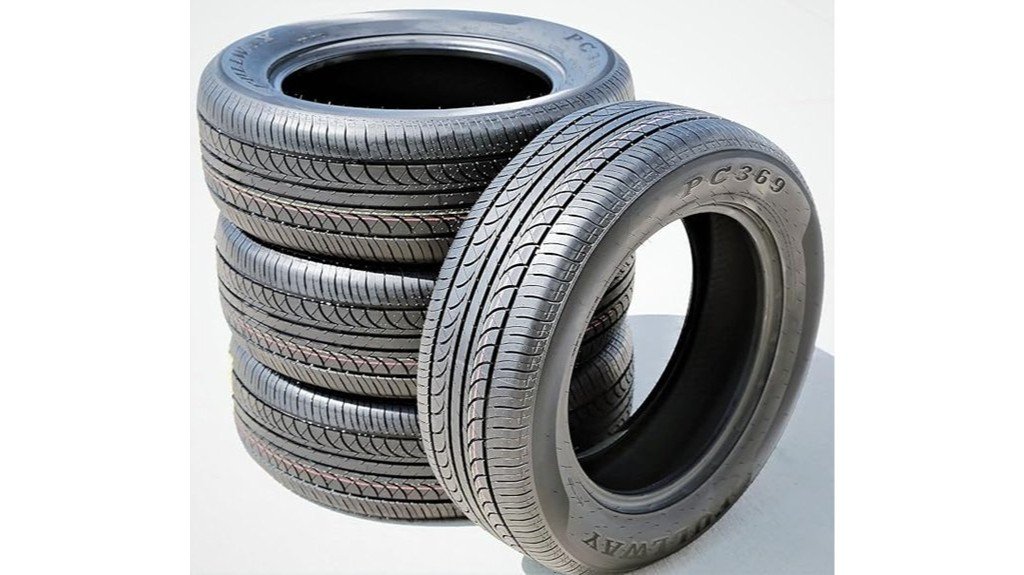
Best Value Set of Four: The Fullway PC369 package gives you four 245/60R18 105V all-season tires in one purchase. That makes it convenient for a full replacement when your Ford Edge uses this exact size and compatible ratings.
The listing specifies an SL load range, 105 load index, V speed rating, approximately 10/32-inch tread depth, 44 PSI maximum tire pressure, and a listed load capacity of 2,039 pounds per tire. Rather than relying on the tire’s maximum pressure, inflate the tires according to the pressure specified by your Ford Edge’s tire placard.
Why You’ll Like It: Buying four matching tires together can simplify a complete tire replacement and help you keep the same model and tread design at all four corners.
Best For: Budget-conscious Ford Edge owners who need a complete 245/60R18 set and have confirmed that the 105V specification satisfies their vehicle requirements.
Who Should Avoid It: Choose another tire if you want a clearly stated long-mileage manufacturer warranty, require another size or rating, or routinely face severe winter conditions.
Pros:
- Sold as a matching set of four tires.
- 245/60R18 105V specification is suitable for comparison with applicable Ford Edge placard requirements.
- 10/32-inch listed tread depth provides a useful baseline when comparing new-tire specifications.
- Practical option for drivers replacing all four tires at once.
Cons:
- A specific mileage warranty is not assumed in this guide.
- Correct fitment must still be verified against the vehicle tire placard.
- All-season construction is not equivalent to a dedicated winter tire in demanding snow and ice.
Factors to Consider When Choosing All-Season Tires for a Ford Edge
The best tire is not simply the model with the longest feature list. Start with correct fitment, then compare treadwear coverage, wet-road performance, ride comfort, winter needs, and overall value.
Tire Size Compatibility
Ford Edge tire sizes vary by model year, trim, wheel package, and market. Some Edge configurations use 235/65R17 or 245/60R18 tires, while others use different 18-, 19-, 20-, 21-, or 22-inch sizes. Always read the tire placard on the driver’s door jamb before ordering.
Match the full tire specification rather than wheel diameter alone. For example, 245/60R18 is not interchangeable with every other 18-inch tire size. Width, aspect ratio, load index, speed rating, and overall diameter all affect compatibility.
Load Index and Speed Rating
Do not choose replacement tires based on a generic load-capacity estimate. Check the load index and speed rating required by your specific Ford Edge and select replacement tires that satisfy the vehicle manufacturer’s requirements.
The tire’s maximum PSI is also not the normal inflation target. Use the cold tire pressure shown on your vehicle’s placard unless Ford provides another specification for your exact setup.
Tread Life Expectancy
Treadwear warranties can help you compare tires, but the warranty number is not a promise that every driver will achieve that mileage. Tire life changes with driving style, road surface, climate, inflation pressure, alignment, rotation habits, and suspension condition.
Rotate tires at the interval recommended by Ford and the tire manufacturer, keep pressures correct, and address uneven wear early. These habits can be just as important as choosing a tire with a high treadwear rating.
Wet Traction Performance
Rain performance matters on a daily-driven SUV. Look for tread designs with circumferential or lateral channels, sipes, and compounds intended to maintain useful grip in wet conditions and evacuate water from the contact patch.
Remember that wet-weather performance declines as tread wears. Even a well-designed tire cannot compensate for insufficient remaining tread, improper inflation, excessive speed, or standing water.
Snow and Ice Grip
Ordinary all-season tires can handle mild seasonal conditions, but they should not automatically be treated as severe-winter tires. If you regularly drive through deep snow, persistent ice, or very cold winter conditions, consider dedicated winter tires or another tire carrying the appropriate severe-snow certification for your needs.
Ride Comfort and Noise
Touring-oriented all-season tires are often a good match for Ford Edge owners who spend most of their time commuting or traveling on highways. Tread-block arrangement, pitch sequencing, casing construction, tire size, road surface, and inflation pressure can all influence cabin noise and ride quality.
If quietness matters to you, prioritize touring tires designed around comfort rather than choosing solely by treadwear mileage or aggressive-looking tread.
Fuel Efficiency Impact
Tires can affect fuel economy through rolling resistance, inflation pressure, size, and overall condition. The safest approach is to use the correct Ford-approved size, maintain the recommended cold inflation pressure, keep the vehicle aligned, and avoid driving on underinflated tires.
Warranty and Coverage
Compare treadwear warranties carefully. Mileage coverage usually comes with conditions such as regular rotation, proper inflation, alignment, proof of purchase, and minimum remaining tread requirements.
Also distinguish between treadwear coverage, workmanship/material warranties, trial periods, and road-hazard protection. They are different programs and may have separate eligibility rules.
Before You Buy
- Check the door-jamb placard: Confirm the exact tire size.
- Check load and speed ratings: Do not assume the same wheel diameter means the tire is suitable.
- Confirm quantity: Some listings are one tire; others may be sets of four.
- Review warranty terms: Mileage numbers usually require specific maintenance.
- Consider your climate: Severe winter driving may call for dedicated winter equipment.
- Inspect all four tires: Uneven wear can point to alignment or suspension issues that should be corrected before installing new tires.
Frequently Asked Questions
Are All-Season Tires Suitable for Severe Winter Driving Conditions?
Standard all-season tires are designed for a broad range of everyday conditions, including mild winter weather, but they generally should not be treated as substitutes for dedicated winter tires in deep snow, persistent ice, or severe cold. Choose tires according to the conditions you actually drive in.
Can Run-Flat Tires Be Used on a Ford Edge?
A run-flat tire should only be considered when its size, load index, speed rating, wheel compatibility, and other requirements are appropriate for your particular Ford Edge. Run-flat construction can also change ride quality and repair options, so confirm compatibility with a qualified tire professional before converting from conventional tires.
How Often Should Tire Rotation Be Performed for Even Wear?
Follow the rotation interval in your Ford owner’s information and the tire manufacturer’s maintenance requirements. Many passenger-vehicle tire schedules fall around the 5,000-to-8,000-mile range, but the correct interval for your vehicle and warranty terms takes priority.
Do Tire Warranties Cover Road-Hazard Damage?
Not automatically. Treadwear warranties, workmanship warranties, and road-hazard protection are different forms of coverage. Some tire programs include road-hazard benefits while others require separate protection, so check the manufacturer’s current terms before buying.
Will New Tires Affect My Ford Edge’s Fuel Economy?
They can. Tire size, rolling resistance, inflation pressure, tread design, alignment, and driving conditions can all influence fuel consumption. Using the correct tire size and maintaining Ford’s recommended cold inflation pressure are two of the most important steps.
Is 235/65R17 the Same as 245/60R18 for a Ford Edge?
No. They are different tire and wheel sizes. Both may appear on certain Ford Edge configurations, but you should use the specification assigned to your particular model year, trim, and wheel setup rather than switching sizes based only on another Edge owner’s vehicle.
Can I Install 245/60R18 Tires on Every Ford Edge?
No. Although 245/60R18 is used on applicable Ford Edge configurations, many other Edge models use different tire sizes. Verify the tire placard before ordering.
Conclusion
For a compatible Ford Edge with 17-inch wheels and a 235/65R17 104H requirement, the Hankook Kinergy ST H735 is the strongest overall choice in this group because it combines touring-focused design with established 70,000-mile limited treadwear coverage.
If your Edge uses 245/60R18 tires, the Atturo AZ600 105V stands out as the more warranty-focused touring choice, while the Fullway PC369 105V set of four may appeal to buyers prioritizing a complete matching set.