
Disclosure: As an Amazon Associate, we earn from qualifying purchases. If you click an Amazon link on this page and make a purchase, we may receive a small commission at no extra cost to you.
Quick Verdict: The Hankook Kinergy ST H735 is the best-balanced choice here for drivers who want a quiet touring tire and a published 70,000-mile limited treadwear warranty. Choose the Michelin Defender2 when maximum warranty mileage and premium road manners matter most. The Crosswind HP010 Plus is the budget-focused alternative.
Fitment scope: Every tire reviewed below is size 235/65R17 104H. Buy only when that exact size and an equal or higher required service description appear on your Tucson’s tire placard or in its owner’s manual.
Quick Picks: Best 235/65R17 All-Season Tires for Hyundai Tucson
| Tire | Size | Published Treadwear Warranty | Best For | Amazon |
|---|---|---|---|---|
| Crosswind HP010 Plus Budget Pick | 235/65R17 104H | 50,000 miles* | Lower-cost replacement | Check Price on Amazon |
| Hankook Kinergy ST H735 Best Overall | 235/65R17 104H | 70,000 miles* | Comfort, quietness, and value | Check Price on Amazon |
| Michelin Defender2 Premium Pick | 235/65R17 104H | 80,000 miles* | Long treadwear coverage | Check Price on Amazon |
*Mileage warranties have eligibility, maintenance, rotation, documentation, and purchase-channel terms. Review the current manufacturer warranty before ordering.
Finding the right all-season tires for your Hyundai Tucson starts with fitment, not brand or price. This guide compares three 235/65R17 104H options for Tucson models whose factory placard lists that exact size. You will see a budget pick, a balanced touring choice, and a premium long-life option, along with the limits you should understand before buying.
How These Tires Were Selected: Each remaining tire matches the same 235/65R17 104H size used on certain U.S.-market Tucson trims. Selection also considered tire category, published manufacturer warranty information, everyday comfort, wet-road design claims, and clear buyer use cases.
Important: This is a product comparison, not a universal fitment chart. Tucson wheel and tire sizes vary by year, trim, powertrain, and market.
Before You Buy
- Read the tire size and service description on the driver’s-door tire placard.
- Confirm whether your Tucson requires 235/65R17 or another factory size.
- Match or exceed the required load index and speed rating unless Hyundai specifies otherwise.
- Use the vehicle placard pressure, not the tire sidewall’s maximum-pressure number.
- For AWD models, follow Hyundai’s guidance on tread-depth matching and replacing fewer than four tires.
Budget Pick: Crosswind HP010 Plus 235/65R17 104H
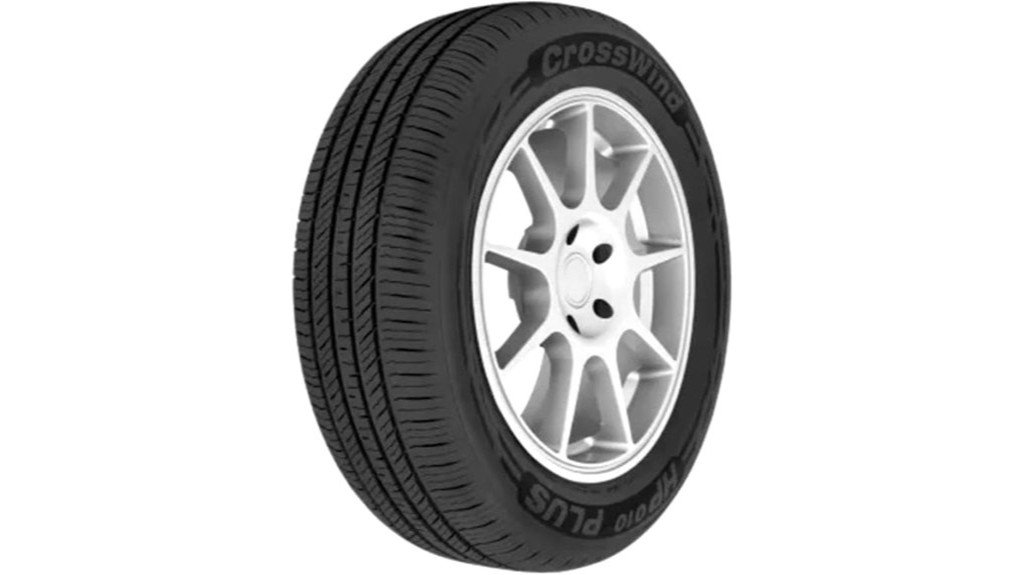
The Crosswind HP010 Plus is the budget-focused choice in this roundup. Its 235/65R17 104H service description matches the size shared by the other two picks, which makes comparison easier when your Tucson’s placard calls for this specification. Crosswind’s current North American warranty brochure lists the HP010 Plus as a performance all-season tire with a 50,000-mile limited treadwear warranty, subject to its terms and maintenance requirements.
Why You’ll Like It: You get a correctly sized all-season option with published mileage coverage without moving into a premium brand tier.
Best For: Budget-conscious Tucson owners who need 235/65R17 104H tires for routine commuting and highway use.
Who Should Avoid It: Drivers who want extensive independent test data, a premium dealer network, or dedicated winter traction.
Pros:
- Correct 235/65R17 104H size for eligible Tucson models.
- Published 50,000-mile limited treadwear warranty through Crosswind’s North American warranty program.
- Budget-focused positioning can reduce the cost of replacing a full set.
Cons:
- Less established owner feedback and comparative testing than the Hankook or Michelin options.
- Warranty eligibility depends on purchase channel, documentation, rotation, and maintenance.
- No verified Three-Peak Mountain Snowflake rating was found for this exact listing.
Best Overall: Hankook Kinergy ST H735 235/65R17 104H
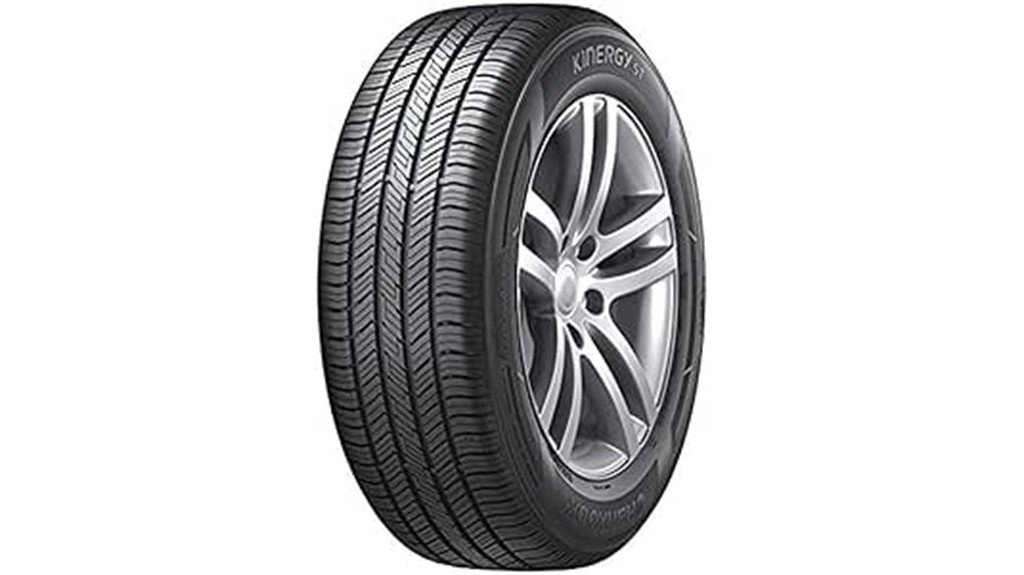
The Hankook Kinergy ST H735 is the strongest all-around choice for most eligible Tucson owners. Hankook positions it as a standard touring all-season tire focused on mileage, comfort, and everyday performance. The manufacturer publishes a 70,000-mile limited mileage warranty, giving it a useful middle ground between the lower-cost Crosswind and the premium Michelin.
Why You’ll Like It: It balances long warranty coverage with a touring-oriented design that suits daily commuting, family driving, and highway miles.
Best For: Drivers who want a quiet, comfortable replacement tire with stronger warranty coverage than a typical budget option.
Who Should Avoid It: Drivers seeking sharp performance handling or a tire specifically certified for severe snow service.
Pros:
- Published 70,000-mile limited mileage warranty.
- Touring design emphasizes comfort, mileage, and predictable daily use.
- 235/65R17 104H specification matches eligible Tucson placards.
Cons:
- Comfort and longevity take priority over sporty steering response.
- An M+S marking is not the same as a severe-snow Three-Peak Mountain Snowflake certification.
- Warranty coverage remains subject to rotation, maintenance, and claim requirements.
Premium Pick: Michelin Defender2 235/65R17 104H
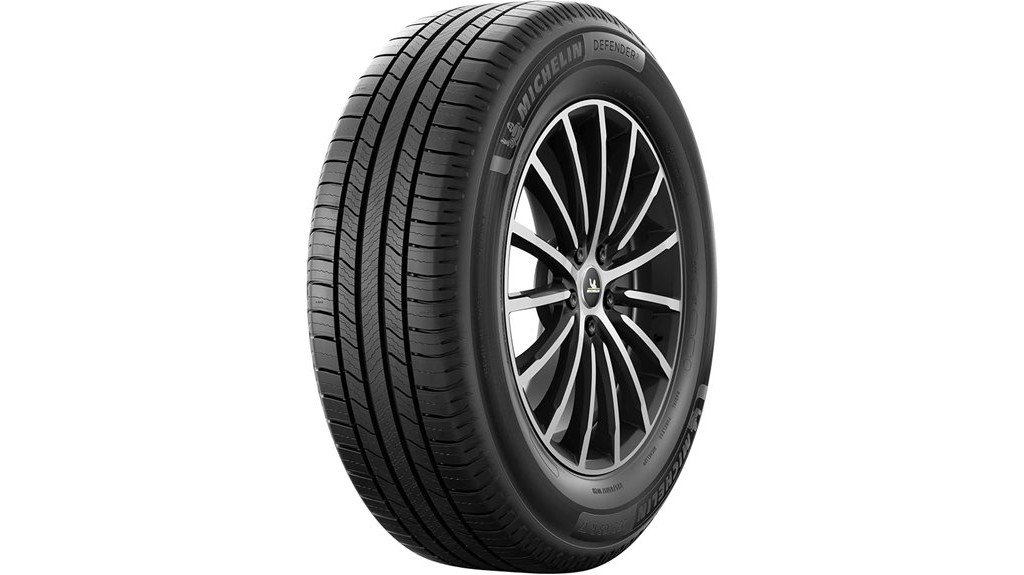
The Michelin Defender2 is the premium choice when treadwear coverage, comfort, and long-term ownership matter more than the lowest purchase cost. Michelin markets the Defender2 as an all-season on-road tire for cars, CUVs, and SUVs, and backs it with an 80,000-mile limited treadwear warranty. The listed 235/65R17 104H version also provides a direct specification match for eligible Tucson models.
Why You’ll Like It: It offers the longest published mileage warranty in this three-tire comparison and provides the longest published mileage warranty in this comparison.
Best For: Drivers who plan to keep their Tucson for years and prefer premium comfort and tread-life coverage.
Who Should Avoid It: Buyers whose main goal is minimizing the upfront cost or who need dedicated winter or off-road performance.
Pros:
- Published 80,000-mile limited treadwear warranty.
- Designed for on-road cars, CUVs, and SUVs.
- Strong fit for drivers prioritizing quietness, comfort, and long service life.
Cons:
- Usually carries a higher purchase cost than the other picks.
- Premium warranty coverage still depends on proper maintenance and documented rotations.
- All-season construction does not replace a dedicated winter tire in severe snow or ice.
Which Tire Should You Choose?
Choose the Crosswind when budget is the main concern and you can confirm warranty eligibility through the seller.
Choose the Hankook when you want the best balance of comfort, mileage coverage, and everyday value.
Choose the Michelin when the longest published warranty and premium road manners justify the higher cost.
Factors to Consider When Choosing All-Season Tires for a Hyundai Tucson
Hyundai Tucson tire sizes vary across model years and trims. Recent U.S. specifications include 17-, 18-, and 19-inch wheel packages, and the exact 18-inch tire size has changed between some model years. That makes the driver’s-door placard and owner’s manual more reliable than a generic online fitment statement.
Confirm the Exact Tire Size First
Read all three parts of the size, such as 235/65R17, plus the load index and speed rating. A 17-inch tire cannot fit an 18- or 19-inch wheel, and a close-looking size can still change clearance, speedometer accuracy, handling, and load capacity. Buy the size Hyundai specifies for your exact year and trim unless a qualified tire professional approves an alternative.
Match the Required Load Index and Speed Rating
The load index shows how much weight one tire can support, while the speed rating indicates the tire’s tested speed capability under defined conditions. Match or exceed Hyundai’s required service description unless the vehicle manufacturer gives different guidance. A higher number alone does not make a tire a better fit if the size, construction, or operating characteristics are wrong.
Use the Vehicle’s Recommended Tire Pressure
Inflate cold tires to the pressure listed on the Tucson’s tire placard or in the owner’s manual. The maximum pressure molded into a tire’s sidewall is not the normal vehicle inflation target. Check pressure at least monthly and before long trips, then inspect for cuts, bulges, punctures, and uneven wear.
Prioritize Wet-Road Control
For rainy driving, compare circumferential grooves, lateral channels, siping, and tread-block stability. These features are designed to move water away from the contact patch and preserve steering response. Product descriptions are useful, but independent tire testing is more reliable when available.
Understand All-Season Winter Limits
All-season tires can handle varied road conditions and some light snow, but winter tires are more effective in deep snow and on ice. Look for the Three-Peak Mountain Snowflake symbol when severe-snow capability is important. Do not treat an M+S marking alone as proof of equivalent winter performance.
Read Mileage Warranty Terms, Not Just the Headline Number
A 50,000-, 70,000-, or 80,000-mile warranty is not a promise that every driver will reach that mileage. Coverage may require scheduled rotations, correct inflation, alignment, proof of purchase, even wear, and an eligible seller. Compare the written terms and keep service records.
Balance Comfort, Noise, and Steering Feel
Touring tires usually prioritize a smoother, quieter ride and longer wear. Performance-oriented tires may feel more responsive but can trade some comfort or tread life. Your normal roads, annual mileage, and tolerance for highway noise should guide the choice.
Protect Efficiency With Proper Maintenance
Tire construction and rolling resistance can influence fuel use, but pressure, alignment, load, and driving habits also matter. Keep the tires inflated to Hyundai’s cold-pressure specification and correct alignment problems that cause drag or uneven wear.
Tire Care Checklist After Installation
- Have the tires professionally mounted and balanced.
- Confirm the shop sets pressure from the vehicle placard.
- Recheck lug-nut torque when the installer recommends it.
- Follow the owner’s manual and tire warranty rotation schedule.
- Inspect tread wear and pressure monthly.
- Keep purchase, installation, alignment, and rotation records for warranty claims.
Frequently Asked Questions
What Size Tires Fit a Hyundai Tucson?
The answer depends on model year, trim, powertrain, wheel package, and market. The three products in this guide are all 235/65R17 104H and are suitable only when your placard lists that specification. Some Tucson trims use 18- or 19-inch tires instead.
Can I Mix Tire Brands and Tread Patterns on My Tucson?
A matched set of four tires is preferred for predictable handling. Avoid mixing different sizes or constructions on the same axle. When replacing only two tires, tire-industry guidance generally places the two new tires on the rear axle. AWD vehicles may have stricter tread-depth requirements, so check Hyundai’s manual before replacing fewer than four.
How Often Should I Rotate the Tires on a Tucson?
Follow the interval and pattern in your Tucson owner’s manual and the tire warranty. NHTSA notes that many vehicles use a 5,000- to 8,000-mile rotation interval when the manufacturer recommends rotation. Rotate sooner if a qualified technician finds uneven wear.
Can I Use All-Season Tires for Light Snow?
All-season tires can provide limited light-snow capability, but performance varies by model and tread depth. For regular deep snow, ice, or mountain winter travel, dedicated winter tires or properly rated all-weather tires are the safer category to consider.
Should I Inflate the Tires to the Number on the Sidewall?
No. The sidewall number is a tire limit, not your Tucson’s everyday pressure setting. Use the cold inflation pressure on the driver’s-door placard or in the owner’s manual.
Is a Higher Load Index Always Better?
Not automatically. The replacement tire must first match the approved size and construction. Its load index should meet or exceed Hyundai’s requirement, but ride quality and handling can change with a different tire specification.
Fitment and Safety References
- Hyundai 2026 Tucson Features and Specifications
- Hyundai 2025 Tucson Features and Specifications
- NHTSA TireWise safety guidance
- Crosswind North American limited warranty brochure
- Hankook Kinergy ST H735 product information
- Michelin Defender2 product information
Final Recommendation
Start by confirming 235/65R17 104H on your Tucson’s placard. For most drivers with that fitment, the Hankook Kinergy ST H735 offers the best balance of comfort, everyday performance, and published mileage coverage. The Michelin Defender2 is the premium choice for buyers prioritizing the longest treadwear warranty in this comparison. The Crosswind HP010 Plus remains the budget option, provided you confirm seller and warranty eligibility before ordering.