Disclosure: As an Amazon Associate, we earn from qualifying purchases. If you click a link on this page and make a purchase, we may receive a small commission at no extra cost to you.
The best all-season tire for your Kia Sorento must do more than fit a 17-inch wheel. It should match the vehicle’s complete tire specification while supporting your priorities for wet-road control, cabin comfort, tread life, and cost.
This guide compares three 235/65R17 104H options for Sorento models that use this exact specification. The Crosswind HP010 Plus targets budget-conscious driving, the Hankook Kinergy ST H735 offers the strongest overall balance, and the Michelin Defender2 focuses on premium longevity.
Fitment comes first: Kia Sorento tire sizes vary by model year, trim, powertrain, and wheel package. Confirm the complete size, load index, and speed rating on the driver-side door placard or in the owner’s manual before ordering. A 235/65R17 tire is not correct for every Sorento.
Quick Verdict
Best Overall: Hankook Kinergy ST H735 is the strongest balanced pick for drivers prioritizing touring comfort, long listed tread coverage, and everyday wet-road capability.
Best Budget: Crosswind HP010 Plus suits routine commuting when keeping the initial tire cost lower matters most.
Best Premium: Michelin Defender2 is the better long-term choice when an 80,000-mile manufacturer warranty and comfort-focused design justify paying more.
How We Chose These Kia Sorento Tires
We compared the listed tire size, load and speed ratings, treadwear coverage, wet-weather design, comfort positioning, winter limitations, and overall buyer value. This is an editorial comparison of published product information, not a hands-on tire test.
Quick Comparison
| Tire | Best For | Listed Size | Listed Treadwear Coverage | Main Advantage | Main Limitation |
|---|---|---|---|---|---|
| Crosswind HP010 Plus | Budget-focused daily driving | 235/65R17 104H | Listing states 50,000 miles* | Lower-cost all-season positioning | Comfort and noise refinement are less established |
| Hankook Kinergy ST H735 | Balanced comfort, mileage, and wet-road use | 235/65R17 104H | 70,000 miles* | Strong balance of touring comfort and tread life | Not 3PMSF-rated in this size |
| Michelin Defender2 | Premium longevity and daily comfort | 235/65R17 104H | 80,000 miles* | Longest manufacturer treadwear coverage here | Higher expected purchase cost |
*Warranty eligibility, exclusions, maintenance requirements, and coverage can vary. Confirm the current listing and manufacturer warranty terms before buying.
Crosswind HP010 Plus All Season 235/65R17 104H Passenger Tire
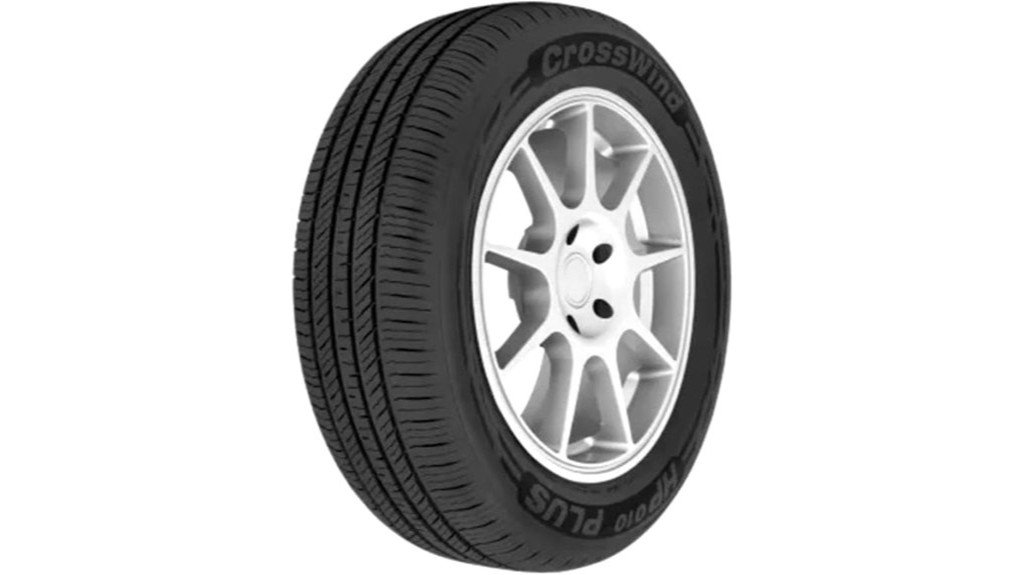
Best Budget Pick
If your Kia Sorento requires 235/65R17 104H tires and you want to control the initial replacement cost, the Crosswind HP010 Plus is the budget-focused choice in this comparison. It is positioned for commuting, errands, and normal highway driving rather than premium touring refinement.
The product listing describes rigid tread blocks, multiple siping patterns, and deep grooves intended to support handling and move water away from the contact area. Those design features are useful, but they should not be treated as independent proof of best-in-class wet braking or hydroplaning resistance.
Best For: Sorento drivers seeking a lower-cost all-season tire for routine daily use in mild conditions.
Why You’ll Like It: It covers the basic size and rating requirements in this comparison while keeping the focus on value.
Who Should Skip It: Consider another option if low road noise, a more established comfort reputation, or verified long-term warranty support is your main priority.
Pros:
- The product listing states a 50,000-mile limited treadwear warranty.
- All-season tread features are designed for routine dry and wet-road driving.
- Budget positioning may make a full four-tire replacement easier to manage.
Cons:
- The exact current warranty terms require confirmation on the live listing.
- Ride comfort and road-noise performance are not supported here by independent comparison testing.
- It is not a substitute for a dedicated winter tire in frequent snow, ice, or prolonged freezing temperatures.
Hankook Kinergy ST H735 All-Season Radial Tire – 235/65R17 104H

Best Overall Pick
The Hankook Kinergy ST H735 is the strongest balanced option for Sorento owners who want a touring-focused all-season tire with long mileage coverage, comfort-oriented tread design, and practical wet-road features. It sits between the lower-cost Crosswind and the premium-priced Michelin.
Hankook lists a 70,000-mile mileage warranty for the Kinergy ST. The manufacturer’s specification for the 235/65R17 version confirms a 104 load index, H speed rating, and 1,984-pound maximum load per tire. It is M+S marked, but it does not carry the Three-Peak Mountain Snowflake rating in this size.
Optimized tread-block stiffness supports even wear, while its pitch sequence is designed to reduce repetitive tread noise. Circumferential and lateral grooves help move water through the tread, making it a practical choice for commuting and family highway use.
Best For: Kia Sorento drivers who want the best overall balance of mileage coverage, touring comfort, everyday handling, and wet-weather design.
Why You’ll Like It: It provides the clearest middle ground between budget pricing and premium long-life positioning.
Who Should Skip It: Choose a 3PMSF-rated all-weather or dedicated winter tire if you regularly drive through deep snow, packed snow, or icy roads.
Pros:
- Manufacturer-listed 70,000-mile mileage warranty.
- The exact 235/65R17 specification matches the listed 104H service description.
- Pitch sequencing and sipe design target a quieter, more comfortable touring ride.
- Wide grooves are designed to support water evacuation during wet-road driving.
Cons:
- The 235/65R17 version is not 3PMSF-rated for severe-snow service.
- It may cost more than a basic budget tire.
- Actual noise, comfort, and tread life still depend on inflation, alignment, rotation, road surface, and suspension condition.
MICHELIN Defender2 All-Season Tire 235/65R17 104H (CUV/SUV/Cars/Minivans)

Best Premium Pick
The Michelin Defender2 is the premium choice for Sorento drivers who prioritize long treadwear coverage, touring comfort, and a tire designed for long-term daily use. It makes the most sense when you plan to keep the vehicle and are willing to pay more for Michelin’s longevity-focused positioning.
Michelin lists an 80,000-mile treadwear warranty for Defender2 and describes it as an all-season on-road tire for passenger cars, CUVs, and SUVs. The Amazon listing used for this comparison identifies the tire as 235/65R17 104H, but you should confirm that complete specification on the live product page before ordering.
The source listing also describes a symmetrical tread pattern and locking 3-D sipes intended to support stable wet and dry road behavior. The 104 load index represents a maximum rated load of 1,984 pounds per tire, although the Sorento’s placard remains the final authority for fitment.
Best For: Drivers who want premium treadwear coverage and a comfort-focused all-season tire for regular commuting and highway travel.
Why You’ll Like It: It offers the longest stated treadwear warranty of the three options and emphasizes quiet, durable touring use.
Who Should Skip It: Skip it if minimizing the initial purchase cost matters more than premium warranty coverage or if the live listing does not match your Sorento’s complete tire specification.
Pros:
- Michelin lists an 80,000-mile treadwear warranty for Defender2.
- Designed for long-lasting all-season use on passenger cars, CUVs, and SUVs.
- Comfort and lower road-noise performance are central parts of its touring design.
- Strong choice for drivers focused on long-term ownership rather than the lowest initial cost.
Cons:
- Expected to cost more than value-focused alternatives.
- It is a touring all-season tire rather than a sporty performance tire.
- The exact 235/65R17 104H listing and included quantity must be confirmed before checkout.
Before You Buy: Kia Sorento Tire Checklist
- Confirm the full tire specification: Match the width, aspect ratio, wheel diameter, load index, and speed rating shown on the driver-side door placard.
- Check the listing variation: Amazon tire pages may contain several sizes. Confirm that 235/65R17 104H remains selected before checkout.
- Check the quantity: Many tire listings are priced and shipped as one tire unless a set of two or four is clearly stated.
- Match or exceed the required ratings: Do not choose a lower load index or speed rating than Kia specifies for your Sorento.
- Protect an AWD system: Keep tire model, size, overall diameter, and tread depth closely matched. Ask Kia or a qualified tire professional about acceptable tread-depth differences.
- Review winter needs: M+S-marked all-season tires are not the same as 3PMSF-rated all-weather or dedicated winter tires.
- Read the warranty conditions: Mileage warranties commonly require documented rotations, correct inflation, proper alignment, and even wear.
- Plan for installation: Consider mounting, balancing, valve service, disposal, alignment checks, and TPMS service when comparing total replacement cost.
Factors to Consider When Choosing All-Season Tires for a Kia Sorento
For a Sorento that uses 235/65R17 104H tires, compare fitment first and performance priorities second. Treadwear coverage, wet-road design, ride comfort, winter limitations, maintenance requirements, and total installed cost can all affect which option offers the best value for you.
Tread Life and Warranty Coverage
The stated treadwear coverage in this comparison ranges from 50,000 to 80,000 miles. A longer warranty can indicate stronger long-mileage positioning, but it does not guarantee that every driver will reach the full mileage.
Inflation, rotation, wheel alignment, suspension condition, road surface, driving habits, and vehicle loading all influence wear. Review the manufacturer’s eligibility rules and keep maintenance records if warranty coverage matters to your decision.
Wet Traction and Hydroplaning Control
Sipes, circumferential channels, lateral grooves, and open shoulders can help move water away from the tire’s contact area. However, design descriptions do not replace instrumented wet-braking or hydroplaning tests.
If you regularly drive in heavy rain, give more weight to independent tests covering the exact tire model and size. Slow down in standing water and maintain adequate tread depth regardless of which tire you choose.
Winter Capability and Tire Symbols
All-season tires support broad year-round driving, but they are not automatically designed for severe winter conditions. An M+S marking indicates a tread pattern intended for mud-and-snow use, while the 3PMSF symbol identifies a tire that has met a defined severe-snow traction test.
Consider 3PMSF-rated all-weather tires or dedicated winter tires when your routes regularly include packed snow, ice, untreated roads, mountain passes, or long periods of freezing weather.
Ride Comfort and Road Noise
Tread pattern, sidewall construction, tire pressure, pavement texture, wheel size, and suspension condition all affect cabin noise and ride quality. A pitch-optimized tread can reduce repetitive tread sounds, but results still vary between vehicles and roads.
Hankook offers the clearest balance of comfort and value in this comparison. Michelin emphasizes premium long-term comfort, while Crosswind focuses more heavily on keeping the initial cost down.
Fuel-Efficiency Considerations
Tire weight, rolling resistance, tread design, and inflation pressure can influence fuel use. Choosing a properly rated tire and maintaining the placard pressure are more important than chasing a minor efficiency claim.
Under-inflation increases rolling resistance and heat while accelerating wear. Check pressure when the tires are cold and inspect them regularly for slow leaks or uneven wear.
Load and Speed Ratings
The 104 load index shown on these listings represents a maximum rated load of 1,984 pounds per tire under the applicable rating conditions. That number does not increase the Sorento’s payload or towing limits.
The H speed symbol is also part of the tire’s service description. Match the complete specification required by Kia rather than buying based only on the 235/65R17 size.
Installation, TPMS, and AWD Matching
A tire purchase may also involve mounting, balancing, new valve components, TPMS service, disposal charges, and an alignment inspection. Confirm these costs and services with the installer before ordering tires online.
AWD vehicles can be sensitive to differences in tire circumference. Replacing one or two tires may not be appropriate when the remaining tires have substantially different tread depth, even when the printed tire size matches.
Frequently Asked Questions
How Long Is the Typical Warranty Coverage for These Tires?
The stated treadwear coverage ranges from 50,000 miles for the Crosswind listing to 70,000 miles for the Hankook and 80,000 miles for the Michelin. Coverage depends on the current terms, eligible size, proper maintenance, even wear, and required documentation.
Can These Tires Be Used on Hybrid or AWD Sorento Models?
They should be considered only when the vehicle placard requires 235/65R17 tires with compatible load and speed ratings. For an AWD Sorento, also follow Kia’s guidance for matching tire model, diameter, and tread depth across all four wheels.
Are Any of These Tires Run-Flat Tires?
The exact products reviewed here are not presented as run-flat tires. Hankook specifically lists the 235/65R17 Kinergy ST H735 as non-run-flat. Check the selected listing variation and tire sidewall before buying if run-flat construction is required.
How Do These Tires Perform in Heavy Rain or Hydroplaning Tests?
Independent hydroplaning results were not verified for all three exact listings. Grooves and sipes are designed to help manage water, but tread features alone do not prove stopping distance or hydroplaning performance. Consult independent tests for the exact model and size when heavy-rain performance is a priority.
What Tire Pressure Should I Use for Daily Driving?
Use the cold-tire pressure printed on your Sorento’s driver-side door placard or specified in the owner’s manual. Do not use the maximum pressure molded on the tire sidewall as the normal daily setting.
Do These Amazon Listings Include One Tire or a Full Set?
Do not assume that an automotive tire listing includes four tires. Confirm the package quantity near the selected size and in the product details before checkout. Unless the listing clearly says “set of four,” it may include only one tire.
Conclusion
The right choice depends on your budget and how long you expect to keep your Sorento. The Crosswind HP010 Plus is the value option, the Hankook Kinergy ST H735 offers the best overall balance, and the Michelin Defender2 provides the strongest premium treadwear positioning.
Final Recommendation: Choose the Hankook Kinergy ST H735 for a balanced daily-driving tire, Crosswind when initial cost is the deciding factor, or Michelin when long warranty coverage and premium touring comfort matter most.
Before ordering, confirm 235/65R17 104H on your Sorento’s placard, verify the selected Amazon variation, and check whether the listing includes one tire or a complete set.