Disclosure: As an Amazon Associate, we earn from qualifying purchases. If you click a product link and make a purchase, we may receive a small commission at no extra cost to you.
If your Kia Telluride uses 245/60R18 tires, these three all-season options cover the main priorities most SUV owners compare: price, highway comfort, wet-road traction, and treadwear coverage. The Bridgestone Alenza AS Ultra is the strongest premium all-rounder, the Prinx HiCITY HH2 is the budget pick, and the Starfire Solarus HT offers straightforward highway value.
Fitment note: These recommendations apply only to Tellurides whose driver-door placard specifies 245/60R18. Some Telluride trims use 20-inch tires instead. Confirm the size, load index, speed rating, and recommended cold pressure on your vehicle before ordering.
Important: The maximum pressure printed on a tire sidewall is not the pressure you should automatically use. Inflate your tires to the cold-pressure specification on the vehicle placard.
Quick Verdict
Choose Bridgestone for the best combination of refinement and warranty coverage. Choose Prinx when initial cost matters most. Choose Starfire for an affordable highway tire with the Telluride’s common 105H rating.
Quick Comparison
| Tire | Our Label | Rating | Limited Treadwear Warranty | Best For | Amazon |
|---|---|---|---|---|---|
| Prinx HiCITY HH2 | Best Budget | 105V | 60,000 miles | Lower-cost daily driving | Check Price |
| Bridgestone Alenza AS Ultra | Best Overall | 105V | 80,000 miles | Comfort and long-term ownership | Check Price |
| Starfire Solarus HT | Best Value | 105H | 50,000 miles | Routine highway use | Check Price |
Warranty coverage is limited and subject to registration, maintenance, rotation, proof-of-purchase, vehicle-use, and other manufacturer terms.
Prinx HiCITY HH2 All Season P245/60R18 105V Passenger Tire
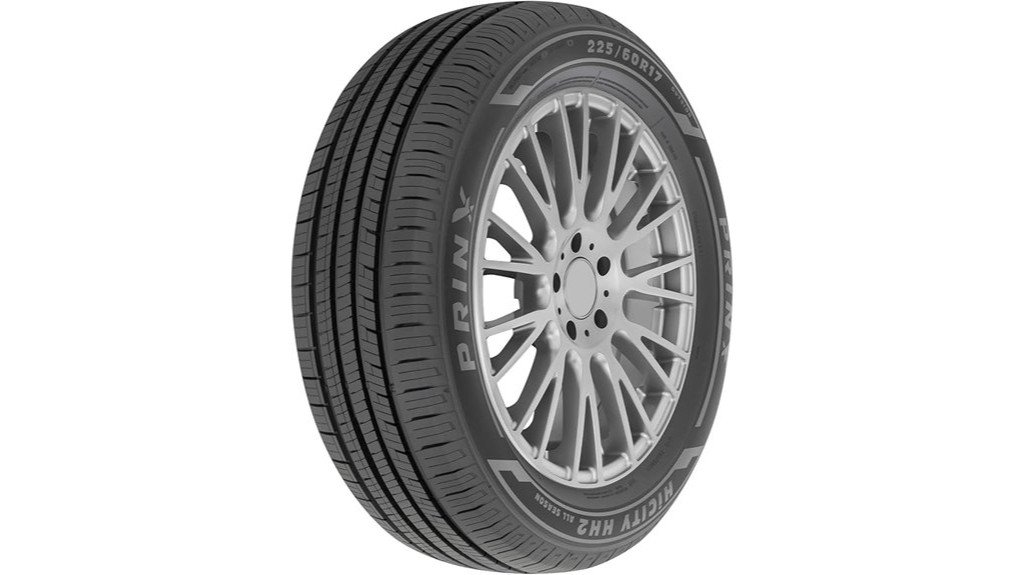
Best Budget Pick
The Prinx HiCITY HH2 is worth considering when your Telluride needs a correctly rated 245/60R18 tire but you want to control the upfront cost. This size carries a 105V rating, Load Range SL construction, a maximum load of 2,039 pounds per tire, and a listed overall diameter of 29.6 inches.
Its asymmetric tread, four circumferential grooves, siping, and continuous center ribs are designed to support wet-road water evacuation, predictable highway handling, and even wear. Prinx also lists Pattern Noise Simulation technology intended to reduce tread-pattern noise.
Why You’ll Like It:
- It meets the common 245/60R18 size and 105 load-index requirement used by compatible Telluride trims.
- The 60,000-mile limited treadwear warranty is competitive for a budget-focused tire.
- Wide grooves and siping give it a practical tread design for ordinary rain and mild seasonal conditions.
Best For: Telluride owners who mainly drive on paved roads and want an affordable replacement tire with a useful mileage warranty.
Skip It If: You prioritize premium ride refinement, independent performance-test results, run-flat construction, or severe-winter capability.
Pros:
- Budget-oriented positioning without dropping below the relevant 105 load index.
- 60,000-mile limited treadwear warranty.
- Asymmetric pattern, four main grooves, and siping designed for stable all-season road use.
Cons:
- Prinx has less brand history and fewer widely published comparison tests than major premium manufacturers.
- It is not a dedicated winter, all-terrain, or run-flat tire.
- Actual noise, wet braking, and tread life depend on the vehicle, maintenance, roads, and driving habits.
Bridgestone 245/60R18 105V ALENZA AS ULTRA Highway All Season
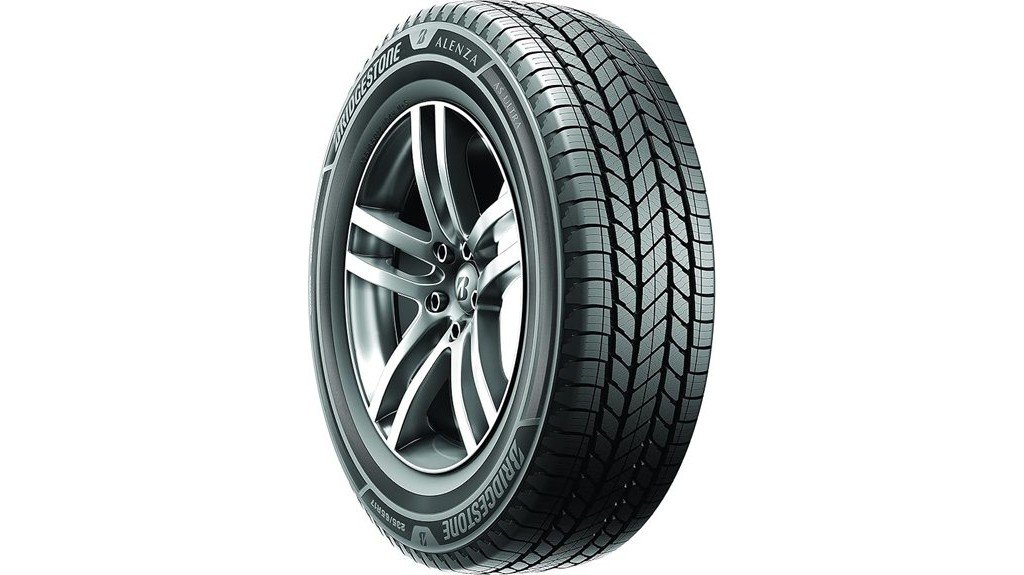
Best Overall and Premium Pick
The Bridgestone Alenza AS Ultra is the strongest choice here for drivers who place ride comfort, controlled highway manners, and longer warranty coverage ahead of the lowest purchase cost. The reviewed 245/60R18 version has a 105V rating, supports up to 2,039 pounds per tire, and is designed for SUVs and crossovers.
Bridgestone uses QuietTrack technology to manage tread-pattern noise. The manufacturer also highlights a high-silica compound for wet and seasonal performance and Snow Vices that provide additional edges on snowy roads. Its 80,000-mile limited warranty is the longest of the three tires compared here.
Why You’ll Like It:
- It offers the longest advertised limited treadwear warranty in this comparison.
- QuietTrack technology directly targets a common Telluride concern: highway cabin noise.
- The 105V service description meets or exceeds the common 105H rating used with this Telluride tire size.
Best For: Owners who drive long highway distances, keep their vehicles for several years, and value comfort and warranty coverage.
Skip It If: Your main goal is the lowest initial cost, you require run-flat tires, or you regularly drive in severe ice and deep snow.
Pros:
- 80,000-mile limited treadwear warranty, subject to applicable conditions.
- QuietTrack technology is designed to reduce tread-pattern noise.
- High-silica compound and snow-focused tread details support balanced seasonal road use.
Cons:
- It generally occupies a higher price tier than the other two options.
- It is a standard non-run-flat tire.
- It remains a highway all-season tire, not a substitute for a dedicated winter tire in severe conditions.
Starfire Solarus HT All-Season 245/60R18 105H Tire
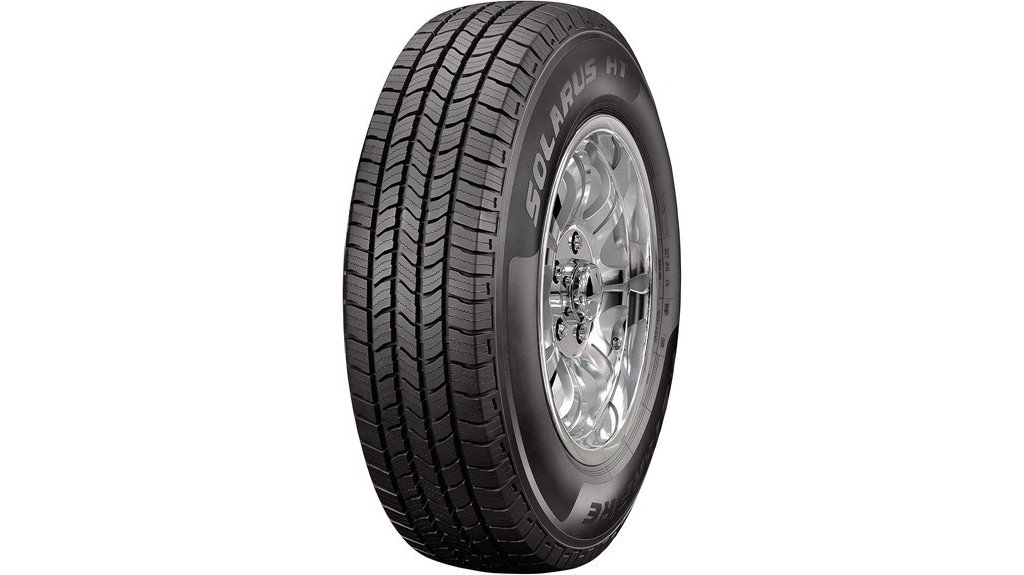
Best Value for Highway Driving
The Starfire Solarus HT provides a straightforward match for Tellurides that specify 245/60R18 105H. It is a Load Range SL highway all-season tire with a maximum load of 2,039 pounds per tire and a 50,000-mile limited treadwear warranty.
Its symmetric ribbed layout, grooves, and siping are designed to support stable highway tracking, water evacuation, and even wear. The design makes the most sense for ordinary commuting, family travel, and paved-road driving rather than aggressive off-road or severe-winter use.
Why You’ll Like It:
- The 105H service description directly matches a common factory rating for 18-inch Telluride fitments.
- It combines a recognized highway-tire design with a lower-cost value position.
- The 50,000-mile limited warranty provides a clear treadwear benchmark when its conditions are followed.
Best For: Drivers who want a practical highway tire for commuting, errands, and family trips without moving into the premium price tier.
Skip It If: You need all-terrain durability, run-flat construction, severe-snow certification, or the longest available mileage warranty.
Pros:
- Correct 245/60R18 105H specification for compatible Telluride configurations.
- Highway-focused tread design intended to promote stable tracking and manageable road noise.
- 50,000-mile limited treadwear warranty.
Cons:
- Shorter mileage warranty than the Prinx and Bridgestone options.
- Not designed for frequent trail use, deep mud, or severe winter weather.
- Standard non-run-flat construction means a spare tire or mobility plan remains important.
Factors to Consider When Choosing All-Season Tires for a Kia Telluride
Before You Buy
- Read the tire size on your driver-door placard.
- Match or exceed the required load index and speed rating.
- Confirm whether the listing is for one tire or a complete set.
- Check the production date after delivery.
- Review installation, return, and warranty requirements before mounting.
Tire Size and Trim Compatibility
Do not order by vehicle name alone. Some Kia Telluride trims use 245/60R18, while others use 245/50R20. Read the complete size from the driver-door placard or the sidewall of the currently approved tire.
The numbers must match more than the wheel diameter. Tire width, aspect ratio, load index, and speed rating affect clearance, handling, load support, and electronic-system calibration. Avoid changing sizes without professional fitment guidance.
Load Index and Speed Rating
A load index of 105 corresponds to a maximum rated load of 2,039 pounds per tire under the tire manufacturer’s specified conditions. That rating does not increase the Telluride’s payload or towing limits. Vehicle limits still come from Kia.
An H-rated tire is rated for a lower maximum test speed than a V-rated tire. A replacement should meet or exceed the rating shown on the vehicle placard unless the vehicle manufacturer or a qualified tire professional approves another specification.
Wet Traction and Hydroplaning Resistance
Look for circumferential grooves that move water away from the contact patch, plus siping that creates additional edges on wet pavement. Tread design can influence wet-road confidence, but no design prevents hydroplaning when speed, standing water, or worn tread overwhelms the tire.
Check tread depth regularly and replace tires before they become unsafe or reach applicable legal limits. Wet performance usually declines as tread wears.
Snow and Ice Capability
All-season and M+S markings do not guarantee strong performance on ice, deep snow, or prolonged freezing roads. Drivers facing severe winter weather should consider a tire carrying the Three-Peak Mountain Snowflake symbol or a dedicated winter tire.
The three tires in this comparison are better viewed as paved-road all-season options for mild or occasional winter conditions. They should not be presented as direct replacements for true winter tires.
Tread Life and Warranty Conditions
A 50,000-, 60,000-, or 80,000-mile warranty is not a promise that every driver will reach that mileage. Alignment, inflation, rotation, road conditions, climate, vehicle loading, and driving style all affect tread life.
Keep your invoice, register the tires when required, follow rotation intervals, and retain maintenance records. Warranty adjustments may be prorated and can exclude damage caused by road hazards, improper inflation, alignment problems, or misuse.
Ride Comfort and Road Noise
Tread-block arrangement, casing construction, road surface, inflation, wheel alignment, and vehicle insulation all influence noise and comfort. Technologies such as Bridgestone QuietTrack or Prinx Pattern Noise Simulation are designed to manage pattern noise, but real-world results can vary.
A quieter tire is not automatically the best tire in every other category. Balance cabin comfort with wet traction, winter needs, warranty coverage, and cost.
Fuel-Efficiency Impact
Tires can affect fuel use through rolling resistance, weight, pressure, and tread design. However, you should not assume one of these tires will cause a specific increase or decrease without comparable testing.
Maintaining the placard-specified cold pressure, correcting alignment problems, and avoiding unnecessary cargo can help limit avoidable efficiency losses.
Installation and Maintenance
Install four matching tires when practical, particularly on all-wheel-drive vehicles. Significant differences in size, tread depth, or construction can affect handling and drivetrain operation.
Have the installer inspect the wheels, valve stems, TPMS components, alignment, and existing wear pattern. Recheck lug-nut torque according to the installer’s guidance after the initial driving period.
Frequently Asked Questions
Do These Tires Fit Every Kia Telluride?
No. They fit Telluride configurations that specify 245/60R18 with compatible load and speed ratings. Tellurides equipped with 20-inch wheels commonly require a different size. Always use the driver-door placard as your primary fitment reference.
How Often Should I Rotate These Tires?
Follow the interval in your Kia maintenance schedule and the tire manufacturer’s warranty terms. Rotate sooner if an inspection shows uneven wear. Keep dated service records because mileage-warranty coverage may depend on documented rotations.
Can I Use These Tires on Gravel Roads?
They can handle occasional maintained gravel at sensible speeds, but they are highway-focused tires. Choose an all-terrain tire if you frequently drive on sharp rocks, ruts, mud, construction sites, or unmaintained trails.
How Will They Affect Telluride Fuel Economy?
The effect depends on rolling resistance, tire weight, pressure, alignment, temperature, and driving conditions. Keep the tires inflated to the door-placard specification and address uneven wear to avoid preventable efficiency losses.
Are These Three Tires Run-Flat?
No. The reviewed Bridgestone and Starfire versions are listed as non-run-flat, and the Prinx should also be treated as a standard tire rather than a run-flat replacement. Confirm the exact Amazon listing before ordering because sellers can change listing details.
Do Tire Warranties Transfer to a New Vehicle Owner?
Do not assume they transfer automatically. Tire warranties often limit coverage to the original purchaser, the original installation vehicle, or both. Read the current manufacturer policy and keep the original receipt, registration, and maintenance records.
Are These Tires Suitable for Heavy Snow and Ice?
They are all-season highway tires, not dedicated severe-winter tires. Consider 3PMSF-rated all-weather tires or dedicated winter tires if you regularly face deep snow, packed snow, or icy roads.
Final Recommendation
Choose the Bridgestone Alenza AS Ultra when quiet highway travel, premium positioning, and the longest limited treadwear warranty matter most.
Choose the Prinx HiCITY HH2 when you want the lowest-cost route to a properly rated 245/60R18 all-season tire with useful warranty coverage.
Choose the Starfire Solarus HT when you want a practical 105H highway tire that balances everyday usability and value.
Before buying, confirm that your Telluride’s placard lists 245/60R18, check the required service description, and compare the complete warranty terms. Proper installation, placard-based inflation, alignment, and regular rotation will matter as much as the model you select.