

Disclosure: As an Amazon Associate, we earn from qualifying purchases. If you buy through an affiliate link on this page, we may receive a commission at no extra cost to you.
Your Nissan Xterra may use a 15-, 16-, or 17-inch factory wheel, depending on its year and trim. That makes fitment the first decision, not the brand name or tread design. A well-reviewed all-terrain tire still becomes a poor choice when its wheel diameter, load index, or overall size does not match your vehicle.
The three options below cover selected 265/70R15, 265/70R16, and 265/65R17 Xterra fitments. They serve different buyers, from value-focused first-generation owners to drivers who want stronger snow or rough-trail capability.
Quick Verdict: Which Xterra Tire Fits Your Needs?
- Best winter-capable 17-inch option: GT Radial Adventuro ATX 265/65R17
- Best value for selected 15-inch Xterras: Lionhart Kilima A/T 265/70R15
- Best rugged option for common 16-inch fitments: Goodyear Wrangler DuraTrac RT 265/70R16
Fitment comes first: Match the size, load index, speed rating, and wheel diameter on your driver-door tire label. Also confirm wheel offset and clearance when your Xterra has aftermarket wheels, a lift, spacers, or suspension changes.
4WD safety note: Use matching tires on all four wheels. Differences in size, construction, brand, or tread pattern can create circumference differences that increase tire wear and place stress on four-wheel-drive components.
Comparison Table: All-Terrain Tires for Nissan Xterra
| Tire | Listed Size | Best For | Main Tradeoff | Amazon |
|---|---|---|---|---|
| GT Radial Adventuro ATX | 265/65R17 112T | Selected 17-inch fitments, snow, wet roads, and mixed trail use | May produce more noise and rolling resistance than a highway tire. | Check Price on Amazon |
| Lionhart Kilima A/T | 265/70R15 112T | Selected early Xterra trims with 15-inch wheels | Not intended to replace a heavier LT-metric tire or premium severe-trail model. | Check Price on Amazon |
| Goodyear Wrangler DuraTrac RT | 265/70R16 116T XL | Common 16-inch fitments, rocky trails, snow, and rugged mixed use | Aggressive construction may feel heavier and louder on pavement. | Check Price on Amazon |
GT Radial Adventuro ATX All Terrain 265/65R17 112T Tire
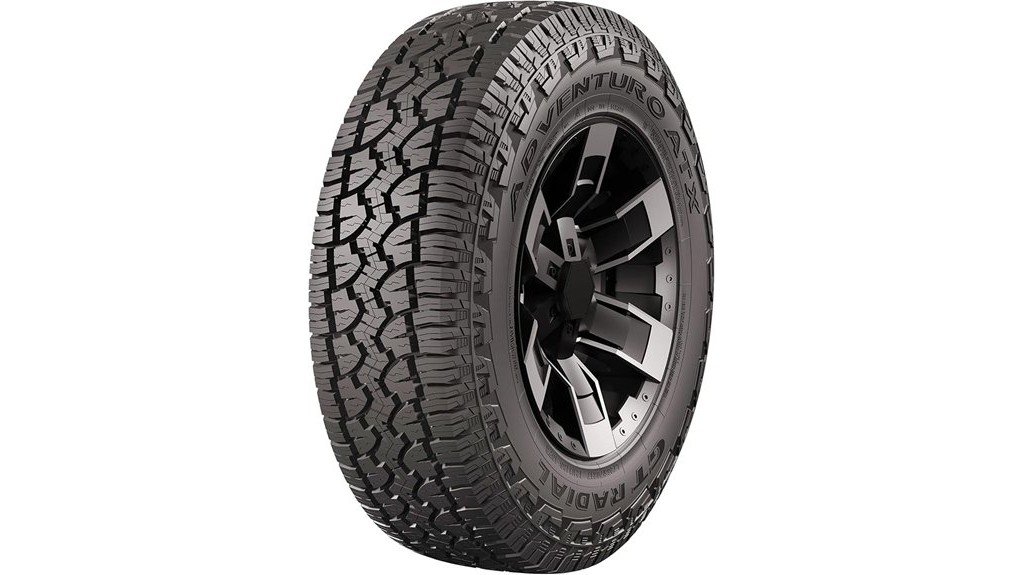
Best for: Xterra owners with a confirmed 265/65R17 fitment who need one tire for commuting, wet roads, winter travel, gravel, and moderate trails.
The GT Radial Adventuro ATX solves a common problem for mixed-use drivers: choosing between stable highway behavior and meaningful trail traction. Its interlocked center rib supports on-road stability, while sidewall cleats and stair-step grooves add bite on loose ground.
The tire carries the Three-Peak Mountain Snowflake symbol, giving it a stronger snow-traction credential than basic M+S wording alone. Wide shoulder channels help move water away, and a cut- and chip-resistant tread compound supports use on gravel and rough surfaces.
The listed 265/65R17 version has a 112T service description, approximately 30.6-inch diameter, 13/32-inch tread depth, and a listed weight near 44 pounds. Its maximum pressure is not the pressure you should automatically use. Inflate the tire according to the Xterra’s tire label and guidance from a qualified installer.
Why you may like it:
- Combines highway stability with useful loose-surface traction.
- 3PMSF marking supports drivers who regularly encounter snow.
- Shoulder channels and tread grooves address wet-road and trail conditions.
- The listing states a 50,000-mile limited manufacturer warranty, subject to current terms and exclusions.
Limitations to consider:
- The all-terrain tread may sound louder than a touring or highway tire.
- It is not an LT-metric Load Range E tire, despite being marketed for trucks and SUVs.
- A 3PMSF rating does not guarantee dedicated winter-tire grip on ice.
Bottom line: Choose the GT Radial when your Xterra uses 265/65R17 tires and you want balanced everyday manners with verified severe-snow traction capability.
Lionhart Kilima A/T All Terrain 265/70R15 112T Tire
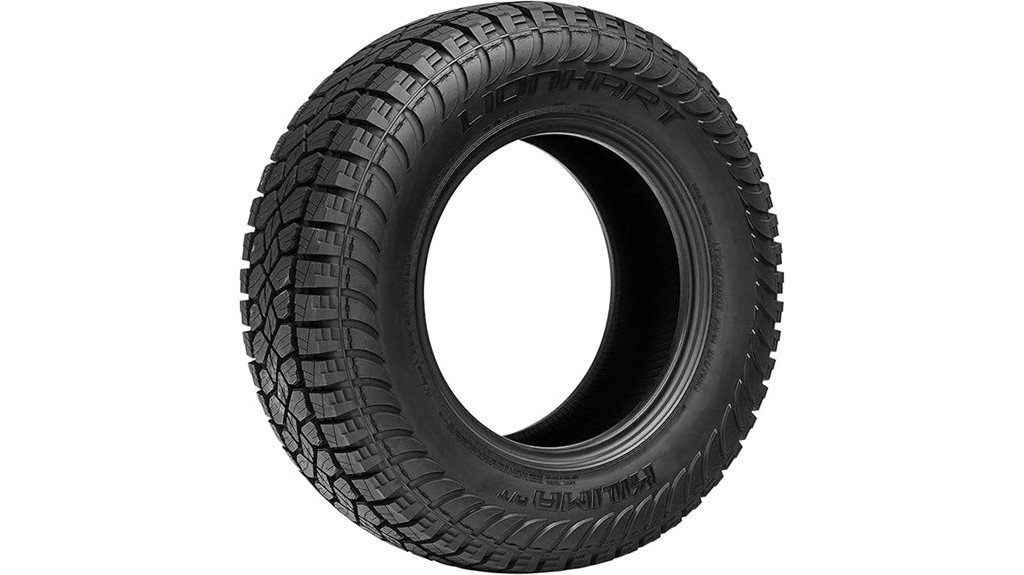
Best for: Owners of selected early Xterra trims with factory-compatible 15-inch wheels who want an affordable all-terrain replacement.
The Lionhart Kilima A/T targets drivers who want more tread bite than a highway tire without moving to a heavy LT-metric design. Its reinforced shoulders and block-style tread support driving on pavement, gravel, dirt roads, and mild trails.
The listed 265/70R15 version carries a 112T service description and 4-ply rating. Lionhart lists an overall diameter near 753 mm, an 8-inch measuring rim, and tread depth near 12.7 mm. Those specifications make it a potential match for selected first-generation Xterras, but the door placard remains the deciding source.
Why you may like it:
- Provides an all-terrain option for a less common 15-inch Xterra fitment.
- Block-style tread and reinforced shoulder areas support mixed paved and unpaved use.
- Its passenger-metric construction may ride more comfortably than a stiff Load Range E alternative.
- Value-focused positioning can suit an older Xterra used for commuting and occasional trails.
Limitations to consider:
- It is not a heavy-duty 10-ply or Load Range E tire.
- Severe-snow certification was not confirmed for this exact size.
- Frequent rock crawling, heavy towing, or harsh trail use may justify a more specialized tire.
- Confirm current treadwear and road-hazard warranty terms before purchasing.
Bottom line: Pick the Lionhart when your placard confirms 265/70R15 and you want a practical, value-focused tire for daily driving and lighter off-road use.
Goodyear Wrangler DuraTrac RT 265/70R16 116T Tire

Best for: Xterra drivers with a confirmed 265/70R16 fitment who prioritize rocky-trail durability, snow traction, and stronger sidewall protection.
The Goodyear Wrangler DuraTrac RT is the most rugged retained option. The 265/70R16 size matches a common Xterra wheel and tire category, while its 116T XL service description provides more load capacity than a typical 112T passenger-metric alternative.
Goodyear uses DuPont Kevlar reinforcement to help protect the tread from damage. Three-ply sidewall construction and the Durawall compound are designed to resist cuts, punctures, and abrasions during rough off-road use. The tread also carries the 3PMSF symbol for qualifying snow traction.
The listed 265/70R16 version measures approximately 30.6 inches in diameter, weighs about 44 pounds, and uses a 16/32-inch tread depth. Goodyear backs eligible DuraTrac RT tires with a 50,000-mile limited treadwear warranty, subject to registration, maintenance, exclusions, and the full warranty terms.
Why you may like it:
- Fits the common 265/70R16 Xterra size category when confirmed by the placard.
- Reinforced tread and three-ply sidewalls support rough-trail use.
- 3PMSF marking adds confidence for drivers who encounter snow.
- Deep tread and added biting edges support gravel, dirt, and rocky terrain.
Limitations to consider:
- Its rugged tread may produce more highway noise than a mild all-terrain tire.
- The heavier construction may slightly reduce acceleration or fuel economy.
- XL construction can feel firmer than a standard-load highway tire.
- Warranty coverage does not automatically include cuts, impacts, punctures, or trail damage.
Bottom line: Choose the Goodyear when your Xterra uses 265/70R16 tires and you are willing to trade some quietness and efficiency for tougher construction and stronger mixed-terrain capability.
Before You Buy: Xterra Tire Fitment Checklist
- Read the door label: Confirm the original tire size and recommended cold inflation pressure.
- Check the wheel diameter: A 15-inch tire cannot mount on a 16- or 17-inch wheel.
- Match the service description: Do not choose a lower load index or speed rating without qualified guidance.
- Confirm all four tires: Four-wheel-drive Xterras should use closely matched tires on every wheel.
- Inspect modified builds: Check wheel offset, spacers, suspension travel, steering clearance, liners, and mud flaps.
- Compare the spare: A major diameter difference can make the spare unsuitable for extended use.
How to Choose the Right Tire From This List
Choose the GT Radial when your Xterra uses 265/65R17 tires and snow traction matters alongside daily road comfort. Its 3PMSF marking and mixed-surface tread make it the most balanced 17-inch option in this article.
Choose the Lionhart when your early Xterra uses 265/70R15 tires and you need a lower-cost all-terrain option for pavement, gravel, dirt roads, and occasional trails.
Choose the Goodyear when your Xterra uses 265/70R16 tires and rugged construction matters more than achieving the quietest or lightest highway ride.
Factors to Consider When Choosing All-Terrain Tires for a Nissan Xterra
Tire Size and Wheel Fitment
Xterra tire sizes vary by year and trim. Common examples include 265/70R15, 265/70R16, 265/75R16, and 265/65R17. Match the full size on the tire label rather than choosing only by section width.
Changing wheel diameter or overall tire diameter can affect clearance, speedometer readings, steering response, braking, gearing, and spare-tire compatibility. A lift may create more static space but does not guarantee clearance during steering or suspension compression.
Load Index and Vehicle Load
Match or exceed Nissan’s required load index while maintaining the correct tire size and pressure. Include passengers, cargo, roof accessories, recovery equipment, and trailer tongue weight when evaluating how heavily the vehicle will be loaded.
A stiffer, higher-capacity tire may provide useful durability, but excessive tire weight and casing stiffness can reduce ride comfort. Do not inflate a tire to its sidewall maximum unless that pressure is appropriate for the vehicle and load.
Tread Pattern and Road Noise
Mild all-terrain patterns usually provide quieter highway behavior and lower rolling resistance. Larger tread blocks, shoulder lugs, and deeper voids can improve loose-surface traction but often create more road noise.
Match the tread to the surfaces you use most. A driver spending 90 percent of the time on pavement may not benefit from the weight and noise of the most aggressive design.
Off-Road Traction and Durability
For gravel and dirt roads, look for stable center blocks, stone-ejection features, and a cut-resistant tread compound. Rocky trails place more emphasis on sidewall construction, shoulder protection, and resistance to cuts and abrasions.
Deep mud may require a more open rugged-terrain or mud-terrain pattern than the all-terrain tires listed here. That added traction usually comes with greater noise, weight, and reduced pavement refinement.
Snow and Winter Performance
A 3PMSF symbol gives you a verified snow-traction indicator. It is more useful than general “all-season” wording when you regularly drive through snow.
The symbol does not guarantee strong ice braking or replace a dedicated winter tire in severe conditions. Tire condition, remaining tread depth, temperature, road treatment, and driving speed still matter.
Rotation and Maintenance
The 2015 Xterra owner’s manual specifies tire rotation every 5,000 miles. Check the schedule for your exact model year, and inspect the tires sooner when you tow, drive off-road, or notice irregular wear.
Maintain the placard pressure, inspect for cuts after trail trips, and correct alignment problems early. Rotation cannot solve wear caused by incorrect pressure, damaged suspension parts, or poor alignment.
Frequently Asked Questions
What Size All-Terrain Tire Should I Buy for a Nissan Xterra?
Use the size shown on the tire and loading label inside the driver’s door opening. Xterra sizes vary by year and trim, so confirm the wheel diameter, tire size, load index, speed rating, and recommended cold pressure before ordering.
Can I Install Larger Tires on a Lifted Nissan Xterra Without Other Modifications?
A lift does not guarantee clearance. Tire width, overall diameter, wheel width, wheel offset, suspension travel, steering angle, liners, mud flaps, and bumper clearance can still cause rubbing. Confirm the complete wheel and tire setup before installation.
How Often Should I Rotate Nissan Xterra All-Terrain Tires?
The 2015 Nissan Xterra owner’s manual specifies rotation every 5,000 miles. Check the manual for your exact model year and inspect the tires sooner after frequent towing, off-road use, or uneven wear.
Is a 3PMSF All-Terrain Tire the Same as a Dedicated Winter Tire?
No. The Three-Peak Mountain Snowflake symbol confirms that the tire meets a snow-traction performance standard, but it does not guarantee dedicated winter-tire performance on ice or in every cold-weather condition.
How Do I Check Whether a Tire Has Enough Load Capacity for Towing?
Match or exceed Nissan’s required load index and follow the tire and loading label, axle ratings, and vehicle load limit. Include passengers, cargo, accessories, and trailer tongue weight when calculating the load carried by the Xterra.
Will All-Terrain Tires Reduce Nissan Xterra Fuel Economy?
They can. Heavier construction and more aggressive tread may add rolling resistance. Correct inflation, proper alignment, sensible tire weight, and avoiding unnecessary oversizing can help limit the effect.
Do Tire Warranties Cover Off-Road Damage and Punctures?
Standard treadwear and workmanship warranties often exclude impact damage, punctures, cuts, misuse, and trail damage. A separate road-hazard plan may offer different protection, so read the current written terms before buying.
Are All-Terrain Tires Good for Daily Driving?
Yes, many all-terrain tires work well for daily driving. Milder patterns usually provide better noise control and comfort, while aggressive designs may feel heavier, sound louder, and use slightly more fuel.
Final Recommendation
For a 265/65R17 Xterra: The GT Radial Adventuro ATX offers the strongest balance of highway manners, trail capability, wet-road features, and verified snow traction.
For a 265/70R15 Xterra: The Lionhart Kilima A/T is the value-focused choice for selected early models used on pavement and lighter trails.
For a 265/70R16 Xterra: The Goodyear Wrangler DuraTrac RT is the most rugged choice, especially when rocky terrain, snow, and resistance to tread or sidewall damage matter most.
Confirm your exact Xterra year, trim, placard size, load requirements, and wheel specifications before ordering. Correct fitment matters more than any ranking, warranty, tread feature, or brand name.


