
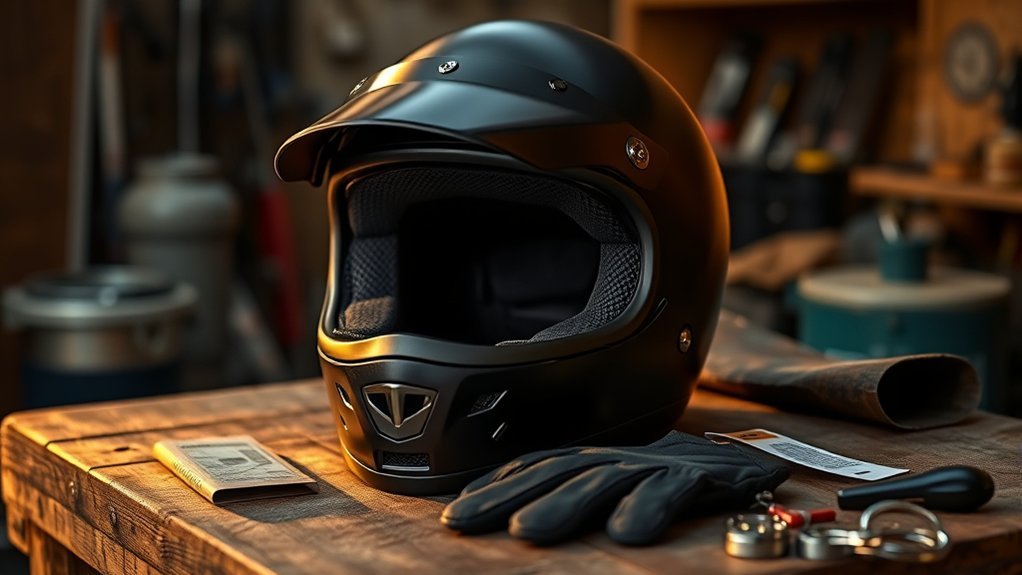
If you’re considering the ILM 902 modular motorcycle helmet, its biggest appeal is straightforward: it combines a flip-up chin bar, an ABS shell, washable interior padding, a wide-view visor, and communication-system speaker pockets in a practical everyday design. ILM states that the Model 902 meets or exceeds FMVSS No. 218/DOT requirements, but fit, comfort, visibility, and the way you use the modular chin bar still matter when deciding whether it is right for you. This review focuses on the features ILM currently documents, along with the limitations you should understand before buying.
As an Amazon Associate I earn from qualifying purchases.
| ILM Modular Flip-Up Motorcycle Helmet (Model 902) |  |
Practical Modular Pick | Safety Standard: Manufacturer states FMVSS No. 218/DOT compliance | Shell Material: High-resistance ABS | Helmet Type: Modular flip-up full face | CHECK CURRENT AMAZON AVAILABILITY | Read Our Analysis |
More Details on the ILM 902
-
ILM Modular Flip-Up Motorcycle Helmet (Model 902)
If you want a modular motorcycle helmet with a flip-up chin bar and easy-to-clean interior, the ILM 902 deserves consideration. ILM lists a high-resistance ABS shell, micrometrically adjustable strap, removable and washable liner and cheek pads, and a wide-view clear visor with an anti-scratch claim. The helmet also includes communication-system speaker pockets, which can make installing a compatible aftermarket Bluetooth communicator easier.
ILM states that the Model 902 meets or exceeds FMVSS No. 218/DOT safety requirements. In the United States, however, the DOT mark represents the manufacturer’s certification that the helmet conforms to the federal standard; it is not a government pre-approval or proof that the helmet provides the same protection as every other DOT-labeled helmet. Proper sizing and a secure fit remain essential.
The biggest reason to choose the 902 is its combination of modular convenience and simple maintenance. Its main limitations are equally important: ILM’s current product page does not provide a reliable bare-helmet weight figure, does not currently advertise the clear visor as anti-fog, and does not establish premium certifications such as Snell or ECE for this listing. Buyers who prioritize those features should compare other helmets before deciding.
- Safety Standard:Manufacturer states it meets or exceeds FMVSS No. 218/DOT requirements
- Shell Material:High-resistance ABS
- Helmet Type:Modular flip-up full face
- Visor Properties:Wide-view clear visor with anti-scratch claim
- Comfort Pads:Soft, removable and washable liner/cheek pads
- Fit Adjustment:Micrometrically adjustable quick-release strap
- Communication Feature:Speaker pockets for a compatible communication system
- Included Accessory:Helmet bag
Quick Verdict
The ILM 902 makes the most sense for riders who specifically want the convenience of a modular helmet without paying for features they may not need. Its documented strengths are the ABS shell, flip-up design, washable interior, adjustable strap, speaker pockets, anti-scratch wide-view visor, and manufacturer-stated FMVSS No. 218/DOT compliance.
Who Should Buy the ILM 902?
- Commuters who like the convenience of a flip-up chin bar.
- Riders who want removable and washable interior padding.
- Buyers planning to install a compatible aftermarket Bluetooth communication system.
- Shoppers looking for a straightforward modular helmet without relying on premium extras.
Who Should Consider Another Helmet?
- Riders who specifically require a certification beyond the manufacturer-stated FMVSS No. 218/DOT compliance.
- Buyers who need a confirmed Pinlock-ready or factory anti-fog visor system.
- Riders who need a precisely documented low helmet weight.
- Anyone who cannot achieve a secure, evenly snug fit in the available sizing.
What to Consider Before Buying the ILM 902 Modular Helmet
A good-value motorcycle helmet is not simply the least expensive model. Start with certification, correct fit, secure retention, visibility, comfort, maintenance, and parts support. For the ILM 902 specifically, the modular chin bar and washable interior add convenience, but you should still verify your size and current product details before ordering.
Safety Certification and Standards
ILM states that the 902 meets or exceeds FMVSS No. 218/DOT safety requirements. It is important to understand what that means. In the United States, the DOT mark is the manufacturer’s certification that the helmet conforms to FMVSS No. 218; the Department of Transportation does not individually pre-approve each helmet before sale.
When your helmet arrives, inspect the required labeling and make sure the model, size, and certification information are present and legible. Certification is a baseline requirement, not a substitute for correct fit or careful inspection of the helmet before use.
Shell Material and Construction
The ILM 902 uses a high-resistance ABS shell according to ILM. ABS is commonly used in motorcycle helmets because it can form a tough outer shell while keeping manufacturing costs manageable. What matters most to you as a buyer is the complete helmet system—shell, energy-absorbing liner, retention system, fit, and condition—not the shell material alone.
Because the 902 is modular, also inspect the chin-bar hinge and latch regularly. The chin bar should close and latch positively, and you should stop using a helmet that has been damaged in a crash or shows structural damage.
Fit and Comfort
Fit should be one of your biggest deciding factors. The helmet should feel evenly snug around your head without creating sharp pressure points, and it should resist excessive movement when you gently try to rotate it while the strap is secured.
ILM currently lists multiple sizes for the Model 902, so measure your head and compare that measurement with the current sizing information before ordering. Do not assume your usual hat size or another helmet brand’s size will fit the same way.
The removable, washable liner and cheek pads are useful for riders who commute frequently or ride in warm conditions, because the interior can be removed for cleaning instead of allowing sweat and odor to build up.
Visor and Visibility
ILM currently describes the 902 as having a wide-view clear visor with an anti-scratch claim. A wide field of view can make shoulder checks and surrounding traffic easier to monitor, while a clean visor is important for safe riding at night and in poor weather.
The current official product page does not clearly advertise the standard 902 visor as factory anti-fog, so do not buy it on the assumption that fogging will never occur. If fogging is a concern, check whether your exact visor is compatible with an approved anti-fog insert or use a visor-safe anti-fog treatment. Avoid abrasive cleaners that can damage the visor surface.
Weight and Wind Noise
Be cautious with weight figures for this helmet. ILM’s current product page lists a package weight, which should not be treated as the bare helmet’s actual weight. Because of that, it is better to judge comfort from the correct helmet-weight specification shown on the current retailer listing or from the helmet itself rather than repeating the package figure.
ILM describes the helmet as having a sleek design intended to reduce wind noise, but actual noise varies with helmet fit, motorcycle type, windscreen height, riding position, speed, vents, and surrounding airflow. If quietness is a top priority, compare noise-focused models and consider appropriate hearing protection for longer rides.
Maintenance Ease
The removable and washable liner and cheek pads make the ILM 902 relatively straightforward to maintain. Clean the interior according to the manufacturer’s care instructions and allow it to dry fully before reinstalling it.
Use a soft cloth and visor-safe cleaner on the clear shield, and avoid harsh chemicals or abrasive materials. Regularly inspect the chin strap, quick-release mechanism, visor pivots, modular hinge, and chin-bar latch for damage or unusual looseness.
Warranty, Replacement Parts, and Extras
Do not rely on the original article’s fixed two-year warranty claim. ILM currently states that its warranty period can vary depending on the helmet and directs customers to register through its website within the specified period or contact an official or authorized seller with proof of purchase for the applicable coverage.
ILM also lists a replacement visor/face shield for the 902, which is useful if the original visor becomes damaged. The helmet bag is another documented included accessory. Before buying any replacement liner, visor, or hardware, confirm that the part specifically matches your Model 902 variant and size.
Frequently Asked Questions
How Long Does the Helmet’s Warranty Last?
ILM does not currently publish one universal fixed warranty duration for every helmet on its warranty page. It says the warranty period varies depending on the helmet. Check the current terms for your Model 902 and keep your proof of purchase. ILM also directs purchasers to its warranty-registration process or an authorized seller for applicable coverage details.
Can I Use This Helmet With My Bluetooth Communicator?
Potentially, yes. ILM states that the Model 902 has communication-system speaker pockets, making it more accommodating for a compatible aftermarket Bluetooth setup. Check your communicator’s speaker dimensions, microphone type, mounting method, and cable routing before installation. Do not cut or remove protective helmet material to make an incompatible system fit.
Is the Helmet Suitable for Winter Riding?
It can be used in cold weather if it still fits correctly and gives you clear visibility, but ILM does not position the standard 902 as a dedicated winter helmet. Cold-weather riders should pay particular attention to visor fogging and neck drafts. Avoid adding thick padding that changes the helmet’s intended fit; a thin motorcycle-specific head covering may be a better option if it does not make the helmet too tight.
Does the Helmet Come in Multiple Outer Shell Sizes?
The current ILM product page lists several wearable sizes, but it does not clearly state how many distinct outer shell sizes are used for the standard Model 902. Do not assume that each wearable size has a separate shell. Choose the helmet based on the manufacturer’s sizing guidance and actual fit.
Are Replacement Parts Readily Available?
ILM currently lists a replacement visor/face shield for the Model 902, and its support and warranty information discusses replacement parts in qualifying situations. Availability can change, so verify the exact Model 902 part number or compatibility before ordering a visor, liner, cheek pad, or other component.
Should I Ride With the Modular Chin Bar Open?
For the most conservative use, keep the chin bar fully closed and securely latched while riding unless the manufacturer specifically states that your exact helmet configuration is intended and approved for riding with the chin bar raised. The flip-up mechanism is especially useful for convenience when stopped.
Conclusion
The ILM Model 902 modular motorcycle helmet is worth considering if your priorities are a flip-up design, an ABS shell, washable interior padding, a wide-view anti-scratch visor, speaker pockets, and straightforward everyday convenience. ILM states that the helmet meets or exceeds FMVSS No. 218/DOT requirements, while the modular layout gives riders easier access when stopped.
Its limitations should also guide your decision. Do not treat the listed package weight as the helmet’s actual weight, assume the visor is factory anti-fog, rely on an unverified two-year warranty, or assume that every wearable size uses a different outer shell. Measure carefully, confirm the current listing and warranty details, inspect the certification labeling when the helmet arrives, and make fit your final deciding factor.


