Choosing replacement tires for a 2015 Ram 1500 starts with fitment, not with a generic list of popular tire sizes. The correct tire must match your truck’s wheel package, load requirements, drivetrain, and intended use. Before ordering, check the Tire and Loading Information placard on the driver-side door opening or B-pillar and compare every part of that specification with the tire you are considering.
Quick Verdict: Use the exact tire size and cold inflation pressure shown on your truck’s placard unless a qualified tire professional has confirmed an approved alternative. Match or exceed the original load index and speed rating, and do not assume that a tire fits simply because its stated load capacity appears high enough.
Quick Fitment Check
| What to Check | Where to Find It | Why It Matters |
|---|---|---|
| Tire size | Driver-side tire placard and current tire sidewall | Determines wheel diameter, overall tire diameter, clearance, and speedometer accuracy. |
| Load index and load range | Original tire sidewall, tire placard, and replacement-tire specifications | The tire must support the truck, passengers, cargo, and trailer tongue weight without being overloaded. |
| Speed rating | Original tire sidewall and replacement-tire service description | A lower rating may not provide the heat resistance or performance intended for the vehicle. |
| Cold tire pressure | Driver-side door or B-pillar placard | Correct inflation supports handling, load capacity, tread life, comfort, and TPMS operation. |
| Wheel dimensions | Wheel markings, vehicle specifications, or a qualified installer | The tire must be approved for the wheel’s diameter and width and must clear the suspension and body. |
Why Exact Tire Fitment Matters
A 2015 Ram 1500 was offered in multiple trims and configurations, so there is no single replacement size that can safely be recommended for every truck. The tire placard identifies the specification selected for your individual vehicle. That information should take priority over a retailer’s generic vehicle-fitment suggestion.
An incorrectly sized tire can affect steering response, braking, ground clearance, wheel-well clearance, transmission behavior, speedometer readings, and the Tire Pressure Monitoring System. A tire may physically mount on a wheel yet still be unsuitable because its load index, overall diameter, construction, or approved rim-width range is wrong.
Fitment Note: Do not choose a replacement based only on rim diameter. The complete size, load index, speed rating, load range, approved wheel width, overall diameter, and inflation requirements must be compatible.
How to Read a Tire Size
A tire size such as P275/60R20 115T contains several separate specifications:
- P: Indicates a passenger-metric tire designation. Some truck applications may use an LT designation instead.
- 275: The nominal section width in millimeters.
- 60: The sidewall height expressed as a percentage of the tire’s width.
- R: Radial construction.
- 20: The required wheel diameter in inches.
- 115: The tire’s load index.
- T: The speed rating.
Every part of the service description matters. Two tires with the same width and wheel diameter can have different load capacities, speed ratings, constructions, and approved uses.
Factors to Consider When Choosing Tires for a 2015 Ram 1500
Tire Placard and Trim Fitment
Begin with the factory placard rather than assuming that another Ram 1500 owner’s tire size will fit your truck. Wheel packages can vary by trim and equipment. Record the complete front and rear tire specifications, the recommended cold pressure, and any separate spare-tire information.
If the truck has aftermarket wheels, suspension changes, spacers, or a lift or leveling kit, have the current setup measured. Modified suspension height does not automatically confirm clearance for a wider or taller tire.
Load Index and Towing Needs
The replacement tire should meet or exceed the load index required for the truck. Consider passengers, bed cargo, accessories, trailer tongue weight, and how frequently the truck operates near its payload or axle limits.
Do not determine suitability by multiplying a tire’s maximum load by four. Front and rear axle loads can differ, and the maximum load printed for a tire applies only under specified conditions. Compare the tire specification with the truck’s placard, Gross Axle Weight Ratings, wheel limits, and intended inflation pressure.
For Frequent Towing: Ask a qualified tire installer whether your use calls for a particular load range or construction. A heavier-duty tire can improve load capability but may also add weight, stiffness, noise, and rolling resistance.
All-Season, All-Terrain, or Winter Tires
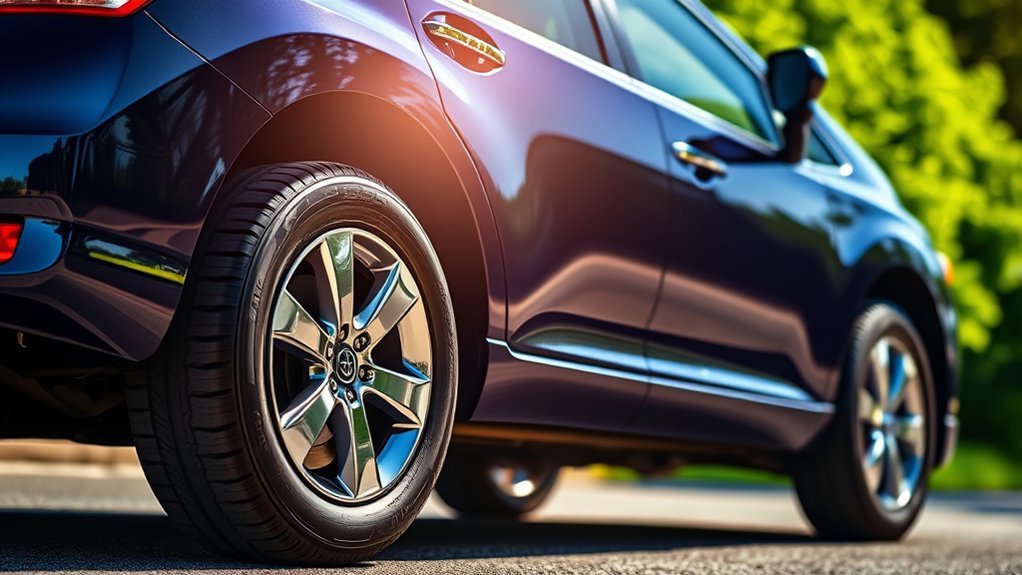
Highway all-season tires generally suit commuting, paved-road travel, and drivers who value a quieter ride. They usually emphasize wet-road control, predictable handling, and tread life.
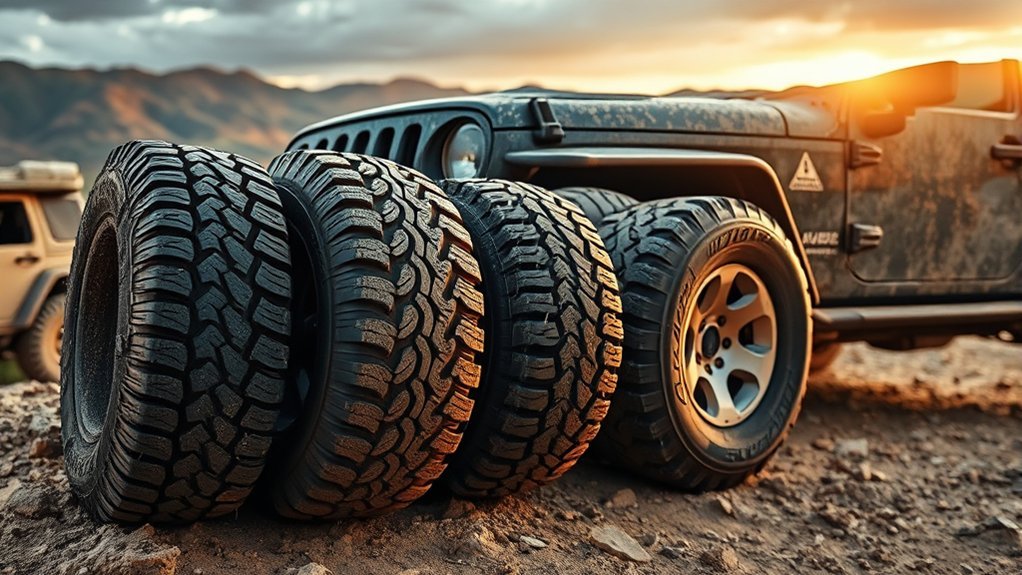
All-terrain tires add more open tread blocks and stronger off-pavement capability. They can be useful on gravel, work sites, trails, and unpaved roads, but may produce more road noise and rolling resistance than a highway-oriented tire.
Dedicated winter tires are the better choice where packed snow, ice, and prolonged cold are common. An all-season designation alone does not guarantee the same cold-weather braking or ice traction as a purpose-built winter tire.
For severe-snow capability, look for the Three-Peak Mountain Snowflake symbol rather than relying only on an M+S marking.
Tread Pattern and Wet Traction
Wide circumferential grooves and effective channels help move water away from the contact patch. Siping can add biting edges for wet roads and light snow, while larger tread blocks can support stability and off-road durability.
Do not judge wet performance from tread depth alone. Compound design, tread geometry, tire construction, wear level, pressure, and vehicle load all affect traction and hydroplaning resistance.
Ride Comfort and Road Noise
A highway tread with variable-pitch elements will usually be easier to live with during daily commuting than an aggressive mud or all-terrain pattern. Taller, heavier, or more heavily reinforced tires can also change steering feel and ride firmness.
Read the tire manufacturer’s intended-use description and compare it with your normal driving. A tire optimized for off-road grip may be unnecessary for a truck that spends nearly all its time on pavement.
Tread Life and Warranty
A treadwear warranty can help compare tires within a similar category, but it should not override fitment, load capability, or traction needs. Warranty coverage may depend on maintaining pressure, documenting rotations, correcting alignment problems, and keeping proof of purchase.
Review exclusions for commercial use, towing-related wear, uneven wear, road hazards, and prorated replacement costs before treating a warranty as a deciding benefit.
Fuel Economy and Tire Weight
Larger, heavier, and more aggressive tires can increase rolling resistance and rotational mass. That can affect acceleration and fuel economy, particularly during stop-and-go driving.
Drivers who prioritize highway mileage should stay close to the approved original diameter and consider a highway-oriented tread rather than choosing a larger tire only for appearance.
TPMS and Cold Tire Pressure
Set pressure according to the vehicle placard when the tires are cold. The maximum pressure molded into the tire sidewall is not automatically the correct operating pressure for the truck.
Check all tires with an accurate gauge at least monthly and before towing or carrying a heavy load. The TPMS is a warning system, not a substitute for routine pressure checks. After changing wheels or tire specifications, confirm that the sensors, valve stems, and system calibration continue to operate correctly.
Before You Buy: Tire Checklist
- Photograph the Tire and Loading Information placard on the driver-side door opening or B-pillar.
- Write down the complete tire size, load index, speed rating, and recommended cold pressure.
- Check whether the front and rear specifications are the same.
- Confirm the wheel diameter and wheel-width range approved for the tire.
- Inspect the current tires for uneven wear that could indicate an alignment or suspension problem.
- Decide whether your priority is quiet highway use, towing, snow traction, off-road grip, or a balance of those needs.
- Verify that the tire’s load index meets or exceeds the original requirement.
- Check whether the tire is compatible with the truck’s TPMS and current wheels.
- Ask whether installation includes balancing, new valve-service components, disposal, and alignment inspection.
- Review the treadwear and road-hazard warranty terms before ordering.
Tire Installation and Maintenance Tips
Replace Tires in Matched Sets
Four matching tires provide the most consistent traction and handling. Avoid mixing significantly different tread patterns, sizes, constructions, or wear levels between the front and rear axles.
When replacing only two tires, use equivalent tires and follow the tire manufacturer’s or qualified installer’s placement guidance. Replacing only one tire can create an unwanted difference in circumference and traction.
Rotate and Inspect Regularly
Rotate the tires according to the truck’s maintenance schedule and at the first sign of irregular wear. The appropriate pattern can depend on whether the tires are directional and whether the front and rear sizes match.
Before rotating, correct the cause of rapid or uneven wear. Check alignment, wheel balance, tire pressure, suspension components, and the effects of regular towing or heavy payloads.
Check Tire Age
Find the Tire Identification Number on the sidewall and read the final four digits of the date code. Those digits identify the week and year of manufacture. Tire age should be considered along with visible condition, tread depth, repairs, storage history, cracking, vibration, and manufacturer guidance.
Frequently Asked Questions
What Tire Size Does a 2015 Ram 1500 Use?
The correct size varies by trim, wheel package, and equipment. Read the Tire and Loading Information placard on the driver-side door opening or B-pillar. Use the complete specification shown there rather than relying on a generic size associated with the model year.
Can I Use a Smaller Passenger-Car Tire on a Ram 1500?
Do not use one unless the complete size and rating are specifically approved for your truck and wheel combination. A smaller passenger-car tire may have inadequate diameter, load index, wheel compatibility, clearance, or performance even when its advertised maximum load appears acceptable.
Can I Use Different Tire Brands on the Front and Rear?
Four matching tires are preferable. Different brands can have different compounds, tread depths, traction characteristics, and actual dimensions even when the sidewall size appears identical. Avoid mixing sizes or tire types between axles, and obtain professional guidance when replacing fewer than four tires.
Will Larger Tires Change the Speedometer Reading?
Yes. A larger overall diameter travels farther with each revolution, which can cause the indicated speed and mileage to read lower than the truck’s actual speed and distance. A smaller diameter can have the opposite effect. Significant changes may require calibration.
Does a Leveling Kit Guarantee That Larger Tires Will Fit?
No. A leveling kit may change vertical clearance, but tire fit also depends on width, wheel offset, backspacing, suspension travel, steering angle, body clearance, and alignment. Confirm the complete wheel-and-tire combination before purchasing.
How Often Should I Rotate the Tires?
Follow the maintenance schedule for the truck and rotate the tires at the oil-change interval indicated by the vehicle. Rotate sooner when irregular wear appears, and correct alignment, inflation, balance, or suspension problems before expecting rotation to solve the wear pattern.
What Tire Pressure Should I Use?
Use the cold inflation pressure printed on the vehicle’s tire placard. Do not automatically inflate to the maximum pressure printed on the tire sidewall. Check pressure when the truck has been parked long enough for the tires to cool.
Are All-Season Tires Enough for Winter?
They may be adequate for mild winters and occasional light snow, but dedicated winter tires generally provide better performance in prolonged cold, packed snow, and ice. Consider local conditions, road treatment, terrain, and how often the truck must travel during severe weather.
Should I Buy LT Tires for Towing?
Not automatically. LT tires can offer heavier-duty construction, but they may also increase weight and ride stiffness. Choose the construction, load range, and inflation requirements that match the truck, wheels, axle ratings, payload, and towing use. Consult a qualified tire professional when the truck regularly operates near its limits.
Final Recommendation
Best Buying Approach: Start with the exact tire specification on your 2015 Ram 1500’s placard. Then compare properly fitted tires by load capability, highway comfort, wet traction, winter needs, towing use, tread life, and warranty terms.
Do not compromise fitment to obtain a lower price or a more aggressive appearance. Four matching tires with the correct size, rating, pressure, and intended use will provide a more dependable foundation than an undersized passenger tire or an unverified aftermarket combination.