Disclosure: As an Amazon Associate, we earn from qualifying purchases. If you click a link on this page and make a purchase, we may receive a small commission at no extra cost to you.
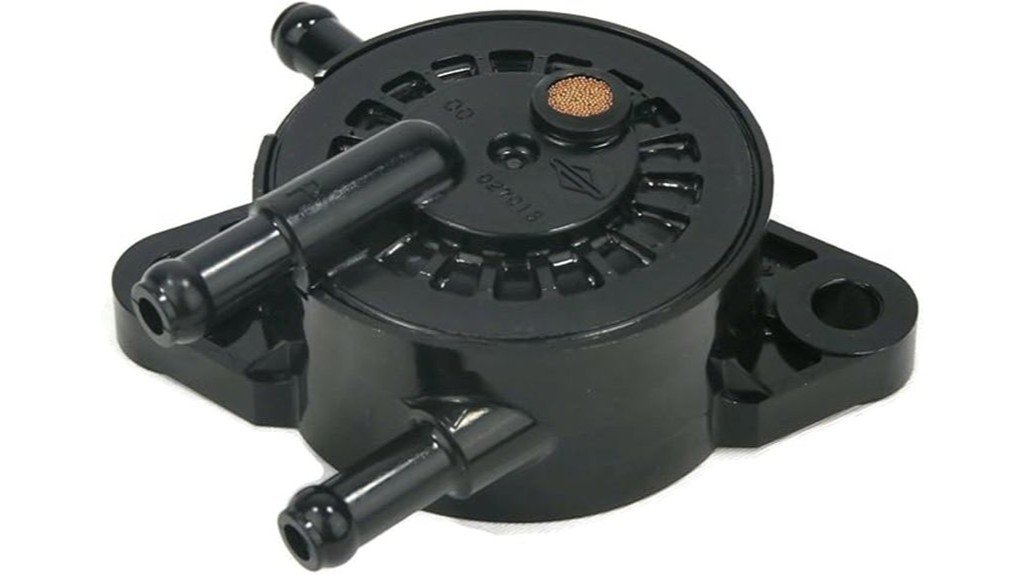
A replacement fuel pump can solve hard starting, stalling, or poor fuel delivery, but only when the part matches your exact engine. The Briggs & Stratton 808656 fuel pump is sold as a replacement part for select small-engine applications. Its main appeal is a simple, part-number-based replacement path, while its biggest limitation is uncertain fitment across different engines and equipment models. This review helps you decide what to verify before ordering, how to approach installation safely, and when another part may be a better choice.
Quick Verdict
Rating: 7/10, recommended with fitment caveats
Best For: Owners whose engine parts diagram or service documentation specifically lists part 808656
Bottom Line: This pump may be a practical replacement when the part number, mounting points, fuel connections, and operating design match your original pump. Skip it when you are relying only on equipment year, horsepower, or a visual guess.
Key Takeaways
- Part 808656 should be treated as an exact-fit replacement, not a universal fuel pump.
- Confirm the engine model, type, code, original part number, hose connections, and mounting layout before ordering.
- The listing-stated dimensions and weight should not replace a direct comparison with your removed pump.
- Fuel-delivery symptoms can also come from a blocked filter, damaged fuel line, tank vent, carburetor, or contaminated fuel.
- Installation involves gasoline, so work on a cool engine in a ventilated area and check carefully for leaks before use.
Key Specifications
| Specification | Detail |
|---|---|
| Brand | Briggs & Stratton |
| Part number | 808656 |
| Product type | Replacement fuel pump |
| Fuel type | Gasoline applications, subject to engine-manufacturer requirements |
| Housing | Plastic, according to the reviewed listing information |
| Listing-stated dimensions | 9 x 3.13 x 1.5 inches; verify whether these are product or package dimensions |
| Listing-stated weight | 1.76 ounces; compare with the received part and packaging |
| Compatibility | Select Briggs & Stratton applications that specifically call for part 808656 |
| Best use | Replacing a confirmed matching pump without modifying the fuel system |
| Safety note | Install only on a cool engine, away from flames or sparks, and test for leaks before operation |
What Is the Briggs & Stratton 808656 Fuel Pump?
The 808656 is presented as a replacement component for a small-engine fuel-delivery system. Its job is to move fuel toward the carburetor or fuel metering system in an application designed to use this exact pump.
The part number matters more than broad labels such as mower, tractor, generator, horsepower, or model year. Two machines that look similar can use different pumps, hose routing, mounting points, or operating methods. You should therefore confirm the part through an engine-specific diagram or service record rather than assuming that any Briggs & Stratton engine will accept it.
Before You Buy: Do not order this pump only because the brand and horsepower seem correct. Match part number 808656 against your engine model, type, code, original pump, hose connections, and mounting layout.
Who Should Buy It?
Best For
- Owners whose engine diagram specifically identifies part 808656
- DIY users who can safely disconnect fuel lines and verify leak-free reassembly
- Repairs where the original pump, mounting position, and connections can be compared directly
Skip If
- You cannot confirm the original part number or engine identification
- Your equipment requires a different pump design, pressure range, connector, or mounting pattern
- You want a universal pump that can be adapted with wiring, fittings, or custom brackets
Fit and Compatibility
Compatibility is the most important part of this review. Start with the identification stamped or labeled on the engine, not only the equipment brand. Record the model, type, and code numbers, then compare them with the correct parts diagram or service information.
Next, inspect the original pump before removal. Compare the number and direction of fuel connections, hose diameter, mounting holes, body shape, clearance around nearby components, and any pulse, vacuum, or electrical connection. A matching part number should still be checked against the physical arrangement because equipment may have been repaired or modified in the past.
Do not treat the listing-stated 9 x 3.13 x 1.5-inch dimensions as a guaranteed fit measurement. Marketplace dimensions sometimes describe packaging rather than the bare component. A direct side-by-side comparison with the original pump gives you more useful information.
Pro Tip: Photograph the original hose routing and mounting position before disconnecting anything. Label each hose so you can restore the same inlet, outlet, and pulse or control connection.
Materials and Build
The reviewed listing describes a lightweight plastic housing. Plastic is common in small-engine fuel-system parts because it resists corrosion and keeps weight low. However, the material does not make the pump universal or suitable for every fuel blend, additive, heat level, or installation location.
Inspect a new pump before installation. Look for cracked ports, distorted mounting surfaces, loose seams, damaged nipples, or debris inside the openings. Do not force a hose onto an incorrect port size, and do not overtighten mounting hardware against a plastic body.
The article information does not establish a verified flow rate, pressure rating, electrical specification, included fitting list, or chemical-resistance certification. Those details should come from the correct service manual, packaging, or seller documentation for the exact part supplied.
Installation and Setup
Fuel-system work requires more care than a typical cosmetic replacement. Let the engine cool completely, work in a ventilated area, keep ignition sources away, and have an approved way to contain spilled gasoline. Disconnect the spark-plug lead or follow the equipment manual’s shutdown procedure before beginning.
Close the fuel shutoff valve when fitted, or safely drain and clamp the line according to the service procedure. Remove the old pump without twisting nearby hoses or fittings. Transfer only parts that the manual says should be reused, and replace brittle hose or damaged clamps rather than installing the new pump into a leaking system.
Mount the replacement in the same orientation as the original. Reconnect each line to the correct port, secure the clamps, and keep hoses away from the muffler, moving parts, and sharp edges. After restoring fuel flow, inspect every connection before starting the engine.
Start the engine only when the area is clear and you can immediately shut it down. Watch for wet fittings, fuel odor, seepage, unstable running, or unusual noise. Stop the engine at once if you find a leak.
How It Performs in Real Use
As a Confirmed Direct Replacement
The strongest use case is a repair where the engine diagram lists 808656 and the original pump matches the replacement. In that situation, the job should focus on restoring the original fuel routing rather than redesigning the system. Correct installation may return normal starting and running when the failed pump was the actual cause.
For Hard Starting or Stalling
A weak or failed fuel pump can contribute to fuel-starvation symptoms, but those symptoms do not prove the pump is defective. A clogged fuel filter, restricted line, blocked tank vent, dirty carburetor, stale fuel, air leak, or ignition problem can produce similar behavior. Diagnose the system before buying parts at random.
For Seasonal Equipment
Equipment that sits for months may develop hardened hoses, deposits, corrosion, or contaminated fuel. Replacing only the pump may not solve a broader storage-related problem. Inspect the tank, filter, lines, clamps, and carburetor area so the new component is not connected to a dirty or leaking system.
For Older or Modified Equipment
Older machines may no longer have their original engine or fuel system. Previous owners may have installed another pump, changed hose sizes, or rerouted lines. Part-number verification and a physical comparison become even more important when the repair history is unknown.
Compatibility and Safety
Gasoline vapor can ignite easily, so avoid smoking, open flames, hot work lights, sparks, and powered tools that are not appropriate for the area. Clean spills before starting the engine, dispose of fuel-soaked materials safely, and follow local rules for gasoline handling.
Use fuel line and clamps rated for the engine’s fuel system. Do not apply sealants, adhesives, thread compounds, or homemade adapters unless the service documentation specifically calls for them. An improvised connection may leak or restrict flow.
The article information does not confirm compatibility with every ethanol blend, stabilizer, or fuel additive. Follow the engine manual and fuel recommendations for your exact equipment. When you cannot identify the correct pump design or test procedure, a qualified small-engine technician is the safer choice.
Common Mistakes to Avoid
- Buying by appearance alone: Similar housings can have different internal specifications or port layouts.
- Using equipment year as the main fitment check: The engine may differ from another machine built in the same year.
- Reversing fuel connections: Mark each hose and confirm port functions before removal.
- Ignoring the rest of the fuel system: A blocked filter or damaged line can make a new pump appear defective.
- Skipping the leak test: Inspect connections with the engine off and again during a controlled initial run.
- Forcing mismatched hoses or fittings: A loose or stressed connection can leak and create a fire risk.
Pros and Cons
Pros
- Clear part number gives you a specific fitment reference
- Lightweight plastic housing should resist ordinary external corrosion
- Can provide a direct repair path when the original part number matches
- Does not require custom adaptation in a confirmed original-style installation
- Compact replacement component is easier to handle than a complete fuel-system assembly
Cons
- Compatibility cannot be confirmed from brand or horsepower alone
- Flow, pressure, port details, and included hardware are not clearly established in the reviewed information
- Fuel-delivery symptoms may come from another component, so diagnosis may require extra work
Is It Worth the Price?
The 808656 is worth considering when it is the documented replacement for your engine and lets you restore the original fuel system without modification. In that case, correct fit and safe operation matter more than saving a small amount on a loosely matched universal pump.
Its value falls quickly when fitment is uncertain. Return shipping, downtime, damaged hoses, or an unsafe adaptation can cost more than buying the correct part through a dealer or verified parts source. Treat this as a fitment-first purchase, not a price-first purchase.
Buyers who can compare the old pump, confirm the engine identification, and inspect the seller’s package details should get the most value. Buyers who need a known pressure rating, flow specification, complete fitting kit, or universal compatibility should choose a product with those details clearly documented.
How It Compares to Alternatives
A dealer-supplied genuine replacement may offer stronger fitment support and clearer documentation, though availability and cost can differ. A third-party aftermarket equivalent may be less expensive, but you should compare its cross-reference, port layout, materials, warranty, and application list rather than relying on a similar shape.
A universal electric or pulse-style pump is not automatically an upgrade. Universal parts can require pressure matching, wiring, brackets, hose changes, or regulators. The 808656 makes the most sense when you want to restore a system that was designed for this exact part number.
Frequently Asked Questions
How do I confirm that part 808656 fits my engine?
Record the engine model, type, and code numbers, then check the correct parts diagram or service documentation. Compare the original pump’s part number, mounting holes, hose connections, body shape, and operating design before ordering.
Is the Briggs & Stratton 808656 tank-mounted or electric?
The reviewed information does not verify a tank-mounted design, voltage, wiring requirement, or exact operating method. Match the replacement to the original pump and the engine diagram instead of assuming it is electric or installed inside the tank.
What is the pump’s flow rate or pressure rating?
A verified flow rate and pressure rating were not available in the reviewed information. Do not substitute a pump based only on size when your engine requires a specific delivery pressure or operating method.
Can I use it with ethanol-blended gasoline?
Do not assume compatibility with every ethanol blend or additive from the plastic housing alone. Follow the fuel requirements in the engine manual and confirm that the supplied part is approved for that application.
Does the package include hoses, clamps, or fittings?
The included hardware is not clearly established in the reviewed article information. Check the current seller photos and package description, and plan to replace damaged fuel line or clamps with correctly rated parts when needed.
Can I install the fuel pump myself?
A careful DIY user may handle a direct replacement when the service steps are clear and the equipment is cool and safely prepared. Use a qualified technician when the pump design, hose routing, diagnosis, or leak-testing procedure is uncertain.
What symptoms can point to a fuel-pump problem?
Hard starting, stalling under load, or poor fuel delivery may point to a pump problem. The same symptoms can come from a clogged filter, blocked vent, damaged line, dirty carburetor, stale fuel, or ignition fault, so test before replacing parts.
Who should skip this fuel pump?
Skip it when you cannot confirm part 808656 in the engine documentation or when your original pump has different connections, mounting points, or operating requirements. It is also a poor choice for a custom fuel system that needs a documented universal pressure and flow specification.
The Bottom Line
The Briggs & Stratton 808656 fuel pump is a reasonable fitment-dependent replacement for owners who can confirm the exact part number and match the original installation. Its main strength is a specific replacement reference, while its main limitation is the lack of clearly verified flow, pressure, connection, and application details in the reviewed listing information.
Buy it when your engine diagram and original pump support the match. Skip it when you would need to guess, modify the system, or rely on broad brand and horsepower descriptions.
Ready to Buy?
Check the current product details and confirm fitment before you decide.