Disclosure: As an Amazon Associate, we earn from qualifying purchases. If you click a link on this page and make a purchase, we may receive a small commission at no extra cost to you.
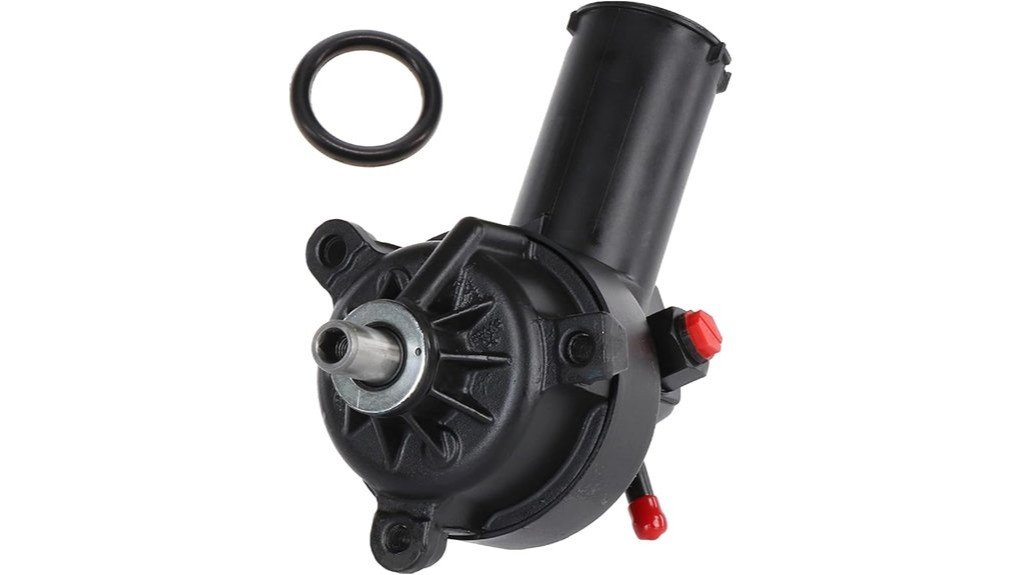
A failing power steering pump can leave you with heavy steering, fluid leaks, or a constant whine that makes every drive feel uncertain. The CARDONE 20-6240 is a remanufactured hydraulic power steering pump built for specific vehicle applications, not a universal replacement. Its strongest points are its new sealing components, included reservoir, and extensive bench testing. This review explains the fitment checks, missing installation parts, and setup work you should consider before ordering.
Quick Verdict
Rating: 8/10, recommended with caveats
Best For: Drivers who need a tested remanufactured pump for a confirmed 20-6240 application
Bottom Line: The 20-6240 offers detailed quality-control features, an aluminum housing, and an included reservoir and sealing kit. You must confirm exact vehicle fitment and plan to reuse or replace the pulley because the pulley and mounting hardware are not included.
Key Specifications
| Specification | Detail |
|---|---|
| Brand | CARDONE Reman |
| Model | 20-6240 |
| Product type | Remanufactured hydraulic power steering pump |
| Housing material | Aluminum |
| Package weight | 7.03 lb |
| Reservoir | Included; reservoir cap not included |
| Pulley setup | Press-on shaft for a serpentine-belt pulley; pulley not included |
| Hose connections | Barbed inlet and threaded outlet with 5/8-18 thread |
| Seals | New O-rings and premium-grade HNBR seals |
| Package contents | Hydraulic pump, instruction sheet, and sealing kit |
| Not included | Pulley, mounting hardware, filter, and reservoir cap |
| Compatibility | Vehicle-specific; confirm year, make, model, engine, and steering configuration before purchase |
What Is the CARDONE 20-6240?
The CARDONE 20-6240 is a remanufactured replacement for a conventional hydraulic power steering pump. CARDONE rebuilds an original-equipment core, replaces wear-sensitive sealing parts, checks critical components, and tests the completed assembly before sale.
This unit includes the hydraulic pump, an attached reservoir, an instruction sheet, and a sealing kit. It does not include the press-on pulley, mounting hardware, filter, or reservoir cap, so your installation plan may require transferring usable parts from the old pump or buying replacements.
Who Should Buy It?
Best For
- Drivers whose vehicle catalog or VIN lookup specifically calls for CARDONE 20-6240
- Buyers who prefer a tested remanufactured unit over an unknown used pump
- DIYers or repair shops equipped to transfer a press-on pulley and bleed the hydraulic system correctly
Skip If
- You have not confirmed fitment for your exact engine and steering configuration
- You need a complete bolt-on kit with a pulley, cap, filter, and mounting hardware
- Your steering problem has not been diagnosed and may come from the rack, hoses, belt drive, or another component
Before You Buy: Part number 20-6240 is not a universal pump. Confirm fitment with your VIN or a reliable parts catalog, then check whether your old pulley and reservoir cap can be safely reused.
Materials and Build Quality
The aluminum housing keeps the unit consistent with a conventional OE-style hydraulic pump design. The reservoir is included, which can save you from transferring an old reservoir that may be brittle, stained, or difficult to seal.
CARDONE uses new O-rings and premium-grade HNBR seals in its remanufactured pumps. HNBR is selected for better resistance to heat-related breakdown than conventional seal materials, which matters because power steering fluid and under-hood temperatures can stress seals over time.
The shaft is surfaced to controlled specifications to reduce premature seal wear. This detail is useful because a rough or damaged shaft surface can quickly compromise a new front seal, even when the rest of the pump is functioning correctly.
Quality Assurance and Testing
The main reason to consider this pump over an unknown salvage-yard unit is its documented testing process. CARDONE states that critical components, including cam packs and spool valves, are triple-tested before the pump is completed.
The pressure relief valve is tested and calibrated. The final assembly is then computer-tested for pressure, bypass behavior, fluid flow, valve operation, steering effort, and noise. These checks cannot guarantee that every installation will be trouble-free, but they provide a clearer quality-control process than you get with a used pump of unknown history.
The 20-6240 is still a remanufactured part, so the original housing and other durable core components have been reused. Buyers who only want a completely new unit should compare new aftermarket or OE options before ordering.
Fit, Compatibility, and Installation
Confirm the Exact Application
Matching the part number is more important than matching the pump’s general shape. The same vehicle family can use different pumps across engine sizes, model years, option packages, or production dates. Confirm the application with your VIN, engine code, and a current fitment catalog before you remove the old unit.
Plan for the Missing Pulley and Hardware
The pump uses a press-on shaft for a serpentine-belt pulley, but the pulley is not included. Transferring a pulley normally requires the correct puller and installer tools. Hammering or prying can damage the pulley bore, shaft, or new pump seal.
Mounting hardware is also not included. Inspect the old bolts, brackets, reservoir cap, hoses, clamps, and belt before installation. Replace any part that is damaged, stretched, cracked, contaminated, or outside the vehicle manufacturer’s service limits.
Flush and Bleed the System
A new pump can fail early if contaminated fluid, metal particles, or deteriorated hose material remain in the system. Follow the vehicle manufacturer’s procedure for flushing, filling, and bleeding. Some systems require vacuum bleeding rather than a simple lock-to-lock procedure.
Pro Tip: Compare the old and replacement pumps on the bench before installation. Check the ports, mounting points, shaft, reservoir shape, and pulley alignment so you can catch a fitment error before adding fluid.
How It Performs in Real Use
During Normal Daily Driving
In a correct, clean installation, the pump should restore hydraulic assist and predictable steering effort. The calibrated relief valve and final pressure and flow testing are relevant here because the pump must supply assist without creating excessive pressure or bypass problems.
At Parking-Lot Speeds
Low-speed turns place a noticeable demand on a hydraulic steering system. If steering remains heavy after replacement, the cause may be trapped air, low fluid, contamination, belt slip, a restricted hose, or a fault elsewhere in the steering system rather than the pump itself.
When Diagnosing Whine or Foam
A constant whine often points to air in the fluid. Check the fluid level, inspect for foam or bubbles, confirm that hose connections and clamps are tight, and follow the correct bleeding procedure. Running the pump while it is starved of fluid can damage it.
For Long-Term Ownership
Long-term results depend heavily on installation quality and system condition. Clean fluid, correct belt tension, leak-free hoses, proper pulley alignment, and a healthy steering gear all reduce unnecessary load on the pump. No fixed mileage lifespan should be assumed because vehicle use and system condition vary.
Compatibility and Safety
Power steering work involves pressurized fluid, rotating belt-drive parts, and a vehicle that may need to be raised. Use the correct service information, tools, lifting points, and personal protective equipment. Do not work near a running belt or pulley.
Use only the fluid type specified by the vehicle manufacturer. Mixing incompatible fluids can affect seals, lubrication, and steering performance. After installation, inspect for leaks and confirm normal steering operation before returning the vehicle to regular driving.
If steering binds in one direction, assist changes sharply, or the pump remains noisy after proper bleeding, stop and diagnose the full system. A pump replacement will not correct a failing rack, steering gear, seized linkage, restricted hose, or contaminated flow-control circuit.
Pros and Cons
Pros
- New O-rings and HNBR seals address common leak-prone wear items
- Critical internal components receive multiple tests before final assembly
- Final computer testing covers pressure, flow, bypass, valve operation, effort, and noise
- Aluminum housing and included reservoir support an OE-style replacement layout
- Sealing kit and instruction sheet are included
Cons
- Vehicle-specific fitment requires careful confirmation
- Pulley, mounting hardware, filter, and reservoir cap are not included
- Correct pulley transfer, system flushing, and bleeding may require special tools or professional help
Is It Worth the Price?
The CARDONE 20-6240 is worth considering when you need a catalog-confirmed replacement and want a documented remanufacturing and testing process. Its included reservoir and sealing kit add practical value, especially when the old reservoir or seals are no longer dependable.
The value becomes less attractive if you must also buy a pulley, cap, hardware, hoses, special tools, or professional labor. Compare the complete installed cost, not only the pump price, and check whether the seller requires a refundable core return.
How It Compares to Alternatives
A new OE pump may appeal to buyers who prioritize factory-new construction and are willing to pay more. A new aftermarket pump can avoid the reused core, although quality and included components vary by brand. A local professional rebuild may make sense for rare applications when preserving the original housing and exact configuration is important.
The CARDONE 20-6240 makes the most sense when its part number is confirmed, the missing pulley and hardware are not a problem, and you prefer a remanufactured unit with a clearly described testing process.
Frequently Asked Questions
What vehicles use the CARDONE 20-6240?
The 20-6240 is designed for specific cataloged applications, not every vehicle with hydraulic steering. Confirm your year, make, model, engine, steering configuration, and VIN through a current fitment tool before ordering.
Does the CARDONE 20-6240 include a pulley?
No. The pump has a press-on shaft for a serpentine-belt pulley, but the pulley is not included. You may need to transfer a serviceable pulley with the correct tools or purchase the proper replacement separately.
What comes in the box?
The listed package includes the hydraulic pump, an instruction sheet, and a sealing kit. The reservoir is attached, but the reservoir cap, mounting hardware, filter, and pulley are not included.
Why might a new pump whine after installation?
Air trapped in the power steering system is a common cause of whining and foamy fluid. Check the fluid level, hose connections, clamps, and the vehicle-specific bleeding procedure before assuming the replacement pump is defective.
Should the power steering system be flushed before installation?
Follow the vehicle manufacturer’s service procedure. Contaminated fluid or debris can damage a replacement pump, so many repairs require inspection, flushing, and the correct refill and bleeding steps.
Is this pump easy to install at home?
Installation may be manageable for an experienced DIYer with the correct service information, pulley tools, and bleeding equipment. Access can be tight, and mistakes can damage the pulley, introduce air, create leaks, or leave contamination in the system.
How long should the CARDONE 20-6240 last?
No fixed lifespan applies to every vehicle. Service life depends on system cleanliness, fluid condition, belt and pulley alignment, hose condition, steering-system load, installation quality, and the health of the rack or steering gear.
What should you check before returning the pump as defective?
Verify fitment, fluid type and level, pulley alignment, belt tension, hose routing, leaks, contamination, and the correct bleeding procedure. Hard steering in one direction or assist that changes with engine speed can also point to restrictions or faults elsewhere in the system.
The Bottom Line
The CARDONE 20-6240 is a solid option for a confirmed application when you want a remanufactured hydraulic pump with new seals, an included reservoir, and documented component and final-assembly testing. Skip it if you need a universal solution or a complete kit with the pulley and hardware. Its biggest strength is the detailed quality-control process, while its main limitation is the fitment and installation work required around the pump itself.
Ready to Buy?
Confirm vehicle fitment, included parts, core terms, and current product details before you decide.