PART 1 — UPDATE LOG
[TITLE/TOPIC] Extracted: “What Is the Chemical Guys Leather Cleaner and Conditioner Kit?” from the first H2.
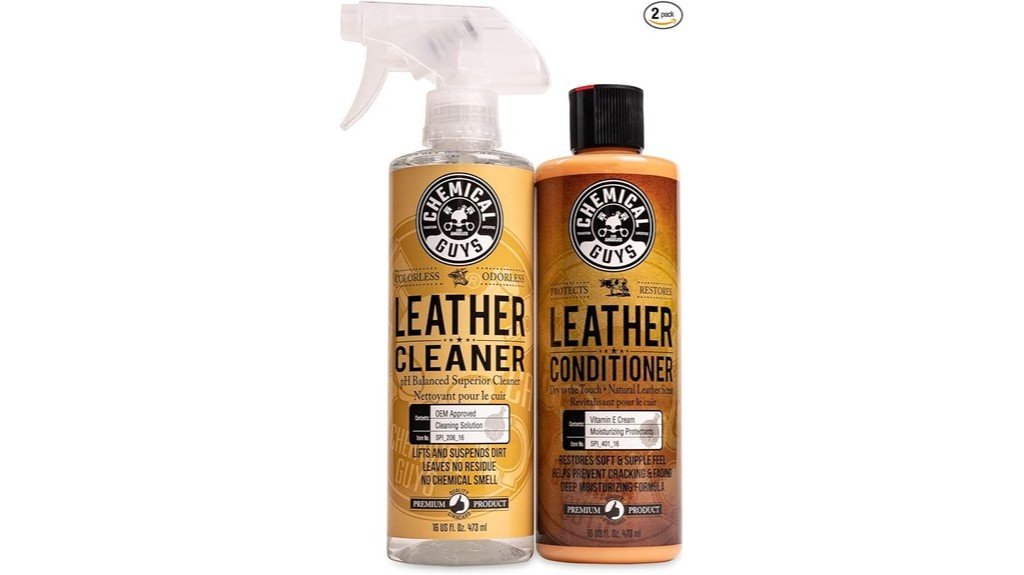
[PRODUCT] Extracted: “Chemical Guys Leather Cleaner and Conditioner Kit, SPI_109_16.”
[VERIFY-PASS] Confirmed the product identity, two 16 fl oz bottles, pH-balanced cleaner, Vitamin E conditioner, and intended leather compatibility using manufacturer and retailer information. ASIN B001TJ3HUG also matches the product.
[FLAG] Amazon’s product page could not be opened directly. Current Amazon price, seller, and availability remain unverified.
[AFFILIATE LINKS] All three original links point to the same ASIN. Preserved the exact URL, including tag=sellysell-20, in all three locations.
[DISCLOSURE] Already present. No duplicate added.
[E-E-A-T] Retained the existing byline, updated the editorial date to November 2026, and clarified that the assessment is not based on independent hands-on testing.
[SPECIFICITY] Added the verified UPC, metric bottle volumes, total quantity, package-size guidance, and more precise surface compatibility advice.
[DEPTH] Strengthened cleaning performance, conditioning, application steps, car and furniture use cases, safety, and long-term maintenance.
[READABILITY] Improved buyer-focused explanations, sentence clarity, grammar, and practical recommendations.
[CONVERSION] Preserved three orange Amazon CTAs, the 8/10 editorial assessment, and the buying recommendations.
[DESIGN] Maintained the responsive specifications table, Before You Buy warning, Pro Tip, pros/cons panels, and styled verdict.
[FAQ] Improved all eight existing questions and answers while retaining the accordion design.
[SCHEMA] Updated the existing Product/Review and FAQPage JSON-LD to match the revised article.
[FINAL CHECK] No H1, title tag, modified affiliate URL, duplicate disclosure, or duplicate FAQ. The source contained no image tags to preserve.
[SUGGESTION] Meta description (150 characters):
Chemical Guys Leather Cleaner and Conditioner Kit review: see how its two 16 oz bottles clean, condition, and where this leather care kit falls short.
The complete revised HTML is also available as a file:
Download the revised WordPress HTML
PART 2 — SINGLE AMAZON FIXED BOX
Disclosure: As an Amazon Associate, we earn from qualifying purchases. If you click a link on this page and make a purchase, we may receive a small commission at no extra cost to you.
By Editorial Team · Reviewed for accuracy · Updated November 2026
Leather seats can look shiny from body oils, while sofas, bags, and jackets pick up dirt with regular use. The Chemical Guys Leather Cleaner and Conditioner Kit (SPI_109_16) tackles those jobs with a separate cleaner and conditioner, each in a 16 fl oz bottle. You get more control than with a one-step wipe, but you need your own cloths and time to apply both products. This review explains the best uses, surface limits, and steps that help you avoid a sticky or uneven finish.
Quick Verdict
Editorial rating: 8/10, recommended with caveats (a product assessment, not a hands-on test)
Best For: Owners of compatible leather car seats, furniture, and accessories who want full-size bottles and separate cleaning and conditioning steps.
Bottom Line: The two 16 fl oz bottles let you remove surface grime before adding a light layer of conditioner. It is a practical maintenance kit, not a fix for damaged coatings or deep stains, and the process takes more time than a wipe.
Specification
Detail
Brand Chemical Guys Model SPI_109_16 UPC 816276015958 Product Type Two-step leather cleaner and conditioner kit Item Form Liquid Cleaner Formula pH-balanced leather cleaner Conditioner Detail Contains Vitamin E and is designed to replenish moisture and softness Scent Leather scent associated with the conditioner Package Quantity 2 bottles Bottle Sizes 16 fl oz (about 473 mL) cleaner and 16 fl oz (about 473 mL) conditioner Total Liquid Volume 32 fl oz (about 946 mL) combined Included Components 1 Leather Cleaner and 1 Leather Conditioner Application Tools Towels, brush, and applicator are not part of the core two-bottle package Other Offered Size The brand also lists a separate 4 fl oz starter-kit option; confirm the size in your listing Application Order Clean, wipe away residue, allow the surface to dry, condition, then buff Stated Compatibility Natural leather, durable sealed leather, and synthetic leather materials Intended Finish Soft, refreshed, and dry to the touch after proper application and buffing Best Uses Compatible car interiors, furniture, shoes, boots, bags, jackets, apparel, and leather accessories Safety Note Patch-test both liquids, check the item’s care label, avoid slick control surfaces, and keep away from children
What Is the Chemical Guys Leather Cleaner and Conditioner Kit?
The Chemical Guys SPI_109_16 is a two-bottle kit: one 16 fl oz pH-balanced Leather Cleaner and one 16 fl oz Leather Conditioner. The cleaner targets grease, body oils, and dirt on compatible natural, coated, and synthetic leather. The conditioner contains Vitamin E and is intended to leave an even, soft-feeling finish.
Unlike a combined cleaner-conditioner spray, the kit lets you clean high-contact areas first and decide where conditioning is appropriate. This matters on modern coated seats: extra conditioner may stay on the surface instead of soaking in, so light application and buffing are essential.
The format makes sense for a car interior or sofa, where you can work panel by panel. It can also suit compatible shoes, boots, jackets, and bags, but delicate dyes and special finishes need closer checks. The review below assesses product details and buyer-use considerations; it does not claim independent hands-on testing.
Key Takeaways
- The SPI_109_16 package contains one 16 oz Leather Cleaner and one 16 oz Leather Conditioner.
- The maker describes the cleaner as pH-balanced and suitable for natural, durable sealed, and synthetic leather.
- The Vitamin E conditioner aims to improve feel and limit drying, though it cannot reverse existing cracks or peeling.
- Compatibility depends on the leather finish and the item maker’s instructions, not just the word “leather” on a label.
- The core two-bottle package does not include towels, an applicator, or a brush; have clean tools ready.
- The kit is for upkeep, not ink removal guarantees, recoloring, crack filling, or upholstery repair.
Who Should Buy It?
Best For
- Car owners cleaning coated leather seats and compatible door or armrest panels.
- Homeowners working on a sofa or chairs with approved leather care instructions.
- People who want to adjust cleaning and conditioning amounts separately.
Skip If
- You only need a quick wipe for occasional light dust or spills.
- Your item has suede, nubuck, unfinished, aniline, vintage, or specialty finishes without clear care approval.
- You need stain restoration, new color, or repairs to cracked or peeling material.
Before You Buy: Confirm the exact finish and package size. Car seats and sofas may mix coated leather, synthetic material, vinyl, fabric, and plastic. The brand also sells other kit sizes and bundles, so check that your offer includes two 16 fl oz bottles. Patch-test each product and avoid suede, nubuck, unfinished leather, and damaged coatings unless the item maker approves treatment.
Cleaning Performance
The pH-balanced Leather Cleaner targets the oil and grime that make car seat bolsters, armrests, and sofa headrests look shiny. Chemical Guys lists dirt, grease, body oils, and embedded grime among its main cleaning targets. It may improve light surface marks, but stain removal depends on the finish and how long the stain has set.
Vacuum seams and remove loose grit first. This keeps dirt from rubbing against the leather while you clean. Work on a small panel so you can wipe off loosened residue before it dries back onto the surface.
Use a soft microfiber cloth on smooth or fragile finishes. A leather-safe soft brush may help on durable textured areas, but avoid hard pressure, especially near worn dye or stitching. Stop if your test area changes color, sheen, or texture.
Ink, dark dye transfer, and deep discoloration may not lift with a routine cleaner. Do not scrub repeatedly to chase a stubborn mark. A leather specialist is a safer next step for valuable items or deep stains.
Conditioning, Softness, and Finish
The separate conditioner includes Vitamin E. Chemical Guys says it helps maintain a soft feel and resist drying and fading. Treat these as care benefits, not a promise to restore old cracks or lost color. On sealed leather, some conditioner can remain on the coating.
Apply a thin layer with a clean applicator. Too much product can leave coated leather glossy, tacky, or slick. Work one panel at a time, then check the finish before adding any more.
Follow the conditioner label for any wait time, then buff with a separate dry microfiber cloth. A well-finished panel should feel dry to the touch. If the seat feels slippery, remove the residue before sitting on it or driving.
The conditioner has a leather-style scent. You may like the freshly detailed smell, but it can be noticeable in a closed car or room. Ventilate the area during and after use.
Compatibility and Surface Safety
Chemical Guys lists natural leather, durable sealed leather, and synthetic leather as intended surfaces. That covers many car seats and home items, but it does not mean every dye, coating, or mixed-material panel will react the same way.
Modern car seats often use protective topcoats. A handbag, antique chair, or leather jacket may be more porous or use decorative dyes. Compare the item’s care label with the cleaner and conditioner instructions, and test each bottle separately.
Avoid suede, nubuck, unfinished or aniline leather, and fragile specialty finishes unless the item maker specifically allows these products. If you are unsure about an expensive or older piece, ask a leather-care professional.
For perforated seats, apply a small amount to your cloth rather than soaking the surface. Keep liquid out of seams, heating and ventilation openings, airbag seams, seat switches, and nearby electronics.
Safety Note: Do not apply conditioner to steering wheels, pedals, gear selectors, or other grip and control surfaces unless the vehicle maker explicitly approves it. Any leftover slick film can reduce grip. Keep products away from children and follow both bottle labels.
How to Apply the Kit
1. Identify and Test the Surface
Check the item maker’s instructions, then patch-test the cleaner and conditioner separately. Wait until both test areas are dry and inspect for changes in color, feel, or shine.
2. Remove Loose Dirt
Use a soft vacuum attachment along seams and folds, then wipe away dry dust. Be gentle near perforations and worn stitching.
3. Clean a Small Section
Put cleaner on a microfiber cloth or leather-safe brush rather than pouring it into holes or seams. Gently work one small area. Follow the bottle’s dwell-time guidance before wiping.
4. Wipe and Let the Surface Dry
Wipe up loosened dirt with a fresh towel. If the towel still picks up grime, repeat gently instead of scrubbing harder. Let the surface dry fully.
5. Apply a Thin Conditioner Layer
Apply a small amount to a clean pad or cloth. Spread a light coat over a compatible panel, keeping it out of stitching, openings, and glued edges.
6. Buff Away Excess Product
After any label-specified wait, buff with a dry towel. Check for shiny patches or slick spots in good light. Do not use a seat or other contact surface until it feels dry.
Pro Tip: Use three separate clean cloths: one to clean, one to apply conditioner, and one to buff. A light-colored cleaning cloth makes lifted grime easier to see. Keep used cloths away from your clean applicator.
Common Mistakes to Avoid
- Skipping the material check: Verify the leather type and read the item’s care instructions before applying either product.
- Ignoring the spot test: Test a hidden area and wait for it to dry so you can check for color, texture, or sheen changes.
- Applying liquid directly to delicate areas: Put the product on a cloth or applicator to control moisture around seams and perforations.
- Scrubbing too hard: Aggressive brushing can wear an older coating or spread a damaged area.
- Conditioning before the surface dries: Trapped cleaner or moisture can produce an uneven result.
- Using too much conditioner: A heavy application can leave coated leather slick, shiny, or difficult to buff.
- Using one cloth for every stage: Separate your cleaning, conditioning, and buffing towels.
- Expecting repair results: Conditioner cannot restore missing dye, bond peeling material, fill cracks, or repair tears.
How It Performs in Real Use
For Car Seats and Interior Trim
For a daily driver, focus the cleaner on high-contact seat bolsters and armrests. Check whether the center panels and side panels share the same finish before conditioning them. A thin layer is especially important on coated seats.
Keep liquids away from perforations, heated or ventilated seat openings, switches, and airbag seams. Buff fully and wait until the seat is dry before driving.
For Leather Sofas and Chairs
With 16 fl oz per bottle, you can work through a sofa panel by panel. Start with oily armrests and headrests, then check the cleaned finish before using conditioner on other approved leather sections.
Some sofas mix real leather contact areas with synthetic sides or backs. Identify each material and avoid letting product soak into seams, piping, or fabric sections.
For Boots, Shoes, Bags, and Jackets
Boots, bags, and jackets need less product than a sofa. Work on a hidden patch first, then use a small cloth to avoid zippers, painted edges, decals, fabric linings, and glued details.
Light colors and fashion finishes can show changes in tone or shine. Skip treatment if the test patch darkens or the finish changes.
For Routine Long-Term Maintenance
For regular upkeep, remove dust often and use the cleaner when oils or visible soil build up. Condition only when the item maker and product instructions support it; repeated heavy coats can build residue on coated surfaces.
There is no single schedule for every seat, sofa, or jacket. Sun exposure, frequency of use, and the finish all affect cleaning needs. Store the bottles closed and follow their label storage directions.
Pros and Cons
Pros
- One 16 fl oz cleaner and one 16 fl oz conditioner support a controlled two-stage process.
- pH-balanced cleaner is marketed for compatible natural, sealed, and synthetic leather.
- Cleaning stage targets high-contact grime before you add conditioner.
- Vitamin E conditioner aims for a soft, dry-to-the-touch finish.
- Useful bottle size for car interiors and sofas, not just small leather goods.
Cons
- Cleaning, drying, conditioning, and buffing take more time than wipes.
- You must supply microfiber towels and any brush or applicator.
- Overuse can leave residue or a slick feel on coated seats.
- Not suitable for suede, nubuck, deep stain repair, peeling coatings, or lost color.
Customer Reviews and Feedback
On Chemical Guys’ leather kit product page, buyer comments describe dirt coming off older seats and a softer feel after conditioning. These are customer experiences, not results from an independent test of every leather type.
Feedback also varies. Some comments mention packaging problems or a stronger scent than expected, while the finish can look shiny if too much conditioner remains. Product page comments may cover different kit sizes, so check the exact offer.
Take buyer reports as context rather than a guarantee. Your leather’s finish, application method, and how well you buff off excess will shape the result.
Is It Worth the Price?
Value comes from getting two 16 fl oz bottles, 32 fl oz total, in one package. You pay for a separate cleaning and conditioning routine rather than a fast all-in-one treatment. The exact value depends on the current price and how often you will use both stages.
It makes the most sense if you care for a car interior, sofa, or several compatible items. The full-size bottles are less compelling if you only need to clean one small handbag a few times a year.
Remember to budget for clean towels and a suitable applicator, which are not part of the basic pair. If speed matters most, a one-step spray or wipe may be a better purchase.
How It Compares to Alternatives
Weiman 3-in-1 leather care combines tasks into one step, while Armor All leather wipes suit quick touch-ups or small spaces. Either can be faster than the two-bottle Chemical Guys routine, but you lose some control over the cleaning and conditioning stages.
Leather Honey sells separate leather-care products for buyers who want to build their own routine. Choose Chemical Guys SPI_109_16 when you prefer a matched cleaner and conditioner in one two-bottle package.
Frequently Asked Questions
Is Chemical Guys Leather Cleaner safe for colored leather?
The maker describes the cleaner as pH-balanced for compatible natural, sealed, and synthetic leather. Colored coatings still vary, so test a hidden area, allow it to dry, and check for dye loss or a sheen change.
Can you use this kit on synthetic or faux leather?
Chemical Guys lists synthetic and durable sealed leather among the intended surfaces. Still, check your item’s care label. Synthetic panels may not absorb conditioner like porous leather, so use a thin layer and buff off excess.
Can it be used on suede, nubuck, or unfinished leather?
Do not use it on suede, nubuck, unfinished or aniline leather unless the item maker specifically approves it. Those finishes can stain or darken. Ask a leather-care specialist before treating valuable items.
How often should you clean and condition leather?
Follow the bottle label and the item maker’s guidance, not a fixed calendar rule. Clean when oils or soil build up and condition only as needed for the finish and conditions.
Can the cleaner remove deep stains, ink, or dye transfer?
The cleaner targets oil, dirt, and light marks. Ink, old dye transfer, and deep stains may remain. Avoid hard scrubbing and ask a specialist about valuable or badly stained items.
Does the conditioner leave leather greasy or slippery?
The maker describes a dry-to-the-touch finish. If a coated seat feels slick, you may have applied too much or left excess product behind. Buff it off and avoid driving until the surface is dry and grippy.
Does the SPI_109_16 kit include towels, an applicator, or a brush?
The core SPI_109_16 pack has one 16 fl oz cleaner and one 16 fl oz conditioner. You need your own microfiber cloths, applicator, and any soft brush. Check the listing because the brand also sells other kit sizes and bundles.
Can you use it on perforated leather car seats?
Only use it if both the vehicle and product instructions permit it. Apply small amounts to a cloth instead of spraying into holes. Keep moisture away from heat and vent channels, airbag seams, and electronics.
The Bottom Line
The Chemical Guys SPI_109_16 earns its 8/10 editorial assessment as a practical two-step option for compatible car seats, sofas, and leather accessories. Its pH-balanced cleaner and Vitamin E conditioner give you control over each stage.
Skip it for suede, delicate finishes, urgent touch-ups, or leather that needs repair. You will also need your own cloths and enough time to buff off any residue.
Ready to Buy?
Check the seller, two-bottle 16 fl oz size, current price, and care instructions before you decide.