Disclosure: As an Amazon Associate, we earn from qualifying purchases. If you click a link on this page and make a purchase, we may receive a small commission at no extra cost to you.
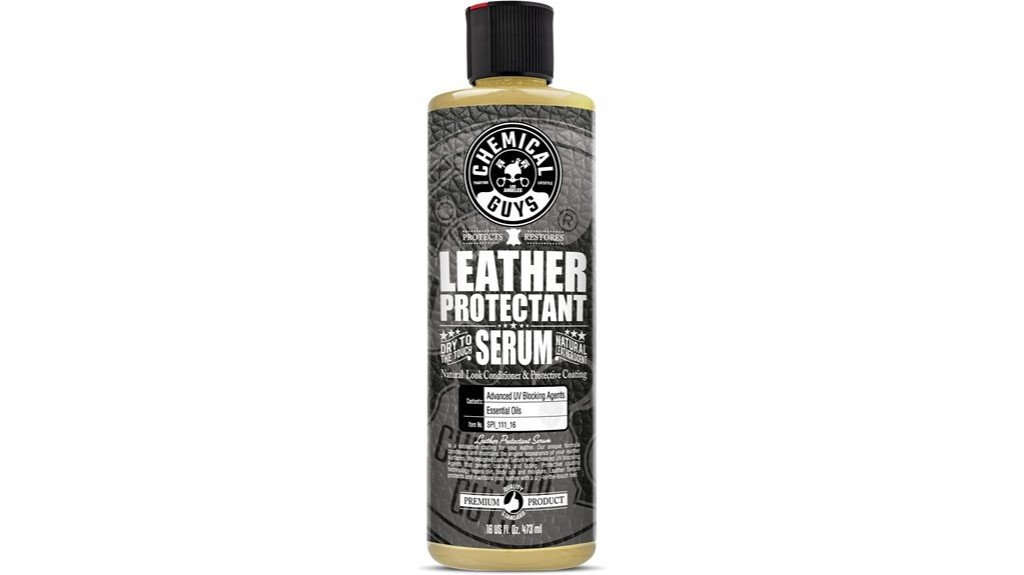
Leather seats, trim, jackets, bags, and furniture need more than occasional wiping if you want to limit fading and surface wear. Chemical Guys SPI_111_16 Leather Protectant is a 16 fl oz finishing product designed for clean, smooth leather and leather-like materials. Its main strengths are a low-gloss, dry-to-the-touch finish and UV-focused protection, but it cannot replace a cleaner, conditioner, or repair treatment. This review explains where it fits in your care routine, which surfaces to avoid, and how to apply it without leaving excess residue.
Quick Verdict
Rating: 8/10, recommended with caveats
Best For: Clean, smooth finished leather, synthetic leather, pleather, and faux leather that need a low-gloss protective layer.
Bottom Line: This protectant is a practical final step when you want UV defense without a greasy shine. You should skip it for suede, nubuck, dirty upholstery, peeling surfaces, or leather that needs restoration.
Key Takeaways
- This is a protectant and finishing step, not a cleaner or leather repair product.
- Its buyer appeal is a low-gloss, dry-to-the-touch finish with UV-focused protection.
- It suits smooth finished leather and several leather-like materials, but you should always patch test first.
- Apply a thin layer to an applicator, work one panel at a time, and buff away excess product.
- Avoid suede, nubuck, heavily soiled leather, sticky surfaces, peeling coatings, and damaged upholstery.
Key Specifications
| Specification | Detail |
|---|---|
| Brand | Chemical Guys |
| Model | SPI_111_16 |
| Product Type | Leather protectant serum |
| Bottle Size | 16 fl oz |
| Finish | Low-gloss and dry to the touch when applied sparingly and buffed |
| Primary Purpose | Adds a protective layer after cleaning, with an emphasis on UV exposure, fading, and light staining |
| Compatible Surfaces | Smooth finished leather, synthetic leather, pleather, and faux leather |
| Common Uses | Vehicle seats and trim, finished leather furniture, jackets, and bags |
| Not Recommended For | Suede, nubuck, heavily soiled leather, sticky surfaces, peeling coatings, or damaged leather |
| Stated Protection Window | 12–16 months on low-traffic leather; actual timing depends on use, sunlight, cleaning, and friction |
| Application Note | Clean and dry the surface, patch test, apply a thin layer with a pad, then buff away excess |
What Is the Chemical Guys SPI_111_16 Leather Protectant?
Chemical Guys SPI_111_16 is a surface protectant used after leather has been cleaned and allowed to dry. It is intended to leave a thin barrier on smooth finished leather and compatible leather-like materials rather than soak the surface with a heavy conditioning layer.
The 16 fl oz bottle suits buyers who maintain more than one seat, panel, accessory, or furniture item. Its main selling point is the combination of UV-focused protection and a natural-looking finish that should feel dry after you buff it.
This product does not remove body oil, dirt, dye transfer, sticky residue, or embedded grime. It also cannot repair cracks, peeling coatings, or worn color, so you need to complete those steps before adding protection.
Who Should Buy It?
Best For
- Car owners maintaining clean finished leather or leather-like seats and trim.
- Buyers who prefer a low-gloss finish instead of an oily or highly shiny surface.
- People who want one protectant for compatible vehicle, furniture, jacket, and bag surfaces.
Skip If
- Your surface still has heavy grime, body oil, dye transfer, or sticky residue.
- Your item is suede, nubuck, unfinished leather, or another open-texture material.
- You need deep conditioning, color restoration, crack repair, or help with peeling upholstery.
Why Choose a Dedicated Leather Protectant?
A dedicated protectant has a different job from a cleaner or conditioner. The cleaner removes contamination, while the protectant forms the final maintenance layer. That separation gives you more control over cleaning strength, finish, and application amount.
SPI_111_16 makes the most sense when the surface already looks clean and feels stable. Its low-gloss finish is useful on vehicle seats, armrests, furniture, jackets, and bags because those areas can feel unpleasant when a product leaves too much oil or residue.
Before You Buy: Check the care label or vehicle manual before treating delicate leather. This protectant is not suitable for suede, nubuck, peeling coatings, or surfaces that still need cleaning or repair.
Key Features and Benefits
UV-Focused Surface Protection
Sunlight can fade color and dry exposed interior surfaces over time. This protectant is positioned as a preventive layer for seats, trim, furniture, and accessories that already have a sound finish. It cannot reverse existing damage, but it can support a regular care routine.
Dry-to-the-Touch, Low-Gloss Finish
The finish is the clearest practical advantage. When you apply a thin coat and buff it well, the surface should look more natural than it would with a heavy, glossy conditioner. That matters most on seats and frequently handled items where slick residue is distracting.
Compatibility With Leather-Like Materials
The supplied product information supports use on smooth finished leather, synthetic leather, pleather, and faux leather. Mixed vehicle interiors often contain more than one of these materials, so broad compatibility can reduce the number of products you need. A hidden patch test remains essential because age, dye, previous treatments, and factory coatings can change the result.
Long Maintenance Claim for Low-Traffic Areas
The stated protection window is 12–16 months on low-traffic leather. Treat that as a best-case interval rather than a fixed schedule. Driver-side bolsters, seat edges, armrests, and other high-friction areas may need inspection and reapplication sooner.
Fit and Compatibility
This product fits best into a routine for smooth, coated, or finished surfaces. Vehicle seats, leather-like trim, furniture, jackets, and bags can be suitable when the material is clean, dry, and compatible with liquid protectants.
Do not assume every material described as leather will react the same way. Suede and nubuck have a raised nap, while unfinished and open-pore leathers can darken or absorb products unevenly. When the material type is unclear, check the care instructions or ask the manufacturer before applying anything.
Pro Tip: Test a hidden area and let it dry fully before treating the visible surface. Stop if the color darkens unevenly, the texture changes, or the area remains sticky after buffing.
Materials and Finish
The protectant is intended for the finished surface layer rather than the leather structure underneath. That distinction matters because many automotive seats combine coated leather on contact areas with synthetic material on the sides and back.
A low-gloss finish helps preserve the original appearance of seats and furniture. Use less product than you think you need, since a thin and even coat is easier to buff and less likely to collect in seams, stitching, or perforations.
How to Use It Correctly
Good preparation has more impact than a heavy application. Work in a ventilated area, follow the product label, and make sure the surface is cool, clean, and dry before you begin.
| Step | What to Do | Why It Matters |
|---|---|---|
| 1. Inspect | Confirm the material is smooth and compatible | Prevents use on suede, nubuck, or damaged coatings |
| 2. Clean | Remove loose dirt and clean the surface with a suitable leather cleaner | Keeps grime from being trapped below the protectant |
| 3. Patch Test | Apply a small amount to a hidden area and let it dry | Checks for darkening, texture change, or stickiness |
| 4. Apply | Put a small amount on a microfiber or foam applicator and spread a thin layer | Gives you better control around seams and perforations |
| 5. Buff | Use a clean, soft microfiber towel to remove excess product | Helps create an even, dry-to-the-touch finish |
Apply the product to an applicator rather than spraying or pouring it across an entire seat. Work one panel at a time, use light pressure, and keep excess liquid away from stitching, perforations, and panel gaps.
Let the treated surface dry and buff it until it no longer feels wet or tacky. Do not sit on, wear, or handle the item until the finish is fully dry.
Common Mistakes to Avoid
- Using it as a cleaner: Protectant should be the final step after grime and body oil have been removed.
- Applying too much: Heavy layers can dry unevenly and collect around seams or perforations.
- Skipping the patch test: Older dyes, previous conditioners, and aftermarket coatings can react differently.
- Treating damaged upholstery: A protectant cannot bond loose material, recolor worn areas, or repair cracks.
- Ignoring high-wear zones: Driver bolsters and seat edges may need attention sooner than low-traffic panels.
How It Performs in Real Use
Daily Driver Car Seats
The dry finish is useful on seats because it reduces the chance of an oily feel after application. The driver-side bolster, entry edge, armrest, and seat base receive the most friction, so inspect those areas more often than passenger panels.
Low-Traffic Passenger and Rear Seats
Low-use seats are the most realistic match for the longer stated protection interval. A light coat can help maintain an even appearance without adding a wet shine, provided the surface is cleaned first.
Furniture, Jackets, and Bags
On compatible finished furniture and accessories, the low-gloss finish helps preserve a natural look. Use a small amount, buff carefully near seams and folds, and allow the item to dry before it touches clothing or skin.
Long-Term Maintenance
Do not reapply only because a calendar date arrives. Inspect the surface for fading, dryness, uneven absorption, or high-friction wear. Spot clean when needed, then add another thin coat when the finish no longer appears or feels evenly protected.
Compatibility and Safety
Follow the product label and the care instructions for the item you are treating. Keep the product away from eyes and avoid using it on steering wheels, pedals, shift controls, or any area where added residue could affect grip.
On perforated seats, apply a very small amount to the pad and keep liquid out of the holes. For stitched edges, piping, and deep seams, use controlled passes instead of flooding the area.
Let treated surfaces dry fully before children, pets, or sensitive users touch them. The article does not support calling the product fragrance-free or hypoallergenic, so use ventilation and stop if the odor or finish causes concern.
Pros and Cons
Pros
- Low-gloss finish is better suited to seats and frequently handled surfaces than a heavy oily shine.
- UV-focused protection supports preventive care for exposed vehicle interiors and furniture.
- Compatible with several smooth finished leather and leather-like materials.
- The 16 fl oz bottle can cover multiple panels or items when you apply thin coats.
- Simple clean, test, apply, and buff process fits a regular maintenance routine.
Cons
- It does not clean heavy grime, condition very dry leather, or repair damaged upholstery.
- It is not suitable for suede, nubuck, peeling coatings, or every unfinished leather type.
- Correct prep, a patch test, thin application, and complete buffing are required for an even finish.
Is It Worth the Price?
This protectant offers strong value for the price when you already own a suitable cleaner and want a separate finishing step. The 16 fl oz bottle is practical for maintaining several vehicle panels or more than one compatible item.
You get the most value if your priority is UV-focused protection and a dry, low-gloss appearance. It is a weaker buy when your leather needs deep conditioning, stain removal, recoloring, or physical repair because you will need additional products or professional work.
How It Compares to Alternatives
Compared with a cleaner-and-conditioner combination, SPI_111_16 gives you a separate protective step and a lighter finish. A combination product may be faster for routine upkeep, but it gives you less control over cleaning strength and final sheen.
Compared with richer leather conditioners, this protectant is better for buyers who dislike oily residue. A conditioner may suit dry leather that needs more softness, while this product makes more sense for a clean surface that mainly needs a protective top layer.
Frequently Asked Questions
Is this a leather cleaner or conditioner?
No. It is a protectant used after the surface has been cleaned and dried. Very dry, stained, cracked, or damaged leather may need a separate conditioner, cleaner, repair product, or professional service.
Is it safe for suede or nubuck?
No. Suede and nubuck need products designed for their raised nap and open texture. A liquid protectant made for smooth surfaces can darken, flatten, or stain those materials.
Can you use it on perforated leather seats?
You can use it carefully on a compatible finished surface. Apply a very small amount to the applicator, work lightly, and avoid pushing liquid into the perforations, seams, or stitching.
Will it make car seats slippery?
It is intended to leave a dry-to-the-touch finish, but application quality matters. Use a thin coat and buff fully before sitting on the seat. Never apply it to steering wheels, pedals, or controls where grip is essential.
Can it go over an old conditioner?
Only when the old treatment has not left an oily or sticky layer. Clean away residue, let the surface dry, and patch test before applying the protectant across a larger area.
How much product should you apply?
Use enough to create a thin, even film on one small panel at a time. Apply it to a pad instead of pouring it on the surface, then buff away any excess according to the product label.
How often should you reapply it?
The stated protection window is 12–16 months for low-traffic leather, but real timing varies. Inspect high-friction areas such as driver bolsters and armrests more often, then reapply when the surface no longer looks or feels evenly protected.
Who should skip this protectant?
Skip it when the material is suede, nubuck, unfinished, heavily stained, sticky, peeling, or cracked. You should also choose another product when your main goal is cleaning, deep conditioning, recoloring, or repair.
The Bottom Line
Chemical Guys SPI_111_16 Leather Protectant is a smart buy for clean, compatible leather and leather-like surfaces when you want UV-focused protection with a dry, low-gloss finish. Skip it if the surface needs cleaning, conditioning, restoration, or a suede-safe treatment. Its main strength is preventive protection, while its main limitation is the need for correct surface identification, preparation, and application.