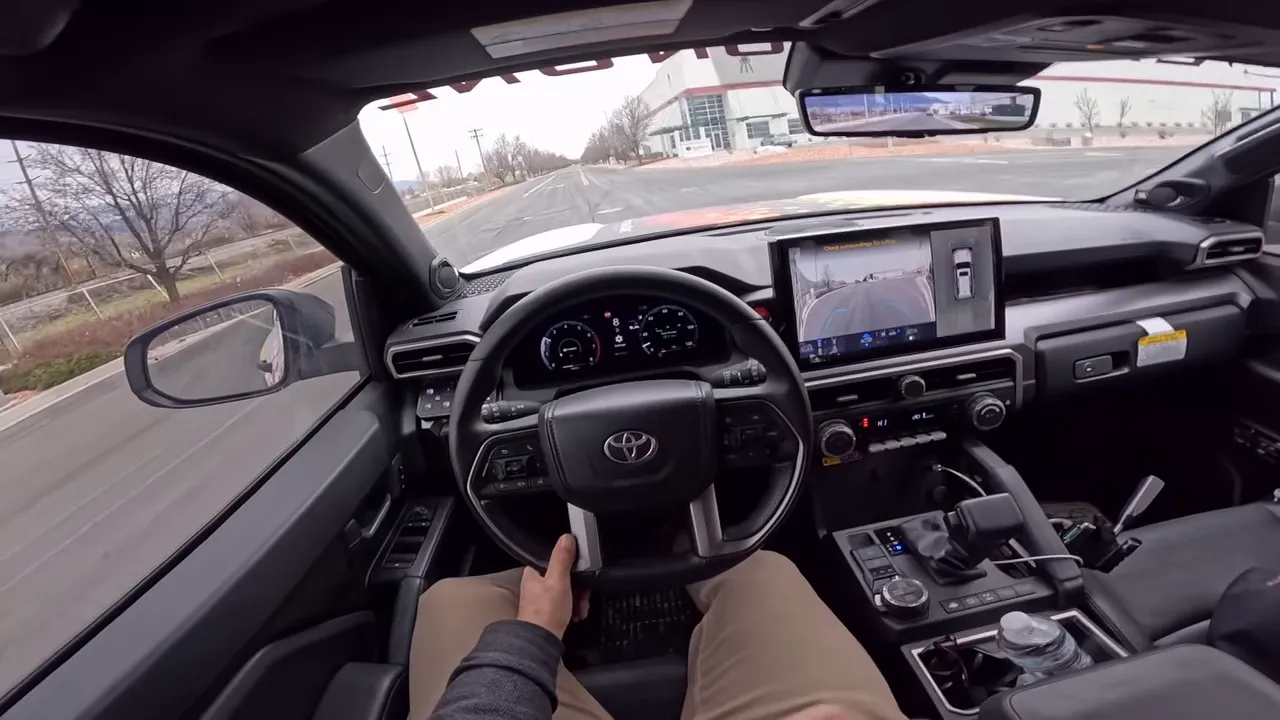
🚙 Why the Expedition One 4Runner is worth a hard look
The Expedition One conversion turns a Toyota 4Runner from a capable daily into a bona fide expedition vehicle without sacrificing factory tech or reliability. This build focuses on durability, practicality, and real-world off-road performance rather than flashy visuals. If you’re choosing between trimmed factory variants and a properly engineered aftermarket build, this is the kind of approach that will keep you farther out on the trail and sleeping warmer at night.
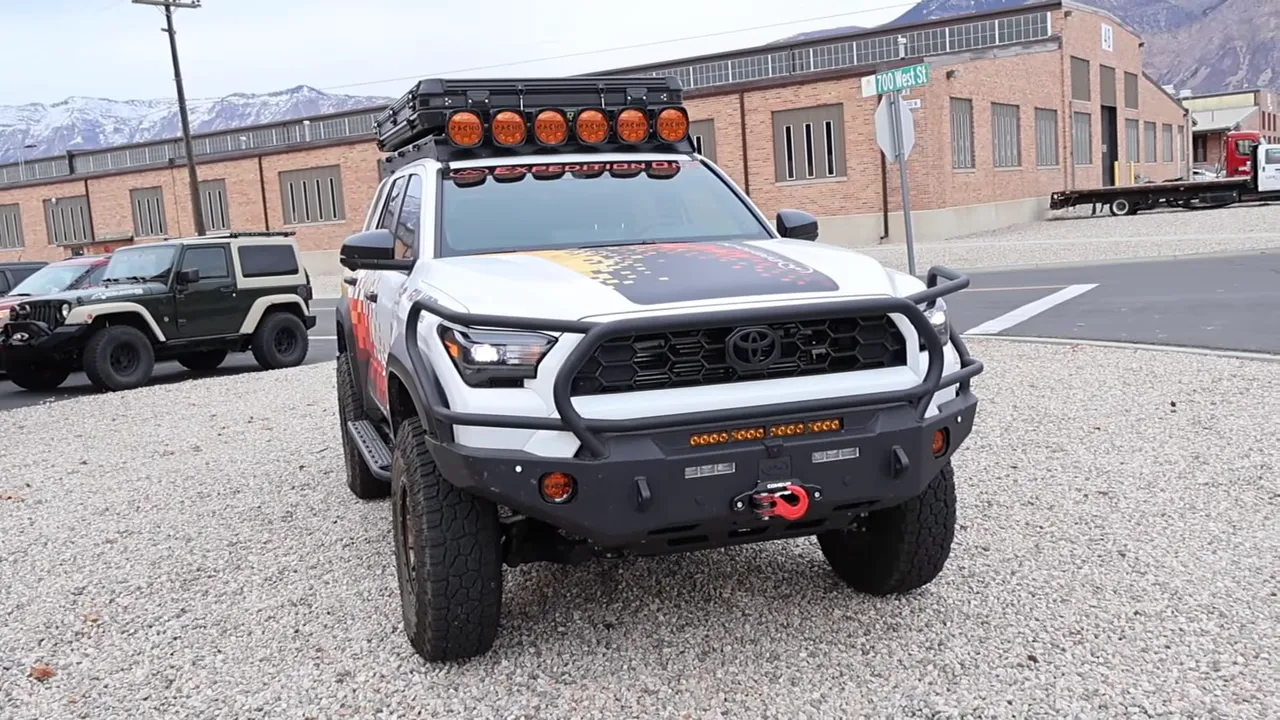
🛡️ Exterior upgrades that actually matter
The first thing you notice is the Expedition One steel bumper with an integrated brush guard. It keeps the parking sensors and camera system functional and adds a winch without looking tacked-on. Compared with many aftermarket bumpers that require heavy modifications to sensors and cameras, this one retains the electronics while improving the approach angle and durability.
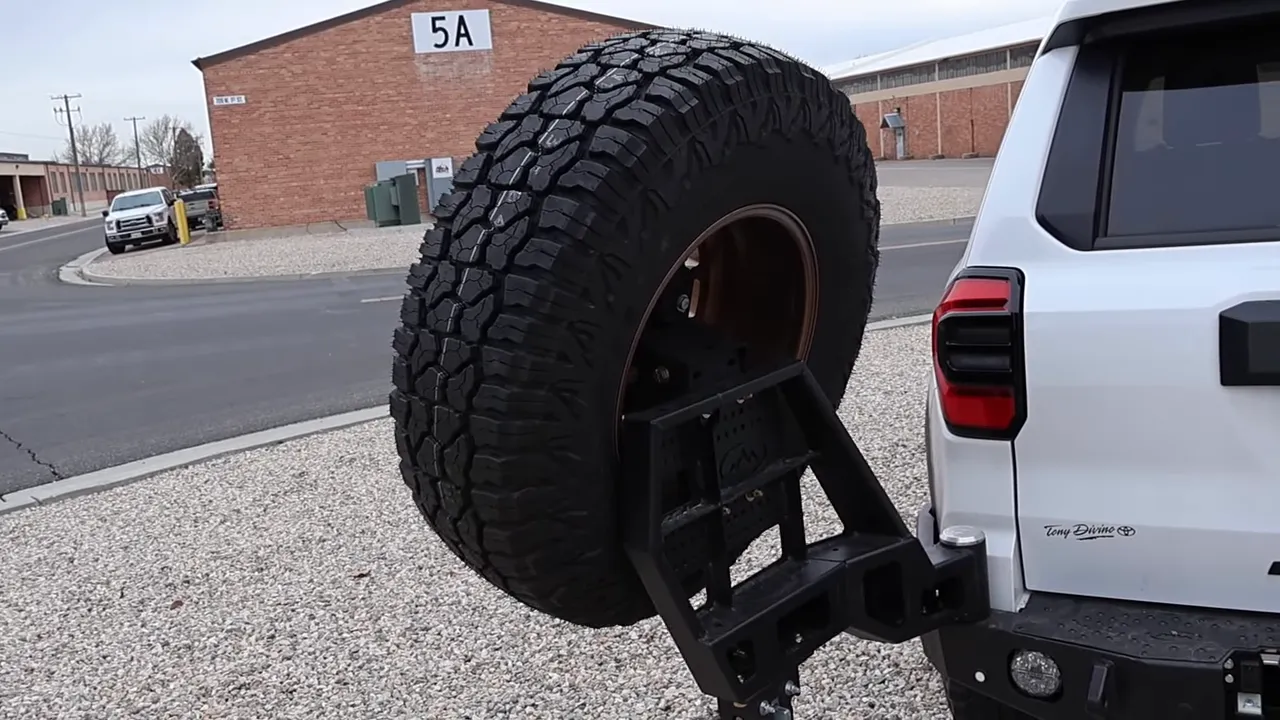
The rear bumper mirrors that same philosophy: lights, sensors, and a functional step integrated into a robust unit that can handle daily use and real off-road abuse. The spare mounted to the rear along with the tire carrier is tidy and purposeful — not just for show.
🛞 Tires, lift, and suspension: why narrow 35s are the sweet spot
This build rolls on 35-inch tires mounted to 17-inch wheels, but they are intentionally narrow. Narrow 35s are lighter and show better fitment with 4Runner suspension geometry. That means fewer trimming headaches and better part compatibility with aftermarket steering and skid options.
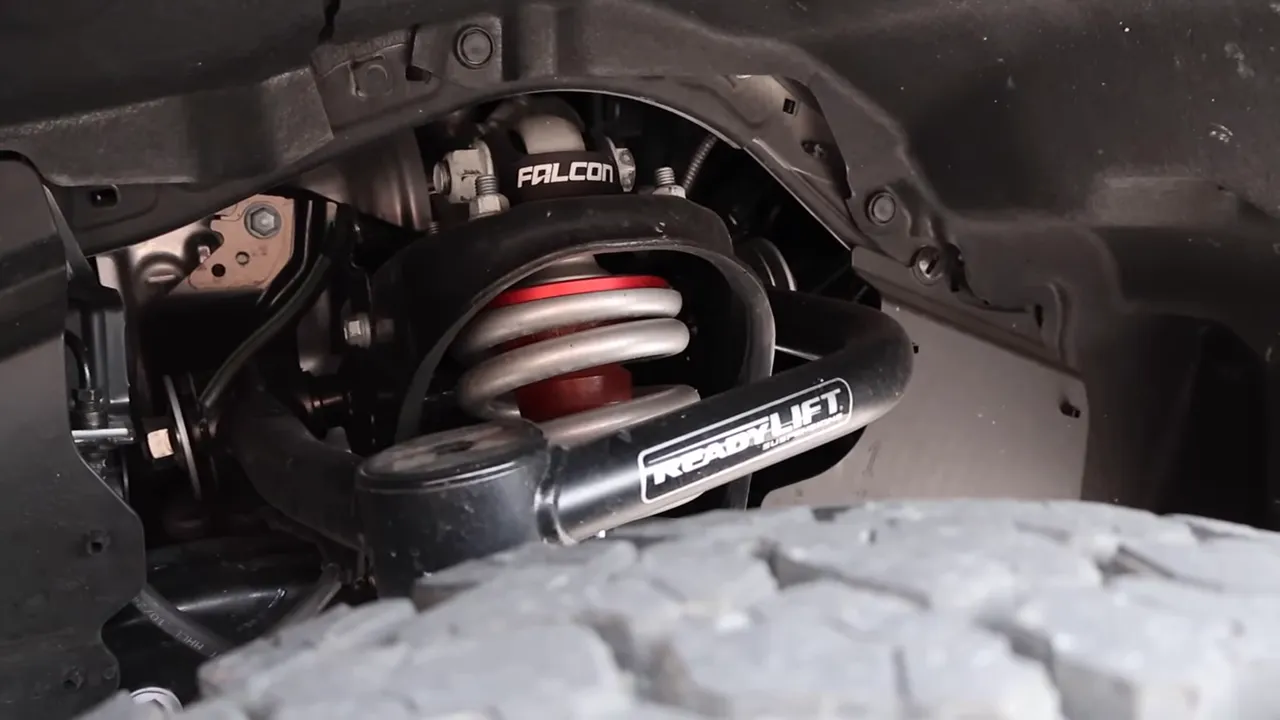
The lift is about three and a half inches and uses Falcon adjustable shocks. Because of the extensive underside work and factory packages, a full frame mount isn’t always practical, so this build uses a body mount approach with step sliders. For most owners who aren’t running extreme lift and wheel travel, a well-engineered body mount system paired with good shocks is more than adequate.
🏕️ Rooftop gear and real-world usability
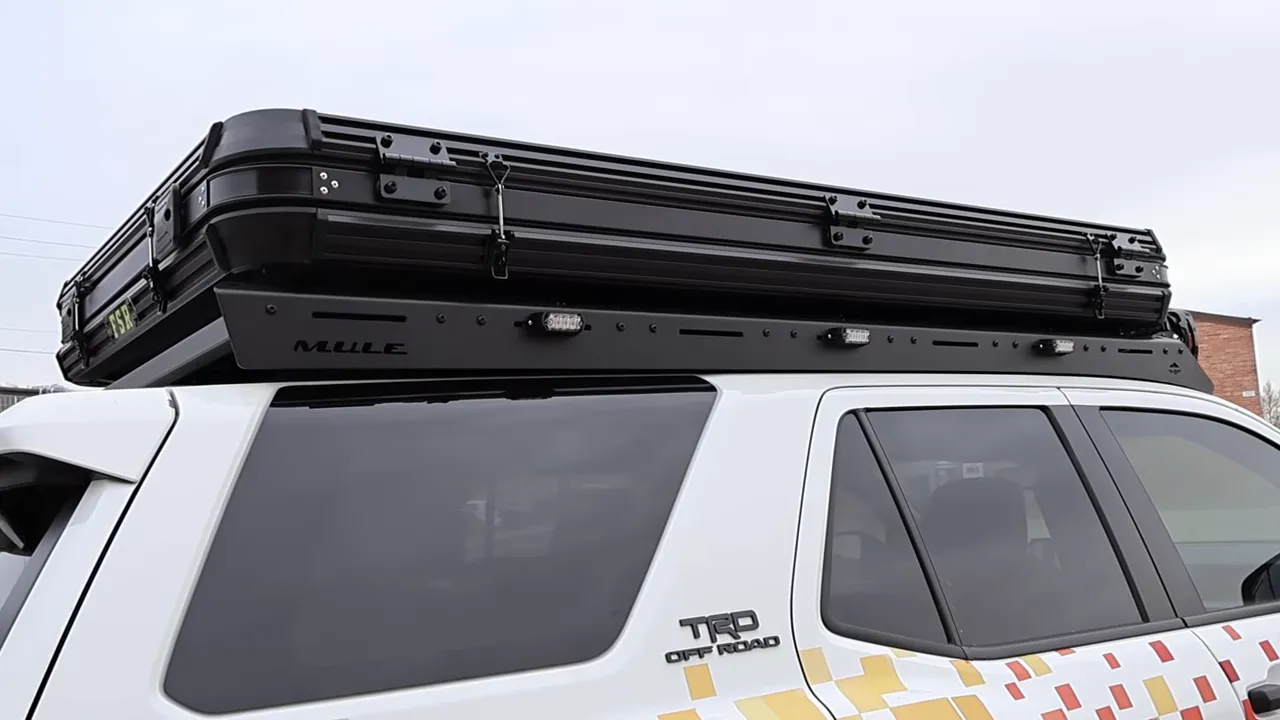
A rooftop tent and rack are part of the expedition kit, but they were mounted without drilling —the rack ties into factory mounting points after removing the OEM rails. That preserves structural integrity while providing the convenience of quick on/off installation.
One important note: adding a tent, rack, and gear up top changes the vehicle’s center of gravity. Expect different handling characteristics around corners and at highway speeds. If you prioritize camping gear up top regularly, choose suspension and tires that compensate for that added weight. If not, you can keep the weight low with bumpers and undercarriage protection and retain most of the original on-road dynamics.
🔌 Cameras, sensors, and electronics — done right
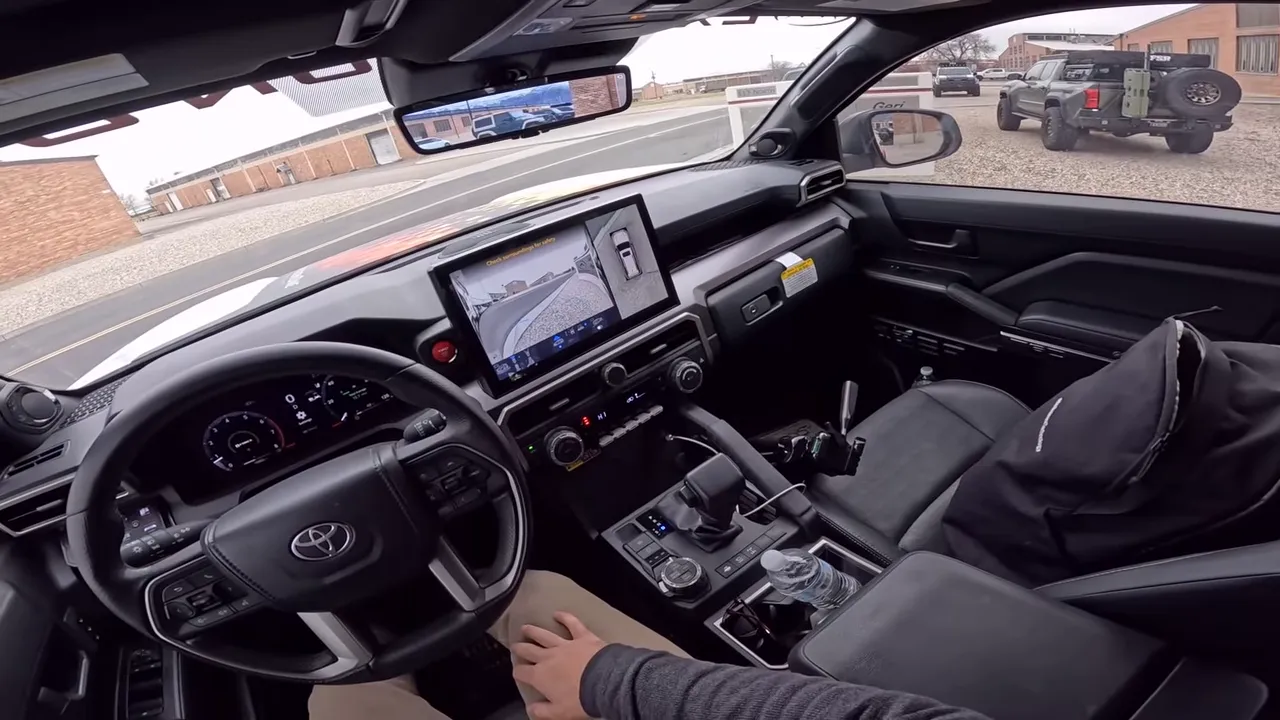
Expedition One retains and relocates the factory camera and sensors so that features like the 360-degree camera and camera rearview mirror still function. This is a huge quality-of-life win. Many bumper swaps result in lost sensors or compromised camera views; keeping the electronics end-to-end makes the build friendlier for daily driving and parking as well as off-road navigation.
⚙️ What the drivetrain and off-road systems look like
The Generation 400 platform is still a part-time 4WD setup with a two-speed transfer case. It includes multi-terrain select, crawl control, and a rear locking differential. That’s plenty for serious overlanding and trail work, and it matches the Expedition One philosophy of substantive, useable upgrades.
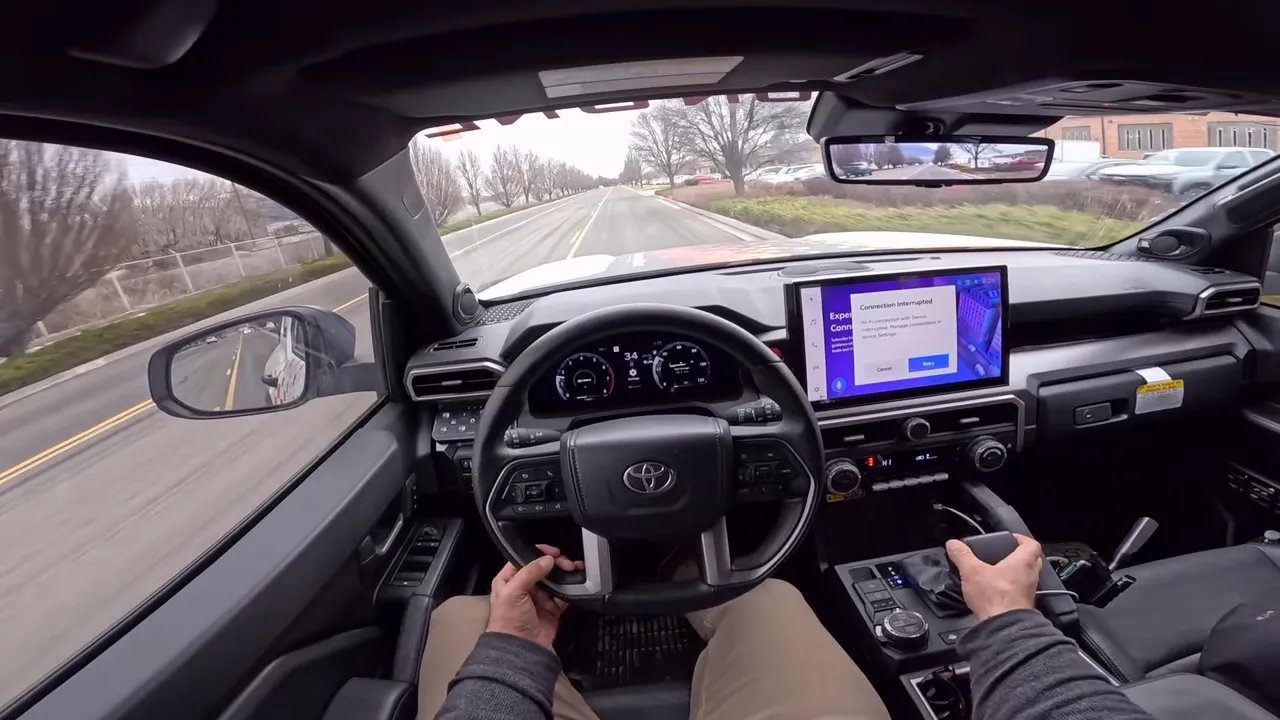
This particular build is the non-hybrid four-cylinder variant. It’s the least torquey option in Toyota’s lineup for this chassis, but the newer powertrain tuning is oriented toward torque delivery at low RPM. That means you can drive it like a diesel — use partial throttle, keep RPMs low, and let the torque carry you. It’s a smooth, predictable character well suited for loaded driving.
🏁 Driving impressions: how it behaves on-road and off
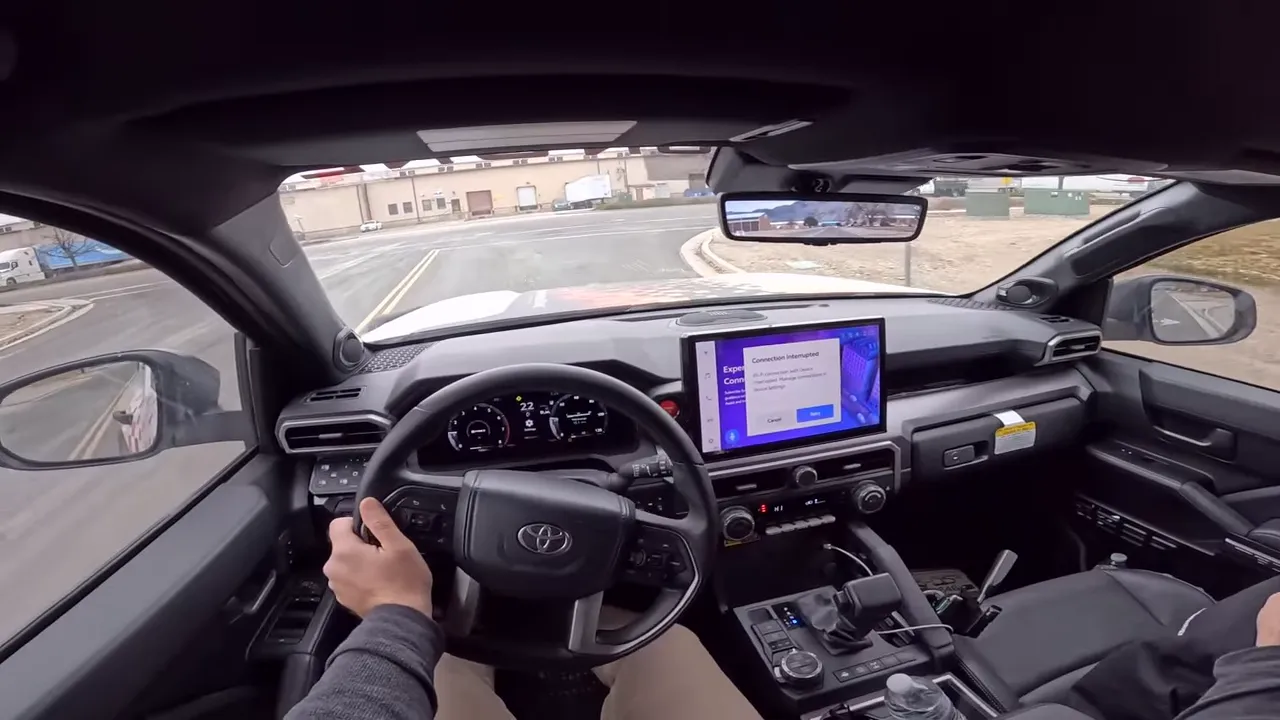
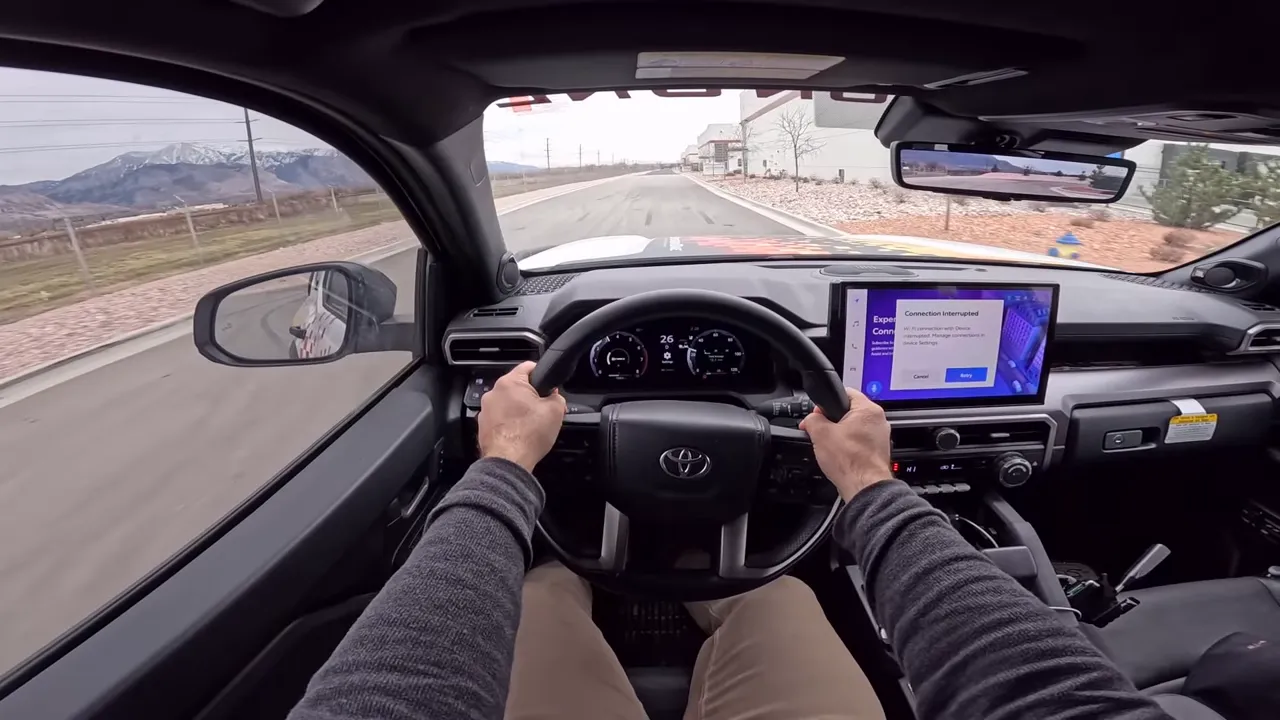
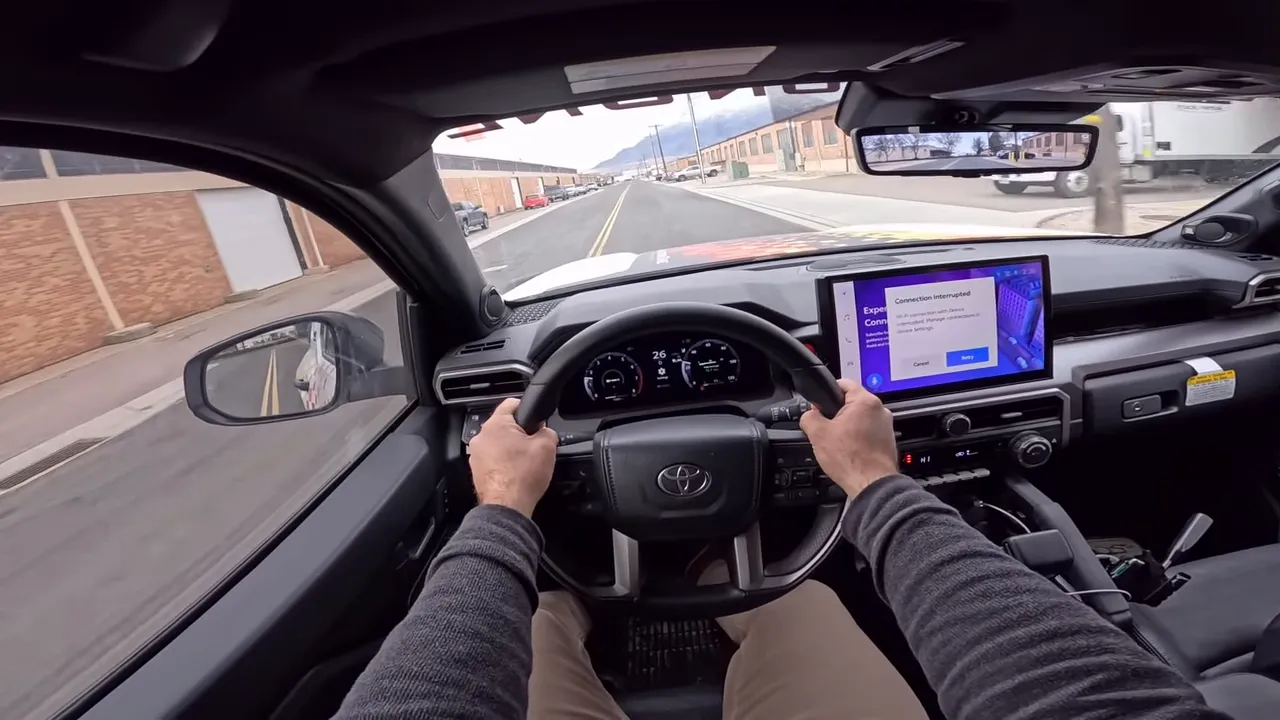
With modifications and extras, you can feel the weight. That’s most noticeable entering corners and when acceleration is required. Compared to a heavier V8 or the GX, the four-cylinder has 317 pound-feet of torque versus the GX’s 479 pound-feet. That difference is real when you ask the vehicle to hustle.
Still, the new powertrain tuning does a lot to mask the compromises. The torque band is broad and available low in the rev range. The car feels deliberate — not sporty, but composed. For most expedition use, that’s preferable; you’re not chasing lap times, you’re managing momentum and traction. If you want more shove, the hybrid 4Runner is a strong option for moving 35s and heavy racks with considerably less effort.
🔧 Suspension comparison: Falcon vs factory EKDSS
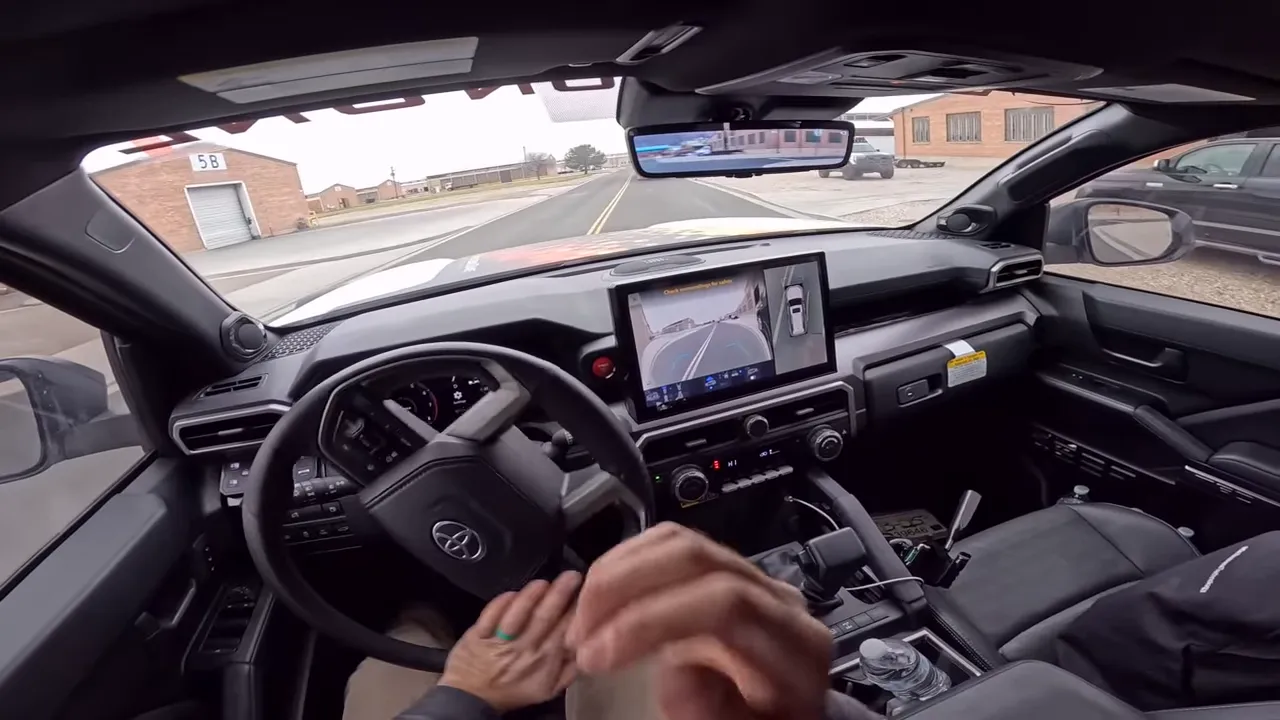
The Falon adjustable shocks in this build are solid and tunable, but they don’t replicate what Toyota’s EKDSS (electronic kinetic dynamic suspension system) achieves in the GX and Land Cruiser-derived platforms. EKDSS tightens sway bars on-road for better handling while offering articulation off-road. The net result in GX platforms is a smoother highway ride and more composed cornering.
That said, the Expedition One approach is pragmatic. By combining adjustable shocks with a body-mount lift and good tires, you can get confident trail performance without paying the price premium of OEM adaptive systems. If you plan significant highway miles at higher speeds with a tall, heavy roof load, consider a suspension setup specifically tuned for that weight distribution.
💸 Pricing and aftermarket friendliness
One practical advantage of the 4Runner platform is the lower cost of entry. A loaded Tier D off-road 4Runner with Expedition One gear sits far below the price floor for a GX or Land Cruiser with similar capability. A base Tier off-road 4Runner in the low 50s can be outfitted for serious overlanding and still cost less than a base GX overtrail in the mid 70s.
Another benefit is parts commonality. The new generation across the 4Runner, Land Cruiser, and GX share significant components. That increases aftermarket availability and often drives prices down. For builders and owners who like to swap or upgrade frequently, that ecosystem creates real value and lower lifecycle costs.
⛽ Fuel economy and real ownership costs
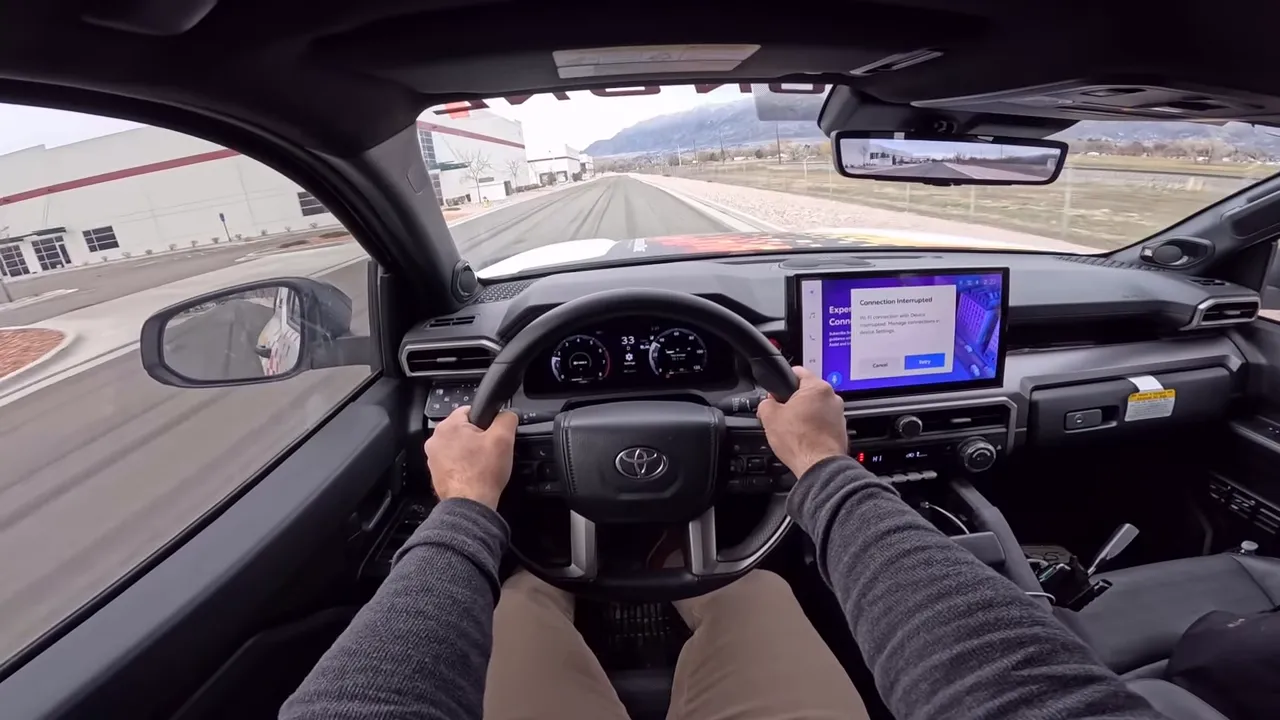
Expect modest fuel economy with a lifted, heavy 4Runner. This build was indicating around 15 miles per gallon during mixed driving. That’s not surprising when you factor in wider tires, extra mass, and a roof tent. Choosing narrow 35s helps: slimmer tires weigh less and create less rolling resistance than their wide counterparts.
If maximizing range between stops is a priority, consider the hybrid powertrain. It delivers a satisfying mix of low-end torque and improved fuel efficiency that better offsets the penalty of big tires and roof gear. If you plan long, remote trips, the hybrid can translate into fewer fuel stops and less time filling up in sleepy towns.
🧭 Who should pick an Expedition One 4Runner?
This build is for people who want a reliable, capable expedition rig without sacrificing the convenience of factory electronics and creature comforts. It suits:
- Weekend overlanders who value a rugged bumper, integrated electronics, and a sensible off-road setup.
- Families who need a daily-driver feel with real off-road readiness on weekends.
- Shop-conscious buyers who want aftermarket compatibility and lower overall cost compared with premium OEM variants.
If you need the absolute maximum towing and low-end grunt or prefer the handling nuances of EKDSS, then a GX or Land Cruiser derivative will feel more refined. But if you want bang for your buck and a vehicle you can both commute in and camp out of comfortably, an Expedition One 4Runner is a very compelling option.
🔍 Final takeaways and buying considerations
The Expedition One conversion emphasizes function over form: durable steel bumpers, integrated electronics, sensible lift and shocks, and a rooftop rig that mounts to factory points. It’s a thoughtful build that keeps the 4Runner’s greatest strengths intact.
Key decisions to make when considering this path:
- Powertrain: If you plan heavy gear and larger tires, opt for the hybrid for added torque and better economy.
- Tire choice: Narrow 35s deliver a better balance of performance, fitment, and fuel economy.
- Weight distribution: Keep important mass low when possible. Roof tents and racks are great but affect handling considerably.
- Suspension: Adjustable shocks are worth the investment. If you do a lot of highway driving, consider a setup tuned for added top-end stability.
❓FAQ
What does the Expedition One bumper preserve from the factory vehicle?
Are narrow 35-inch tires really better on a 4Runner?
How does the non-hybrid four-cylinder perform with the added weight?
Should I choose the hybrid if I plan to run a rooftop tent and big tires?
How does this build compare to buying a GX or Land Cruiser from the factory?
Will keeping the factory cameras and sensors limit aftermarket choices?
🔚 Bottom line
The Expedition One 4Runner proves that a thoughtfully engineered aftermarket conversion can beat a stock premium trim in real-world value. It keeps the useful parts of the vehicle — electronics, low-RPM torque, and Toyota reliability — while adding meaningful protection and capability. For people who want to adventure farther without breaking the bank, this is a hard package to ignore.