GEAR AID Seam Grip SIL Review
A small leak along a tent seam can soak your gear even when the fabric itself is waterproof. GEAR AID Seam Grip SIL is made for silicone-treated tents and tarps, not every kind of outdoor fabric. Its clear silicone-rubber seal stays flexible, and one 1.5 oz tube can cover up to 24 feet of narrow seams under the manufacturer’s stated conditions. This review explains where it bonds, how long it takes to cure, and when you should choose a different sealant for small repairs.
Quick Verdict
Editorial Rating: 8/10, recommended for the right fabric
Best For: Owners of silnylon or sil-poly tents, tarps, and packs with silicone-treated surfaces who need to seal seams or pinholes.
Bottom Line: The 1.5 oz tube makes a flexible waterproof seal and is rated for up to 24 feet of seams. It does not work on polyurethane-coated or untreated fabric, and its typical 3–6 hour cure rules out an instant repair.
Key Specifications
| Specification | Detail |
|---|---|
| Brand | GEAR AID |
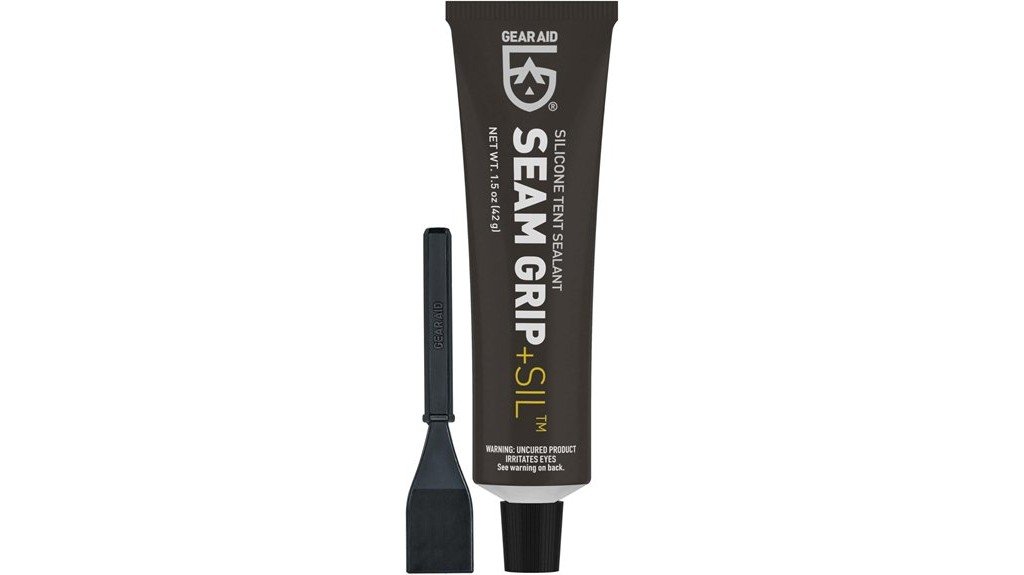
| Product | Seam Grip SIL Silicone Tent Sealant (formerly SilNet) |
| Manufacturer SKU / model | 10440 |
| ASIN | B0009RP8HO |
| Type and material | Silicone-based seam sealant; cured material is silicone rubber |
| Color / finish | Clear; flexible, elastic seal |
| Tube size | 1.5 oz, single tube |
| Stated coverage | Up to 24 ft of seams at approximately 1/4 in width |
| Works on | Silnylon, sil-poly, and other silicone-treated fabric surfaces |
| Does not work on | Polyurethane-coated or untreated fabrics |
| Typical cure time | 3–6 hours; actual time varies with conditions and application |
| Cure method | Humidity-cured |
| Application temperature | 60–100°F (about 16–38°C) |
| Manufacturer use temperature | -20–180°F (about -29–82°C), after curing |
| Primary uses | Tent and tarp seams, silicone-treated packs, pinholes, and small tears |
| Storage / origin | Store cool and dry; made in USA |
| Important limitation | Not for broad fabric recoating, structural repair, or medical and skin-contact applications |
Source: GEAR AID manufacturer specifications. Coverage is a stated maximum for a narrow seam, not a guarantee for every tent.
What Is GEAR AID Seam Grip SIL?
GEAR AID Seam Grip SIL, previously sold as SilNet, is a moisture-curing silicone sealant for outdoor gear with a silicone-treated surface. After curing, it forms a clear, elastic rubber layer instead of a rigid glue line. That gives lightweight seams room to move when you pitch, fold, or pack your shelter.
Its main tasks are sealing stitched seams and closing small pinholes or tears on compatible fabric. The 1.5 oz tube is a targeted maintenance product, not a replacement for torn panels, damaged stitching, or a full waterproof-fabric coating. First confirm which side of the fabric is silicone-treated, since some shelters use silicone on one face and polyurethane on the other.
Who Should Buy It?
Best For
- Campers and backpackers who own silnylon tents or tarps.
- Owners of silicone-coated packs or lightweight shelters with pinholes or small tears.
- Campers who can let treated seams cure fully before packing for a wet trip.
Skip If
- Your intended repair face is polyurethane-coated, bare nylon, canvas, or ordinary clothing.
- You need to pack or use the gear immediately after applying sealant.
- You need a full-fabric recoat, a structural tear repair, or a skin-contact adhesive.
Before You Buy: Check both the fabric and the side you plan to seal. Some tents use silicone on one face and polyurethane on the other. Seam Grip SIL goes on the silicone-treated face only; GEAR AID recommends a compatible non-silicone sealant for polyurethane coatings.
Material Compatibility and Flexible Bond
Seam Grip SIL bonds to silicone-treated fabrics, including silnylon and sil-poly. GEAR AID states that it will not work on polyurethane-coated materials. Waterproof nylon by itself is not enough information: you need to know the coating. Consult the tent maker or care label if the fabric construction is unclear.
Some tents have silicone on the outside but polyurethane on the inside. In that case, applying SIL to the interior polyurethane side is the wrong match. A compatible polyurethane seam sealer, such as GEAR AID Seam Grip WP, is the better choice for that face. Match the product to the surface you will actually treat.
Once cured, the seal is clear and elastic. It can flex along stitched lines and tarp folds without becoming a stiff patch. It helps seal water entry points, but it cannot restore load-bearing seams, broken attachment hardware, or a large torn panel.
Application and Finish
For a neat seam, start with clean, dry fabric and remove loose old sealant. Spread a narrow line over the needle holes and stitch path, rather than covering a wide strip of fabric. GEAR AID describes the formula as self-leveling, which helps it flow along the seam.
The manufacturer rates a 1.5 oz tube for up to 24 feet of seam at roughly 1/4 inch wide. That is useful for planning a small tent or tarp job, but heavy beads, wide seams, and repairs use more sealant. The clear finish is discreet on many fabrics, though thick ridges may still be visible.
Pro Tip: Before coating a long seam, confirm which fabric face has silicone and test a hidden spot. Mark the seam length so you can compare it with the manufacturer’s 24-foot coverage estimate and avoid running out halfway through.
Curing, Ventilation, and Storage
GEAR AID lists a typical cure time of 3–6 hours for Seam Grip SIL. The formula cures with humidity, so temperature, moisture in the air, and bead thickness can change the wait. Let the seam cure fully before you fold the fabric, put the tent in its sack, or expose the repair to rain. The label on your tube takes priority over the typical range.
The stated application temperature is 60–100°F (about 16–38°C). GEAR AID also lists a use range of -20–180°F (about -29–82°C) for the cured product. These are different limits: a finished seal may handle cold weather, but that does not mean you should apply the product to a freezing tent.
Work in a ventilated area, avoid flames and unnecessary skin contact, and follow package warnings. Close the tube firmly after use and store it somewhere cool and dry. Check the remaining product before a later trip instead of assuming an opened tube will keep indefinitely.
How It Performs in Real Use
Sealing Silnylon Tent Seams
Stitch holes can let rainwater pass through an otherwise waterproof silnylon shelter. A narrow coat of SIL on the silicone-treated seam can close those entry points while preserving the fabric’s flexibility. Plan the job before a trip so you have time for the full 3–6 hour typical cure, or longer if conditions require it.
Reinforcing Tarp Edges
Silicone-coated tarp edges see repeated folding and tension. Sealant can help block leaks along stitched hems and narrow attachment areas. It does not add the strength of thread, webbing, or hardware, so repair a damaged tie-out before relying on it in wind.
Small Leaks on Packs or Rain Gear
On a pack or rain garment with a silicone-treated repair face, SIL can cover a pinhole or small tear. Check the coating first, especially on layered fabrics. For worn laminates, long rips, or broken seams, a compatible patch and sewing work may be required instead.
Home Repair Kit and Travel Preparation
The small tube fits in a planned gear-care kit, and one application may address several short seams. However, surface cleaning and cure time make it less suited to an instant rain-soaked trail repair. Use it before leaving home when possible, and inspect the seal after it cures.
How to Use It Correctly
- Identify the coating. Check the gear maker’s instructions for silnylon, sil-poly, or a silicone-treated face. Do not guess from the word “waterproof.”
- Choose the correct side. For mixed silicone/polyurethane fabrics, apply SIL only to the silicone face, or select a sealant intended for the other coating.
- Prepare the surface. Set up the fabric so the seam is easy to reach. Clean away dirt and loose old material, then let it dry.
- Try a hidden test. Check how the sealant spreads and whether it adheres before treating a visible seam.
- Apply a narrow bead. Follow stitching and needle holes. Use a suitable brush or small tool to spread an even, thin coat.
- Allow full cure. Keep the fabric open in a ventilated space. GEAR AID’s typical time is 3–6 hours, but follow the tube label and wait longer if necessary.
- Inspect before packing. Confirm that no tacky sections remain. Check seams for missed pinholes or areas needing further attention.
Common mistakes: Using SIL on a polyurethane-coated side, applying it to damp fabric, making the coating too thick, or packing the tent before it has cured. A narrow application is easier to control and uses less product.
Compatibility and Safety
Seam Grip SIL is an outdoor-gear sealant, not a medical adhesive. Do not use it for wounds, prosthetics, synthetic skin, or prolonged skin-contact applications. For any use that needs a certified body-safe bond, select a product specifically approved for that purpose.
Follow the current package safety instructions. Wear suitable protection to avoid skin and eye contact, keep the work area ventilated, and avoid open flames during application. The cured silicone finish can be hard to paint or dye, so test a hidden area when appearance matters.
Check for wear beyond the small leak you can see. If stitching has pulled out or the fabric is tearing under load, sealant alone does not restore the gear’s strength. Repair the damaged structure before trusting it in severe weather.
Pros and Cons
Pros
- Formulated for silnylon, sil-poly, and silicone-treated surfaces.
- Forms a clear, elastic silicone-rubber seal that flexes with fabric.
- One 1.5 oz tube is rated to cover up to 24 ft of narrow seams.
- Useful for stitched seams, pinholes, and small tears on compatible gear.
- Manufacturer lists a typical 3–6 hour cure and a wide temperature range after curing.
Cons
- Will not bond properly to polyurethane-coated or untreated fabric.
- Requires several hours of cure time before packing or wet use.
- The 1.5 oz tube can run short on long seams or wide, heavy applications.
Is It Worth the Price?
Seam Grip SIL is worth considering if you already own a silicone-treated tent, tarp, or pack. The 1.5 oz tube is a specialized purchase, but sealing up to 24 feet of narrow seams can be more economical than replacing an otherwise sound shelter over a small leak.
Value falls quickly if you apply it to the wrong coating or need to recoat an entire fabric panel. Check the total length of your seams and how wide you plan to spread the sealant. If most of your gear is polyurethane-coated, choose a compatible formula rather than buying SIL for its brand name alone.
How It Compares to Alternatives
GEAR AID Seam Grip WP is a better match for many polyurethane-coated fabrics and conventional materials such as canvas or plain nylon. Seam Grip FC is a faster-curing, water-based option for appropriate non-silicone seam-sealing jobs. Neither should be assumed suitable for a silicone-coated face without checking the maker’s guidance.
Seam Grip TF is aimed at recoating tent fabric rather than sealing a small stitched line. Also, SilNet was an earlier name for Seam Grip SIL, not a separate current rival. For silnylon or sil-poly seam repairs, SIL remains the specific match.
Frequently Asked Questions
What fabrics does GEAR AID Seam Grip SIL work on?
It is intended for silnylon, sil-poly, and other silicone-treated outdoor fabric surfaces. Check the manufacturer’s fabric specification before applying it, because “waterproof nylon” does not tell you which coating is used.
Can I use it on polyurethane-coated nylon or ordinary fabric?
No. GEAR AID says SIL is for silicone-treated surfaces and is not suitable for polyurethane-coated fabric. Its Seam Grip WP line is one alternative to check for compatible non-silicone materials.
How long does Seam Grip SIL take to cure?
The manufacturer lists 3–6 hours under typical conditions. Humidity, temperature, and the thickness of your coat can affect curing, so follow the tube instructions and wait until the seal is fully cured before folding.
Is it suitable for an immediate field repair?
It is better for planned repairs than an immediate fix in the rain. You need a clean, dry work area and enough time for the seal to cure before packing or using the gear.
Can it waterproof an entire tent?
It is meant for seams and small local repairs, not for recoating every square inch of fabric. If the tent coating itself has failed, look for a treatment made for that coating and follow the tent maker’s advice.
How much seam will one 1.5 oz tube cover?
GEAR AID rates one tube for up to 24 feet at about 1/4 inch wide. Wider lines, heavy coats, and hole repairs use more product, so measure your seams before you buy.
Is Seam Grip SIL safe for medical or prolonged skin-contact use?
No. It is an outdoor gear sealant, not a certified medical or body-contact adhesive. Do not use it on wounds, prosthetics, or items requiring a biocompatible bond.
What mistakes should I avoid during application?
Do not use it on the wrong coating, damp or dirty fabric, or an area with broken structural stitching. Keep coats narrow and thin, and let them cure fully before packing.
The Bottom Line
GEAR AID Seam Grip SIL earns its 8/10 editorial verdict when your shelter or pack uses a silicone-treated fabric. The flexible, clear seal and up-to-24-foot coverage make it useful for narrow seams and pinholes, provided you allow the stated curing time. Skip it for polyurethane-coated gear, large structural repairs, or any project needing an instant adhesive.
Ready to Buy?
Check the latest product details and confirm that your gear uses a compatible silicone-treated fabric before you decide.