Disclosure: As an Amazon Associate, we earn from qualifying purchases. If you click a link on this page and make a purchase, we may receive a small commission at no extra cost to you.
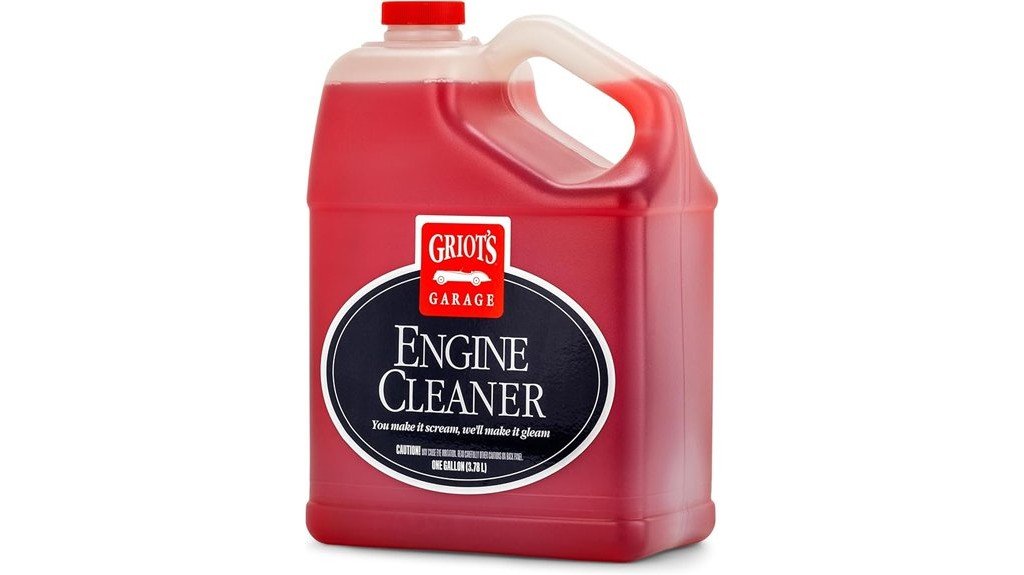
Cleaning an engine bay gets tricky when oil film, road grime, and greasy buildup settle around components that you do not want to damage. Griot’s Garage Engine Cleaner 11158 is a one-gallon cleaner designed to loosen grease, oil, dirt, and engine grime with a straightforward spray, agitate, and wipe-clean process. Its large container makes the most sense if you maintain several vehicles or clean engine bays regularly. It is a practical option for routine detailing, although very stubborn deposits may still need repeated treatment and careful brushing.
Quick Verdict
Rating: Recommended with caveats
Best For: DIY detailers, multi-vehicle households, enthusiasts, and shops that want a large-volume engine-bay cleaner.
Bottom Line: Griot’s Garage Engine Cleaner gives you a simple way to tackle common engine-bay grease and grime without relying on aggressive scrubbing. The gallon size offers plenty of product, but heavy baked-on contamination may require more than one cleaning pass.
| Specification | Detail |
|---|---|
| Brand | Griot’s Garage |
| Model | 11158 |
| Product Type | Engine cleaner and degreaser |
| Amazon ASIN | B004UQQWPC |
| Container Size | 1 gallon, 128 fl oz, approximately 3.785 liters |
| Listed Dimensions | 10.1 x 7.1 x 5.2 inches |
| Listed Weight | About 8.7 lb |
| Application | Spray on, agitate dirty areas, then wipe clean |
| Typical Uses | Engine components, engine bays, wheel wells, and undercarriage areas |
| Vehicle Types | Cars, motorcycles, boats, RVs, and trucks |
| Package Note | One-gallon container; a trigger sprayer is not listed as an included component for this Amazon variant |
| Manufacturer Support | Griot’s Garage advertises a 100% Satisfaction Guarantee |
Key Takeaways
- The Amazon listing linked in this review is the one-gallon Griot’s Garage Engine Cleaner 11158.
- The cleaner is designed to loosen oil, grease, dirt, and engine-bay grime before you agitate and wipe the surface clean.
- The large container is more practical for repeated detailing than for someone who expects to clean one engine once.
- Engine bays contain electrical connectors, sensors, painted surfaces, rubber, and plastics, so careful application and spot testing still matter.
- Heavy baked-on deposits may need a second treatment or more focused agitation rather than simply using more chemical at once.
What Is the Griot’s Garage Engine Cleaner?
Griot’s Garage Engine Cleaner is a liquid automotive cleaner made for greasy, dirty areas around an engine compartment. The Amazon product connected to this review is model 11158 in a one-gallon container, making it a higher-volume option than a standard ready-to-use spray bottle.
Griot’s describes its Engine Cleaner as a product that loosens grease, grime, oil, and engine gunk. The basic workflow is uncomplicated: apply the cleaner to the dirty area, use a suitable detailing brush where agitation is needed, and remove the loosened contamination.
The gallon format is especially useful if you detail several cars, maintain motorcycles or recreational vehicles, or frequently clean wheel wells and undercarriage areas in addition to engine bays.
Who Should Buy It?
Best For
- Detailers who regularly clean greasy engine bays or undercarriage areas.
- Households or enthusiasts maintaining several cars, motorcycles, trucks, boats, or RVs.
- Buyers who prefer a large refill quantity instead of repeatedly buying small bottles.
Skip If
- You only need enough cleaner for one small detailing job.
- You want an aerosol degreaser that clings heavily to vertical surfaces.
- You expect a cleaner to remove every baked-on oil deposit without brushing or repeat treatment.
Before You Buy: This gallon listing is a large refill-style container. Do not assume a trigger sprayer is included, and do not treat an engine bay like an ordinary exterior panel. Protect sensitive electrical areas and follow the directions on your bottle before applying liquid around connectors, sensors, or exposed electronics.
Product Performance and Cleaning Power
The main job of this cleaner is straightforward: loosen the mix of oil film, grease, dust, and road contamination that collects around an engine. Griot’s specifically promotes it for breaking up grease, grime, and engine gunk, which makes it better suited to engine-detailing work than a mild exterior wash soap.
You should still set realistic expectations. Fresh oily residue and normal accumulated grime are generally easier to remove than deposits that have been repeatedly heated and baked onto a surface. On stubborn areas, controlled brushing and another application are usually more sensible than flooding the entire engine bay with extra cleaner.
The original version of this review claimed specific percentage-removal rates. Those figures are not part of the verified manufacturer specifications, so a more useful way to judge the product is by its intended process: chemical cleaning to loosen contamination, followed by physical agitation where needed.
Application and Ease of Use
Griot’s describes a simple application process: spray the cleaner onto the dirty area, agitate with a detailing brush, and wipe the loosened grime away. That workflow gives you more control than aggressive pressure washing, especially around areas where you want to limit the amount of liquid being introduced.
| Step | Practical Approach |
|---|---|
| Prepare | Work with the engine off and follow the product label before you begin. |
| Apply | Transfer cleaner to a compatible sprayer if needed, then apply it to the dirty area. |
| Agitate | Use a detailing brush to work stubborn grime without using unnecessary force. |
| Remove | Wipe away loosened contamination using a suitable towel or follow the bottle directions for final removal. |
| Repeat | Treat remaining stubborn spots again rather than oversaturating the entire engine compartment. |
Pro Tip: Start with the dirtiest localized areas and use a small detailing brush before applying more cleaner. Focused agitation can help you lift greasy residue while reducing unnecessary product use around electrical components.
Compatibility and Recommended Uses
The Amazon listing positions this cleaner for cars, motorcycles, boats, RVs, and trucks. It can also be useful around wheel wells and undercarriage areas where grease and road film build up on durable automotive components.
Engine compartments are made from many different materials, so broad statements such as “safe on everything” are not helpful. Griot’s older product literature references use around engine parts, wiring harnesses, aluminum, and painted engine parts, but you should still protect sensitive electronics and spot-test an unfamiliar finish before treating a large area.
Rubber hoses, plastics, labels, coated components, aftermarket finishes, exposed electrical terminals, and aging wiring can vary from vehicle to vehicle. If you are unsure about a specific surface, check the cleaner label and the vehicle manufacturer’s guidance before applying it.
How It Performs in Real Use
Routine Engine-Bay Detailing
For an engine bay with dust, light grease, and normal road contamination, this product fits a practical maintenance routine. You can target the dirty areas, agitate them with a detailing brush, and remove the loosened grime without treating every surface as if it needs heavy degreasing.
Older Greasy Engine Compartments
Older engines with seepage or long-term residue are a tougher job. The cleaner can help break down oily contamination, but thick deposits that have been heated repeatedly may require several focused passes and more brushing. That limitation is normal for a liquid cleaner and is worth considering if your engine is heavily neglected.
Wheel Wells and Undercarriage Areas
Griot’s also positions the cleaner for areas such as wheel wells and undercarriage components. The gallon format is useful here because these larger surfaces can consume more cleaner than a few small spots in an engine bay. Avoid spraying components that the vehicle or product manufacturer says should stay dry.
Multi-Vehicle or Frequent Use
The one-gallon size becomes more appealing when you maintain several vehicles or detail often. A casual owner may not need that much product, but enthusiasts and shops can refill a compatible spray bottle as needed instead of buying a small container for each job.
How to Use It Correctly
Start by reading the directions on the actual bottle because application instructions should take priority over any general detailing advice. Keep the vehicle switched off, identify sensitive areas before spraying, and work in manageable sections instead of soaking the whole engine compartment at once.
Apply enough product to wet the contaminated surface, then use an appropriate detailing brush where grime needs agitation. Remove the loosened residue as directed on the label. If contamination remains, repeat the process on that spot rather than assuming a longer uncontrolled soak will automatically produce a better result.
Good preparation also matters. Remove loose debris first, keep towels and brushes ready, and plan where dirty runoff or removed residue will go. This makes the job cleaner and gives you better control around delicate components.
Compatibility and Safety
Griot’s published ingredient disclosure for Engine Cleaner lists water along with several cleaning agents and surfactants, tripropylene glycol butyl ether, tall oil acid, potassium hydroxide as a pH adjuster, and red dye. Ammonia and bleach are not listed in that ingredient disclosure.
That does not mean the product should be treated as harmless. Wear appropriate eye and skin protection, work with good ventilation, and follow all warnings printed on the container or manufacturer safety documentation. Avoid unnecessary mist exposure and wash off accidental skin contact according to the label instructions.
Electrical connectors and sensitive electronics deserve particular care. Older or damaged insulation, aftermarket wiring, open connectors, and exposed electronics can be more vulnerable to moisture than intact factory components. Protect those areas instead of relying on a cleaner’s general automotive-use description.
Pros and Cons
Pros
- Designed specifically to loosen engine-bay oil, grease, dirt, and grime.
- Simple spray, agitate, and wipe-clean workflow.
- One-gallon size suits frequent detailing and multiple vehicles.
- Useful beyond the engine bay for wheel wells and undercarriage cleaning.
- Suitable for several vehicle categories, including cars, motorcycles, boats, RVs, and trucks.
Cons
- The gallon container may be excessive if you only clean one engine occasionally.
- A trigger sprayer is not listed as an included component with this gallon variant.
- Heavy baked-on grease can still require repeat treatment and manual agitation.
Is It Worth the Price?
Griot’s Garage Engine Cleaner makes the most sense as a value purchase when you will use a substantial amount of cleaner over time. The one-gallon container can serve repeated engine-bay, wheel-well, and undercarriage jobs without forcing you to replace a small spray bottle after only a few cleaning sessions.
You get less value from the gallon format if your only goal is a one-time cleanup on a relatively clean vehicle. In that case, a smaller ready-to-use cleaner may be more convenient even if the cost per fluid ounce is higher.
For enthusiasts, multi-vehicle households, and frequent detailers, the combination of large volume and a simple cleaning process makes this version worth considering. Its main limitation is that strong, aged deposits can still demand repeated work.
How It Compares to Alternatives
Chemical Guys Signature Series Orange Degreaser is a concentrated citrus-based alternative that allows you to adjust cleaning strength through dilution, which can appeal to buyers who want one product for several levels of degreasing. GUNK Original Engine Degreaser takes a more traditional heavy-duty approach and is specifically marketed toward older, greasy engines with tough oil buildup.
Griot’s Garage Engine Cleaner makes more sense if you prefer Griot’s straightforward engine-detailing system and want a large liquid supply for repeated use. Chemical Guys is worth comparing if dilution flexibility matters more, while GUNK may appeal more to buyers facing especially greasy older equipment.
Frequently Asked Questions
What size is the Griot’s Garage Engine Cleaner in this review?
The Amazon ASIN used in this article is for model 11158 in a one-gallon container. One gallon equals 128 fluid ounces, or approximately 3.785 liters.
Does the gallon include a spray bottle?
The Amazon product information identifies the included component as the Engine Cleaner Gallon and does not list a trigger sprayer. Plan on using a compatible chemical-resistant spray bottle if your container does not include one.
Can you use it on painted engine parts?
Griot’s historical product literature references painted engine parts among the areas cleaned with Engine Cleaner. Because factory, refinished, and aftermarket coatings vary, spot-test an inconspicuous area and follow the current product label before treating the entire surface.
Does Griot’s Garage Engine Cleaner contain ammonia or bleach?
Ammonia and bleach are not listed in Griot’s published ingredient disclosure for this Engine Cleaner. The disclosed formula does include several cleaning agents and surfactants plus potassium hydroxide as a pH adjuster, so normal chemical-handling precautions still apply.
Can you spray it directly over electrical connectors?
It is better to avoid unnecessary liquid exposure around open connectors, damaged wiring, sensors, and exposed electronics. Protect sensitive areas and follow your vehicle manufacturer’s precautions before cleaning the engine compartment.
Will it remove heavy baked-on grease in one application?
Do not assume that every old deposit will disappear in one pass. Heavy or heat-cured buildup may need focused brushing and repeat treatment, especially around older engines with years of accumulated residue.
Who should skip the one-gallon version?
Skip the gallon if you expect to perform only one small engine-bay cleanup and do not need a large refill supply. A smaller ready-to-use cleaner may be more convenient for occasional maintenance.
The Bottom Line
Griot’s Garage Engine Cleaner 11158 is a sensible choice for detailers and vehicle owners who want a large supply of cleaner for engine bays, wheel wells, and other greasy automotive areas. Its biggest strengths are the straightforward application process and one-gallon capacity, while its main tradeoffs are the need for your own sprayer and the possibility of repeated work on baked-on deposits. If you clean vehicles regularly, it earns a Recommended with caveats verdict.