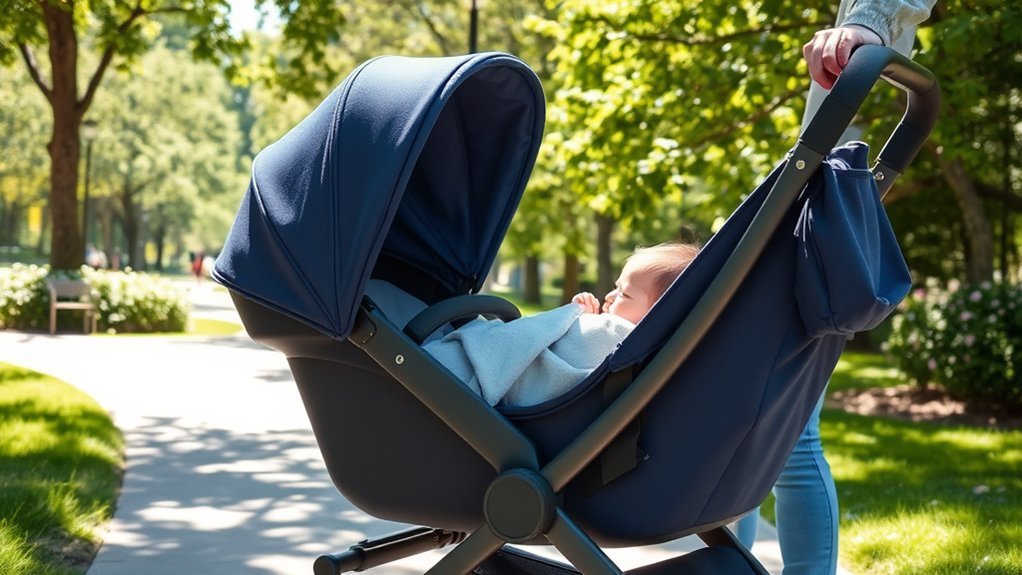
How to Wash Stroller Fabric Safely Without Shrinking or Damaging It
Last updated: May 28, 2026
Reviewed by: SellySell Editorial Team
Quick answer: To wash stroller fabric, check the stroller manual and care label first. Vacuum loose dirt, remove only the washable fabric parts, spot treat stains, then hand-wash with cold water and mild soap. Rinse well and air dry every part fully before reassembly. Avoid bleach, high heat, and soaking harness straps unless the manufacturer says it is safe.
A stroller seat collects crumbs, milk spills, sunscreen, dust, and diaper-bag mess faster than most parents expect. Cleaning it the wrong way can shrink the cover, weaken straps, leave soap residue, or trap moisture inside padded areas.
This guide shows you how to clean stroller fabric safely, step by step. You will learn what to remove, what to wash by hand, when machine washing is safe, how to treat common stains, and how to dry every part before your child uses the stroller again.
Preparing to Wash Stroller Fabric
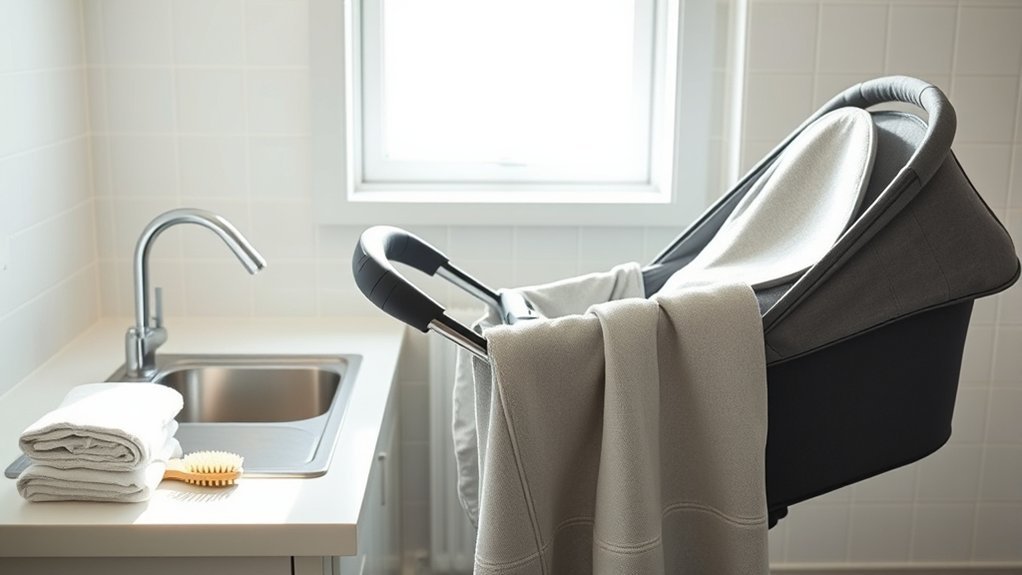
Before you wash any stroller fabric, check the stroller manual and the fabric care tag. Some covers can go in a washing machine, but other parts need hand cleaning because they contain padding, cardboard inserts, foam, wiring, or fixed safety straps.
Look for three details before you start:
- Wash method: Machine wash, hand wash, spot clean only, or do not wash.
- Water temperature: Cold water is usually safest because it helps reduce shrinking and fading.
- Drying method: Most stroller fabrics should air dry unless the care label clearly allows tumble drying.
Safety note: Treat harness straps with extra care. Do not soak, bleach, machine-wash, iron, or heat-dry them unless the manual allows it. Damaged straps can affect stroller safety.
Remove only the parts that the manufacturer designed to come off. Take photos as you detach each piece, so you can reassemble the stroller correctly later.
Gather Your Cleaning Supplies
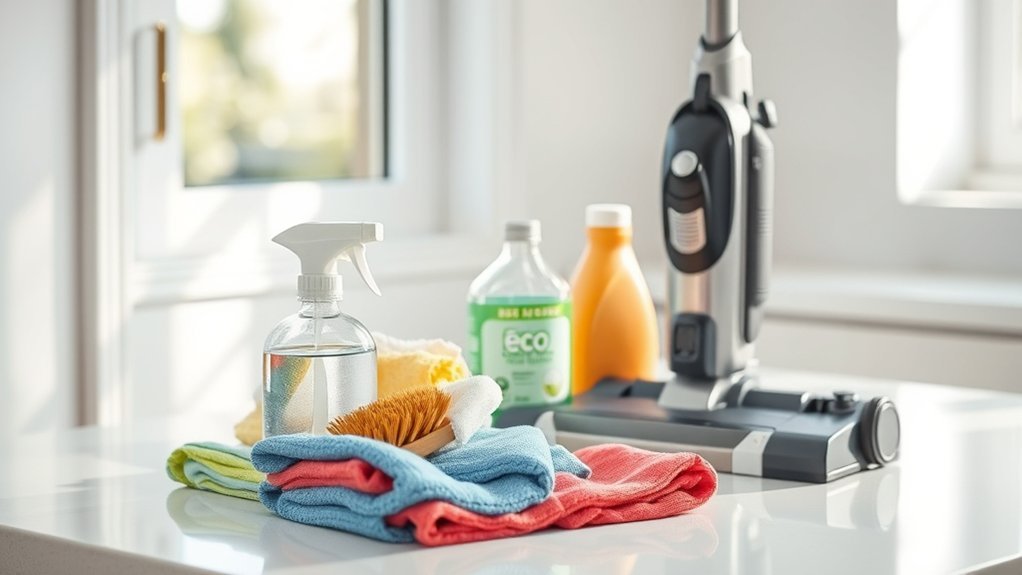
Gather your supplies before the fabric gets wet. This helps you clean faster and prevents soap from drying on the fabric while you look for tools.
| Supply | Best Use | Avoid |
|---|---|---|
| Handheld vacuum | Crumbs, dust, sand, and dry dirt | Wetting fabric before vacuuming |
| Mild dish soap or gentle detergent | Routine fabric cleaning | Bleach, strong degreasers, and fabric softener |
| Soft sponge or washcloth | Gentle scrubbing | Stiff brushes that can fray fabric |
| Soft toothbrush | Seams, corners, and creases | Hard scraping on printed areas |
| Baking soda | Odor and light stain treatment | Thick paste on delicate fabric without testing |
| Distilled white vinegar | Some food stains and odor | Using it before checking care instructions |
| Clean towel | Blotting extra moisture | Rubbing stains deeper into fabric |
Use child-safe cleaning products when possible. The CDC notes that careful cleaning with soap and water is often enough for many child-use items, while sanitizing or disinfecting depends on the item, surface, and exposure risk. You can review general child-care cleaning guidance from the CDC cleaning and disinfecting guidance.
Vacuuming the Stroller

Vacuuming comes before wet cleaning. If you add water first, crumbs and dust can turn into sticky grime inside seams and corners.
Use a handheld vacuum on the seat, backrest, canopy edges, cupholders, snack tray area, and storage basket. Pay close attention to seams, recline folds, and the area where the seat meets the frame.
For tight spaces, loosen dry debris with a soft toothbrush or sponge, then vacuum again. If your stroller has removable fabric covers, lay them flat and vacuum both sides before washing.
Key takeaway: Dry cleaning first saves time. A two-minute vacuum can prevent dirt from spreading during washing.
Detaching Fabric Components
Detaching fabric parts gives you a deeper clean, but only remove pieces that the stroller manual says can come off. Forcing fabric away from the frame can damage snaps, zippers, clips, or safety stitching.
Identify Detachable Parts
Check the stroller manual, fabric labels, and visible fasteners. Many strollers use snaps, zippers, hook-and-loop strips, buttons, or screws to hold fabric in place.
| Detachable Part | Common Removal Method | Cleaning Caution |
|---|---|---|
| Seat cover | Snaps, zipper, or hook-and-loop strips | Check for foam or cardboard inserts |
| Canopy | Clips, screws, or side mounts | Do not bend support wires |
| Harness pads | Hook-and-loop strips or snaps | Clean straps according to the manual |
| Storage basket | Snaps, tabs, screws, or frame loops | Remove heavy debris first |
| Leg rest cover | Snaps or hook-and-loop strips | Check hidden folds for crumbs |
Take a photo before and after each removal step. This simple habit helps you place straps, tabs, and fabric loops back in the right position.
Use Correct Tools
Use only the tools listed in your stroller manual. If the manual calls for a screwdriver, use the correct size so you do not strip screws or crack plastic clips.
Place small screws, clips, and tabs in a bowl or zip bag while you clean. Keep them away from children and pets. Do not pull fabric hard if it feels stuck. Stop and look for a hidden snap, zipper, or frame loop.
Follow Manufacturer Instructions
The manufacturer’s instructions matter because stroller fabrics vary. Some brands allow machine washing with cold water. Others recommend spot cleaning only.
Follow the listed detergent type, water temperature, and drying method. If the care label conflicts with a cleaning tip online, trust the care label first.
You can also check the U.S. Consumer Product Safety Commission recall page if you bought the stroller secondhand or notice loose parts, broken clips, or safety defects during cleaning.
Soaking and Hand-Washing
Hand-washing is the safest choice when the manual does not clearly allow machine washing. Fill a basin or tub with cold water and mix in a small amount of mild soap.
Submerge only fabric pieces that can safely get wet. Do not soak parts with cardboard, untreated foam, electronics, metal hardware that may rust, or fixed safety straps unless the manual allows it.
- Blot stains first: Use a clean towel to lift wet spills before scrubbing.
- Soak washable fabric: Let dirty fabric sit in cold soapy water for a short time to loosen grime.
- Scrub gently: Use a soft sponge, cloth, or toothbrush on stained areas.
- Rinse fully: Run cold water through the fabric until no soap remains.
- Press out water: Press with a towel. Do not twist padded parts hard because that can distort the shape.
Real-life example: If your child spills yogurt on the seat, remove solids first, blot the area, then clean with mild soap and cold water. Scrubbing before blotting can push the stain deeper into the weave.
Rinsing and Removing Debris
Rinsing removes soap residue, loosened dirt, and stain treatment. This step matters because leftover detergent can feel stiff, attract more dirt, or irritate sensitive skin.
Remove Loose Debris
Before rinsing, shake each washable fabric piece outdoors or over a trash bin. Vacuum any remaining dry crumbs from seams and corners.
Use this order for the cleanest result:
- Shake the fabric to remove loose crumbs.
- Vacuum seams, folds, and creases.
- Brush stubborn dry dirt away with a soft toothbrush.
- Rinse with cold water after the dry debris is gone.
Soak Fabric Components
Soaking helps loosen dirt, but it should not become an all-day soak. Long soaking can affect padding, backing, labels, and fabric shape.
If the fabric has a strong odor, test a hidden area first. Then use a small amount of baking soda paste or diluted white vinegar only if the care label allows it. Rinse the area well after treatment.
If you see or smell mold, treat it seriously. The CDC explains that visible or musty mold should be removed and the moisture problem should be fixed. You can read the CDC’s general mold guidance at CDC Mold.
Drying Fabric Components
Air drying is usually the safest way to dry stroller fabric. High dryer heat can shrink covers, warp padding, weaken backing, or damage elastic.
Use these drying steps:
- Press with a towel: Remove extra water without twisting the fabric hard.
- Hang or lay flat: Use a drying rack, clothesline, or clean towel.
- Keep air moving: Dry the fabric in a well-ventilated area.
- Avoid high heat: Skip the dryer, heater, hair dryer, and direct high heat unless the label allows them.
- Check seams and padding: Make sure thick areas are dry before reassembly.
Do not reassemble the stroller while the fabric feels damp. Moisture trapped under padding or inside folds can lead to musty odors and mildew.
Inspecting Before Reassembly
After every fabric piece dries, inspect the stroller before you put it back together. Cleaning gives you a good chance to catch small safety problems early.
- Check stains: Look for marks that need a second gentle spot clean.
- Check straps: Look for fraying, cuts, loose stitching, or twisted harness paths.
- Check fasteners: Test snaps, zippers, clips, tabs, and hook-and-loop strips.
- Check fabric shape: Make sure the cover did not shrink or pull away from its attachment points.
- Check frame areas: Remove crumbs and sticky residue before the clean fabric goes back on.
Use the photos you took during disassembly to reattach every piece in the correct order. After reassembly, buckle and unbuckle the harness to confirm it still works smoothly.
Tips for Maintaining Clean Fabric
You can keep stroller fabric cleaner with small habits after each outing. These habits reduce deep-cleaning time and help prevent set-in stains.
- Vacuum often: Clean seams and crevices once a week if you use the stroller daily.
- Spot clean spills fast: Blot milk, juice, snacks, and diaper leaks before they dry.
- Use snack containers: Reduce crumbs by keeping loose snacks out of the seat.
- Dry after rain: Open the canopy and let the stroller air out before storage.
- Store it dry: Avoid damp garages, wet car trunks, and sealed storage bags.
- Check the manual: Review the cleaning instructions before each deep clean.
Key takeaway: The best stroller cleaning routine is simple: vacuum often, spot clean quickly, deep clean only when needed, and dry every part fully.
Stroller Fabric Cleaning Mistakes to Avoid
Most stroller fabric damage comes from using too much force, too much heat, or the wrong cleaner. Avoid these common mistakes.
| Mistake | Why It Causes Problems | Better Fix |
|---|---|---|
| Using bleach for routine cleaning | Can fade fabric and weaken fibers | Use mild soap and cold water |
| Putting fabric in a hot dryer | Can shrink covers or damage backing | Air dry fully |
| Soaking harness straps | Can affect strap strength if the manual warns against it | Wipe clean as directed by the manufacturer |
| Skipping the vacuum step | Wet crumbs can smear into seams | Vacuum before washing |
| Reassembling while damp | Can trap moisture and cause odor | Dry seams and padding completely |
When to Clean, Sanitize, or Replace Stroller Fabric
Routine messes usually need cleaning, not harsh disinfecting. Use mild soap and water for crumbs, dirt, sticky hands, snack stains, and general outdoor grime.
Sanitizing may make sense after illness, vomit, diaper leaks, or secondhand stroller use. Before using any disinfectant, read the stroller manual and product label to confirm the cleaner is safe for soft fabric and child-use gear.
Replace the fabric or contact the manufacturer if you find torn safety stitching, damaged harness straps, broken buckles, heavy mold growth, or fabric that no longer fits the frame correctly after washing.
Frequently Asked Questions
Can I Machine Wash Stroller Fabric Instead of Hand-Washing?
Yes, you can machine wash stroller fabric if the care label or manual allows it. Use cold water, a gentle cycle, and mild detergent. Hand-wash the fabric if it has foam, cardboard, wiring, fixed straps, or a label that says spot clean only.
What Types of Detergents Are Safe for Stroller Fabric?
Choose a mild, fragrance-free detergent or gentle dish soap. Avoid bleach, fabric softener, strong stain removers, and heavily scented cleaners unless the stroller manual approves them. The goal is to clean the fabric without leaving harsh residue near your child’s skin.
How Often Should I Wash My Stroller Fabric?
Vacuum the stroller weekly if you use it often. Spot clean spills right away. Deep clean the fabric every few months, after illness, after muddy trips, or whenever you notice odor, sticky stains, crumbs, or visible dirt.
Are There Any Specific Stains That Need Special Treatment?
Yes. Milk, juice, diaper leaks, sunscreen, and food spills need fast treatment. Blot wet stains first, remove solids, then clean with cold water and mild soap. Test baking soda or diluted vinegar on a hidden area before using it on visible fabric.
Can I Use Bleach on Stroller Fabric?
Do not use bleach for routine stroller fabric cleaning. It can fade fabric, weaken fibers, and leave harsh residue. If you need to disinfect after illness or bodily fluids, follow the stroller manual and use only a product approved for that fabric.
Can I Clean Stroller Fabric With Vinegar?
You can use diluted white vinegar on some stroller fabrics, but check the care label first. Test a small hidden spot before treating a visible stain. Rinse the area well afterward so the fabric does not keep a vinegar smell.
How Do I Remove Mold From Stroller Fabric?
Move the stroller outside if possible, wear gloves, and avoid brushing mold where your child plays. Check the manual before applying any cleaner. If mold covers a large area, returns after cleaning, or reaches straps and padding, contact the manufacturer or replace the affected part.
Can I Wash Stroller Harness Straps?
Clean harness straps only as the manual directs. Many straps should not be soaked, bleached, machine-washed, or heat-dried because damage can affect safety. Usually, you should wipe them with mild soap and water, rinse with a damp cloth, and air dry.
How Long Does Stroller Fabric Take to Dry?
Drying time depends on fabric thickness, padding, humidity, and airflow. Thin covers may dry in a few hours, while padded pieces can take longer. Do not reassemble the stroller until seams, cushions, and straps feel fully dry.
What If the Stroller Still Smells After Washing?
A lingering smell often means soap residue or trapped moisture remains. Rinse the fabric again with cold water, press out extra moisture with a towel, and dry it in moving air. Check hidden folds, padding, and the storage basket for damp spots.
Conclusion
Washing stroller fabric is easier when you follow the right order: check the manual, vacuum first, detach washable parts, use cold water and mild soap, rinse well, and air dry completely.
Do not rush the drying step or use harsh cleaners to save time. A clean, dry, well-reassembled stroller gives your child a fresher seat and helps you spot small safety issues before the next walk.
Before your next outing, give the seat and seams a quick vacuum. That small habit keeps future deep cleans faster and helps your stroller stay ready for daily use.