Koch-Chemie Micro Cut Polishing Compound Review
By Tony B. Hensel | Last Updated: June 6, 2026
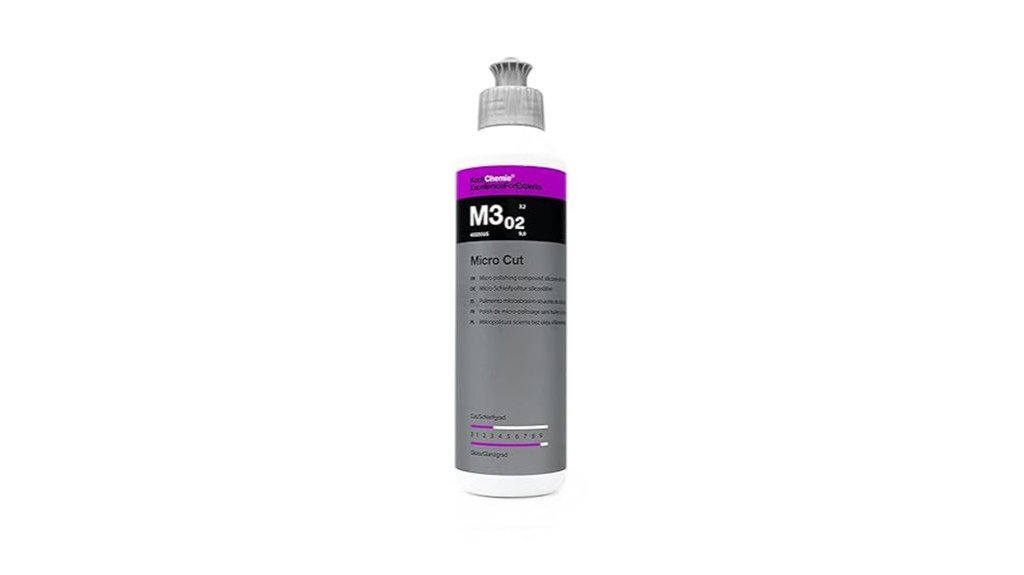
The Koch-Chemie Micro Cut Polishing Compound is made for fine paint correction and gloss finishing. It uses a silicone oil-free formula and targets streaks, holograms, and fine scratches on automotive paint. It is best suited for surfaces that have already been treated with P3000 grain size or finer. If your goal is a cleaner finish before wax, sealant, or coating work, this compound can fit well into your detailing routine.
Verdict
Best For: Detailers who need a fine finishing polish for light paint defects, holograms, and gloss refinement.
Bottom Line: Koch-Chemie Micro Cut is a useful finishing compound for already-prepared paint. It is not meant for heavy cutting, deep scratches, or badly neglected paint.
Key Specifications
| Specification | Detail |
|---|---|
| Brand | Koch-Chemie |
| Product Type | Micro cut polishing compound |
| ASIN | B08J28WJC2 |
| Container Size | 250 milliliters |
| Formula | Silicone oil-free |
| Main Use | Removing streaks, holograms, and fine scratches |
| Recommended Surface Prep | Paint treated with P3000 grain size or finer |
| Application Method | Dual-action polisher or rotary buffer |
What Is Koch-Chemie Micro Cut Polishing Compound?
Koch-Chemie Micro Cut Polishing Compound is a fine polishing product for automotive paint correction. It is designed to refine surfaces rather than remove heavy defects. Its main purpose is to reduce light marks, holograms, streaks, and fine scratches while improving gloss.
The formula is silicone oil-free. That matters because silicone oils can hide defects instead of correcting them. A silicone oil-free polish helps you see the real finish more clearly after wipe-off.
The article source lists this product as a 250-milliliter compound. That size can work well for enthusiasts, small detailing jobs, or spot correction. Professional users may prefer a larger bottle if they polish vehicles often.
Who It Is For
This polishing compound is a good fit for car owners who already understand basic paint care. It is also useful for detailers who need a fine finishing step after heavier correction work.
- Choose it if your paint has light holograms, streaks, or fine scratches.
- Choose it if the surface has already been refined to P3000 grain size or finer.
- Choose it if you want a high-gloss finish before adding protection.
- Choose it if you use a dual-action polisher or rotary buffer.
Who Should Skip It
This product is not the right choice for every paint problem. A micro cut compound is made for finishing work, not heavy repair.
- Skip it if your paint has deep scratches that catch a fingernail.
- Skip it if the paint is heavily oxidized and needs aggressive correction first.
- Skip it if you want a hand-applied cleaner wax or all-in-one protection product.
- Skip it if you do not plan to use the right pad and machine polishing method.
Key Takeaways
- Koch-Chemie Micro Cut Polishing Compound is made for light paint correction and gloss finishing.
- The silicone oil-free formula helps reduce the risk of hiding defects with oily residue.
- It targets streaks, holograms, and fine scratches on automotive surfaces.
- It is best used on surfaces treated with P3000 grain size or finer.
- A dual-action polisher or rotary buffer is recommended for proper application.
Key Features and Benefits
Silicone Oil-Free Formula
The silicone oil-free formula is one of the most important details. It helps the polish work as a correction product instead of only making defects look hidden for a short time. This makes it more useful before applying a coating, sealant, or wax.
Fine Defect Removal
Koch-Chemie Micro Cut is made to remove light surface flaws. These include streaks, holograms, and fine scratches. It is most useful after washing, decontamination, and heavier correction steps have already been handled.
High-Gloss Finish
The compound focuses on surface refinement. After proper use, the paint should look clearer and glossier. This makes it a strong finishing step for dark paint, show vehicles, or cars that already have a clean base.
Easy Polish Removal
The original article notes easy polish removal without heavy residue. That is helpful during longer detailing jobs. A polish that wipes off cleanly can save time and reduce the chance of towel marks.
Economical Application
This compound is meant to be used in small amounts. That makes the 250-milliliter container more practical than it may first seem. For best results, start with a small amount and add more only if the pad needs it.
Application and Performance Insights
Good results depend on surface prep, pad choice, pressure, and machine speed. This product is intended for paint that has already been sanded or refined to P3000 grain size or finer. It should not be treated as a heavy cutting compound.
For best results, apply a small amount to a suitable foam polishing pad. Spread it over the work area before running the machine at full speed. Use moderate pressure, then reduce pressure near the end of the polishing cycle.
A dual-action polisher is usually easier for beginners because it is more forgiving. A rotary buffer can also work, but it requires more control. Poor technique can create heat, haze, or new holograms.
After polishing, wipe the surface with a clean microfiber towel. Check the finish under strong light. If marks remain, repeat the process or step up to a stronger compound before returning to Micro Cut for final gloss.
Real-World Use
Koch-Chemie Micro Cut makes the most sense as a final polishing step. Use it after correcting heavier defects with a stronger compound. It can help refine the finish and reduce the light haze left from earlier cutting work.
It is also useful when a vehicle has wash marks or light holograms from previous polishing. In that case, Micro Cut can clean up the surface without being too aggressive.
For darker paint, careful finishing matters more because light defects are easier to see. A fine polish like this can help improve clarity, but pad choice and lighting are still important.
Pros and Cons
Pros
- Silicone oil-free formula helps show the real corrected finish
- Targets streaks, holograms, and fine scratches
- Can produce a clean high-gloss finish on properly prepared paint
- Works with dual-action polishers and rotary buffers
- Small amount can cover useful correction work when applied properly
Cons
- Not intended for deep scratches or heavy paint correction
- Best results require the right polishing pad and machine technique
- 250-milliliter size may feel small for frequent professional use
Is It Worth the Price?
Koch-Chemie Micro Cut can be worth buying if you need a dedicated finishing polish. It is most valuable when your paint already has a good correction base and only needs final refinement.
It is not the best value if you need one product to do everything. Heavy defects, oxidation, and deep scratches need a stronger correction process. For fine finishing, though, this product has a clear purpose.
Alternatives to Consider
These similar products can help you compare your options before choosing a finishing polish:
- Meguiar’s Mirror Glaze M205 Ultra Finishing Polish: A popular finishing polish for light defect removal and gloss enhancement.
- Menzerna Super Finish 3500: A fine finishing polish often used for high-gloss paint refinement.
- 3D ONE Hybrid Compound and Polish: A versatile option for users who want one polish for multiple correction levels.
Frequently Asked Questions
Is Koch-Chemie Micro Cut Suitable for All Paint Types?
Koch-Chemie Micro Cut can be used on many automotive paint finishes, but you should always test first. Use a small hidden area before polishing a full panel. Soft paint may need lighter pressure and a softer pad.
Can It Remove Deep Scratches?
No. This compound is best for fine scratches, holograms, and finishing marks. Deep scratches usually need stronger correction, sanding, or professional repair.
How Long Does the High-Gloss Finish Last?
The gloss depends on your paint condition, washing method, and protection routine. A wax, sealant, or coating can help preserve the polished finish longer.
Can It Be Used on Plastic Surfaces?
The article source focuses on automotive surface polishing. Use caution on plastic trim, lenses, or painted plastic parts. Test a small area first and avoid textured plastic.
What Is the Ideal Pad Type for Application?
A foam polishing pad is a practical starting point. Use a softer finishing pad when the paint only needs gloss refinement. Use a slightly firmer polishing pad if fine marks remain.
Is the Product Safe for Professional Use?
Yes, it can fit professional detailing work when used correctly. Follow the product label, use clean pads, work in good lighting, and avoid overheating the paint.
Final Verdict
The Koch-Chemie Micro Cut Polishing Compound is a focused finishing polish for light paint correction. Its silicone oil-free formula helps reduce streaks, holograms, and fine scratches without relying on oily fillers. It works best on paint that has already been refined to P3000 grain size or finer.
Buy it if you need a fine polish for final gloss and surface clarity. Skip it if your vehicle needs heavy correction or deep scratch removal. For the right paint condition, this compound can be a smart addition to a detailing kit.