Disclosure: As an Amazon Associate, we earn from qualifying purchases. If you click a link on this page and make a purchase, we may receive a small commission at no extra cost to you.
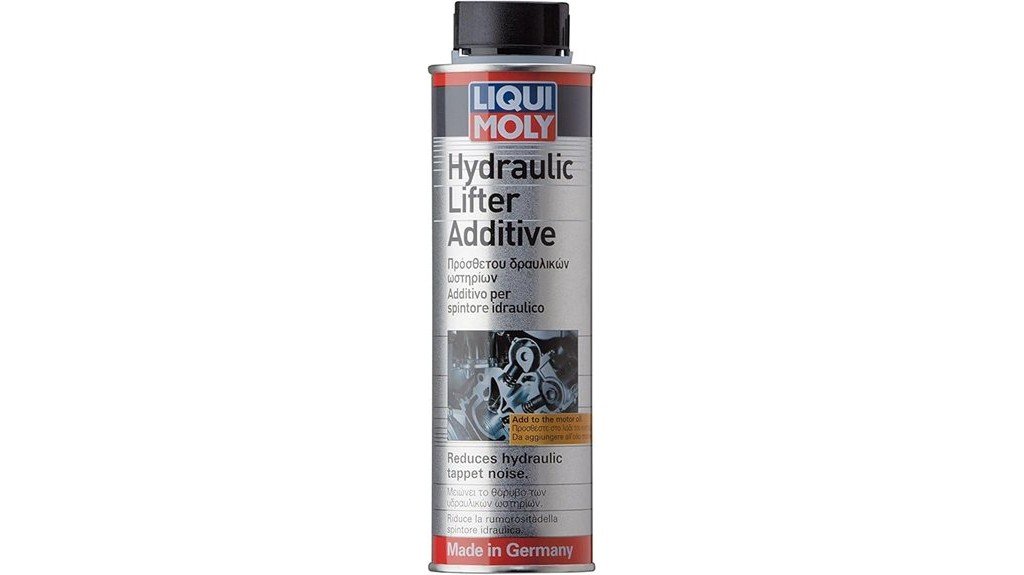
An annoying metallic ticking noise coming from under the hood during a cold morning start often signals dirty or sticking hydraulic valve lifters. Over time, varnish and oil sludge build up inside small lifter passages, preventing oil from maintaining proper hydraulic pressure. The Liqui Moly 20004 Hydraulic Lifter Additive offers a chemical treatment designed to quiet valve train noise without requiring expensive mechanical teardowns. This review examines how effectively this additive reduces engine ticking, how long the results last, and whether it makes sense for your vehicle.
Quick Verdict
Rating: 8.8/10 (Highly Recommended)
Best For: Vehicle owners dealing with annoying hydraulic lifter noise, cold-start valve train ticking, or rough idling caused by oil sludge build-up.
Bottom Line: Liqui Moly 20004 excels at dissolving internal deposits to restore quiet valve train operation in both gasoline and diesel engines. While it cannot repair collapsed or mechanically worn lifters, it is a low-cost, effective first step before considering major mechanical repairs.
| Specification | Detail |
|---|---|
| Brand | Liqui Moly |
| Model / Part Number | 20004 (LM20004 / 2770) |
| Product Type | Hydraulic Lifter Oil Additive |
| Volume per Bottle | 300 ml (10.1 fl oz) |
| Package Quantity | 2-Pack (600 ml total) |
| Treating Capacity | One 300 ml bottle treats up to 6 liters (6.3 quarts) of motor oil |
| Engine Compatibility | Gasoline and diesel engines (naturally aspirated or turbocharged) |
| Oil Compatibility | All synthetic, semi-synthetic, and conventional mineral oils |
| System Safety | Safe for catalytic converters, DPFs, VVT systems, and aluminum components |
| Duration of Effect | 1,000 to 5,000 miles (varies by engine condition and service interval) |
What Is Liqui Moly 20004 Hydraulic Lifter Additive?
Liqui Moly 20004 Hydraulic Lifter Additive is a concentrated chemical treatment formulated to restore smooth, quiet operation to your engine’s valve train. Hydraulic lifters (or lash adjusters) rely on clean oil pressure to maintain zero clearance between engine valves and camshaft lobes. When sludge, varnish, or carbon deposits clog the small oil feed holes inside these lifters, oil cannot enter efficiently, creating clearance play that produces an audible ticking sound.
Formulated by German lubrication specialists, Liqui Moly 20004 acts directly within the engine oil stream. It cleans narrow oil passages, removes sticky deposits from valve stems and lifter pistons, and improves oil film cushion under severe thermal stress. Rather than altering motor oil viscosity permanently, it enhances oil flow into tight hydraulic clearances to dampen mechanical noise.
This additive works in gasoline and diesel passenger vehicles, commercial trucks, and high-mileage cars. You can add it between standard oil changes or right after a fresh oil service, providing an accessible solution for drivers who want to fix lifter noise without disassembling the engine engine block.
Who Should Buy It?
Best For
- Drivers experiencing annoying valve train ticking or lifter noise during cold starts.
- Owners of high-mileage gasoline or diesel vehicles with varnish buildup in oil passages.
- Car owners looking for a budget-friendly chemical fix before spending money on mechanical lifter replacement.
Skip If
- Your engine has severe mechanical damage, such as bent pushrods, worn camshaft lobes, or collapsed lifter springs.
- The ticking sound originates from loose exhaust manifold bolts, worn fuel injectors, or a stretched timing chain.
Key Features and Performance Breakdown
Targeted Cleaning and Lifter Noise Reduction
The primary function of Liqui Moly 20004 is cleaning sticky varnish and sludge out of hydraulic lifters. The small internal check valves and metering orifices in modern lash adjusters are easily restricted by oil oxidation. Once added to the crankcase, detergent and dispersant compounds work progressively to break down deposits. As oil flow restores, the lifter pumps up fully with oil, eliminating extra mechanical clearance and silencing tapping noise.
Compatibility with Engine Oils and VVT Systems
A major concern when using oil additives is whether they thin out or unbalance motor oil chemistry. Liqui Moly engineered this product to blend smoothly with all commercially available motor oils, including full synthetic, synthetic blend, and conventional mineral oils. It is fully compatible with Variable Valve Timing (VVT) actuators, oil control valves, and turbocharger oil feed lines, ensuring delicate hydraulic components operate without sluggishness.
Engine and Component Safety
Safety is paramount when adding chemicals to high-performance or modern diesel engines. Liqui Moly 20004 contains no harsh solvents that could degrade rubber seals, valve stem seals, or silicone gaskets. It is safe for engines with aluminum blocks and heads, as well as vehicles equipped with catalytic converters and Diesel Particulate Filters (DPFs). Because it protects against corrosion and metal-on-metal wear during cold starts, it supports overall valve train longevity.
Before You Buy: Liqui Moly 20004 is designed to resolve hydraulic lifter noise caused by dirt, varnish, and sticky valves. It cannot repair broken, cracked, or worn mechanical parts. If your engine has a worn camshaft lobe, damaged rocker arm, or a broken lifter spring, no chemical additive will fix the issue.
How It Performs in Real Use
Cold Starts and Morning Ticking
Cold starts present challenging conditions for hydraulic lifters because cold motor oil takes several seconds to pressurize the cylinder head. Drivers using Liqui Moly 20004 frequently report a significant reduction in start-up noise. By improving oil adhesion and cleaning supply channels, the additive helps lifters retain oil overnight, reducing or eliminating initial metallic clatter when turning the key.
High-Mileage Engines and Idle Stability
In high-mileage engines (over 100,000 miles), accumulated oil sludge causes lifters to stick intermittently at idle. This creates minor valve timing variations that lead to a shaky idle. Once Liqui Moly 20004 circulates through the crankcase, users notice smoother idle quality and quieter engine operation within 50 to 300 miles of driving as the detergents dissolve lingering deposits.
Highway Driving and Sustained Operation
During long highway trips, elevated oil temperatures allow the additive to work at peak cleaning efficiency. Continuous oil flow at elevated RPMs accelerates deposit removal from hydraulic plungers. Unlike temporary thickeners that lose viscosity under high heat, Liqui Moly maintains consistent lubrication, keeping the valve train quiet during long-distance highway travel.
Gasoline vs. Diesel Vehicles
Both gasoline and diesel engines benefit equally from this treatment. Diesel engines produce higher levels of soot and carbon contaminants that can enter the oil stream and stick to hydraulic adjusters. Liqui Moly 20004 keeps soot particles suspended while cleaning lifter internals, helping diesel engines maintain quiet valve operation throughout their service interval.
How to Use Liqui Moly 20004 Correctly
To get the best results from Liqui Moly 20004, proper application is essential. Follow these simple steps for effective treatment:
- Check Your Engine Oil Level: Before adding the additive, check your dipstick. Ensure there is enough space in the crankcase to add 300 ml (or 600 ml for larger engines) without overfilling above the full mark.
- Warm Up the Engine: Bring the engine up to normal operating temperature before adding the product so the motor oil flows freely.
- Pour into Crankcase: Pour one 300 ml bottle directly into the engine oil filler cap for every 6 liters (6.3 quarts) of motor oil. For smaller engines (under 3 liters), half a bottle is sufficient. For larger V8 or diesel engines holding 7 to 12 liters, use both bottles from the 2-pack.
- Drive to Circulate: Immediately after pouring, start the engine and drive the vehicle for 10 to 15 minutes to allow the additive to mix thoroughly with the oil and reach the cylinder head.
Pro Tip: For heavily contaminated engines with dark oil, pair Liqui Moly 20004 with a fresh oil and filter change. Adding the treatment to clean oil allows the detergents to focus on lifter varnish rather than fighting old, saturated motor oil.
Engine Safety and Chemical Compatibility
Liqui Moly formulates its engine treatments under strict ISO quality controls. The 20004 additive contains specialized friction modifiers and detergent dispersants that do not alter the API or ACEA service classification of your host motor oil. It contains no aggressive solvents, acids, or solid lubricants (such as PTFE or graphite) that could clog oil filters or damage sensitive bearings.
Furthermore, it is safe for vehicles equipped with wet timing belts, variable valve timing actuators, and oil-cooled turbocharger bearings. You can safely keep the additive in your crankcase until your next scheduled oil change.
Pros and Cons
Pros
- Noticeably reduces valve train ticking and hydraulic lifter clatter.
- Cleans internal oil feed passages without harsh solvents.
- Compatible with all synthetic, semi-synthetic, and mineral motor oils.
- Safe for turbochargers, catalytic converters, DPFs, and aluminum engine blocks.
- Easy pour-in application requires no tools or mechanical disassembly.
Cons
- Will not fix physical mechanical damage like collapsed lifters or worn camshaft lobes.
- May require up to 100–300 miles of driving before full quieting effects take hold.
- Large crankcase capacities (over 6.3 quarts) require purchasing two bottles.
Is It Worth the Price?
When comparing the low cost of a bottle of Liqui Moly 20004 against a professional valve train repair bill, the value proposition is compelling. Replacing hydraulic lifters on modern overhead-cam or pushrod engines typically costs between $500 and $1,500 in parts and labor. A chemical treatment costs a fraction of that amount and can be applied in your own driveway in less than five minutes.
For vehicles where lifter noise stems from varnish and sludge build-up, this additive delivers a simple, affordable solution. Even if your engine requires eventual mechanical service down the road, trying Liqui Moly first is a practical diagnostic step that offers strong return on investment.
How It Compares to Alternatives
The market offers several oil additives aimed at reducing engine noise, such as Marvel Mystery Oil, Rislone Engine Treatment, and Seafoam Motor Treatment. While general-purpose cleaners use lighter solvents to thin out oil and flush sludge quickly, Liqui Moly 20004 is specifically targeted at hydraulic lifters.
Rather than acting as an aggressive solvent flush that requires an immediate oil change, Liqui Moly 20004 remains in your engine oil for the entire service interval. It provides continuous cleaning action while enhancing oil film cushioning under load. If your main goal is specifically quieting noisy valve adjusters without risking seal damage or oil thinning, Liqui Moly offers a more targeted formulation.
Frequently Asked Questions
Will Liqui Moly 20004 affect my regular oil change intervals?
No. Liqui Moly 20004 is designed to stay in your engine oil until your next scheduled maintenance. You should continue to follow your vehicle manufacturer’s recommended oil change mileage or time interval.
Is Liqui Moly 20004 compatible with diesel engines?
Yes. Liqui Moly 20004 works effectively in both gasoline and diesel engines. It is fully safe for engines equipped with turbochargers, diesel particulate filters (DPFs), and catalytic converters.
Can I use this additive in engines with Variable Valve Timing (VVT)?
Yes. The additive does not overly thicken oil or leave harmful residues, making it completely safe for engines with VVT mechanisms, solenoids, and variable cam phasers.
How long does it take for the lifter noise to disappear?
Some users notice a reduction in ticking immediately or within 10 to 15 minutes of driving. In engines with heavier varnish buildup, it may take 100 to 300 miles of normal driving for the detergents to thoroughly clean internal oil passages.
Is it safe for engines with aluminum components and rubber seals?
Absolutely. Liqui Moly 20004 contains no harsh acids or aggressive solvents. It is completely safe for aluminum engine blocks, valve stem seals, and rubber or silicone gaskets.
Do I need professional assistance to pour this additive into my car?
No professional help is required. Simply remove your engine oil fill cap, pour the designated amount into the warm engine, recap, and drive. It is a straightforward DIY maintenance step.
How much Liqui Moly 20004 should I pour into my engine?
One 300 ml bottle is sufficient for up to 6 liters (6.3 quarts) of engine oil. For larger crankcases holding up to 12 liters, use two 300 ml bottles (the full 2-pack).
Will Liqui Moly 20004 fix a collapsed lifter or bent valve?
No. Chemical additives only clean oil passages and dissolve sludge or varnish. If a component is physically broken, cracked, or mechanically worn out, it must be replaced by a mechanic.
The Bottom Line
Liqui Moly 20004 Hydraulic Lifter Additive is an effective, targeted solution for quieting noisy lifters and restoring smooth idle stability. By cleaning narrow valve passages without harsh solvents, it delivers practical results for both gasoline and diesel vehicles. While it cannot repair worn mechanical parts, it offers an economical, easy-to-use first option before scheduling expensive valve train repairs.
Ready to Buy?
Check the latest price and product details on Amazon before you decide.