Disclosure: As an Amazon Associate, we earn from qualifying purchases. If you click a link on this page and make a purchase, we may receive a small commission at no extra cost to you.
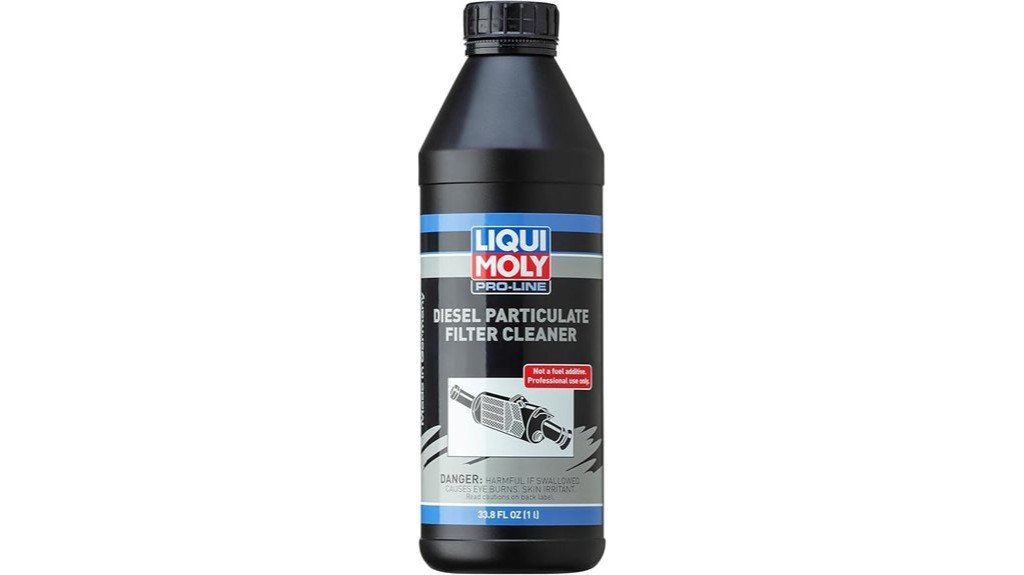
Diesel particulate filters clogged with carbon buildup can trigger severe engine limp modes, reduced fuel efficiency, and costly repair bills. The Liqui Moly 20110 Pro-Line DPF Cleaner offers auto repair shops and experienced diesel technicians a targeted chemical solution that restores filter exhaust flow without requiring complete removal of the exhaust system. This review breaks down its real-world performance gains, equipment requirements, step-by-step application steps, and workshop safety protocols to help you decide if it is the right service tool for your facility.
Quick Verdict
Rating: 9.2/10 (Highly Recommended for Workshops)
Best For: Professional automotive technicians and equipped shop owners servicing restricted diesel particulate filters
Bottom Line: Liqui Moly 20110 delivers measurable exhaust backpressure reductions between 20% and 45% while dissolving up to 60 grams of soot. However, it requires a dedicated pneumatic spray gun system and is not a simple pour-in-tank additive.
| Specification | Detail |
|---|---|
| Brand | Liqui Moly |
| Part Number | 20110 (Pro-Line Series) |
| Container Volume | 1 Liter (33.8 fl oz) |
| Product Type | Direct-Flush DPF Cleaning Fluid |
| Application Tooling | DPF Pressurized Tank Spray Gun (Part No. 7946) with custom probes |
| Service Time | 30 to 60 minutes dwell time + rinsing and drive cycle |
| Expected Backpressure Reduction | 20% to 45% reduction |
| Soot Mass Capacity | Removes up to 60 grams of soot deposits |
| Storage Conditions | Store between 5°C and 25°C (41°F to 77°F) |
| Required PPE | Nitrile gloves, protective goggles, face shield, organic vapor respirator |
What Is Liqui Moly 20110 Pro-Line DPF Cleaner?
Liqui Moly 20110 Pro-Line DPF Cleaner is a highly concentrated 1-liter fluid engineered specifically for commercial automotive workshops servicing modern diesel engines. Modern diesel vehicles equipped with DPF systems regularly struggle with excessive soot loading due to frequent short trips, idle time, or degraded regeneration cycles. Instead of unbolting the exhaust system or replacing an expensive filter assembly, this product chemically dissolves stubborn soot and oily contamination directly inside the vehicle exhaust track.
The solvent works by chemically softening carbonaceous crusts and emulsifying dense oily residue packed within the ceramic honeycomb substrate. Once softened, the deposits are rinsed out or burned away during a subsequent forced regeneration cycle, restoring factory exhaust dynamics and lower engine backpressure.
Before You Buy: Liqui Moly 20110 is a professional shop fluid meant to be sprayed into the DPF housing using a pressurized air gun (Part No. 7946). It is not a fuel additive. Pouring this product into your fuel tank will cause severe fuel system contamination and engine damage.
Who Should Buy It?
Best For
- Professional auto repair shops and fleet maintenance garages
- Technicians equipped with compressed air and DPF spray equipment
- Diesel owners looking to clear severe soot blockage without removing the filter
Skip If
- You want a simple pour-in-tank maintenance additive
- You do not have access to shop air compressors or spray wands
- Your DPF substrate is physically cracked, melted, or filled with unburnable ash
Key Feature Breakdown
Chemical Solvency and Soot Emulsification
Unlike generic aggressive solvents that can degrade sensitive precious metal coatings inside catalytic converters, Liqui Moly 20110 uses a targeted chemical formulation. It breaks down oily carbon binders holding soot particles together. During treatment, the fluid converts dense soot coatings into an easily extractable, liquid-emulsified state without attacking the ceramic carrier matrix.
Pressure Drop and Backpressure Recovery
In workshop testing, treating heavily loaded DPF units yields backpressure drops ranging from 20% to 45%. Removing up to 60 grams of soot mass clears restricted exhaust passages, lowering exhaust gas temperatures and restoring lost horsepower. Drivers notice smoother engine idling, crisper throttle response, and reduced fuel consumption almost immediately following the service.
Workshop Tooling Integration
Liqui Moly designed this product to pair with their specialized Pressurized Tank Spray Gun (Part No. 7946) and matching flexible probe attachments. Technicians access the DPF face through existing exhaust temperature or differential pressure sensor ports. This allows fast direct application without time-consuming exhaust teardown.
Pro Tip: Always follow the Liqui Moly 20110 cleaning cycle with Liqui Moly Pro-Line DPF Flush (Part No. 20112). The flush neutralizes the cleaner and sweeps out emulsified carbon slurry prior to starting an ECU forced regeneration cycle.
Step-by-Step Application Guide
To achieve consistent, repeatable results, shop technicians should follow a standardized service procedure during treatment:
- Access Port Preparation: Allow the exhaust system to cool below 40°C (104°F). Locate and remove the upstream pressure or temperature sensor closest to the DPF inlet face.
- Spray Gun Setup: Fill the aluminum reservoir of the Pressurized Tank Spray Gun (Part No. 7946) with 1 liter of Liqui Moly 20110. Connect the gun to workshop compressed air set to 6–8 bar (87–116 PSI).
- Targeted Fluid Application: Insert the flexible spray probe through the sensor opening toward the filter face. Spray the cleaner in 5 to 10-second bursts, pausing briefly while rotating the probe to ensure complete substrate coverage.
- Dwell Window: Allow the cleaning agent to dwell inside the filter housing for 30 to 60 minutes, depending on the severity of soot accumulation.
- Rinsing Phase: Fill the spray gun with Liqui Moly DPF Flush (Part No. 20112) and spray the full bottle through the same sensor port to wash out dissolved soot slurry.
- Reassembly and Drive Test: Reinstall the exhaust sensor using anti-seize paste. Start the engine, run a forced ECU regeneration cycle using a diagnostic scan tool, or conduct a 20 to 30-minute road test to burn off remaining chemical moisture.
Safety, PPE, and Environmental Requirements
Working with professional chemical flushing agents requires proper shop safety measures. Technicians must wear chemical-resistant nitrile gloves, safety glasses or a complete face shield, and protective work garments. Aerosolized cleaning agents can release harsh vapors, so services must take place in well-ventilated work bays equipped with exhaust extraction systems or proper organic vapor respirators.
Collect any chemical fluid run-off in approved oil-water separator systems or dedicated waste containers. Store unopened containers in a dry shop area between 5°C and 25°C (41°F to 77°F) away from direct sunlight.
How It Performs in Real Use
City Driving and Short-Trip Fleet Vehicles
Municipal delivery vans and passenger diesels used for city driving rarely reach the exhaust gas temperatures necessary for natural passive regeneration. Liqui Moly 20110 successfully clears heavy light-soot buildup on these stop-and-go vehicles, restoring flow and preventing repeated regeneration abort cycles.
High-Mileage Commercial Diesel Fleets
On high-mileage commercial vans accumulating persistent backpressure fault codes (such as P242F or P2463), this cleaner provides a dependable service option. Shops can clear pending trouble codes and return fleet vehicles to service in under two hours without waiting days for off-site ultrasonic cleaning.
Severe DPF Backpressure Recovery
When backpressure readings exceed normal idle limits, applying this fluid loosens packed carbon channels near the filter core. Restoring exhaust velocity allows the vehicle’s engine control unit (ECU) to perform a clean, uninterrupted thermal regeneration.
Pros and Cons
Pros
- Reduces exhaust backpressure by 20% to 45% without removing the DPF
- Removes up to 60 grams of heavy soot mass per 1-liter treatment
- Smooths rough idling and lowers regeneration fault frequency
- Significantly cheaper than purchasing replacement DPF hardware
Cons
- Requires dedicated pneumatic spray equipment (Part No. 7946)
- Cannot be used as a pour-in fuel additive
- Does not clean non-combustible metallic ash accumulation
Is It Worth the Price?
Liqui Moly 20110 Pro-Line Cleaner occupies a professional mid-range price tier among workshop chemicals. While the initial investment requires buying the fluid alongside the specialized spray tank gun, the combined tool cost pays for itself after just one or two DPF cleaning jobs.
Considering that a replacement OEM diesel particulate filter costs anywhere from $1,500 to over $4,000 including labor, offering a direct chemical flush service provides immense value for customers while serving as a profitable service option for professional repair facilities.
How It Compares to Alternatives
When evaluating DPF maintenance products, it helps to understand how direct-flush cleaners differ from other options on the market:
- Fuel Tank Additives: Preventive fuel treatments (like Liqui Moly 20002) lower the ignition temperature of soot to help passive burn-off during highway driving. However, once a filter is heavily restricted, fuel additives cannot deliver the chemical concentration needed to clear blocked channels.
- Off-Car Bench Washing: Disassembling the exhaust to clean the filter in an off-car ultrasonic or aqueous bench washer is effective for removing metallic ash. However, bench washing requires hours of labor, expensive machinery, and prolonged vehicle downtime. Liqui Moly 20110 offers a fast, on-car solution for soot-laden filters.
Frequently Asked Questions
Is Liqui Moly 20110 safe for Gasoline Particulate Filters (GPF)?
No. Liqui Moly 20110 is formulated specifically for diesel particulate filter chemistries and diesel soot. Gasoline systems operate at different thermal profiles, and compatibility with GPF substrate coatings is not guaranteed. Always verify manufacturer guidance before treating gasoline filters.
Can this product be mixed with other cleaning solvents?
No. Mixing Liqui Moly 20110 with other cleaning chemicals or general solvents is not recommended. Chemical blends can cause unwanted reactions, degrade cleaning performance, or damage precious metal catalytic coatings inside the filter assembly.
What is the shelf life of the bottle after opening?
When tightly resealed and stored in a cool, dry place between 5°C and 25°C (41°F to 77°F) away from direct sunlight, the product retains full cleaning effectiveness for approximately one year after opening.
Can I pour Liqui Moly 20110 directly into my fuel tank?
No. Liqui Moly 20110 is a non-combustible chemical cleaner designed solely for compressed-air exhaust application. Pouring it into a fuel tank will cause severe engine misfires, fuel pump damage, and injector failure.
Do I need to remove the DPF from the vehicle to use this cleaner?
No. One of the main advantages of Liqui Moly 20110 is that it cleans the filter while mounted on the vehicle. Access is gained simply by temporarily removing an upstream pressure or temperature sensor port.
What personal protective gear is required during application?
Technicians must wear nitrile or chemical-resistant gloves, safety goggles or full face shields, and appropriate respiratory protection. Perform the service in a well-ventilated work bay to minimize chemical vapor exposure.
Will Liqui Moly 20110 clear non-combustible engine oil ash?
Liqui Moly 20110 specifically targets carbonaceous soot and unburned oil sludge. Non-combustible metallic ash generated from engine oil additives requires off-car counter-flow liquid washing or ultrasonic bench cleaning if ash buildup reaches capacity limits.
What should I do immediately after the cleaning service?
After the 30 to 60-minute dwell time, rinse the substrate with Liqui Moly DPF Flush (Part No. 20112). Reinstall the exhaust sensor, start the engine, and initiate a forced ECU regeneration or conduct a 20 to 30-minute test drive to dry the exhaust tract.
The Bottom Line
Liqui Moly 20110 Pro-Line DPF Cleaner is an effective chemical tool for clearing soot-restricted diesel particulate filters. By reducing backpressure by 20% to 45% and removing up to 60 grams of soot without filter removal, it delivers significant time and cost savings for workshops and vehicle owners alike. If your shop possesses compressed air capabilities and the matching spray applicator, this fluid is an indispensable addition to your diesel service lineup.
Ready to Buy?
Check the latest price and product availability on Amazon before your next shop service.