As an Amazon Associate, we earn from qualifying purchases.
By SellySell Editorial Team | Updated September 27, 2026
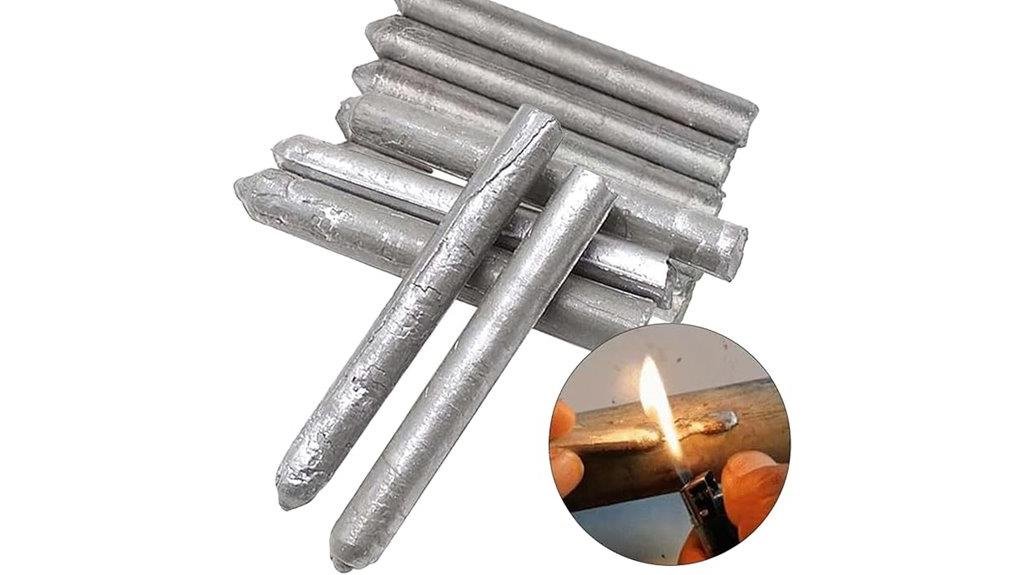
Low temperature welding rods like this 12-piece universal set promise quick metal repairs with nothing more than a lighter. The listing describes rods about 78 mm (3.07 in) long with a 1 mm core, and says they suit aluminum, iron and other metals.
They fit small, non-structural fixes and first-time experiments. The trade-offs matter: the listing text reviewed gives no melting point or alloy breakdown, and joints made this way behave more like solder than a true weld. Read the safety notes before you light one.
Quick verdict
6/10 Our rating
78 mm long
1 mm core
Lighter-melt design
Tin powder (claimed)
Melting point not published
Best for: Small, non-structural repairs on aluminum, iron and similar metals, or a low-effort trial before you buy a torch kit.
Skip if: The joint must carry load, hold pressure, touch drinking water or fuel, or join PVC.
Bottom line: A simple option for light patching, held back by thin published specs, brittle rods and solder-like joint strength.
Before you buy: 4 things to know
- It is solder-like, not weld-like. Welding fuses the base metal. Filler that melts with a lighter flame bonds to the surface instead, so treat repairs as light duty.
- You light the rod. Listings for this rod style tell you to light the tip with a lighter. One buyer of a similar set said the rods kept burning and that molten filler stuck to skin and burned them. Use pliers, gloves and a non-flammable work surface.
- The recipe is not published. No alloy breakdown or safety data sheet appears in the listing text reviewed. Some near-identical listings name sulfur powder and a combustion accelerant, and burning sulfur releases sulfur dioxide, which irritates the eyes, nose and throat. Work in moving air.
- No drinking-water rating. No lead-free or potable-water certification is published. US rules define lead-free solder as 0.2 percent lead or less, so keep these rods off drinking water lines and tanks.
Jump to a section
- Key Takeaways
- Specifications and What’s in the Box
- Who Should Buy These Low Temperature Welding Rods?
- Pros and Cons
- Why These Low Temperature Welding Rods Stand Out
- Performance Across Materials and Applications
- Tips for Safe and Effective Use
- What Owners of Low Temperature Rods Report
- Low Temperature Welding Rods vs. Alternatives
- Is It Worth the Price?
- How We Evaluated These Rods
- Frequently Asked Questions
- Conclusion
Key Takeaways
- What it is: a 12-rod set of lighter-melt filler rods, each about 78 mm long with a 1 mm core, per the listing.
- What it is not: a true weld. The filler bonds to the surface, so keep loads light.
- What is not published: the melting point, alloy makeup, joint strength and safety certifications, in the listing text reviewed.
- How to use it: clean the metal to a bare finish, light the tip, apply the molten filler and hold still. Practice on scrap first.
- Where it fits: small, non-structural repairs. Skip drinking water, fuel, gas and pressure jobs, and never heat PVC.
Specifications and What’s in the Box
These are the figures the listing text supports. Anything the listing does not publish is marked as such.
| Spec | What the listing says |
|---|---|
| Product | Low temperature universal welding rod set, 12-piece option (ASIN B0CRV5MJ5G) |
| Rods in this set | 12 (the product text also mentions 6 and 18-piece options) |
| Rod length | 78 mm (3.07 in), approximate |
| Core diameter | 1 mm, approximate |
| Heat source | A lighter (the title calls it a lighter welding rod) |
| Material | Tin powder, per listing copy for this rod style. No alloy breakdown found. |
| Metals named | Aluminum and iron in the title. Copy for this rod style also names copper, stainless steel, water tanks, PVC pipes and circuit boards. |
| Melting point | Not published in the listing text reviewed |
| Certifications | None found in the listing text reviewed |
What’s in the Box
The listing text reviewed mentions only the rods: 12 low temperature universal welding rods in this option. Plan to supply a lighter, pliers or tweezers, safety glasses, heat-resistant gloves, a wire brush or abrasive pad, and a non-flammable work surface.
The product text also mentions 6 and 18-piece options, so confirm you are ordering the 12-piece set.
Who Should Buy These Low Temperature Welding Rods?
Good fit if you:
- have a small, non-structural repair on aluminum, iron or a similar metal
- want to try a lighter-melt filler before buying a torch kit
- can clean the metal to a bare finish and practice on scrap first
- can work outdoors or in a well-ventilated space
Skip them if:
- the joint must carry weight, take impact or hold pressure
- the part carries fuel, gas or drinking water
- you plan to join PVC pipe
- you need fine electronics work or a documented alloy
Pros and Cons
Here is the short version of what works and what does not.
Pros
- Needs no welder, gas bottle or power outlet
- Marketed as a lighter welding rod, so you can try it without a torch
- Short 78 mm rods with a 1 mm core are easy to store and carry
- Listed for aluminum, iron and other metals, which suits small mixed-metal jobs
- Twelve rods leave room to practice on scrap before a real repair
Cons
- Melting point, alloy makeup and joint strength are not published
- Joints behave like solder or brazing, not a true weld, so keep loads light
- Rods are brittle, and listing copy for this rod style warns they can break
- One buyer of a similar set reported rods that kept burning and filler that stuck to skin
- No safety or drinking-water certification is published
Why These Low Temperature Welding Rods Stand Out
Three traits set these rods apart from soldering and brazing kits. Each one comes with a catch you should know about.
Lighter-Melt Convenience
The pitch is convenience: no welder, no gas bottle and no power outlet. The title calls these lighter welding rods, and listings for this rod style say a regular lighter melts them. Some similar listings also mention a propane torch.
The catch is heat. A lighter flame is small, so larger or thicker parts may never get hot enough for the filler to flow. One WeldingWeb poster who tried low temperature aluminum rods said it took a long time to get the metal hot enough to melt the rod.
Compact Rods and a Low-Commitment Set
Each rod is about 78 mm long with a 1 mm core, and the set holds 12. That is enough to practice on scrap before a real repair.
The catch is handling. Listing copy for this rod style says the material is brittle and cracked pieces still work, and one buyer of a similar set received rods broken into small pieces. Short fragments are harder to hold, so grip them with pliers.
What the Material Claims Mean
Listing copy for this rod style describes tin powder. Some near-identical listings go further and name aluminum powder, sulfur powder, flux and a combustion accelerant in the core. None of that amounts to a tested alloy specification.
That matters because no melting point, strength rating or safety data sheet is published in the listing text reviewed. Without them, joint strength and fume content are unknowns, so keep repairs light and ventilate well.
Performance Across Materials and Applications
Listings for this rod style name many metals. The table separates what the listing claims from what to expect in practice.
| Material | Listing claim | What to expect |
|---|---|---|
| Aluminum | Named in the listing title | Aluminum forms an oxide skin fast, so clean it right before heating. Forum posters report mixed results with similar rods. |
| Iron and steel | Iron named in the title | Rust and mill scale stop filler from bonding, so grind to bright metal. Expect a surface bond, not structural strength. |
| Copper and brass | Named in copy for this rod style | Suits small hobby repairs. Not for drinking water lines, because the alloy is not documented as lead-free. |
| Stainless steel | Named in copy for this rod style | Clean it well and test on scrap first. Results vary by rod type, so treat it as unproven. |
| Water tanks | Named in copy for this rod style | Only for non-drinking tanks that never held fuel. Any drinking water use needs solder documented as lead-free. |
| PVC pipe | Named in copy for this rod style | Skip it. Pipe makers list hydrogen chloride among the gases PVC can release when it overheats. |
| Circuit boards and wiring | Named in copy for this rod style | Use electronics solder instead. The alloy and flux in these rods are not documented for electronics. |
Small Aluminum Repairs
This is the best-fit job: cracks, small holes and broken tabs on parts that carry no load, such as trim or covers. A LaverdaForum poster who tried a similar filler called it tricky but workable for joints that are not heavily loaded, and said it might suit patching a leak in an alloy tank.
Copper and Brass Hobby Work
Decorative pieces, craft builds and non-pressurized repairs suit these rods, because the joint only has to hold its shape. Keep them away from plumbing that carries drinking water.
Metal Crafts and Light Iron Patches
The 12-rod count suits practice pieces, small sculptures and cosmetic patches. Grind the metal to a bright finish first, and test the bond by hand before you rely on it.
Tips for Safe and Effective Use
A few habits separate a clean repair from a burned finger.
Safety First
- Wear safety glasses and heat-resistant gloves.
- Hold each rod with pliers or tweezers. At 78 mm, the rods put your fingers close to the flame.
- Work outdoors or beside an open window, with a fan pulling fumes away from your face. Soldering fumes can irritate the eyes and airways.
- Put a metal tray or brick under the work. A buyer of a similar set said the rods kept burning after use.
- Keep flammables away, and do not use these rods on fuel tanks or gas lines.
- Never heat PVC. Pipe makers list hydrogen chloride among the gases it can release when overheated.
- Let the joint cool before you touch it, and wash your hands when you finish.
How to Use Them, Step by Step
- Grind, sand or brush the joint to bare metal, then wipe off dust and oil. Seller copy for this rod style stresses a clean, smooth surface.
- Clamp or support the parts so nothing moves, on a non-flammable surface.
- Light the tip of a rod with a lighter, as listings for this rod style direct. Some sellers also suggest warming the workpiece evenly with the same flame.
- Touch the molten filler to the prepared metal and let it flow into the joint. Add a little at a time.
- Hold everything still until the filler sets. One near-identical listing suggests about 5 minutes to set and 30 minutes to cool fully.
- Brush off residue, check the joint for gaps, and test it under a light load before you trust it.
What Owners of Low Temperature Rods Report
The points below come from buyers of similar lighter-melt sets and from forum threads about related low temperature rods, not from this listing’s own reviews. Most forum threads concern aluminum repair rods, which are not identical to this set.
What Owners Like
- A Garage Journal poster said they use low temperature aluminum rods with reasonable success on an aluminum boat.
- A LaverdaForum poster said this type of filler is tricky to use but works for joints that are not heavily loaded.
What Owners Warn About
- A Walmart reviewer of a similar 18-piece set said the rods did not always work on the items they needed to join, kept burning after use, and left molten filler that stuck to skin and burned them.
- Another Walmart reviewer said the rods arrived broken into small pieces.
- A poster on Canadian Hobby Metal Workers said most reviews of these rods call them messy and score them both high and low, and that good surface preparation is the key to good results.
- A WeldingWeb poster said it took a long time to get aluminum hot enough to melt a low temperature brazing rod.
- A Hobby-Machinist poster who used aluminum brazing rods said the process is really more like soldering, and a Chevy Tri Five poster asked how filler that sits on top of the surface can be as strong as the parent metal.
Low Temperature Welding Rods vs. Alternatives
If the repair matters, compare this set with purpose-made options. The figures below are the makers’ own published numbers, not test results.
| Option | Type | Published heat | Best for | Watch out |
|---|---|---|---|---|
| This 12-rod set | Lighter-melt filler rods | Not published | Small, non-structural repairs | Alloy, strength and certifications not published |
| Muggy Weld Super Alloy 5 | Aluminum brazing rod with flux | Works at 600 to 800°F | Aluminum, including cast aluminum (up to 30,000 psi, maker’s figure) | Needs a torch; thicker parts need more heat |
| Muggy Weld Super Alloy 1 | Low temperature multi-metal solder with flux | Flows at about 350°F | Pot metal, small or delicate parts, dissimilar metals (about 20,000 psi, maker’s figure) | Not for aluminum boats, cast aluminum or thick sections; the maker’s safety sheet lists cadmium |
| Oatey Safe-Flo | Lead-free silver-bearing plumbing solder | Melts at 420 to 460°F | Copper plumbing and drinking water lines | Not recommended for aluminum |
Muggy Weld Super Alloy 5
Muggy Weld sells Super Alloy 5 as an aluminum brazing rod with flux that works at 600 to 800°F, with thicker parts needing more heat. The maker quotes a tensile strength of up to 30,000 psi and positions it for cast aluminum and higher-stress repairs. Pick it when the aluminum part matters more than convenience.
Muggy Weld Super Alloy 1
Super Alloy 1 is a low temperature solder that the maker says flows at about 350°F, roughly half the melting point of pot metal. The maker does not recommend it for aluminum boats, cast aluminum or thick aluminum sections. Its safety sheet lists cadmium among the hazardous ingredients, flags inhalation and cancer hazards, and says to use it outdoors or in a well-ventilated area. It is a good reminder to read the safety data sheet for any filler before you heat it.
Oatey Safe-Flo Lead-Free Plumbing Solder
Oatey designs Safe-Flo for joining copper plumbing and drinking water lines. Retail listings give its melting range as 420 to 460°F and say it meets the Safe Drinking Water Act. If a repair touches drinking water, this type of solder is the safer choice.
Is It Worth the Price?
Value depends on the job. For a small, non-structural fix, a trial set can save you a trip to a welding shop, and the spare rods let you practice. Check the current price on Amazon, and compare the price per rod, because near-identical sets are sold in counts from 3 to 60.
The math changes when failure has a cost. For repairs that carry load, hold pressure, touch drinking water or involve fuel, a purpose-made product or a professional is the better use of your money.
How We Evaluated These Rods
We did not test these rods ourselves. We checked the product details against the Amazon listing data available for ASIN B0CRV5MJ5G and against listings for the same rod style, then compared the alternatives using the makers’ published specs. Owner comments come from retailer reviews and forum threads about similar rods, not from this listing’s own reviews, so treat them as context, not as results for this exact set.
We also checked standards and safety sources: the American Welding Society definition of soldering and brazing, EPA lead-free rules for solder, safety data sheets for PVC and NIOSH guidance on sulfur dioxide. Anything we could not confirm is labeled as a claim or left out.
Our 6/10 rating reflects usefulness for light repairs, offset by unpublished specs, brittle rods and safety unknowns.
Frequently Asked Questions
Are These Really Welding Rods?
Not in the strict sense. Welding fuses the base metal, while filler like this melts and bonds to the surface, as solder and brazing filler do. The American Welding Society puts soldering at filler melting temperatures of 840°F (450°C) or below. Treat joints as light-duty repairs, not welds.
Do I Need a Torch, or Is a Lighter Enough?
The listing title calls these lighter welding rods, and listings for this rod style tell you to light the tip until it melts. Some similar listings also mention a propane torch. A torch delivers far more heat and can overheat thin metal, so start with the lighter and practice on scrap first.
Do I Need Extra Flux?
Many listings for this rod style say flux is built into the core, so separate flux should not be needed. Confirm that on the live listing. Heated flux can irritate your eyes and airways, so work in moving air, keep your face out of the fumes and wash your hands afterward.
How Strong Is the Joint?
No strength figure is published for this set. Muggy Weld, a maker of purpose-made low temperature rods, quotes about 20,000 psi for Super Alloy 1 and up to 30,000 psi for Super Alloy 5, and forum posters question whether filler sitting on the surface can match the parent metal. Expect a light-duty repair, and test it under a small load before you rely on it.
Can I Use These Rods on PVC Pipe?
No. Some listing copy for this rod style names PVC, but a metal filler is not a plastic pipe repair, and overheated PVC can release hydrogen chloride gas, according to pipe makers’ safety data sheets. Use PVC solvent cement and fittings made for the job instead.
Are Replacement Rods Sold Individually or Only in 12-Piece Packs?
The product text reviewed lists 6, 12 and 18-piece options and does not mention single rods. Many look-alike listings use similar wording, so confirm the pack size and ASIN B0CRV5MJ5G before you order. If you run short, a second 12-piece set is the simplest refill.
Do These Rods Comply With Any Safety or Material Certifications?
None is published in the listing text reviewed. That matters for drinking water, because US rules define lead-free solder and flux as 0.2 percent lead or less. Ask the seller for a safety data sheet or alloy breakdown, or use solder that states potable water approval, such as Oatey Safe-Flo.
Can They Be Used for Jewelry or Fine Metalwork?
Not recommended. The rods have a 1 mm core, the alloy and flux are not published, and a lighter flame is hard to control on fine work. Jewelry solder comes in known alloys and melting grades. Avoid these rods on anything worn against skin, and keep them for small hobby repairs.
What Is the Shelf Life or Recommended Storage Conditions?
No shelf life is published in the listing text reviewed. Keep the rods dry and sealed in a container to limit moisture and oxidation, and store them away from heat and open flames. Check each rod for cracks before use. Listing copy says brittle pieces still work, but short fragments are harder to hold safely.
Are There Color or Diameter Options Available?
None are listed in the product text reviewed. The listing gives one size: about 78 mm long with a 1 mm core. Only the piece count changes, with 6, 12 and 18-piece options mentioned. Sizes are approximate, so measure the rods when they arrive and compare them with the gap you plan to fill.
Conclusion
Low temperature welding rods like this set can handle small, non-structural repairs when you clean the metal, control the flame and stay ventilated. Our verdict is 6/10: the lighter-melt convenience is real, but the specs are thin and the joints are closer to solder than to a weld.
If the part must carry load, hold pressure or touch drinking water, choose a purpose-made rod or solder with published specs. If you only want to patch something light, start with a few rods on scrap and test the bond by hand.
Want to try the 12-piece set?
Check the current price and the pack options on Amazon.