Disclosure: As an Amazon Associate, we earn from qualifying purchases. If you click a link on this page and make a purchase, we may receive a small commission at no extra cost to you.
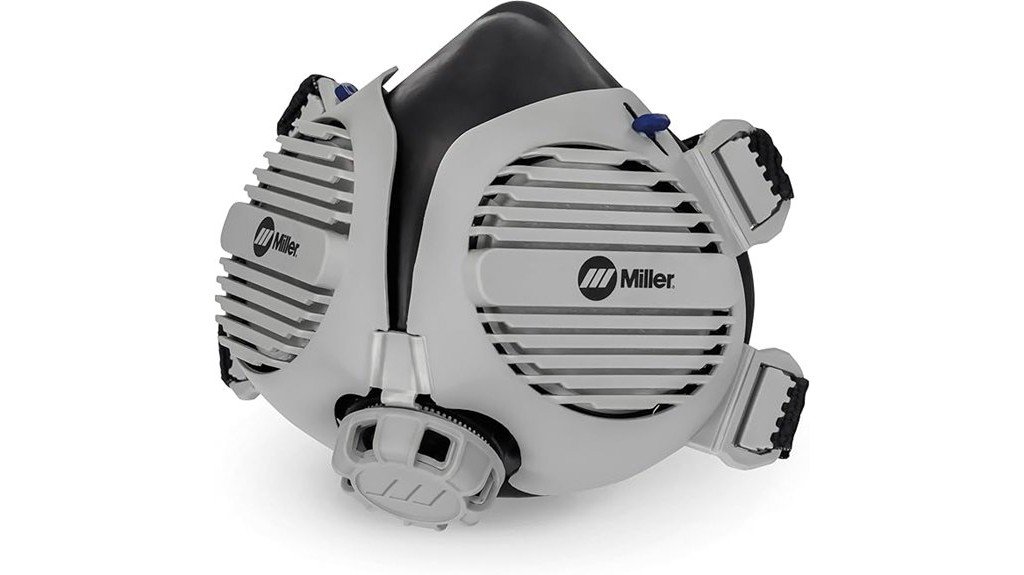
A bulky respirator can push against your welding helmet, block your view, or make a long shift uncomfortable. The Miller LPR-100 Gen. II Half Mask Respirator aims to solve these problems with a slim design, replaceable P100 filters, and a downward-facing exhaust valve. It offers high-efficiency particle filtration, but choosing the correct size and understanding its limits are essential. This review explains its verified features, filter choices, comfort, and whether it makes sense for your welding work.
Quick Verdict
Rating: Recommended with caveats
Best For: Welders and metalworkers who need a low-profile P100 respirator that can fit beneath a welding helmet.
Bottom Line: The LPR-100 Gen. II combines a compact facepiece, verified P100 filtration, and convenient filter changes. However, it requires a proper facial seal and is not designed to protect against hazardous gases or organic vapor exposures beyond its approved filter capabilities.
| Specification | Verified Detail |
|---|---|
| Brand | Miller Electric |
| Model | LPR-100 Gen. II Series |
| Product Type | Reusable, tight-fitting half-mask respirator |
| Filter Rating | P100 particulate filtration, 99.97% efficiency under applicable test conditions |
| Particle Compatibility | Oil-based and non-oil-based airborne particles, including relevant metal fumes and dust |
| Assigned Protection Factor | APF 10 when used within an effective respiratory protection program |
| Certification | NIOSH 42 CFR Part 84 |
| Available Sizes | Small/Medium and Medium/Large |
| Standard P100 Models | 294961 (S/M), 294962 (M/L) |
| Nuisance OV Relief Models | 295273 (S/M), 295274 (M/L) |
| Weight With Filters | 5.7 oz (162 g), per Miller’s series specification sheet |
| Facepiece Materials | Medical-grade materials described by Miller as latex- and silicone-free |
| Head Harness | Four-point adjustable straps with comfort cushion |
| Exhaust System | Large downward-facing exhaust valve |
| Filter Attachment | Turnbuckle-style attachment system |
| Standard Replacement Filters | Miller 294963, one pair |
| Nuisance OV Replacement Filters | Miller 294964, one pair |
| Included Filters | Two filters in Miller’s standard configurations; type depends on the model purchased |
| Helmet Compatibility | Designed for use beneath welding helmets; actual clearance depends on the helmet and fit |
| Fit Testing | Required for mandatory workplace respirator use |
Specification source: Miller LPR-100 Gen. II official specification sheet. Product details refer to the manufacturer’s documented configurations. Confirm the exact size and filter package on the seller’s listing.
What Is the Miller LPR-100 Gen. II Half Mask?
The Miller LPR-100 Gen. II is a reusable respirator designed for welding, fabrication, grinding, and related metalworking tasks. Its main advantage is a low-profile facepiece that takes up less space beneath a welding helmet than many traditional cartridge-style respirators.
The mask uses replaceable P100 particulate filters. These help reduce inhalation exposure to airborne particles when the respirator is correctly selected, fitted, and used. Miller also offers versions with nuisance-level organic vapor relief filters for limited odor reduction.
Compared with the earlier generation, Miller states that the Gen. II filter design can reduce breathing resistance by up to 55%. The updated system also features convenient filter attachments, an integrated pre-filter, and a built-in fit-check exhaust valve. These features may make regular use easier, although comfort and protection still depend on the wearer and working conditions.
Who Should Buy It?
Best For
- Welders who need P100 particulate protection beneath a welding helmet.
- Metalworkers performing grinding, sanding, or fabrication tasks that generate airborne particles.
- Workers who can achieve a proper tight-fitting seal and want a reusable respirator with replaceable filters.
Skip If
- You need protection from hazardous gases, chemical vapors, oxygen-deficient atmospheres, or other exposures beyond the respirator’s approved use.
- You have facial hair that crosses the facepiece sealing surface.
- You cannot achieve an acceptable fit or your workplace requires a higher level of respiratory protection.
Before You Buy: P100 filters remove particles, not hazardous gases or vapors. Nuisance OV relief filters provide limited odor reduction and are not a substitute for approved chemical vapor protection. This respirator also does not supply oxygen. For workplace use, the correct respirator must be selected according to the exposure assessment and applicable respiratory protection requirements.
Key Features and Performance Breakdown
1. Low-Profile Design and Welding Helmet Compatibility
The LPR-100 Gen. II uses a compact facepiece and filters positioned close to the face. This design helps reduce the chance of the respirator interfering with your welding helmet, protective eyewear, or field of view.
Miller lists compatibility with several of its welding helmet families, including T94, Digital Elite, Classic, and MP-10 models. It is also designed for use with the Weld-Mask series.
However, not every helmet has the same internal space. Your face shape, respirator size, helmet headgear, and lens position can all affect clearance. Check that you can lower and raise your helmet without moving the mask or disturbing its seal.
2. P100 Filtration and Metal Fume Protection
The included P100 filters have a 99.97% particulate filtration rating under applicable test conditions. They are designed to capture airborne particles, including dust, metal fumes, and oil-based or non-oil-based aerosols.
Miller identifies several relevant welding contaminants in its product literature, including particulate fumes associated with stainless steel, galvanized steel, aluminum, and manganese-containing alloys.
However, filter efficiency is not the same as total protection for the wearer. Air can bypass the filters when the mask does not seal correctly. The LPR-100 Gen. II has an assigned protection factor of 10 when used under an effective respiratory protection program.
For hazardous exposures, including hexavalent chromium or other regulated substances, the required protection depends on measured or assessed exposure levels. Proper ventilation, local fume extraction, and the correct respiratory protection program remain essential.
3. Breathing Resistance and Exhaust Valve
Miller states that its advanced Gen. II filters offer up to 55% less breathing resistance than previous models. This manufacturer comparison suggests that the newer filters may feel easier to breathe through during demanding work.
The large downward-facing exhaust valve directs exhaled air away from the upper part of the facepiece. It is designed to reduce heat buildup and lens fogging while improving comfort.
The mask also has minimal dead air space, which Miller says helps limit the amount of exhaled air retained inside the facepiece. These design features are useful for long welding sessions, but they do not make the respirator completely fog-free or eliminate heat and moisture.
4. Quick Filter Changes and Spark Protection
The Gen. II features a turnbuckle-style filter attachment system. It allows you to remove and install compatible replacement filters without handling a bulky traditional cartridge assembly.
Miller also includes an integrated pre-filter to help extend filter life. A wrap-around spark guard provides protection for the filter media against sparks and debris during welding operations.
These details are especially useful if you frequently move between welding and grinding tasks. Still, inspect the mask and filters regularly. Never use damaged filter media, damaged seals, or improperly attached filters.
5. Filter Choices and Replacement Compatibility
Miller offers two main filter options for the LPR-100 Gen. II. The standard P100 filters are intended for particulate filtration. The P100 nuisance-level organic vapor relief filters add a carbon layer to help reduce certain low-level organic vapor odors.
The standard Gen. II P100 replacement filter set is part number 294963. The nuisance OV relief replacement set is 294964. Both are supplied as pairs.
These Gen. II filters are not intended for the older LPR-100 Gen. I models. Before buying replacements, check the generation of your respirator and the exact filter part number.
Pro Tip: Write down your respirator’s model and filter part numbers before ordering replacements. Miller 294963 and 294964 are Gen. II filter sets and should not be confused with older Gen. I filters. Store clean, dry respirator components in a protected location according to Miller’s instructions.
Skin Safety, Materials, and Seal Quality
The LPR-100 Gen. II uses medical-grade materials that Miller describes as free from latex and silicone. This may appeal to workers who prefer to avoid those materials in equipment that touches their skin.
However, no facepiece material can guarantee that every user will avoid skin irritation. Sweat, friction, cleaning products, and extended wear can still cause discomfort.
The mask has a four-point adjustable head harness with an integrated comfort cushion. This arrangement helps distribute strap tension and lets you adjust the mask to your face.
The facepiece must seal against your skin without gaps. Tightening the straps excessively is not a substitute for choosing the correct size or obtaining an acceptable fit.
For mandatory occupational use, OSHA requires appropriate medical evaluation, fit testing, training, and other elements of a respiratory protection program. You must also perform the manufacturer’s user seal check each time you put the respirator on.
Fit Tips Before Your First Use
Choose the Correct Facepiece Size
Miller offers small/medium and medium/large versions. The size printed on the product matters because the same filter rating does not mean every mask will fit your face.
A properly fitted mask should sit securely over your nose, mouth, and chin. It should not rely on extreme strap tension to stay in place.
Check the Seal Before Welding
Inspect the facepiece, valves, straps, and filters before each use. Put the respirator on according to Miller’s instructions and perform the specified user seal check using its built-in fit-check feature.
If the seal check fails, adjust the facepiece and repeat the procedure. Do not enter a contaminated work area with a known leak. A daily seal check does not replace a formal workplace fit test.
Test Your Welding Helmet Clearance
After fitting the respirator, lower your welding helmet and check the space around the nose, cheeks, and filters. Turn your head and try normal working positions to make sure the helmet does not press against the mask.
Repeat the user seal check if helmet adjustments disturb the respirator. Your welding helmet must not lift or shift the facepiece during use.
Avoid Common Fit Mistakes
Facial hair across the sealing surface can prevent a tight seal. Straps that are twisted, damaged, or poorly adjusted may also affect fit. Do not modify the respirator or substitute unapproved parts to improve comfort.
How It Performs in Real Use
The following examples describe how the verified design features relate to common shop conditions. They are practical use assessments, not results from independent hands-on testing.
1. Stainless Steel TIG and MIG Welding
Stainless steel welding can generate hazardous particulate fumes, including compounds containing hexavalent chromium. The LPR-100 Gen. II’s P100 filters are designed for particulate hazards, making it a potential option when the workplace exposure assessment shows that this respirator provides adequate protection.
Its slim design is useful when you need to work with your helmet close to the weld. However, high-efficiency filters alone do not guarantee safe exposure levels. Use suitable fume extraction and follow the required workplace protection measures.
2. Grinding and Metal Dust
Grinding weld seams can release metal particles and abrasive dust into the air. The LPR-100 Gen. II provides P100 particulate filtration in a reusable half-mask design.
Its low-profile filters may help provide space beneath a face shield or grinding helmet. The downward exhaust valve is designed to reduce fogging, although the result depends on your eyewear, temperature, and fit.
Wear the required eye and face protection as well. A respirator does not protect your eyes from flying debris.
3. Galvanized Steel Fabrication
Welding galvanized steel can produce zinc oxide fumes. Miller lists zinc oxide among the particulate hazards addressed by the P100 filter system.
However, coatings, surface contamination, and work methods can create additional hazards. A P100 respirator does not cover every gas or vapor that may be released during heating.
Before welding coated material, follow the applicable safety guidance, assess the contaminants, and use appropriate ventilation or fume extraction. Respirator selection should reflect the actual exposure.
4. Long Shifts in Hot Workshops
The manufacturer’s stated weight of 5.7 oz (162 g), including filters, makes this a relatively compact respiratory protection option. The cushioned harness, downward exhaust valve, and reduced breathing resistance are designed to help with comfort.
For workers who move frequently or weld in different positions, the slim profile may also reduce interference with helmet movement.
You can still experience sweat, heat, and pressure during long shifts. Take appropriate breaks in a safe, clean area, follow workplace procedures, and inspect the mask if the seal becomes uncomfortable or unreliable.
Cleaning, Filter Replacement, and Storage
When Should You Replace the Filters?
There is no verified universal 30-day or 60-day replacement interval for the LPR-100 Gen. II P100 filters. Actual service life depends on contamination, use, damage, and the manufacturer’s instructions.
Inspect the filters before use. Replace them when required by the manufacturer’s instructions or workplace replacement schedule, including when they are damaged, excessively dirty, or cause increased breathing resistance.
Do not use odor detection alone to decide whether particulate filters are working. Many hazardous particles cannot be reliably detected by smell.
How Should You Clean the Facepiece?
Remove the filters according to Miller’s instructions before cleaning the reusable facepiece. Use the cleaning method approved for your specific model, and allow the mask to dry completely before putting it back together.
Do not wash disposable P100 filter elements or use harsh chemicals without manufacturer approval. Check the valves, seals, and straps before the next use.
How Should You Store It?
Store the respirator away from dirt, fumes, excessive heat, direct sunlight, and physical damage. A clean protective container can help prevent contamination between uses.
Miller offers a dedicated Gen. II hard carrying case, part number 294965. It is an optional accessory rather than a guaranteed included item.
Pros and Cons
Pros
- Compact facepiece designed for use beneath welding helmets.
- NIOSH-certified P100 particulate filtration with 99.97% filter efficiency.
- Lightweight 5.7 oz (162 g) design with adjustable, cushioned harness.
- Convenient turnbuckle filter attachments and built-in user seal-check feature.
- Downward-facing exhaust valve and advanced filters designed to improve comfort.
Cons
- Requires the correct size and a reliable facial seal; interfering facial hair makes it unsuitable.
- Standard P100 filters do not protect against hazardous gases or vapors.
- Replacement filters are generation-specific, and helmet compatibility is not universal.
Check Current Price on Amazon →
Is It Worth the Price?
The Miller LPR-100 Gen. II is worth considering if you regularly weld or grind while wearing a close-fitting helmet. Its main value comes from the combination of P100 particulate filtration, a compact design, and replaceable filters.
The Gen. II also adds useful features, including the integrated pre-filter, built-in fit-check valve, and a lower-resistance filter design. These features can make a reusable respirator more practical for regular shop work.
However, the overall cost includes replacement filters and any accessories you may need. The mask is not the best choice if you cannot achieve a proper seal or your exposure requires a different level or type of respiratory protection. Compare the current selling price with other appropriately approved respirators before deciding.
How It Compares to Alternatives
The 3M 6000 and 7500 series are established reusable half-mask respirator options. They support different approved filter and cartridge configurations, but their shape and installed filters may affect clearance beneath your welding helmet. The Miller LPR-100 Gen. II is specifically designed around a low-profile welding setup, which makes helmet clearance a key reason to consider it.
Disposable N95 respirators can be suitable for certain particulate hazards when properly selected and fitted, but they have a lower filtration classification than P100 filters. The Miller may appeal to workers who prefer a reusable facepiece and replaceable filters. For either option, proper fit and the required level of protection matter more than appearance or convenience.
Frequently Asked Questions
Does the Miller LPR-100 Gen. II fit under all welding helmets?
No respirator can be guaranteed to fit beneath every helmet. Miller designed the LPR-100 Gen. II for low-profile use under welding helmets, including several Miller models. You should check clearance and confirm that your helmet does not disturb the respirator’s seal.
What sizes are available for the LPR-100 Gen. II?
The respirator is available in small/medium and medium/large sizes. The standard P100 versions are 294961 and 294962. Choose the size that achieves the required fit rather than relying only on a general head or face measurement.
How long do Miller LPR-100 Gen. II P100 filters last?
There is no single verified service-life period that applies to every welding environment. Replace filters according to Miller’s instructions and your workplace requirements. Damage, excessive dirt, or increased breathing resistance can require earlier replacement.
Does the Miller LPR-100 Gen. II protect against organic vapors?
Standard P100 filters are for particulate filtration, not hazardous gas or vapor protection. Miller offers optional P100 nuisance OV relief filters that help reduce certain low-level organic vapor odors. They are not a substitute for properly selected chemical vapor cartridges when harmful vapor exposure is present.
Can you wear this respirator with a beard?
Facial hair that crosses the sealing surface can prevent a tight-fitting respirator from working correctly. You need a clean sealing area and an acceptable fit. If facial hair prevents this, ask a qualified respiratory protection professional about suitable alternatives, such as an appropriate loose-fitting powered system.
Is a fit test required for the Miller LPR-100 Gen. II?
Yes, fit testing is required when the respirator is used as mandatory tight-fitting respiratory protection in an OSHA-regulated workplace. The respirator also has a built-in feature for daily user seal checks. A seal check is necessary each time you put it on, but it does not replace formal fit testing.
How do you clean the Miller LPR-100 Gen. II?
Remove the filters using the manufacturer’s instructions and clean the reusable facepiece with the approved cleaning method. Allow it to dry completely before reassembly. Do not wash P100 filter elements or use cleaning products that Miller has not approved.
Which replacement filters fit the LPR-100 Gen. II?
Miller lists 294963 for standard Gen. II P100 replacement filters and 294964 for P100 nuisance-level organic vapor relief filters. Both are sold as pairs. These filters are not intended for Gen. I respirators, so verify the generation before ordering.
The Bottom Line
The Miller LPR-100 Gen. II Half Mask Respirator is a practical option for welders and fabricators who need a compact, reusable P100 respirator beneath a welding helmet. Its verified filtration rating, low-profile design, and adjustable harness are useful strengths, but you must choose the right size and use it only for suitable exposures. If you need hazardous gas protection, cannot achieve a tight seal, or require a higher protection factor, choose respiratory equipment suited to those conditions instead.
Ready to Buy?
Check the current price, facepiece size, and included filter type before placing your order.