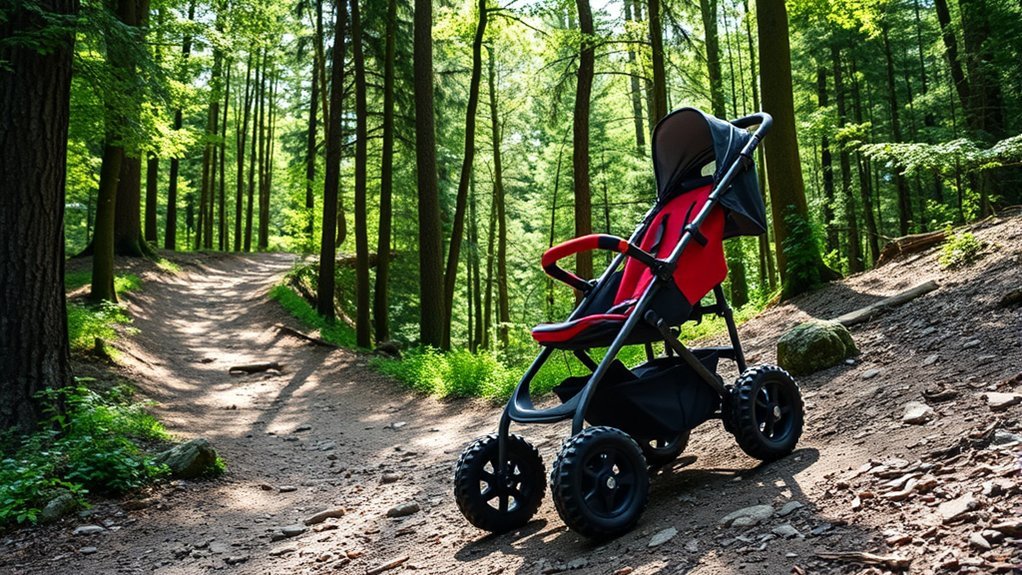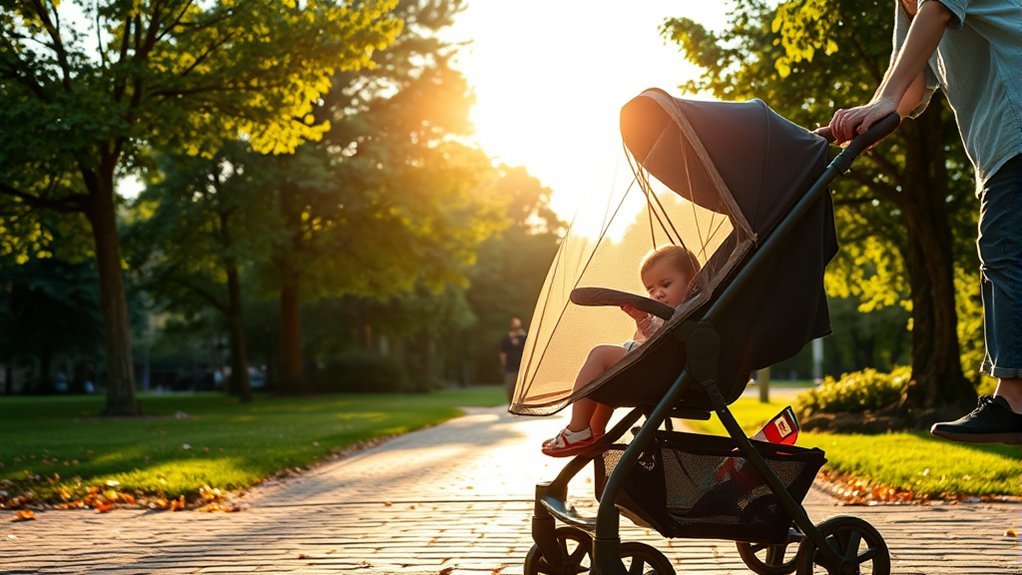
To protect your baby from mosquitoes while strolling, start by using a well-fitted mosquito net, ensuring it doesn’t touch your little one’s face. Dress them in lightweight, long-sleeved clothing and light colors to minimize attraction. If your child is over six months, consider using EPA-approved repellents on exposed skin. Finally, avoid areas with standing water and plan outings during times when mosquitoes are less active. There are plenty more practical tips to keep your family safe from pests.
Why Mosquito Protection Matters for Your Baby
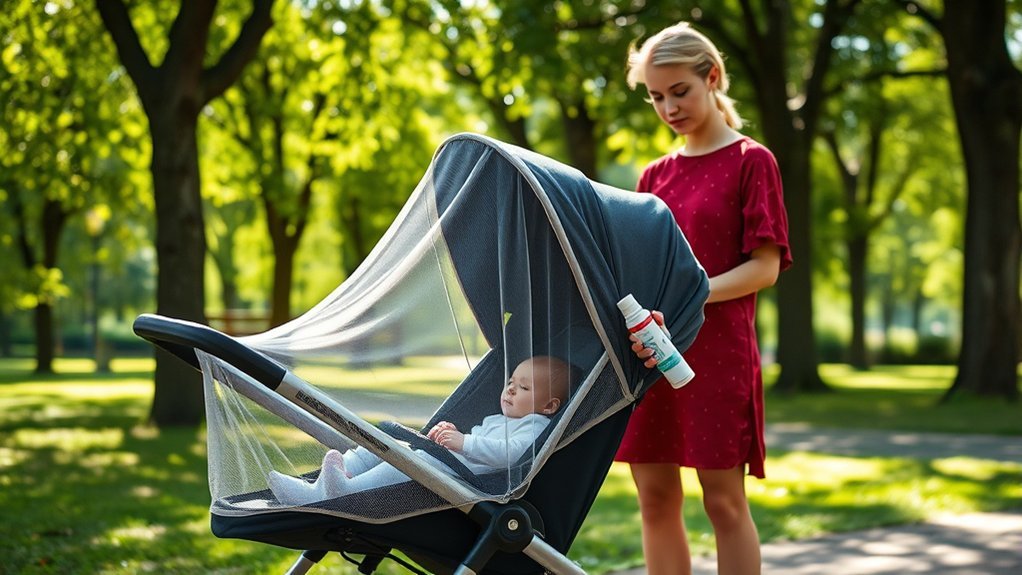
When it comes to your baby’s safety, mosquito protection is essential. Infants are particularly vulnerable due to their sensitive skin and developing immune systems, making them more susceptible to severe reactions from mosquito bites.
Mosquitoes can transmit serious illnesses like Zika and malaria, posing significant health risks. As you stroll with your little one, remember that they attract mosquitoes with their body heat and carbon dioxide emissions, increasing their risk of bites.
Understanding the mosquito lifecycle can help you take proactive measures. Public health educators emphasize using mosquito nets to shield your baby while ensuring airflow.
With climate change expanding mosquito habitats, prioritizing infant safety through effective protection methods is more vital than ever.
Essential Physical Barriers: Stroller Nets and Covers
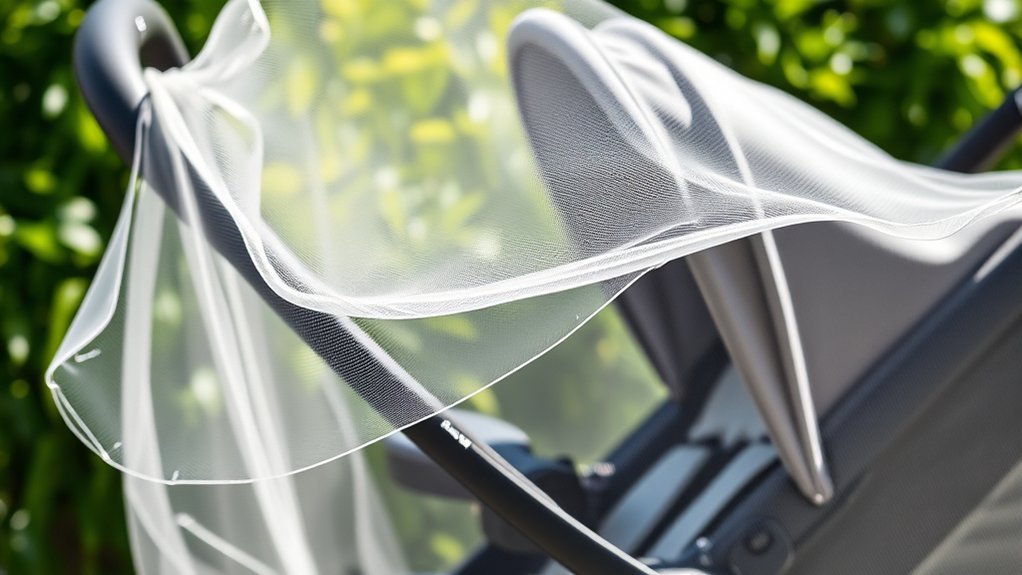
When it comes to keeping your baby safe from mosquitoes, proper fit is key for stroller nets.
You’ll find various types designed specifically for different stroller models, ensuring there are no gaps for pesky bugs to sneak in.
Importance of Proper Fit
A proper fit for stroller mosquito nets is essential for keeping your baby protected from pesky insects. Gaps in the net can let those unwanted bugs in, undermining your efforts.
Start with a fit assessment; consider custom-designed nets for your stroller model, as they offer a snugger fit compared to universal options. When installing the net, make certain it sits away from your baby’s face to maintain airflow and safety.
Regular fingertip checks around the stroller’s perimeter are a smart practice to identify and seal any potential openings. Remember, using fine mesh nets is key for maximum protection against mosquito bites, allowing you to enjoy outings without worry.
Your baby’s comfort and safety depend on it!
Types of Stroller Nets
Choosing the right type of stroller net can make all the difference in keeping your baby safe from mosquitoes.
You have two main options: universal nets and custom nets. Universal nets fit a variety of stroller models, but you’ll need to measure carefully to guarantee a snug fit. Custom nets, on the other hand, are tailored to specific stroller designs, minimizing gaps and maximizing protection.
Both types are lightweight and foldable, making them easy to store in your stroller’s basket for on-the-go use. Remember to regularly check the perimeter for any openings where insects might sneak in.
Health experts emphasize using these nets as a primary defense, especially in areas with high mosquito activity, so it’s essential to choose wisely.
Dressing Kids in Mosquito-Smart Clothing

When it comes to dressing your kids for outdoor adventures, lightweight and breathable fabrics are key to keeping them comfortable and protected from pesky mosquitoes.
Choose light colors to reduce attraction, and don’t forget to add wide-brimmed hats or netting for extra defense.
Lightweight, Breathable Fabrics
Dressing your little ones in lightweight, breathable fabrics like cotton or bamboo is essential for keeping them comfortable and protected from pesky mosquitoes. Opt for long-sleeved shirts and long pants to cover as much skin as possible, creating a barrier against bites.
Here’s a quick reference for your fabric choices:
| Breathable Materials | Benefits |
|---|---|
| Cotton | Soft, absorbs moisture |
| Bamboo | Naturally hypoallergenic |
| Linen | Lightweight and airy |
For infants and toddlers, consider wide-brimmed hats or netting for extra protection while ensuring airflow. Always dress them appropriately for the weather, using footmuffs or stroller bunting when it’s cooler, to maximize comfort and minimize bite exposure.
Light Colors Preferred
Opting for light-colored clothing can greatly enhance your child’s protection against mosquitoes, especially during peak activity times.
Mosquitoes are naturally attracted to darker colors, so making smart color choices—like whites and yellows—can notably reduce your child’s visibility to these pesky insects.
When selecting fabric types, go for lightweight, breathable materials that provide comfort while covering as much skin as possible. Long-sleeved shirts and pants are ideal for shielding your little one from bites.
Don’t forget a wide-brimmed hat in a light color, which offers extra protection for infants and toddlers from both the sun and mosquitoes.
Dressing your children this way guarantees they stay safe and comfortable during those critical dawn and dusk outings.
Additional Protective Accessories
Choosing the right clothing is just the start of keeping your little ones safe from mosquitoes. To enhance their protection, consider these additional protective accessories that make great smart gear:
- Long-sleeved shirts and long pants: Opt for lightweight, breathable fabrics to keep kids cool while providing coverage.
- Wide-brimmed hats or netting: These offer extra protection for infants and toddlers, shielding their delicate heads and necks.
- Socks and closed-toe shoes: Perfect for grassy or wooded areas, they reduce exposed skin and are essential for outdoor adventures.
Also, think about insect-repellent-treated clothing for outings like camping or hiking.
With these smart choices, you can guarantee your little ones enjoy the outdoors without the worry of mosquito bites.
Insect Repellents: Guidelines for Safe Use
When it comes to keeping your little one safe from mosquito bites, understanding how to use insect repellents effectively is essential. The American Academy of Pediatrics suggests using EPA-registered repellents with DEET (up to 30%) or Picaridin (20%) for children over 2 months. For infants under 6 months, stick to fine-mesh nets and protective clothing.
| Repellent Type | Recommended Age | Application Tips |
|---|---|---|
| DEET (up to 30%) | 2 months & up | Apply to hands first, then skin |
| Picaridin (20%) | 2 months & up | Avoid eyes and mouth |
| Oil of Lemon Eucalyptus | 3 years & up | Wash off after returning indoors |
Always apply the right amount and consider natural alternatives when possible!
Avoiding Mosquito Hot Spots During Outings
After ensuring your little one is protected with the right insect repellent, it’s important to think about where you’re taking them. Avoiding mosquito hot spots can make your outing more enjoyable.
Here are some key considerations:
- Steer clear of standing water, like ponds and puddles, as they’re prime mosquito breeding grounds.
- Stay away from heavily wooded areas and overgrown yards, especially during dawn and dusk when mosquitoes are most active.
- Choose open, sunny spaces over shaded areas where mosquitoes like to hide.
Before you head out, assess your surroundings to dodge locations known for high mosquito populations.
With smart outdoor timing and careful planning, you can create a fun and bug-free experience for both you and your child.
Creating a Bug-Safe Home Environment
Creating a bug-safe home environment is essential for keeping your family protected from pesky mosquitoes.
Start with home maintenance: regularly inspect and repair any tears or gaps in window and door screens. This simple fix can keep those bothersome insects outside.
Regularly check and fix any screen tears or gaps to keep mosquitoes at bay and ensure a bug-safe home.
Conduct weekly audits to eliminate standing water around your home, like in flower pots or birdbaths—these are prime mosquito breeding grounds. Consider using mosquito dunks in stagnant water containers to prevent larvae.
For outdoor spaces, incorporate citronella candles and kid-friendly mosquito traps to enhance protection during family activities.
Finally, maintain a tidy yard by mowing grass and clearing brush; this reduces potential mosquito habitats, allowing you to enjoy your home without worry.
Frequently Asked Questions
Can I Use Essential Oils as Mosquito Repellent for My Baby?
You can use essential oils as mosquito repellent, but be cautious. Always check essential oil safety, as some oils might irritate your baby’s sensitive skin. Dilute properly and consult a pediatrician before applying.
What Age Is Safe for Applying Insect Repellent on Children?
You can safely apply insect repellent on children over two months old. For baby skin care, choose a repellent with low DEET concentration or natural options, and always follow guidelines to guarantee their safety.
Are There Stroller Accessories That Repel Mosquitoes?
You can enhance your stroller with mosquito netting options or a stroller canopy featuring built-in repellents. Imagine enjoying a park stroll without pesky bites—these accessories let you focus on fun, not swatting insects away!
How Often Should I Reapply Insect Repellent During Outings?
You should reapply insect repellent every two hours, especially if you’re using sprays or lotions. If you’re outdoors longer, consider timing your applications to guarantee you stay protected from those pesky mosquitoes.
What Should I Do if My Baby Gets Bitten?
When a mosquito bites your baby, don’t panic. Apply first aid by cleaning the area, then try soothing remedies like a cool compress or aloe vera to ease discomfort and calm their skin.
Conclusion
When it comes to keeping your baby safe from mosquitoes, a little prevention goes a long way. Remember, “an ounce of prevention is worth a pound of cure.” By using stroller nets, dressing your child in protective clothing, and applying safe insect repellents, you can enjoy your outings without worry. Don’t forget to avoid mosquito hot spots and create a bug-safe home environment. With these tips, you’ll guarantee your baby stays happy and protected from pesky bites.