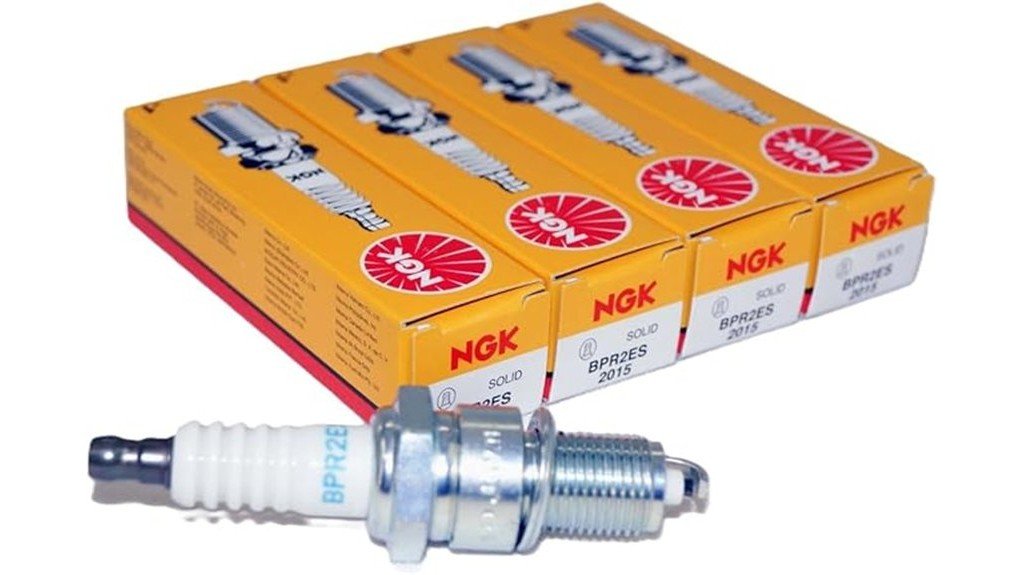
The NGK 2015 Solid Standard spark plug is presented as a durable, serviceable option for many gasoline engines, featuring trivalent metal plating, an alumina silicate ceramic insulator, corrugated ribs, and triple seals; it’s rated for roughly 30,000 miles, measures standard thread sizes and heat ranges per OEM specs, and aids heat transfer and anti-corrosion protection. How does it perform across different engines, what torque and gap settings are ideal, and will it match specific fitment?
Key Takeaways
- Durable construction with trivalent metal plating, alumina silicate insulator, and copper core for reliable heat transfer and corrosion resistance.
- Typical lifespan about 30,000 miles under normal driving; replace at or before this interval for best performance.
- Fit depends on thread, reach, and seat specs (M14 thread common); verify OEM dimensions before installation.
- Installation requires proper torque (18–22 Nm / 13–16 ft‑lb), correct gap, and light anti‑seize use to avoid damage.
- Routine inspection of electrodes, seals, and ceramic recommended; use 5/8″ socket, torque wrench, and dielectric grease for maintenance.
Key Features and Construction
A compact blend of materials and design choices gives the NGK 2015 Solid Standard Spark Plug its practical durability and performance.
The reviewer notes material benefits: trivalent metal plating (anti-corrosion, anti-seize), alumina silicate ceramic insulator (high strength, improved heat transfer), and a copper core (heat removal).
Trivalent plating, alumina-silicate insulator, and copper core combine for corrosion resistance, heat control, and durability.
What are the design advantages? Corrugated ribs to prevent flashover, triple seals to stop leakage, standard BPR2ES dimensions: 14 mm thread, 0.7 mm gap recommended, seat type and reach matched to vehicle.
Practical consideration: replace at or before 30,000 miles, verify vehicle-specific fit before installation.
Performance, Longevity, and Fit
Several concrete factors determine how the NGK 2015 (BPR2ES) spark plug performs over time and whether it fits a given vehicle: construction materials—copper core for heat dissipation, pure alumina silicate insulator for strength and thermal transfer, trivalent metal plating for corrosion resistance—design features—corrugated ribs to reduce flashover, triple seals to prevent leakage—and the specified dimensions (14 mm thread, 0.7 mm recommended gap, reach and seat type matched to vehicle).
- Expected longevity: rated ~30,000 miles, offering steady spark plug efficiency and predictable service intervals.
- Fit assessment: vehicle compatibility depends on reach, thread and seat; confirm OEM specs.
- Practical trade-offs: cost, accessibility, and replacement rhythm influence freedom of choice.
Installation Tips and Maintenance
Having established how materials, design, and fit affect the NGK 2015 (BPR2ES) performance and service life, installation and routine maintenance determine whether those benefits are realized in practice.
The reader is counselled: follow torque specs, use 18–22 Nm (13–16 ft‑lb) for M14 threads, gap to manufacturer specs if required, and apply anti-seize sparingly.
What about tools? Use a 5/8″ socket, torque wrench, and dielectric grease.
How often? Plan regular maintenance at 30,000‑mile intervals, inspect electrodes, ceramic, and seals.
Bullet checklist: proper spark plug installation, correct torque, gap check, cleanliness, and scheduled regular maintenance.
Frequently Asked Questions
Are These Spark Plugs Compatible With Motorcycles or Small Engines?
Yes. He confirms motorcycle compatibility and small engine usage depend on vehicle-specific fitment; the spark plug suits liberated riders seeking reliable performance, provided the BPR2ES thread, reach, and heat range match the engine’s specifications.
Do They Require a Specific Torque Specification for Installation?
Yes. It requires following installation guidelines and proper torque settings: the individual guarantees threads are clean, hand-starts the plug, then torques to the vehicle manufacturer’s specification to secure sealing and freedom from seizure.
Are Replacement Gaps Pre-Set or Do They Need Adjustment?
Yes; replacement gaps arrive pre-set, though owners often verify and adjust for maximum performance. Emphasizing spark plug materials and precise gap measurement empowers liberated drivers to guarantee longevity, efficiency, and confident, self-reliant maintenance.
Are These Spark Plugs Covered by a Manufacturer Warranty?
Yes. The manufacturer typically provides warranty coverage; manufacturer policies vary by region and seller. The liberated consumer should verify specific terms, duration, and exclusions with NGK or the point of purchase before relying on coverage.
Do They Perform Differently in High-Altitude Conditions?
Contrasting expectation and reality: they show modestly reduced altitude performance due to thinner air, yet maintain spark plug efficiency through reliable firing; the liberated driver accepts slight power loss while retaining dependable ignition and longevity.
Conclusion
The NGK 2015 Solid Standard spark plug balances simplicity with engineered detail: compact body, corrugated ribs, triple seals, trivalent metal plating for anti-corrosion, alumina silicate insulator for heat transfer. How long does it last? Approximately 30,000 miles under typical conditions. What about fit and install? Verify thread size and gap, torque to manufacturer spec, re-gap to 0.035–0.045 in if required. It offers practical durability, predictable performance, and straightforward maintenance.