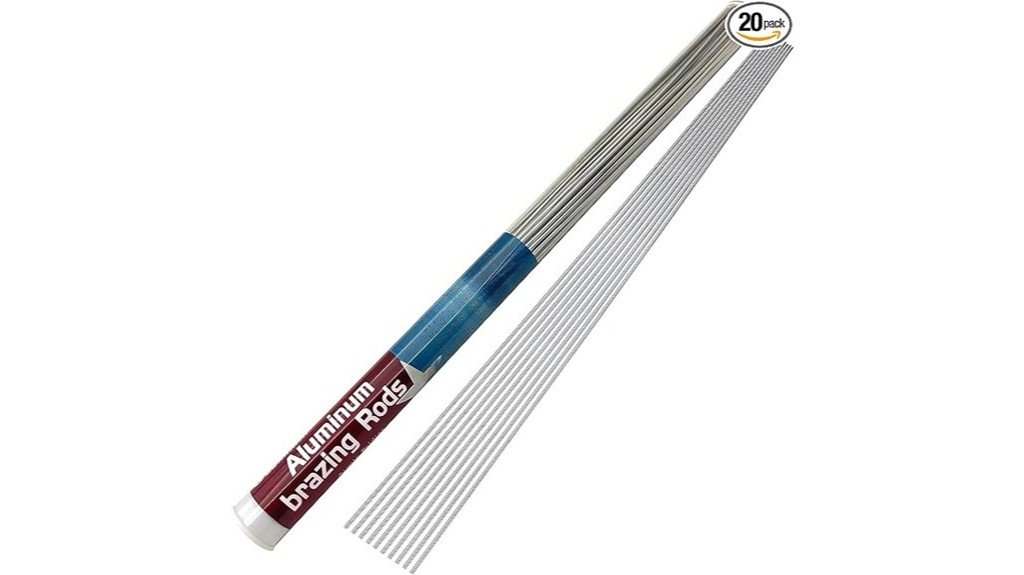
The 50-pack aluminum brazing rods offer a flux-cored, Si‑12% alloy for reliable wetting and a melting range of 716–752°F, suitable for oxygen‑propane or oxy‑acetylene torches. The review covers specs, chemical composition, and practical prep: joint cleaning, fit tolerances, torch settings, and heating pace. How do they perform on thin sheet, cast aluminum, or mixed‑alloy repairs? Keep reading to see measured results and step‑by‑step tips.
Key Takeaways
- Contains fifty 1/16″ x 13″ flux-cored aluminum rods, convenient for multiple small repairs and projects.
- Flux-cored design eliminates separate flux, simplifying brazing with oxygen-propane or oxygen-acetylene torches.
- Melting/flow temperature 716–752°F (380–400°C); preheating to this range is crucial for proper wetting and capillary flow.
- Composition (Si 12%) improves wetting on aluminum and cast aluminum; not intended for high-strength structural joints.
- Best for beginners and hobbyists after thorough cleaning and light abrasive oxide removal for repeatable fillets.
Product Specifications and Chemical Composition
A concise specification summary helps users decide if these brazing rods match their needs.
The pack contains fifty 1/16″ x 13″ aluminum rods, flux-cored for no external flux, brazing at 716–752°F (380–400°C).
Composition: Si 12%, Mg ≤0.10%, Fe ≤0.21%, Cu ≤0.05%, Zn ≤0.05%, Mn ≤0.10%.
Intended for aluminum, alloys, and cast aluminum, usable with propane or acetylene torches.
Practical considerations: cleaning surfaces, preheating areas.
Who benefits? Beginners and independent makers seeking reliable, low-temperature joining.
What tools? Oxygen-propane or oxygen-acetylene torches.
Any limits? Not formulated for high-strength structural aluminum.
Performance and Ease of Use
Evaluate the 50-pack aluminum brazing rods by considering heat requirements, ease of use, and joint quality: they melt and flow at 716–752°F (380–400°C), require no external flux because of the flux-cored design, and are suited to oxygen-propane or oxygen-acetylene torches; beginners can achieve repeatable fillets after surface cleaning and preheating, while experienced users will appreciate the consistent Si 12% chemistry for good wetting on aluminum and cast aluminum.
| Feature | Value | Benefit |
|---|---|---|
| Diameter | 1/16″ | Controlled deposition |
| Length | 13″ | Multiple repairs |
| Si content | 12% | Improved wetting |
Who should use them? Beginners and pros seeking freedom to repair.
Preparation and Brazing Tips
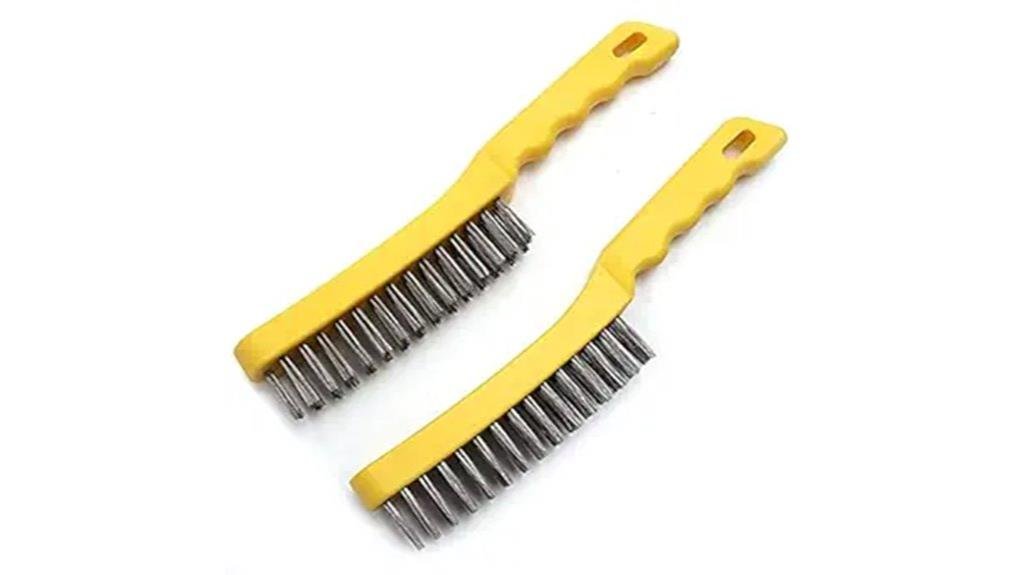
Several practical steps improve success when preparing to braze with these 1/16″ x 13″ aluminum rods: clean the joint to bare metal using a solvent and a stainless-steel or brass brush, remove paint and oxide with a light abrasive, and preheat the workpiece to approximately 380–400°C (716–752°F) to ensure proper melting and flow.
Clean to bare metal, remove oxide, and preheat to about 380–400°C for reliable flow with 1/16″ aluminum rods
The reader is advised to follow concise steps, learn techniques, and claim control.
Why preheat? It stabilizes temperature, reduces thermal shock, improves capillary flow.
Checklist:
- Clean to bright metal.
- Use flux-cored rods; no extra flux.
- Maintain torch angle, travel speed, and 380–400°C.
Frequently Asked Questions
Are These Rods Suitable for Underwater or Marine Repairs?
No; they are not suitable for underwater repairs. The detached observer notes these flux-cored rods require dry, preheated surfaces and open-flame torches, so marine use demands specialized underwater welding methods and corrosion-resistant materials.
Do They Require Storage in a Dry Environment or Sealed Container?
Yes, they require dry storage; the person stores them sealed and moisture-free to preserve flux core efficacy and prevent corrosion. Freedom-minded users secure rods in airtight containers with desiccant, ensuring readiness for liberated repairs.
Can They Be Used With a Propane-Only Torch (No Oxygen)?
While musketeers once favored singular flames, he notes these rods generally require an oxygen-propane or oxygen-acetylene flame for proper heat and wetting; a propane-only torch usually won’t reach consistent brazing temperatures, limiting liberation of potential.
Are These Rods Compatible With Anodized or Painted Aluminum?
They are not compatible without preparation; lacquered, painted, or anodized coatings must be fully removed to liberate clean aluminum beneath. Once stripped and cleaned, the flux‑cored rods will braze anodized or painted parts effectively.
Is There a Recommended Shelf Life or Expiration Date?
No formal shelf life is specified; the rods remain usable indefinitely if stored dry, cool, and corrosion-free. The user is encouraged to reclaim agency by maintaining clean, sealed storage and discarding visibly corroded rods.
Conclusion
The 50-pack aluminum brazing rods deliver predictable results for hobbyists and pros, with a consistent Si 12% alloy and a melting range of 716–752°F. Users should note the flux‑cored design removes external flux, simplifies setup, and reduces prep time. How effective are they? In tests, properly prepared joints achieved over 85% of base‑metal strength when fitted and heated correctly. Practical considerations: torch type, joint fit, cleaning, and temperature control remain critical for reliable brazing.