Disclosure: As an Amazon Associate, we earn from qualifying purchases. If you click a link on this page and make a purchase, we may receive a small commission at no extra cost to you.
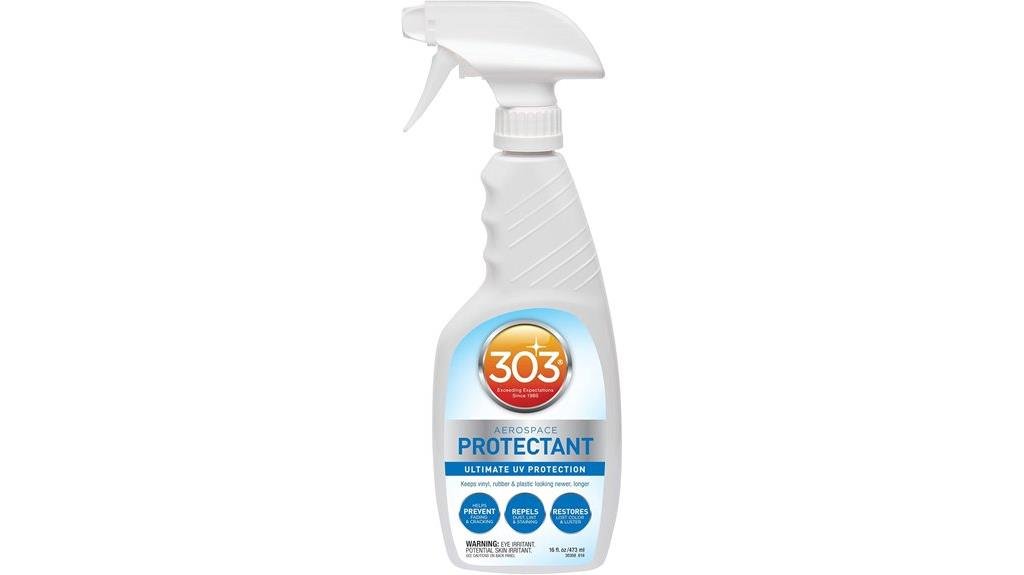
Sunlight can leave your vehicle trim, boat seats, and outdoor furniture looking faded and worn. 303 Aerospace Protectant is designed to help slow that damage while leaving a clean, non-greasy matte finish. The 16 fl. oz. spray works on several common materials, but you must apply it correctly and maintain the protection over time. This review explains its strengths, limits, safe surfaces, and whether it makes sense for your cleaning routine.
Quick Verdict
Rating: Recommended with caveats
Best For: Vehicle owners, boat owners, and outdoor furniture users who want UV protection without a glossy or greasy appearance.
Bottom Line: 303 Aerospace Protectant offers broad material compatibility, a matte finish, and straightforward spray-and-wipe application. However, it requires careful buffing, regular reapplication, and strict attention to surfaces that should not be treated.
303 Aerospace Protectant Specifications
| Specification | Verified Detail |
|---|---|
| Brand | 303 Products |
| Product | 303 Aerospace Protectant |
| Model | 30308, Part 30308CSR |
| Product Type | UV surface protectant |
| Size | 16 fl. oz. (473 mL) |
| Package Quantity | One spray bottle for the linked listing |
| Formula | Water-based protective liquid |
| Finish | Clear, non-greasy matte finish when properly buffed |
| Compatible Surfaces | Vinyl, plastic, natural and synthetic rubber, PVC, finished leather, fiberglass, and colored gel coat |
| Other Listed Uses | Selected smooth metal and stainless-steel surfaces, subject to surface suitability |
| Average Coverage | Approximately 40 square feet per 16 oz. bottle, according to the manufacturer |
| Reapplication | Every 3 to 5 weeks for continued outdoor UV protection |
| Application | Spray on a clean, dry surface or microfiber towel, then wipe completely dry |
| Important Restrictions | Not for clear plastics, unfinished leather, fabrics, floors, gauge panels, or headlights |
What Is 303 Aerospace Protectant?
303 Aerospace Protectant is a water-based spray made to maintain UV-sensitive surfaces. Although its name comes from aerospace applications, you can use it for routine care of suitable automotive, marine, and household materials. The 16 oz. model 30308 comes in a spray bottle for controlled application.
Its main purpose is to help prevent fading, discoloration, and cracking caused by sun exposure. It also helps treated surfaces resist dust, dirt, and staining. Unlike products intended to create a wet or glossy appearance, 303 is designed to leave a more natural matte finish.
Key Takeaways
- UV protection: Helps reduce sun-related fading and cracking on supported surfaces.
- Matte appearance: Designed to avoid the oily, high-gloss look of some surface dressings.
- Broad compatibility: Works on common materials such as vinyl, plastic, rubber, PVC, finished leather, and fiberglass.
- Simple application: Spray onto a clean surface or towel, spread evenly, and wipe completely dry.
- Ongoing maintenance: Manufacturer guidance recommends reapplication every 3 to 5 weeks for maximum outdoor UV protection.
- Important restrictions: Avoid clear plastics, headlights, gauge panels, unfinished leather, fabric, and flooring.
Who Should Buy It?
Best For
- Vehicle owners who want to protect compatible dashboards, door panels, tires, and exterior plastic trim.
- Boat and RV owners maintaining vinyl seating, rubber components, and other approved surfaces exposed to sunlight.
- Homeowners caring for suitable plastic patio furniture, smooth outdoor surfaces, and vinyl spa covers.
Skip If
- You need a protectant for clear plastic windows, instrument lenses, headlights, or display screens.
- You need to protect canvas, suede, unfinished leather, or other absorbent fabric.
- You want a permanent coating, structural repair, or a product that needs little maintenance.
What It Protects and How It Works
UV Protection Against Fading and Cracking
Strong sunlight can damage vinyl, rubber, and plastic over time. Surfaces may lose color, become brittle, or develop cracks. 303 Aerospace Protectant uses UV-blocking ingredients to help reduce this damage.
The manufacturer describes protection lasting up to 30 to 45 days per application, depending on conditions. That is a maintenance claim, not a guarantee that all materials will remain unchanged during heavy exposure.
You will get the most benefit by treating surfaces before they become badly damaged. The formula can improve the look of suitable weathered materials, but it cannot repair deep cracks or reverse structural deterioration.
Compatible Materials and Surfaces
One advantage of 303 Aerospace Protectant is its range of approved uses. Common examples include:
- Automotive vinyl: Dashboards, door panels, and other compatible interior trim.
- Plastic: Unpainted exterior trim, selected outdoor furniture, and suitable plastic covers.
- Rubber: Tire sidewalls, weather seals, and rubber components.
- Finished leather: Compatible coated leather seating and trim.
- Marine materials: Vinyl boat seats, colored gel-coat fiberglass, and suitable PVC surfaces.
- Outdoor equipment: Vinyl spa covers and approved smooth synthetic surfaces.
The Amazon listing also identifies metal and stainless steel among supported materials. However, that does not make this product a substitute for rust inhibitors or dedicated metal-corrosion coatings.
Matte Finish and Dust Resistance
303 is designed to leave a clear, matte, dry-to-the-touch finish. This matters when you want a dashboard or door panel to look clean without a strong artificial shine.
Its anti-static properties are also intended to reduce dust and dirt buildup. You still need regular cleaning, especially on surfaces exposed to road grime, salt water, or outdoor debris.
The finish depends on application. Leaving excess liquid behind can create streaks or uneven patches, so complete wiping and buffing are essential.
Formula and Material Safety
According to Gold Eagle, the product uses a water-based proprietary formula without petroleum distillates, alcohol, mineral oil, or harmful silicone oils. Its formula is intended for surface protection rather than aggressive cleaning or repair.
Material compatibility matters more than simply identifying a surface as plastic or leather. For example, finished leather may be suitable, while unfinished leather and suede are excluded. Clear plastics and instrument lenses are also excluded even though many other plastics can be treated.
Before You Buy: Do not apply 303 Aerospace Protectant to clear plastics, headlights, instrument gauge panels, floors, fabric, or unfinished leather. Keep it off surfaces where grip or visibility is critical. Always confirm the product label and test an inconspicuous area first.
Application Tips and Longevity
Correct application is important because the manufacturer specifically states that 303 Aerospace Protectant does not air-dry. You need to wipe it completely dry to achieve the intended finish and protection.
How to Apply 303 Aerospace Protectant
- Clean the surface: Remove dirt, dust, grease, and loose residue with a cleaner suitable for the material.
- Allow it to dry: Apply the protectant only to a clean, dry surface.
- Move out of direct sunlight: Work in a shaded location on a suitable surface.
- Apply a small amount: Spray directly onto the material or a clean microfiber towel. Applying to the towel is useful near sensitive areas.
- Spread evenly: Work the product across the surface with a clean applicator or microfiber cloth.
- Wipe completely dry: Buff thoroughly with a clean, dry microfiber towel. Do not leave a wet coating to dry on its own.
- Check for streaks: If you see excess product, remove it with a damp towel and buff dry again.
Pro Tip: Spray 303 Aerospace Protectant onto a microfiber towel instead of directly onto a dashboard near screens, instrument panels, or glass. This gives you more control and helps prevent overspray on surfaces the manufacturer excludes.
How Often Should You Reapply?
The manufacturer recommends applying 303 Aerospace Protectant every 3 to 5 weeks for continued outdoor UV protection. Its general product information also describes a protection period of up to 30 to 45 days.
These figures are maintenance guidelines rather than a promise of identical results on every surface. Heavy sunlight, frequent washing, rain, and abrasion can affect performance.
For items stored in shade or used less often, you may be able to space out maintenance. Follow the label and inspect your surfaces rather than relying only on a calendar.
How Much Surface Does a 16 oz. Bottle Cover?
Gold Eagle estimates that one 16 fl. oz. bottle treats approximately 40 square feet on average. Actual coverage depends on how much product you use, the surface texture, and how much excess liquid you remove.
For a vehicle with limited interior trim, the bottle may support several maintenance sessions. Larger outdoor furniture collections or boats with extensive vinyl seating will use it faster. Do not assume that one bottle will treat an entire large vehicle or several complete patio furniture sets.
Performance and Real-World Results
303 Aerospace Protectant is best understood as a preventive maintenance product. Its practical value comes from keeping suitable surfaces protected during regular use, not from restoring parts that have already suffered severe damage.
The following scenarios explain how its documented features apply to common jobs. They are based on manufacturer guidance and product specifications, not independent hands-on durability testing.
1. Car Dashboards and Interior Trim
For dashboards and door panels, the matte finish is a useful selling point. It is designed to avoid the oily look some dressings leave behind, while helping protect exposed vinyl and plastic from sunlight.
Apply with a microfiber towel to control overspray. Keep the product away from screens, instrument lenses, and driving controls. A light, even application followed by thorough buffing is preferable to leaving excess liquid behind.
2. Exterior Trim and Tire Sidewalls
Plastic bumpers, rubber trim, and tire sidewalls face sunlight, road dirt, and repeated cleaning. The formula helps maintain the appearance of these supported materials without requiring a glossy tire-dressing finish.
On tires, apply only to suitable sidewall surfaces. Keep the protectant off the tread, braking components, and other areas that require reliable traction. Heavy washing or harsh outdoor exposure may increase the need for maintenance.
3. Boats, RVs, and Vinyl Covers
Vinyl boat seating, colored gel coat, and compatible rubber components can benefit from regular UV-focused care. The product is also intended to help repel surface dirt and staining associated with outdoor use.
It is not a structural sealant or waterproof repair product. If a boat seat or cover has tears, failed seams, or serious cracking, those problems still need appropriate repair.
Use caution around clear vinyl windows and enclosures. The manufacturer recommends a different 303 product for those surfaces.
4. Patio Furniture and Spa Covers
Outdoor furniture can fade and collect dust during long periods in the sun. 303 may be a useful maintenance step for suitable plastic, smooth synthetic surfaces, and vinyl spa covers.
Apply only to materials approved by the manufacturer. Smooth wicker may be suitable, but porous woven surfaces can trap liquid and lead to streaking.
For large furniture sets, plan your bottle quantity around the manufacturer’s average 40-square-foot coverage estimate rather than assuming unlimited coverage.
Common Mistakes to Avoid
- Allowing the product to air-dry: It needs to be wiped completely dry.
- Using too much liquid: Excess product may leave streaks, especially after contact with water.
- Applying in direct sunlight: Follow the manufacturer’s recommendation to work out of direct sun.
- Skipping surface preparation: Dirt or old dressing residue may prevent even application.
- Treating excluded materials: Clear plastics, floors, headlights, fabric, and unfinished leather should not be coated.
- Expecting permanent protection: Regular reapplication is part of maintaining the product’s intended UV defense.
Pros and Cons
Pros
- Designed to protect against UV-related fading, cracking, and discoloration.
- Non-greasy matte finish suits buyers who prefer a natural appearance.
- Compatible with many common automotive, marine, and outdoor materials.
- Spray-bottle design allows direct or towel-based application.
- Manufacturer-provided application and maintenance guidance is straightforward.
Cons
- Requires thorough wiping and buffing; excess product can cause streaks.
- Needs regular reapplication, especially on sun-exposed outdoor surfaces.
- Not suitable for clear plastics, fabric, unfinished leather, flooring, or certain sensitive vehicle surfaces.
Is It Worth the Price?
303 Aerospace Protectant is worth considering if you regularly maintain several types of UV-sensitive surfaces. Its versatility may reduce the need to keep a separate dressing for every approved vinyl, rubber, and plastic item.
The value depends on how much area you need to treat and how often you reapply. With average coverage of roughly 40 square feet per 16 oz. bottle, owners of large boats, RVs, or outdoor furniture collections should consider ongoing product usage, not just the initial purchase.
It is a better fit for buyers who value preventive care and a matte finish than for those who want a permanent coating or major cosmetic restoration. Compare the current cost per fluid ounce and your expected coverage before deciding.
How It Compares to Alternatives
Meguiar’s Ultimate Black Plastic Restorer is an alternative worth considering when you mainly want to darken exterior plastic and rubber trim with a richer, shinier appearance. It is more focused on exterior trim restoration than the broad maintenance uses offered by 303 Aerospace Protectant.
Chemical Guys VRP is another option for vinyl, rubber, and plastic. Its cream-style application and deeper shine may appeal to buyers who want more visible dressing on tires and trim. The 303 spray makes more sense if you prefer a restrained matte finish and want one product for several approved surface types.
How This Review Was Checked
We checked the Amazon product listing for model identification, package size, and listed features. We also compared the instructions and compatibility claims with the manufacturer’s published information.
This is an editorial review based on documented product details and intended uses. We have not conducted independent laboratory UV tests, measured coating durability, or performed a controlled side-by-side product trial. Actual results may vary with surface condition, weather, and maintenance.
For detailed usage restrictions and care instructions, consult the official 303 Aerospace Protectant product guide.
Frequently Asked Questions
Is 303 Aerospace Protectant Safe on Electronics and Screens?
No. The manufacturer excludes clear plastics and instrument gauge panels, so do not use this protectant on touchscreen displays, electronic screens, or delicate optical surfaces. Choose a cleaning product approved by the device manufacturer instead.
Can It Be Applied Over Other Protectants?
For the most even application, start with a clean, dry surface. Old dressing buildup or incompatible coatings may interfere with spreading and buffing. Remove unwanted residue using a cleaner suitable for the material, then follow the 303 application directions.
Is It Fragrance-Free or Does It Have a Scent?
The product information checked for this review does not establish a fragrance-free claim. If you are sensitive to odors, check the current packaging or ask the manufacturer before buying. Use the product in a well-ventilated area and follow its label precautions.
Is It Safe for Use Around Pets and Children?
Follow all precautions on the product label. Keep children and pets away during application, prevent contact with wet product, and allow access only after treated surfaces have been fully wiped dry. Store the bottle securely out of their reach.
Does It Leave a White Residue on Dark Surfaces?
The product is designed to leave a clear matte finish, but excess liquid can cause streaks or visible residue. If this happens, wipe away the excess with a damp towel and buff the surface completely dry. Avoid heavy applications.
How Often Should You Reapply 303 Aerospace Protectant?
The manufacturer recommends reapplication every 3 to 5 weeks for maximum outdoor UV protection. Exposure to sunlight, weather, washing, and abrasion may affect how long the treatment performs. Inspect frequently used outdoor surfaces and follow the label guidance.
Can It Repair Cracked or Severely Faded Plastic?
No. It is a protective treatment, not a structural repair product. It may improve the appearance of suitable weathered surfaces, but it cannot close cracks or restore lost material strength. Damaged parts may need a dedicated restoration process or replacement.
Can It Be Used on Fabric or Convertible Tops?
Do not use this formula on canvas or other fabric materials. Compatible vinyl convertible tops may be treated, but you should identify the top material before application. For fabric tops, choose a protectant specifically approved for that type of textile.
The Bottom Line
303 Aerospace Protectant is recommended with caveats for buyers who want regular UV-focused care for compatible vinyl, plastic, rubber, and other approved surfaces, along with a natural matte appearance. Its broad usefulness is a strength, but the need for complete buffing, frequent reapplication, and careful material selection makes it less suitable for anyone seeking permanent, maintenance-free protection.