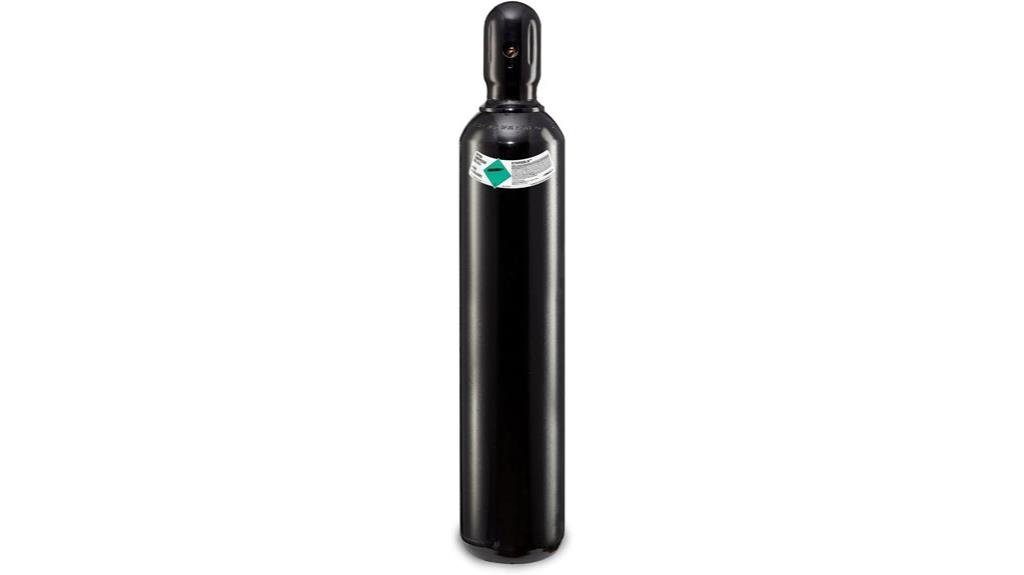
This review examines a compact propane torch head designed for soldering, brazing, and paint removal. It has a solid brass body, knurled grip, manual ignition, and withstands temperatures up to 2462°F (1350°C). Fuel-consumption, nozzle diameter, and weight are given for practical comparison. What are the trade-offs between portability and control, and which tasks justify this specific tool — keep following the evaluation to find out.
Key Takeaways
- Solid brass construction delivers durability, corrosion resistance, and heat tolerance up to 2462°F for demanding tasks.
- Portable 6.5″ torch head fits standard small propane cylinders and weighs about 7 ounces for easy handling.
- Reliable, concentrated flame ideal for soldering, brazing, thawing, and paint removal over a 1–2″ area.
- Manual ignition and no flame-size control require practice and use of distance, duration, and gas flow for heat management.
- Follow safety steps: inspect fittings, test for leaks, wear PPE, keep cylinders upright, and maintain a 3–5 ft clear work zone.
Product Design and Build Quality
Solid brass construction anchors the propane torch head’s design, providing both heat resistance and long-term durability.
Solid brass construction gives this propane torch head exceptional heat resistance and lasting durability.
The unit measures approximately 6.5 inches in length, weighs about 7 ounces, and fits standard small propane cylinders.
How does it look and feel? The design aesthetics favor function: clean lines, knurled grip, and compact profile for easy handling.
Material durability is evident in high-temperature resistance to 2462°F and corrosion resistance.
Practical considerations: manual ignition, no integrated regulator, portable storage, and a flame switch for open/close control.
Pros and cons: robust build; limited ergonomic padding; straightforward maintenance.
Performance and Flame Control
How well does the torch perform in real-world tasks? The torch delivers reliable heat output, reaching up to 2462°F, suitable for soldering, brazing, thawing, and light welding.
Performance notes: stable flame under steady gas flow, consistent flame stability for small-diameter tubing; manual start requires practice but shows good ignition efficiency.
Practical considerations: use with a small propane cylinder, set regulator valve slowly, flame switch opens/closes only, set gas to maximum for best results.
Q: Is flame size adjustable? A: No — switch toggles only; adjust heat by distance, duration, and propane flow.
Safety Tips and Proper Use
Begin by treating the torch as a precision tool: inspect the brass nozzle, check fittings for tight seals, and confirm the propane cylinder is upright and at room temperature before connecting.
The reviewer notes clear safety precautions and practical usage guidelines: wear flame-resistant gloves, eye protection rated for infrared, keep a 3–5 ft clear zone, and verify valves turn slowly.
How to light? Open regulator slowly, use manual ignition, then adjust flame switch.
Open the regulator slowly, ignite manually, then fine-tune the flame using the torch’s flame switch.
Regular leak tests with soapy water at 0.5–1 psi equivalent pressure are advised.
Store cylinders below 120°F, upright, away from direct sunlight and heat sources.
Common Applications and Real-World Tests
When tested across typical home and workshop tasks, the propane torch head proved versatile and predictable: it handled small-diameter soldering, brazing copper tubing, thawing frozen locks, loosening rusted bolts, and surface-heat tasks such as paint removal and tile adhesive softening, while also serving for camping or culinary torching when used with appropriate cookware.
The reviewer notes soldering techniques for 1/8–3/4″ joints, brazing at 1200–1500°F, and heat delivery over a 1–2″ area.
Q: How long to heat a 1/2″ copper pipe?
A: 20–40 seconds at full output.
Practical tips and DIY projects listed, with measured timings and safety reminders.
Pros, Cons, and Final Verdict
Summary: the Propane Torch Head delivers predictable, high-temperature performance in a compact brass package, making it a practical choice for both DIYers and tradespeople.
It reaches 2462°F, is portable, and fits standard small propane cylinders; user experience and user reviews note solid build and simple manual ignition.
Practical drawbacks include no flame-size adjustment, a required external tank, and care with upside-down use.
- Pros: solid brass, 2462°F max, portable, durable.
- Cons: manual start, flame size not adjustable, needs cylinder, safety limits.
- Who should buy? Hobbyists and pros needing focused heat.
- Final verdict: reliable, economical tool.
Frequently Asked Questions
What Size Propane Cylinder Fittings Are Compatible With This Torch Head?
It fits standard small disposable 1 lb (14.1 oz) threaded propane cylinders; propane cylinder compatibility aligns with common 7/16″-20 UNEF fittings. Torch head specifications confirm manual-start brass nozzle designed for these threaded tanks and adapters.
Is a Separate Regulator Required for Safe Operation?
Yes. He requires a separate regulator for safe operation; safety precautions include using compatible regulator types (low-pressure barbecue or adjustable propane regulators), opening the valve slowly, avoiding upside-down use, and operating the cylinder at room temperature.
Can This Torch Be Used for Culinary Purposes on Food?
As a rule of thumb, he notes it can be used for culinary applications and cooking techniques like caramelizing and searing, but only if food-safe practices are followed, low-residue fuel is used, and care prevents overheating or contamination.
Are Replacement Parts or Nozzles Available Separately?
Yes. The reviewer notes replacement nozzle options exist; availability varies by seller. Compatibility with brands should be confirmed before purchase, as fittings differ between propane cylinders and specific torch head manufacturers.
What Is the Expected Lifespan Under Regular DIY Use?
About 3–7 years under regular DIY use, coincidentally matching many small tools’ lifespans; longevity depends on usage frequency and maintenance tips like cleaning, avoiding upside-down use, gentle valve operation, and storing dry between projects.
Conclusion
The propane torch head finishes its duties like a reliable compass: compact, knurled brass housing, rated to 2462°F, built for soldering, brazing, paint removal. It offers predictable manual ignition without adjustable flame—simple, portable, effective. Practical considerations: nozzle fit, fuel compatibility, 2–3-minute warm-up in cold conditions. Is it right for the job? For precise, occasional tasks or mobile work, yes; for continuous, variable-flame needs, consider a regulator-equipped alternative.