Review Overview
Loose ceramic wool is not a surface you want to leave exposed inside a forge. Mr Volcano Rigidizer 16 oz Concentrate is meant to stiffen the fibers before you add a refractory mortar coating. One bottle mixes with water to make 32 oz of ready-to-apply solution, with stated coverage for one Hero 2 double-burner forge or two Hero single-burner forges. It is useful for a planned liner build, but it adds mixing, drying, and protective-equipment steps. This review explains how to use it, what the bottle covers, and when another product may fit better.
Quick Verdict
Recommendation: Recommended with caveats.
Best For: Small forge projects that use ceramic-fiber blanket and need a rigidized base before refractory mortar.
Bottom Line: Its 1:1 concentrate and red application tint make coverage easy to plan. However, it is not a finished hot-face coating, and you must allow enough time for the blanket to dry fully.
Key Specs
| Specification | Detail |
|---|---|
| Product | Mr Volcano Rigidizer 16 oz Concentrate |
| Brand | MR VOLCANO |
| Model / part number | MV-005 (retailer-listed) |
| ASIN | B08S5SY61X |
| Product type | Concentrated ceramic-fiber rigidizer |
| Pack size | One 16 fl oz bottle of concentrate |
| Mixed yield | 32 fl oz after adding 16 fl oz water |
| Mixing ratio | 1 part concentrate to 1 part water |
| Formula | Colloidal silica; winterized formulation |
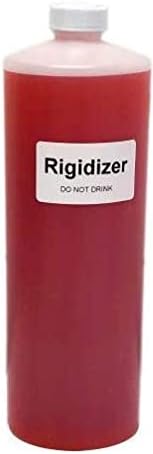
| Color cue | Red tint helps show where the mix was applied |
| Compatible blanket types | Superwool (AES) and refractory ceramic fiber (RCF), per product details |
| Application | Spray or brush onto lightly pre-wetted fiber blanket |
| Stated coverage | Up to 2 Hero single-burner forges or 1 Hero 2 double-burner forge |
| Air-drying guidance | Can take 24 to 48 hours; confirm the blanket is fully dry and rigid |
| Country of manufacture | USA, according to product listings |
| Storage | Keep sealed in a cool, dry place and protect from freezing, per SDS |
What Is the Mr Volcano Rigidizer?
Mr Volcano Rigidizer is a water-diluted treatment for ceramic-fiber forge insulation. Its colloidal-silica binder penetrates the wool and firms up its exposed surface. That helps reduce fiber movement during liner preparation and gives the next refractory layer a more stable base.
This is a prep product, not a stand-alone refractory lining. The normal order is ceramic wool, rigidizer, and then thin coats of a compatible refractory mortar such as Satanite. An optional infrared-reflective topcoat is a separate step if your forge design calls for it.
The 16 oz bottle is sized for a small forge project rather than bulk furnace work. The claimed coverage is based on Mr Volcano’s Hero family, so a larger chamber, thicker blanket, or other layout may require a different amount.
Product Composition and Features
Colloidal-Silica Binder
The binder helps turn a loose fiber surface into a firmer one. This is useful before mortar application because unbound blanket can shift or shed fibers when touched. It does not mean the treated wool can replace a full protective hot-face layer.
Red Tint for Visible Coverage
The applied solution looks red, so you can spot areas that have not been wetted. That matters around corners and blanket edges. Red does not mean dry. The manufacturer’s instructions warn that the color can remain even after the water has evaporated.
Winterized Formula and Storage Limits
Retail listings describe this formula as winterized or freeze-resistant. However, the Mr Volcano SDS says to keep it from freezing. Treat that storage warning as the safer rule: close the bottle tightly and keep it in a cool, dry place above freezing.
Who Should Buy It?
Best For
- Owners lining a Mr Volcano Hero or Hero 2 forge.
- DIY forge builders using suitable Superwool or RCF blankets.
- Users who need a firm base before applying refractory mortar.
Skip If
- You need a ready-to-use rigidizer with no water mixing.
- You need a finished refractory coating, not a prep treatment.
- You cannot provide proper ventilation, PPE, and drying time.
Before You Buy: This bottle does not replace refractory mortar, and 32 oz is only a stated coverage guide for the listed Hero models. Check your blanket type and dimensions, and plan for full drying before you apply any mortar or heat the forge for normal work.
Key Features at a Glance
- 16 oz concentrate: Add an equal amount of water to get 32 oz of working liquid.
- Fiber-binding action: Helps make ceramic wool firmer before the refractory layer.
- Red coverage tint: Makes missed areas easier to see while applying.
- Two application options: Brush for control or spray for broad, even coverage.
- Forge-specific guidance: Mr Volcano publishes a mixing, installation, and drying procedure.
Application and Coverage
For a full Hero 2 lining, Mr Volcano’s published procedure uses all 16 oz of concentrate plus 16 oz of water. The 32 oz mixture is applied across the blanket’s faces. The guide cites a laid-flat Hero 2 blanket measuring 24 x 16 x 1 inches as a reference, not as a universal fit specification.
The product listing also states coverage for up to two Hero single-burner units. For another forge, don’t assume the same result. Surface area, absorbency, and application method affect how much liquid you need.
How to Use It Correctly
- Prepare a clean work surface. Unroll the approved insulation blanket while wearing suitable PPE.
- Mix 1:1 with water. For the full bottle, combine 16 fl oz concentrate with 16 fl oz water. The manufacturer says to shake the mixture vigorously for about 45 seconds.
- Pre-wet the wool. Lightly mist all sides with clean water. Do not soak the blanket.
- Apply the rigidizer. Spray or brush the solution onto the blanket. Use the red tint to check for missed areas.
- Fit the blanket while damp. For the Hero setup described in the manual, install it before the treatment dries. Keep the burner entry tube clear.
- Dry completely. Air drying can take 24 to 48 hours. Do not start the refractory step until the blanket is dry and firm.
- Add refractory separately. Follow your mortar’s own mixing, coating, and curing directions.
Mr Volcano also describes short, low-pressure heating cycles as a drying option for its forge, but this requires following the complete forge operating and safety instructions. Air drying is the simpler choice for a first-time user. Never rush moisture removal; trapped water may damage the later refractory coat.
Pro Tip: Use separate labeled spray bottles for plain water and diluted rigidizer. Mist the blanket first, then check both sides and cut edges for red coverage. Keep all liquid and tools away from the burner’s air and gas openings.
How It Performs in Real Use
The following are practical use scenarios based on the formula and instructions, not claims from a hands-on product test.
Lining a New Single-Burner Forge
For a Hero single-burner liner, the product’s stated quantity should give you enough mix to coat the blanket as directed. The main advantage is that you can see coverage before installing the wool. Confirm your particular blanket layout before dividing a batch between projects.
Preparing a Hero 2 Double-Burner Forge
A full 16 oz bottle mixed with water is the amount in the manufacturer’s Hero 2 procedure. The key steps are coating all sides, fitting the damp blanket without blocking the burner entry, and letting it dry before adding Satanite or another approved mortar.
Replacing an Older, Worn Liner
If old insulation is damaged, the rigidizer is meant for the new, compatible fiber blanket rather than for repairing broken refractory by itself. Remove and handle old lining materials using the forge maker’s safety guidance. Do not assume rigidizer can make a badly deteriorated liner safe for continued use.
Using a Different Forge or Insulation Brand
The colloidal-silica treatment is described for Superwool and RCF, but the Hero coverage figure may not transfer to your forge. Check your insulation’s temperature and chemical compatibility requirements, then follow the instructions for that specific lining system.
Safety, Materials, and Storage
Mr Volcano’s safety data sheet identifies the liquid as a suspension of synthetic amorphous silica in water and lists a small amount of ethylene glycol. It warns that the product is harmful if swallowed and can cause skin irritation. Keep it away from food, children, and pets.
- Protect your skin and eyes: Wear suitable gloves and eye protection. Avoid splashes and wash after handling.
- Control dust and mist: Use good ventilation and respiratory protection suited to the task, especially while spraying or handling ceramic fiber. Follow the SDS and workplace safety rules.
- Keep burners clear: Do not cover the burner inlet or other required openings with insulation or coating.
- Dry before coating: The manufacturer’s guide warns that trapped moisture can break through a refractory layer when heated.
- Store safely: Keep the container closed in a cool, dry place. Protect it from freezing, even though the formula is marketed as winterized.
Do not treat a rigidized blanket as a substitute for safe forge operation, a suitable refractory hot face, or the insulation manufacturer’s exposure controls. If you are uncertain about an older RCF liner or your work area’s ventilation, consult the equipment manufacturer or a qualified safety professional.
Pros and Cons
Pros
- One 16 oz bottle makes 32 oz after the stated dilution.
- Stiffens the ceramic wool surface before mortar is added.
- Red tint helps reveal untreated spots during application.
- Brush and spray methods support different workshop setups.
- Manufacturer instructions give a clear Hero 2 mixing and drying sequence.
Cons
- Not a replacement for the separate refractory hot-face coat.
- Mixing, careful coverage, PPE, and 24 to 48 hours of air drying add work.
- Claimed bottle coverage is specific to Hero forge examples, not every chamber size.
Is It Worth the Price?
For one small forge or a pair of Hero single-burner linings, this is a convenient project-size concentrate. You can measure the mix without buying a large industrial container, and the red tint helps with application. It is worth considering when you need a purpose-made binder for the prep step.
It is not automatically the lowest-cost option per mixed ounce, and no current Amazon price is assumed here. If you maintain several large kilns or forges, compare bulk rigidizer sizes and the amount required for each blanket. If you already have compatible rigidizer, a second small bottle may not add much value.
Remember to budget for refractory mortar and suitable protective gear, which are separate parts of the job. Check the Amazon listing for the current bottle size and price before ordering.
How It Compares to Alternatives
Simond Store Colloidal Silica Rigidizer comes in a 1-quart option and is described as ready to use, which may suit you if you want to skip dilution. Axner Liquid Rigidizer is sold by the gallon for larger ceramic-fiber projects. Both have their own application and drying instructions, so you cannot assume the same mixing ratio.
CeraMaterials Colloidal Silica Rigidizer is another larger-format fiber treatment worth comparing for workshop use. Mr Volcano’s main advantage for a Hero owner is its specific 16-to-32-oz instructions and stated forge coverage. Verify the material compatibility and temperature needs of any alternative before buying.
Frequently Asked Questions
What is the correct dilution ratio for Mr Volcano Rigidizer?
Mix one part concentrate with one part water. A full 16 fl oz bottle plus 16 fl oz of water makes 32 fl oz. The manufacturer says to shake the mixture for about 45 seconds before use.
How many Mr Volcano forges can one bottle cover?
The stated coverage is up to two Hero single-burner forges or one Hero 2 double-burner forge. Your actual use may vary with the blanket area and how heavily you apply the mix.
How long should the rigidizer dry before refractory mortar?
Mr Volcano’s instructions say air drying can take 24 to 48 hours. Do not proceed just because the surface looks red or feels less wet. The blanket must be fully dry and rigid first.
Can I use this instead of Satanite or another refractory coating?
No. Rigidizer firms up ceramic fibers, while a suitable refractory mortar provides the separate hot-face layer. Apply the mortar only after the rigidized blanket has dried as directed.
Will it work on Superwool and refractory ceramic fiber?
Product details describe compatibility with Superwool (AES) and RCF blankets. For another insulation product, confirm the blanket and coating makers approve the combination before treating the full liner.
Does the red tint mean the lining is dry?
No. The red tint only helps you see application coverage. Mr Volcano says the color can remain after drying, so judge readiness by the complete drying procedure and the blanket’s firm condition.
Is it safe to spray indoors?
Do not spray it in an unventilated room. The SDS calls for avoiding inhalation of mist and using suitable protective gear and ventilation. Follow the product safety sheet and your worksite’s respiratory-protection requirements.
Can a winterized rigidizer bottle be stored below freezing?
Do not rely on the winterized label as permission to freeze it. Mr Volcano’s safety data sheet specifically says to protect the product from freezing and store it closed in a cool, dry place.
The Bottom Line
Mr Volcano Rigidizer 16 oz Concentrate is a practical choice if you need to prepare a compatible ceramic-fiber blanket for a small forge and want a clear 1:1 mixing guide. Buy it for the rigidizing step, not as a replacement for refractory mortar. Skip it if you need a ready-to-use liquid or cannot follow the safety and full-drying steps.