15% Silver Brazing Rods AWS BCuP-5 Review
By: SellySell Editorial Team
Last Updated: June 6, 2026
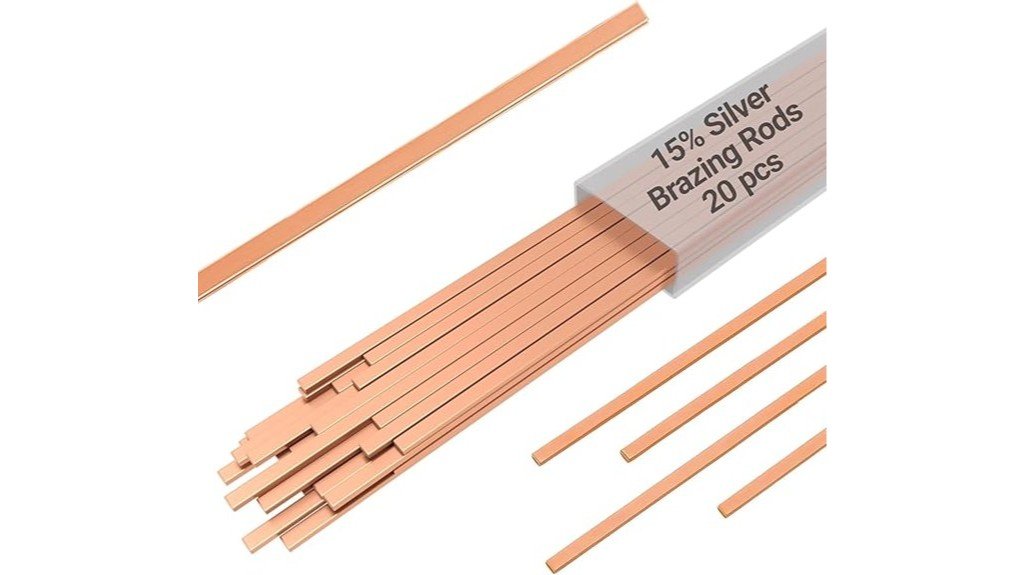
The 15% Silver Brazing Rods AWS BCuP-5 are made for HVAC, refrigeration, plumbing, and copper repair work. The article details list 20 sticks, 10-inch length, 15% silver content, and a working temperature range of about 1193°F to 1472°F.
These rods are best suited for copper-to-copper and copper-to-brass joints where clean fit-up, steady heat, and capillary flow matter. They are not a shortcut for poor joint preparation. You still need clean metal, the right gap, proper heat control, and flux when the base metal requires it.
Quick Verdict
The 15% Silver Brazing Rods AWS BCuP-5 are a practical choice for technicians and DIY repair users who need a phosphorus-copper brazing alloy for copper joints. The 15% silver content supports smoother flow and stronger joint formation than lower-silver options, while the 10-inch stick size gives good control on small HVAC and refrigeration fittings.
Best for: HVAC, refrigeration, plumbing, copper tubing, and copper-to-brass brazing work.
Skip it if: You need a rod for aluminum, steel-to-steel work, or a job that requires a different brazing alloy specification.
Key Takeaways
- 15% silver AWS BCuP-5 rods are designed for strong capillary flow in copper brazing work.
- The article details list 20 sticks, each measuring 0.050″ x 1/8″ x 10″.
- The listed operating range is about 1193°F to 1472°F.
- They are best suited for copper-to-copper and copper-to-brass joints.
- Joint cleanliness, proper gap, and controlled heat are critical for reliable results.
Key Specifications
| Specification | Detail |
|---|---|
| Product Type | Silver brazing rods |
| AWS Classification | BCuP-5 |
| Silver Content | 15% |
| Quantity | 20 sticks |
| Stick Size | 0.050″ x 1/8″ x 10″ |
| Listed Operating Range | About 1193°F to 1472°F |
| Main Use | HVAC, refrigeration, plumbing, copper tubing, and copper-to-brass joints |
| Ideal Joint Gap | 0.001″ to 0.003″ for capillary flow |
What Is This Product?
These 15% Silver Brazing Rods are AWS BCuP-5 brazing filler rods. They are made for joining copper and compatible copper alloys through capillary action. The 15% silver content helps the filler flow into tight joints and form a clean bond when the work area is heated correctly.
The rods are useful for HVAC lines, refrigeration service work, copper plumbing repairs, cold storage systems, and similar copper tube applications. For copper-to-copper work, phosphorus in BCuP alloys usually helps with flow. For brass, bronze, or other dissimilar copper alloys, proper flux is commonly needed to protect the joint and improve wetting.
Who It Is For
- HVAC technicians: Good for copper refrigerant lines and service repairs that need strong capillary flow.
- Refrigeration workers: Useful for copper tubing in cold storage, refrigeration, and air conditioning systems.
- Plumbers and repair users: Suitable for copper and copper-to-brass joints when the base metal and job requirements match BCuP-5 use.
- Small-shop users: The 20-stick pack is practical for repair work, training, and planned service jobs.
Who Should Skip It
- Skip it if your job requires welding aluminum, steel, or stainless steel instead of brazing copper-based joints.
- Skip it if your project specifies a different AWS brazing alloy.
- Skip it if you do not have a safe torch setup, ventilation, eye protection, gloves, and fire-safe work area.
- Skip it if you need a flux-coated rod. This article only lists bare BCuP-5 rods.
Key Features
15% Silver Content
The 15% silver content is the main reason many users choose BCuP-5 rods. It helps the filler flow smoothly into tight joints and can improve joint strength when the joint is prepared correctly. This matters most in HVAC and refrigeration work, where small leaks can cause major service problems.
AWS BCuP-5 Classification
The BCuP-5 classification places these rods in a common copper-phosphorus-silver brazing alloy group. This makes them suitable for many copper-based joining tasks. Always match the rod to the job specification, base metal, and service condition before use.
Controlled Stick Size
Each stick is listed as 0.050″ x 1/8″ x 10″. The slim size helps with controlled feeding around small copper fittings. The 10-inch length is also easy to cut if a shorter piece is better for tight service spaces.
Capillary Flow
These rods work best when the joint gap is narrow and even. The article recommends a 0.001″ to 0.003″ joint gap. That tight space helps pull the molten filler through the joint by capillary action.
Temperature Range
The listed operating range is about 1193°F to 1472°F. You still need to heat the base metal evenly. Do not melt the rod with direct flame alone. Heat the joint area first, then let the hot joint pull the filler into the gap.
Real-World Use
In HVAC service, these rods can help join copper refrigerant lines, repair fittings, and complete tight tube connections. The best results come from bright, clean metal and even torch movement. Dirty metal, wide gaps, and uneven heat can cause poor flow or porosity.
For refrigeration systems, leak prevention is the key goal. A strong brazed joint depends on fit-up and technique, not just filler metal. Clean the tube ends, remove oxidation, heat the full joint area, and inspect the finished fillet after cooling.
For plumbing and copper-to-brass work, flux selection becomes more important. Flux helps protect brass and other copper alloys during heating. Follow the flux maker’s instructions and clean residue after the joint cools.
Best Practices for Better Brazing Results
- Clean the joint: Remove oil, oxidation, dirt, and coating before heating.
- Use the right gap: Aim for 0.001″ to 0.003″ when capillary flow is needed.
- Heat the base metal: Let the joint heat pull the rod into the gap.
- Use flux when needed: Copper-to-brass and other dissimilar copper alloy joints often need flux.
- Inspect the joint: Look for full flow, smooth fillet shape, cracks, and visible porosity.
- Work safely: Use ventilation, eye protection, flame-resistant gloves, long sleeves, and a fire extinguisher nearby.
Pros and Cons
Pros
- 15% silver content supports smooth flow and strong copper-based joints
- AWS BCuP-5 alloy is suitable for many HVAC and refrigeration brazing jobs
- 10-inch sticks are easy to control around small fittings
- 20-stick pack helps with repair planning and service work
- Good fit for copper-to-copper and copper-to-brass applications when used correctly
Cons
- Not made for every metal, so you must match the alloy to the job
- Copper-to-brass and dissimilar copper alloy joints may need proper flux
- Poor cleaning or wide gaps can still cause leaks or weak joints
- Requires torch skill, safety gear, and a fire-safe work area
Is It Worth the Price?
These rods can be worth buying if you need a 15% silver BCuP-5 filler for copper-based brazing. The value comes from the alloy type, the 20-stick quantity, and the small rod size that works well around fittings.
The best buyer is someone who already knows the job calls for this type of brazing rod. If you only need a general repair rod or you are not sure about base metal compatibility, check the project requirements first. The wrong filler can cost more in wasted time, leaks, and failed joints.
Alternatives to Consider
If you want context before buying, compare these rods with other 15% silver BCuP-5 options such as Harris Stay-Silv 15, Lucas-Milhaupt Sil-Fos 15, and other AWS BCuP-5 15% silver brazing rods. Use the comparison to check rod size, package quantity, alloy type, and whether the job needs bare or flux-coated filler.
Frequently Asked Questions
Are Fluxes Required With These 15% Silver Brazing Rods?
Flux is generally not required for clean copper-to-copper brazing with BCuP alloys. For copper-to-brass, bronze, or other dissimilar copper alloy joints, proper flux is commonly recommended. Always follow the job specification and flux instructions.
Can These Rods Be Used on Dissimilar Metals Besides Copper?
They can be used on some copper alloys, including brass and bronze, when the joint design and flux choice are correct. They are not a universal filler for all metals. Do not use them for aluminum or steel unless the job specification clearly allows it.
What Safety Gear Is Recommended When Brazing With These Rods?
Use ANSI-rated eye protection, flame-resistant gloves, long sleeves, and safe ventilation. Keep a fire extinguisher nearby. A leather apron and face protection can also help when working near hot metal, flame, and flux residue.
How Should Unused Rods Be Stored to Prevent Oxidation?
Store unused rods in a dry, sealed container. Keep them away from moisture, corrosive chemicals, and dirty work surfaces. If rods look contaminated, wipe them clean before use and inspect them before brazing.
Do These Rods Comply With Industry Certification Standards?
The article identifies these rods as AWS BCuP-5. Before using them for professional or code-sensitive work, check the current product label, listing, packaging, or certificate details to confirm the exact alloy specification.
What Joint Gap Works Best?
The article recommends a joint gap of 0.001″ to 0.003″. A narrow, even gap helps capillary action pull the molten filler through the joint. A gap that is too wide can reduce flow control and joint strength.
Final Verdict
The 15% Silver Brazing Rods AWS BCuP-5 are a focused choice for copper-based brazing work. They make the most sense for HVAC, refrigeration, and plumbing users who need 15% silver filler rods with controlled flow and reliable joint formation.
They are not a fix for poor prep. Clean metal, proper clearance, steady heating, and correct flux use still decide the final result. If your project calls for AWS BCuP-5 and the listed stick size fits your work, this 20-stick pack is a practical option to consider.